Is 5100 150 Auto Insur the Right Policy for You in 2026?
A 50/100/50 auto insurance policy—often searched using the shorthand "5100 150"—provides $50,000 for bodily injury per person, $100,000 for total bodily injury per accident, and $50,000 for property damage. It serves as a mid-tier cove...
A 50/100/50 auto insurance policy—often searched using the shorthand "5100 150"—provides $50,000 for bodily injury per person, $100,000 for total bodily injury per accident, and $50,000 for property damage. It serves as a mid-tier coverage option that offers significantly more protection than state minimums without the higher premiums of executive-level policies.
Contents
Selecting the right auto insurance policy in 2026 requires a nuanced understanding of how liability limits interact with modern economic realities. Whether you are a first-time car owner or looking to adjust your current coverage, the shorthand "5100 150" refers to a specific liability structure: 50/100/50. Understanding what these numbers represent—and what they do not cover—is essential for protecting your personal assets from litigation and repair costs.
Decoding the 50/100/50 Liability Structure
In the insurance industry, liability coverage is typically expressed as a series of three numbers. These numbers represent the maximum amount your insurance provider will pay out in the event of an at-fault accident. While "5100 150" is a common search term, it corresponds to the 50/100/50 limit structure.
Bodily Injury Per Person ($50,000)
The first number represents the limit for bodily injury liability for a single individual injured in an accident where you are at fault. In 2026, medical costs have continued to rise, meaning that $50,000 may cover emergency room visits, minor surgeries, or short-term physical therapy. However, if the injured party requires intensive care or long-term rehabilitation, a $50,000 limit can be exhausted quickly, leaving you personally liable for the remaining balance.
Bodily Injury Per Accident ($100,000)
The second number is the total cap the insurer will pay for all medical injuries sustained by all parties in a single accident. For example, if you collide with a vehicle carrying four passengers, and each passenger incurs $30,000 in medical expenses, the total claim would be $120,000. Under a 50/100/50 policy, the insurer would only pay $100,000, and you would be responsible for the $20,000 deficit.
Property Damage Per Accident ($50,000)
The final number covers damage to the other party’s property, which usually refers to their vehicle but can also include fences, buildings, or utility poles. With the average price of new vehicles in 2026 frequently exceeding $50,000, particularly for electric vehicles (EVs) and luxury SUVs, this limit is often considered the bare minimum for modern drivers.
Why 50/100/50 is a Strategic "Mid-Tier" Choice
For many drivers, state minimum insurance requirements are insufficient. Most states require limits as low as 25/50/25. In the current economic climate, those minimums are often viewed as a "financial disaster waiting to happen." Moving up to a 50/100/50 policy offers a buffer that protects the driver’s savings and future wages from being garnished in a lawsuit.
This policy level is particularly popular among:
- Young Professionals: Those who have started accumulating assets but are not yet at a high-net-worth level requiring umbrella insurance.
- Owners of Older Vehicles: Drivers who do not need high collision coverage for their own car but want decent liability protection for others.
- Budget-Conscious Households: Families looking for a balance between affordable monthly premiums and meaningful financial protection.
The Financial Reality of 2026: Repair and Medical Costs
To determine if 50/100/50 is right for you, one must look at the actual costs of accidents in 2026. According to the Insurance Information Institute, the cost of both medical care and vehicle repairs has outpaced general inflation over the last decade.
Vehicle Complexity and Property Damage
Modern cars are equipped with Advanced Driver Assistance Systems (ADAS), including sensors, cameras, and LiDAR embedded in bumpers and windshields. A seemingly minor "fender bender" that might have cost $2,000 a decade ago can now easily reach $10,000 to $15,000 because of the calibration required for these sensors. If you are at fault in a multi-car pileup or hit a high-end luxury vehicle, the $50,000 property damage limit provided by a 50/100/50 policy may be insufficient.
Medical Inflation
Healthcare costs in 2026 reflect the increased use of specialized imaging and robotics in surgery. A single night in a trauma center can exceed $20,000. If an accident results in a "total disability" or a permanent injury for the other party, the $50,000 per person limit will likely be surpassed before the victim even leaves the hospital.
Comparing 50/100/50 to Other Standard Policies
The following table compares the 50/100/50 limit to other common insurance tiers to help you visualize where this policy fits in terms of protection.
| Coverage Tier | Per Person (BI) | Per Accident (BI) | Property Damage (PD) | Target Demographic |
|---|---|---|---|---|
| State Minimum | $25,000 | $50,000 | $25,000 | Low-income drivers, high-risk drivers |
| Mid-Tier (50/100/50) | $50,000 | $100,000 | $50,000 | Standard commuters, modest asset owners |
| Full Protection | $100,000 | $300,000 | $100,000 | Homeowners, families, established professionals |
| Executive/Umbrella | $250,000 | $500,000 | $250,000+ | High-net-worth individuals, business owners |
When Should You Choose a Higher Limit?
While 50/100/50 is an improvement over the minimum, it is not a "set it and forget it" solution for everyone. You should consider increasing your limits to 100/300/100 or higher if any of the following apply:
- You Own a Home: In most jurisdictions, your home is an asset that can be targeted in a civil lawsuit if your insurance limits are exhausted.
- You Have Significant Savings: If you have more than $50,000 in liquid assets (savings, stocks, bonds), those funds are at risk in the event of a major at-fault accident.
- You Commute in High-Traffic Areas: If you drive in cities with a high density of expensive vehicles, the likelihood of hitting a car worth more than $50,000 increases significantly.
- You Frequently Have Passengers: If you carpool or drive for a rideshare service (which usually requires even higher specific limits), you are responsible for the safety and medical coverage of everyone in your vehicle.
Factors Influencing the Cost of a 50/100/50 Policy
The premium you pay for 50/100/50 coverage is not fixed. In 2026, insurance companies use sophisticated AI algorithms to determine risk. Key factors include:
- Geographic Location: Rates are significantly higher in states like Michigan, Florida, and Louisiana due to specific state laws and high rates of litigation.
- Credit-Based Insurance Scores: In states where it is legal, your credit history plays a massive role in your premium. A higher score typically leads to lower rates.
- Driving History: Any at-fault accidents or moving violations within the last three to five years will increase the cost of a 50/100/50 policy.
- Vehicle Type: Insuring a sports car or a heavy truck with high damage potential will cost more than insuring a standard sedan with high safety ratings.
To find the best rates, it is recommended to consult the National Association of Insurance Commissioners (NAIC) for information on licensed insurers in your specific state.
Common Mistakes When Choosing "5100 150" Coverage
Ignoring Uninsured/Underinsured Motorist Coverage
Many drivers focus solely on their liability limits—what they pay to others. However, in 2026, a significant percentage of drivers remain underinsured. It is vital to match your 50/100/50 liability limits with equal Uninsured Motorist (UM) coverage. This ensures that if someone hits you and they have no insurance, your own policy will cover your medical bills up to those same 50/100 limits.
Confusing Liability with Full Coverage
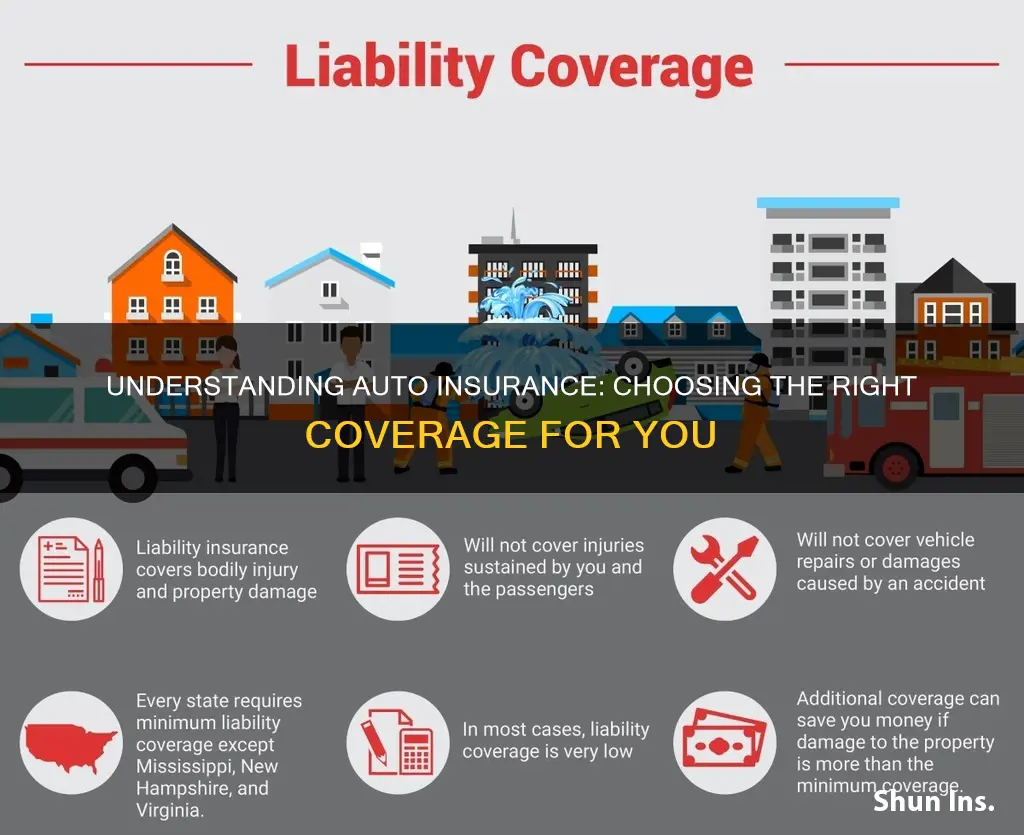
A 50/100/50 policy refers to liability—it pays for the other person’s losses. It does not cover your own car if you are at fault, nor does it cover theft or weather damage. For that, you need to add Comprehensive and Collision coverage. Without these, even with a 50/100/50 policy, you could be left with no vehicle and no way to replace it after an accident.
Skipping the Deductible Review
While the liability portion (50/100/50) does not have a deductible, the associated collision and comprehensive parts of your policy do. In 2026, many drivers choose a $1,000 deductible to keep premiums low, but you must ensure you have that $1,000 available in an emergency fund.
Frequently Asked Questions
What does "5100 150" actually stand for in an insurance quote?
It is a shorthand variation of 50/100/50 coverage. This translates to $50,000 for bodily injury per person, $100,000 for bodily injury per accident (total), and $50,000 for property damage. If you see these numbers on a quote, ensure the decimals and zeros are correctly placed to verify you are getting the $50k/$100k/$50k limits.
Is $50,000 enough property damage coverage in 2026?
For most standard accidents involving a single average vehicle, $50,000 is sufficient. However, if you are involved in an accident with a high-end electric vehicle or multiple cars, the damage can easily exceed $50,000. Many insurance experts now recommend $100,000 as the "safe" property damage limit due to the high cost of modern car parts and labor.
Does this policy cover me if I am sued?
Yes, liability insurance includes a "duty to defend." This means your insurance company will provide and pay for a legal defense if you are sued for an accident covered by your policy. However, once the insurance company pays out the maximum limit (e.g., $50,000 for one person), their obligation to pay for your defense may end, depending on the policy language and state law.
Can I get 50/100/50 coverage for a commercial vehicle?
Commercial policies usually have different structures, often using a "Combined Single Limit" (CSL) rather than split limits. While you can find commercial policies with similar total values, businesses are generally advised to carry at least $500,000 to $1,000,000 in liability due to the higher risk of litigation against companies.
Why is there such a big price difference between 25/50/25 and 50/100/50?
Interestingly, the price difference is often smaller than expected. Because the insurer is only taking on "excess" risk (the likelihood of a claim exceeding $25k but staying under $50k), the premium increase might only be 10% to 15%. This makes 50/100/50 one of the best values in the insurance market.
Practical Recommendation
If you are currently on a state minimum policy, upgrading to 50/100/50 is highly recommended as a first step toward financial security. It provides a necessary safety net against the inflated medical and repair costs of 2026. However, if you own a home or have assets exceeding $100,000, you should view 50/100/50 as a temporary stepping stone and aim for 100/300/100 coverage as soon as your budget allows. Always shop around and compare quotes from at least three different carriers to ensure you are getting the best rate for this specific coverage tier.
Disclaimer: This article provides general information regarding auto insurance structures and does not constitute legal or financial advice. Insurance requirements and policy terms vary by state and provider. Consult with a licensed insurance agent to discuss your specific needs.
Image Gallery