Designer Walls Net Worth in the US: Market Valuation and Economic Impact (2026)
The total market valuation—or "net worth"—of the designer wallcoverings and high-end surface industry in the United States is estimated to be approximately $1.9 billion to $2.3 billion as of 2026. This figure encompasses the combined e...
The total market valuation—or "net worth"—of the designer wallcoverings and high-end surface industry in the United States is estimated to be approximately $1.9 billion to $2.3 billion as of 2026. This figure encompasses the combined equity of top-tier manufacturers, independent design houses, and the revenue generated from luxury wall installments across residential and commercial sectors.
Contents
While "net worth" is a term typically reserved for individuals, in the context of the designer wall industry, it represents the collective capital, brand equity, and annual revenue of the companies that define the luxury vertical. This sector has seen a steady Compound Annual Growth Rate (CAGR) of 4.2% since 2022, driven by a surge in personalized home environments and the commercial hospitality sector's demand for unique, high-impact aesthetic statements.
The Evolution of the Designer Wall Market in 2026
The landscape of designer walls has shifted from simple wallpaper applications to complex, multi-material architectural elements. In 2026, the market is no longer dominated solely by traditional paper-based products. Instead, it is a sophisticated ecosystem comprising high-performance textiles, bio-based sustainable surfaces, and integrated "smart" wall panels.
The valuation of this industry is deeply tied to the luxury real estate market. As high-end residential construction in states like Florida, Texas, and California continues to expand, the demand for bespoke wall treatments—ranging from hand-painted murals to 3D-printed acoustic panels—has reached record highs. Designers are no longer just sellers of products; they are curators of environments, which has allowed the leading firms to command higher margins and increase their corporate valuations.
Key Value Drivers in the Current Market
Several factors contribute to the robust "net worth" of the designer wall sector in the US:
- Technological Integration: The adoption of large-format 3D printing and AI-driven pattern generation has reduced manufacturing waste while increasing the price point for custom, one-of-a-kind installations.
- Sustainability Premiums: In 2026, products certified as carbon-neutral or made from recycled ocean plastics command a 15-20% price premium, significantly boosting the revenue of "green" designer brands.
- Hospitality Resurgence: Luxury boutique hotels and high-end co-working spaces have pivoted toward "instagrammable" designer walls as a core part of their branding strategy, leading to bulk contracts that stabilize the industry's bottom line.
Leading Entities and Corporate Valuations
To understand the financial health of the designer wall space, one must look at the major players that dictate market trends and hold the largest shares of industry equity. These entities range from heritage brands to modern tech-forward startups.
Heritage Design Houses
Legacy brands such as Schumacher and York Wallcoverings continue to hold significant market power. Their valuations are rooted in extensive archives, global distribution networks, and established brand loyalty among interior designers. These companies have modernized by acquiring smaller, niche artisan studios, effectively consolidating the "designer" aspect of the market.
Boutique and Artisan Studios
The "net worth" of the artisan sector is more fragmented but highly influential. Studios like Maya Romanoff or Phillip Jeffries specialize in high-touch materials such as gold leaf, glass beads, and natural grasscloth. While their total revenue may be lower than mass-market manufacturers, their profit margins are significantly higher, often exceeding 60% on bespoke orders.
The Rise of Tech-Enabled Wall Brands
A newer segment contributing to the industry's wealth is the "Direct-to-Designer" (D2D) tech platform. These companies use digital interfaces to allow designers to customize textures and colors in real-time. By eliminating the middleman and reducing physical inventory, these firms have attracted significant venture capital, contributing hundreds of millions to the sector's total valuation.
Market Segmentation and Financial Performance
The designer wall industry is categorized into several distinct segments, each with its own growth trajectory and contribution to the overall US market value.
| Segment | Estimated 2026 Market Value (US) | Projected Annual Growth | Primary Material Drivers |
|---|---|---|---|
| Luxury Wallcoverings | $950 Million | 3.8% | Silk, Grasscloth, Hand-painted Paper |
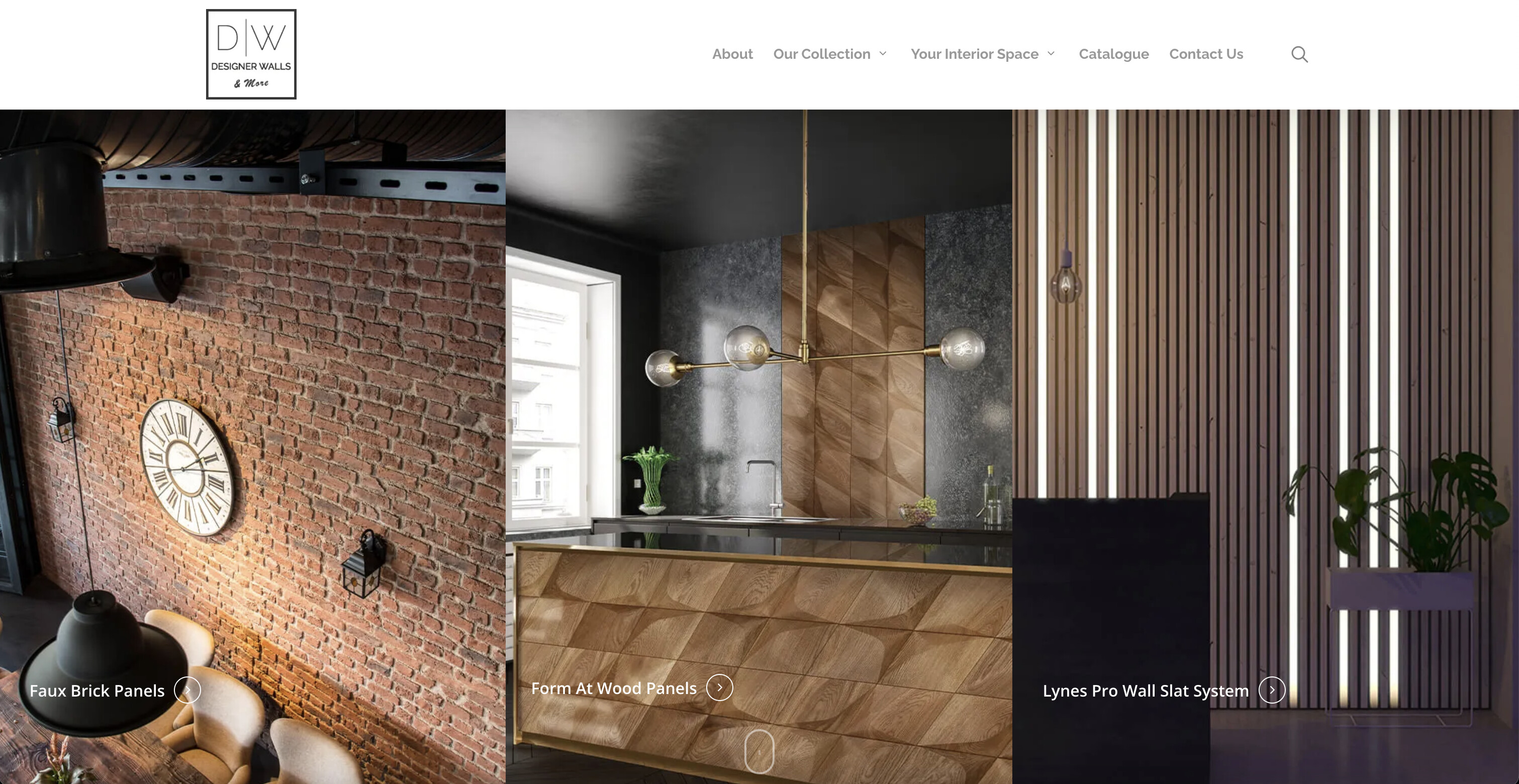
| Architectural Panels | $620 Million | 5.1% | Wood Veneer, Stone, Recycled Polymers |
| Acoustic Designer Walls | $430 Million | 6.5% | Felt, High-density Foam, Cork |
| Digital Murals & 3D Prints | $280 Million | 7.2% | UV-Curable Inks, Sustainable Vinyl |
Luxury Wallcoverings: The Revenue Leader
Traditional luxury wallcoverings remain the largest segment. The valuation here is driven by the "prestige factor." In 2026, the trend of "maximalism" has stayed strong, leading homeowners to invest in bold, expensive patterns that cover entire rooms rather than just accent walls. This shift in consumer behavior has nearly doubled the average order value (AOV) for high-end wallcovering firms over the last five years.
Architectural and Acoustic Panels: The Innovation Sector
Architectural panels and acoustic treatments represent the fastest-growing segments. With the rise of home theaters and the continued popularity of open-concept living, the need for walls that provide both visual appeal and sound dampening has skyrocketed. Companies specializing in these "functional designer walls" have seen their corporate net worth climb as they secure contracts with both residential developers and corporate office designers.
Factors Influencing Net Worth and Profitability
Understanding the financial standing of the designer wall industry requires an analysis of the operational costs and economic pressures facing US companies in 2026.
Supply Chain and Raw Material Costs
The cost of raw materials—especially natural fibers and specialized pigments—remains a volatile factor. Companies that have vertically integrated their supply chains or sourced materials domestically in the US have seen a more stable valuation compared to those relying on international imports. The "Made in USA" label has become a financial asset, allowing brands to charge higher prices while avoiding the unpredictability of global shipping routes.
Labor and Artistry
A significant portion of the "value" in designer walls is the human element. Hand-blocked wallpapers and hand-stitched wall panels require skilled labor. In 2026, the shortage of master artisans has led to a "talent war" within the industry. Companies that have invested in apprenticeship programs or acquired small artisan collectives have built a form of "intellectual property" that significantly increases their acquisition value in the eyes of larger conglomerates.
Investment Outlook and Future Projections
For investors looking at the designer wall sector, the outlook remains positive. The industry has proven resilient to minor economic fluctuations because its primary customer base—the ultra-high-net-worth (UHNW) individual—tends to maintain spending on luxury real estate regardless of broader market trends.
The next five years are expected to see a consolidation phase. Larger home decor conglomerates are likely to acquire successful independent designer wall brands to fill gaps in their portfolios, particularly in the sustainable and smart-technology niches. This consolidation is expected to push the total industry valuation toward the $3 billion mark by 2030.
Frequently Asked Questions
What constitutes a "designer" wall versus a standard wallcovering?
A designer wall is defined by its exclusivity, material quality, and the involvement of a recognized designer or artist in its creation. Unlike mass-produced wallpaper found in big-box retailers, designer walls often use high-grade materials like natural minerals, silk, or hand-applied textures and are sold primarily through "to-the-trade" showrooms or specialized boutiques.
Why is the "net worth" of the designer wall industry growing so fast?
The growth is fueled by a shift in consumer psychology where the home is viewed as a primary form of self-expression. Additionally, technological advancements in 2026 allow for cost-effective customization, making bespoke "designer" looks accessible to a slightly broader (though still affluent) audience, thereby increasing total market volume.
How do I verify the financial health of a designer wall company?
Since many of these firms are privately held, you should look at trade reports from organizations like the Wallcoverings Association (WA) or market analysis firms. Key indicators of financial health include the frequency of new collection launches, the expansion of showroom locations, and the brand's presence in high-profile commercial projects.
Are there any publicly traded designer wall companies in the US?
While most high-end designer brands are private or owned by larger private equity groups, some parent companies that own wallcovering brands are publicly traded. For example, some large flooring or home textile conglomerates (like Mohawk Industries or others in the broader home furnishings space) occasionally hold designer wall brands in their portfolios.
How has sustainability impacted the valuation of these companies?
In 2026, sustainability is a core financial metric. Companies that cannot prove a low carbon footprint or non-toxic manufacturing processes are seeing their valuations drop as interior designers increasingly prioritize ESG (Environmental, Social, and Governance) criteria when selecting products for high-end projects.
Recommendations for Stakeholders
For interior designers and architects, the recommendation is to align with brands that demonstrate financial stability and a commitment to material innovation. The volatility of smaller boutique firms can lead to project delays; therefore, focusing on well-capitalized designer houses ensures reliable lead times.
For investors, the high-growth "smart wall" and "acoustic panel" segments offer the most significant upside. As residential spaces become more multi-functional, the demand for walls that do more than just look good will continue to drive the industry's net worth upward.
Image Gallery