Why the Hot Chocolate and Fireball Combo Works Best in Winter
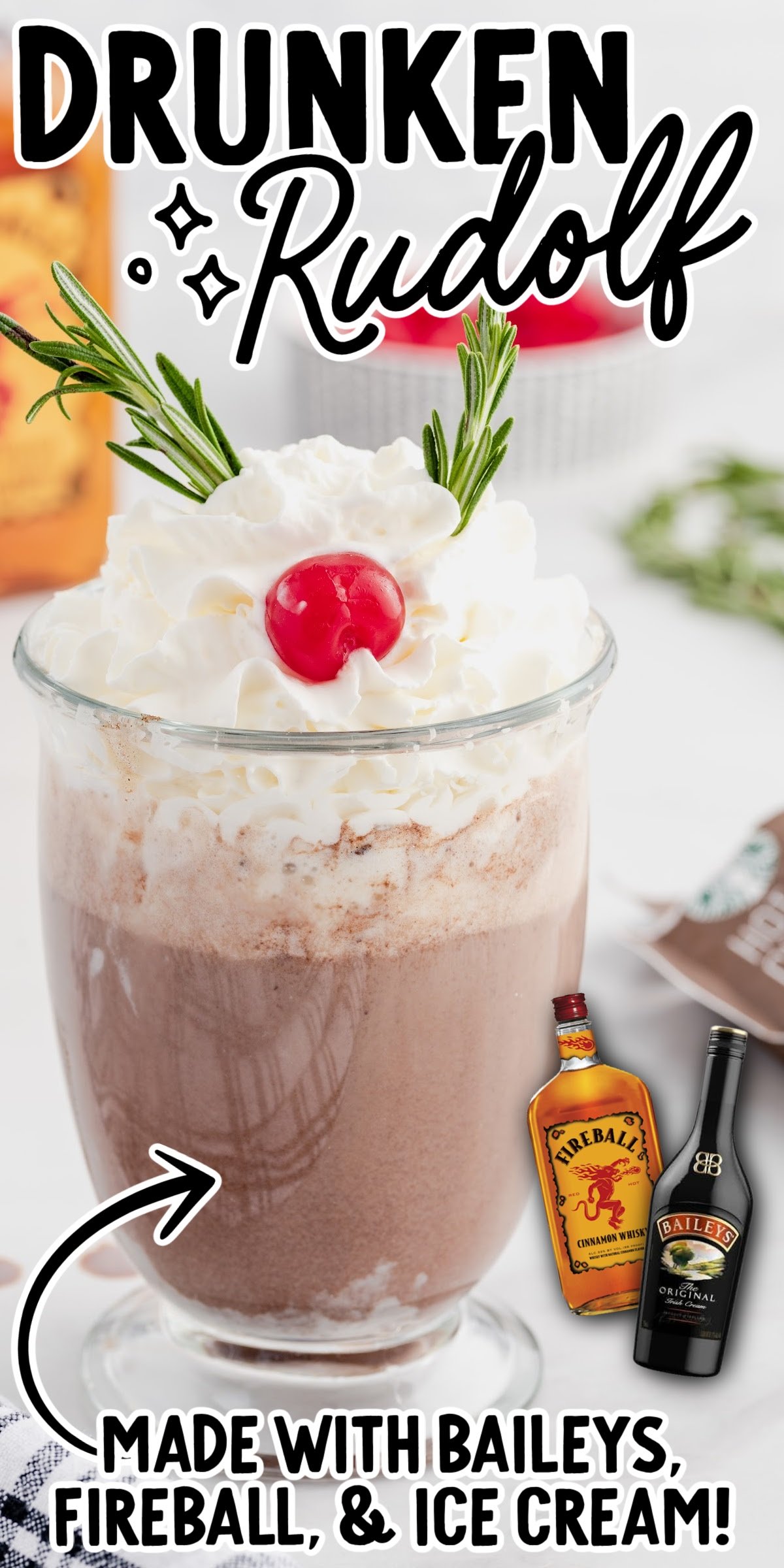
The hot chocolate and Fireball combo works best in winter because it combines the physiological warming effects of cinnamaldehyde and alcohol with the psychological comfort of a rich, high-calorie beverage. This synergy creates a "doub...
The hot chocolate and Fireball combo works best in winter because it combines the physiological warming effects of cinnamaldehyde and alcohol with the psychological comfort of a rich, high-calorie beverage. This synergy creates a "double-warming" sensation that balances sweet cocoa notes with sharp cinnamon spice, making it the ideal seasonal restorative.
Contents
The Physiological Science of the "Fireball Flush"
To understand why Fireball Cinnamon Whisky and hot chocolate feel so effective during the colder months, we must look at the chemical interaction between the ingredients and the human body. The sensation of warmth provided by this drink isn't just a matter of the liquid's temperature; it is a multi-sensory experience driven by specific chemical compounds.
Cinnamaldehyde and Thermoreception
Fireball is defined by its intense cinnamon flavor, which is derived from cinnamaldehyde. When you consume cinnamon, this organic compound interacts with TRPA1 (Transient Receptor Potential Ankyrin 1) receptors in the mouth and throat. These are the same sensory receptors that respond to pungent compounds in garlic and mustard. While they don't technically raise your core body temperature, they signal the brain that the area is "hot."
In the dead of winter, when the external environment is stripping heat from the body, this chemical trickery provides immediate sensory relief. When paired with the actual thermal heat of hot chocolate, the brain receives a reinforced message of warmth that is more profound than drinking plain tea or coffee.
Alcohol as a Vasodilator
The "burn" of the whisky comes from ethanol. Alcohol acts as a peripheral vasodilator, meaning it causes the blood vessels near the surface of the skin to expand. This allows more warm blood to flow from the body's core to the extremities. While this can be dangerous in extreme survival situations (as it can lower core temperature), in a controlled winter environment—such as after a day of skiing or while sitting by a fireplace—it creates a cozy, flushed feeling that counters the "tight" sensation of being cold.
The Role of Theobromine in Cocoa
Hot chocolate isn't just a carrier for the alcohol; it contributes its own active compounds. Cocoa contains theobromine, a mild stimulant and vasodilator similar to caffeine but with a smoother, longer-lasting effect. The combination of ethanol’s rapid vasodilation and theobromine’s sustained effect creates a unique "plateau" of comfort that lasts longer than a standard shot of spirits.
The Flavor Synergy: Balancing Sweet, Fat, and Spice
In culinary terms, the pairing of chocolate and cinnamon is a centuries-old tradition, most famously seen in Mexican drinking chocolate. The reason this specific combination—colloquially known as a "Cinnamon Toast Crunch" drink—works so well in winter is due to the balance of macronutrients and flavor profiles.
Cutting Through the Fat
A proper winter hot chocolate is usually made with whole milk or even heavy cream. While delicious, the high fat content can sometimes feel "cloying" or overly heavy on the palate. The sharp, spicy bite of Fireball acts as a perfect counterpoint. The alcohol and cinnamon "cut" through the richness of the dairy, cleansing the palate and making each subsequent sip as impactful as the first.
Complexity via Contrast
Chocolate has deep, earthy, and sometimes bitter notes (especially in higher cocoa percentages). Fireball is notoriously sweet and spicy. By combining them, you hit almost every major taste receptor:
- Sweet: From the whisky liqueur and the sugar in the cocoa.
- Bitter: From the dark cocoa solids.
- Spice: From the cinnamaldehyde.
- Creamy (Mouthfeel): From the milk fats.
This complexity is more satisfying during winter when our bodies naturally crave higher-calorie, more flavor-dense foods to compensate for the energy expended staying warm.
Why Winter Context Matters: Psychological and Social Factors
The "best" time for any food or drink is often dictated by context. The Fireball and hot chocolate combo thrives in winter because it aligns with seasonal "Apres-ski" culture and the psychological need for "Hygge"—the Danish concept of coziness and soul-comfort.
The Ritual of Recovery
In the winter, the act of coming inside from the cold is a transition ritual. A cold beer or a crisp white wine doesn't signal "thaw" to the brain. A steaming mug of spiked cocoa, however, serves as a sensory bridge between the harsh outdoor elements and the comfort of the indoors. The scent of cinnamon is also deeply tied to holiday memories and winter nostalgia, which can trigger the release of dopamine, further enhancing the "warming" effect of the drink.
Caloric Density and Survival Instincts
Human biology is programmed to seek out calorie-dense foods during cold weather. A standard cup of hot chocolate with a 1.5 oz pour of Fireball can easily reach 300-400 calories. While we no longer need these calories for survival in the modern 2026 environment, our primal instincts still find the combination of sugar, fat, and alcohol incredibly rewarding when the temperature drops below freezing.
Comparative Analysis: Winter Spirits in Hot Chocolate
While many spirits can be added to cocoa, Fireball offers a specific profile that differs from traditional choices like peppermint schnapps or dark rum.
| Spirit Type | Primary Flavor | Warming Sensation | Sweetness Level | Best Pairing |
|---|---|---|---|---|
| Fireball | Cinnamon/Spice | High (Chemical + Thermal) | High | Milk Chocolate / Dark Cocoa |
| Peppermint Schnapps | Menthol/Cool | Low (Cooling effect) | Very High | White Chocolate |
| Aged Dark Rum | Molasses/Oak | Medium (Alcohol only) | Low | Extra Dark Chocolate |
| Baileys Irish Cream | Vanilla/Cream | Low | Medium | Espresso/Mocha |
| Bourbon | Caramel/Char | Medium | Low | Salted Caramel Cocoa |
As the table illustrates, Fireball is unique because its flavor profile (cinnamon) actually contributes to the sensation of heat, whereas peppermint schnapps actually provides a "cooling" sensation that can feel counterintuitive in the middle of January.
Crafting the Perfect Fireball Hot Chocolate
To get the most out of this combo in 2026, the method of preparation matters. Using a microwave and "instant" powder often results in a thin, watery beverage that fails to support the weight of the whisky.
The Ideal Ratio
For a standard 10-ounce mug, the golden ratio is:
- 8 oz Liquid Base: Use whole milk or a 50/50 mix of milk and water.
- 2-3 tbsp Premium Cocoa: Look for "Dutched" cocoa for a smoother, less acidic taste.
- 1.5 oz Fireball Cinnamon Whisky: This provides the "kick" without overpowering the chocolate.
Preparation Steps
- Whisk the Cocoa: Heat your milk on the stovetop over medium heat. Do not let it boil, as this will scald the milk and create an off-flavor. Whisk in your cocoa powder and sugar until completely dissolved.
- The Tempering Phase: Before adding the alcohol, ensure the cocoa is around 160°F (71°C). If the liquid is too hot, the alcohol in the Fireball will evaporate too quickly, losing the "burn" that makes the combo effective.
- Incorporate the Fireball: Remove the pot from the heat and stir in the Fireball. This preserves the ABV (Alcohol by Volume) and the volatile aromatic compounds of the cinnamon.
- Aerate: If you want a truly professional texture, use a hand frother for 10 seconds. This creates a micro-foam that holds the cinnamon aroma right at the surface of the mug.
Enhancements and Modern Variations
By 2026, the "basic" hot chocolate has evolved. To further enhance the winter utility of this drink, consider these technical additions:
- The Cayenne Pinch: Adding a tiny pinch of cayenne pepper mimics the "heat" of the Fireball and extends the warming sensation in the back of the throat.
- Salted Rim: A rim of smoked sea salt can balance the high sugar content of the Fireball, making the drink more savory and complex.
- Whipped Maple Cream: Using maple syrup to sweeten your whipped cream topping complements the woodsy, Canadian origins of Fireball.
Safety, Moderation, and the "Beer Jacket" Myth
It is vital to address the safety aspect of this winter beverage. There is a common misconception known as the "beer jacket"—the belief that alcohol keeps you warm in the cold.
As mentioned previously, alcohol is a vasodilator. While this makes you feel warm because warm blood is moving to your skin, it is actually drawing heat away from your vital organs. If you are consuming a Fireball hot chocolate while actively outside in sub-zero temperatures (e.g., while shoveling snow or hiking), you must be careful. The combination of the hot liquid and the alcohol can mask the early signs of hypothermia or frostbite.
Expert Advice: Save the Fireball hot chocolate for the "indoor" phase of your winter activities. It is a recovery drink, not a performance enhancer for extreme cold exposure.
Frequently Asked Questions
Does Fireball hot chocolate have more caffeine than coffee?
No. While cocoa contains small amounts of caffeine and theobromine, a standard serving of hot chocolate usually contains about 5-10mg of caffeine, compared to 95mg in an average cup of coffee. The "energy" people feel from this combo is largely due to the sugar and the stimulating effect of the cinnamon.
Can I use Fireball with "instant" water-based hot cocoa?
You can, but it is not recommended. Fireball has a high sugar content and a syrupy consistency. Without the protein and fat of milk to bind to, the whisky tends to sit "heavy" at the bottom of the mug, leading to an inconsistent flavor where the first half is watery and the last half is overwhelmingly boozy.
Why does cinnamon make my throat feel hot?
This is due to cinnamaldehyde stimulating TRPA1 receptors. It is a form of "chemesthesis"—a chemical sensitivity that the brain interprets as thermal heat. It is the same reason chili peppers feel "hot" even if they are served cold.
Is there a non-alcoholic substitute that works the same way?
To replicate the heat without the alcohol, you can use a high-quality cinnamon syrup or a drop of food-grade cinnamon bark essential oil (very potent). However, you will lose the vasodilatory "flush" provided by the ethanol.
What is the shelf life of Fireball?
Fireball Cinnamon Whisky has a long shelf life due to its alcohol content and sugar. Once opened, it can stay shelf-stable for several years, though the intensity of the cinnamon flavor may slightly diminish over time if exposed to direct sunlight or high heat.
Practical Recommendation for Winter Success
To experience the ultimate winter "warm-up," avoid the temptation to just "pour a shot in a mug." Instead, focus on the quality of the cocoa. A high-fat, high-cocoa-solid dark chocolate provides the necessary structure to support the aggressive spice of the Fireball. For the best results, serve the drink at approximately 155°F (68°C) in a pre-warmed ceramic mug to retain heat as long as possible while you enjoy the cold scenery from a safe, warm vantage point.
Image Gallery