Understanding Stock Trading for Beginners: A Complete Guide to Starting in 2026
Understanding stock trading for beginners involves learning how to buy and sell shares of publicly traded companies through a brokerage account. To succeed, a beginner must grasp market mechanics, master fundamental and technical analy...
Understanding stock trading for beginners involves learning how to buy and sell shares of publicly traded companies through a brokerage account. To succeed, a beginner must grasp market mechanics, master fundamental and technical analysis, select a reputable trading platform, and implement strict risk management strategies to protect capital from market volatility.
Contents
Stock trading is often portrayed in popular media as a fast-paced, high-stress environment of shouting traders and flashing screens. In 2026, the reality is far more digital and accessible. Most trading now occurs through sophisticated mobile apps and desktop platforms, allowing individuals to participate in global markets with as little as a few dollars. However, the ease of access does not reduce the complexity of the underlying financial principles. This guide breaks down the essential components of stock trading to provide a clear roadmap for those just starting their journey.
What is Stock Trading?
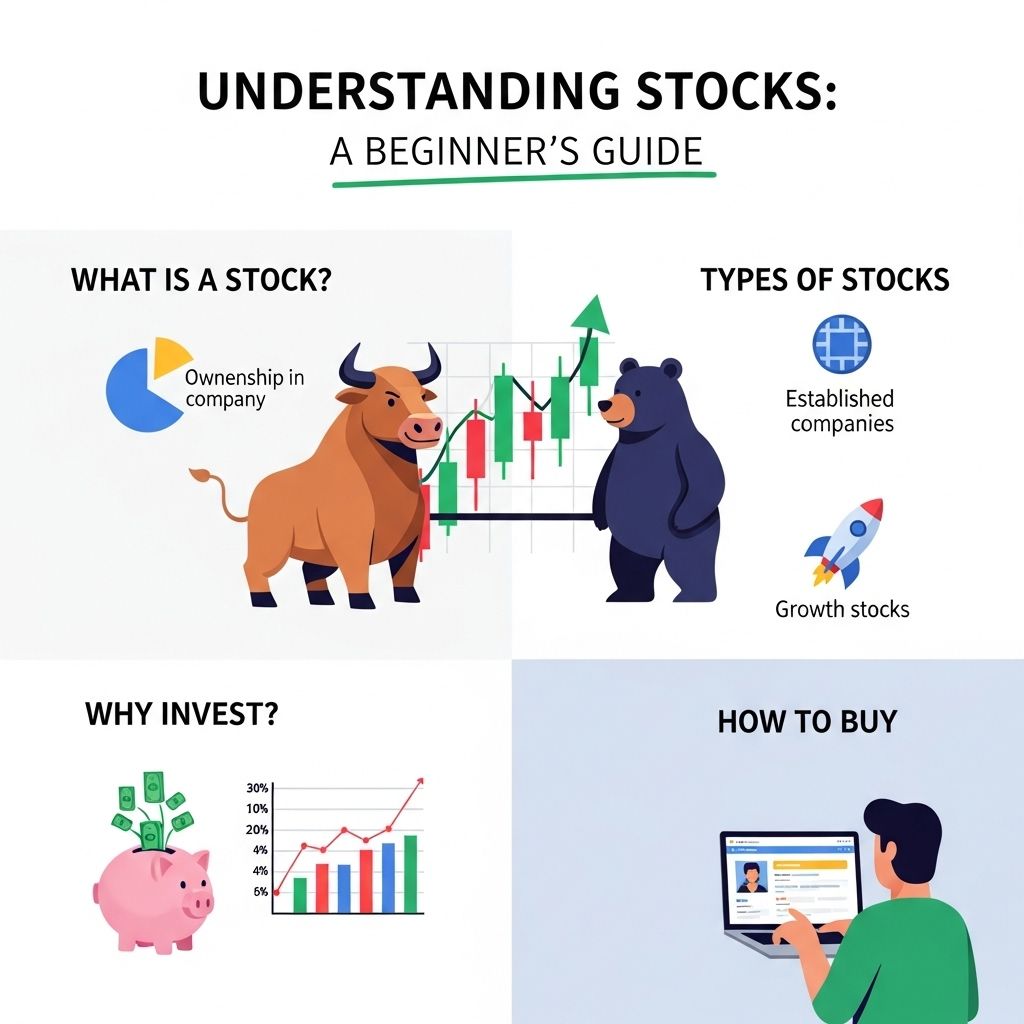
At its core, a stock (also known as shares or equity) represents a fractional ownership interest in a corporation. When you buy a stock, you are purchasing a small piece of that company’s assets and earnings. Stock trading is the act of buying and selling these shares frequently in an attempt to capitalize on daily price fluctuations.
Unlike long-term investing, which typically involves holding assets for years or decades to benefit from gradual growth and dividends, trading is often more short-term. Traders focus on the technical movements of the market and economic news cycles to enter and exit positions within weeks, days, or even minutes.
The Role of the Stock Exchange
Stocks are traded on exchanges, which act as regulated marketplaces where buyers and sellers meet. The most prominent exchanges in the United States are the New York Stock Exchange (NYSE) and the NASDAQ. In 2026, these exchanges operate almost entirely electronically, ensuring that trades are executed in milliseconds. The exchange ensures transparency, liquidity, and fairness, governed by oversight bodies such as the U.S. Securities and Exchange Commission (SEC).
Essential Prerequisites for Beginner Traders
Before placing your first trade, you must establish a functional and legal foundation. Trading is not merely about clicking a "buy" button; it requires specific tools and a clear financial boundary.
1. The Brokerage Account
You cannot buy stocks directly from the NYSE. You need a broker, an intermediary authorized to execute trades on your behalf. In 2026, most beginners opt for discount online brokers or "neo-brokers" that offer zero-commission trades on stocks and Exchange-Traded Funds (ETFs). When choosing a broker, consider the following:
- Regulation: Ensure the broker is a member of the Financial Industry Regulatory Authority (FINRA) and the Securities Investor Protection Corporation (SIPC).
- Platform Usability: Does the app provide real-time data, or is there a delay?
- Educational Resources: Many platforms now include AI-driven insights and comprehensive tutorials for beginners.
2. Capital and the "Risk Fund"
Never trade with money you cannot afford to lose. This include funds reserved for rent, insurance, or emergency savings. Most experts recommend starting with a dedicated "trading bankroll." Because of the prevalence of fractional shares in 2026, you can start trading with as little as $10 to $100, purchasing a small slice of high-priced stocks like Amazon or Berkshire Hathaway.
3. Market Education
Understanding the "why" behind price movements is critical. This involves learning two primary schools of thought:
- Fundamental Analysis: Evaluating a company's financial health, including its earnings reports, debt-to-equity ratio, and management strength.
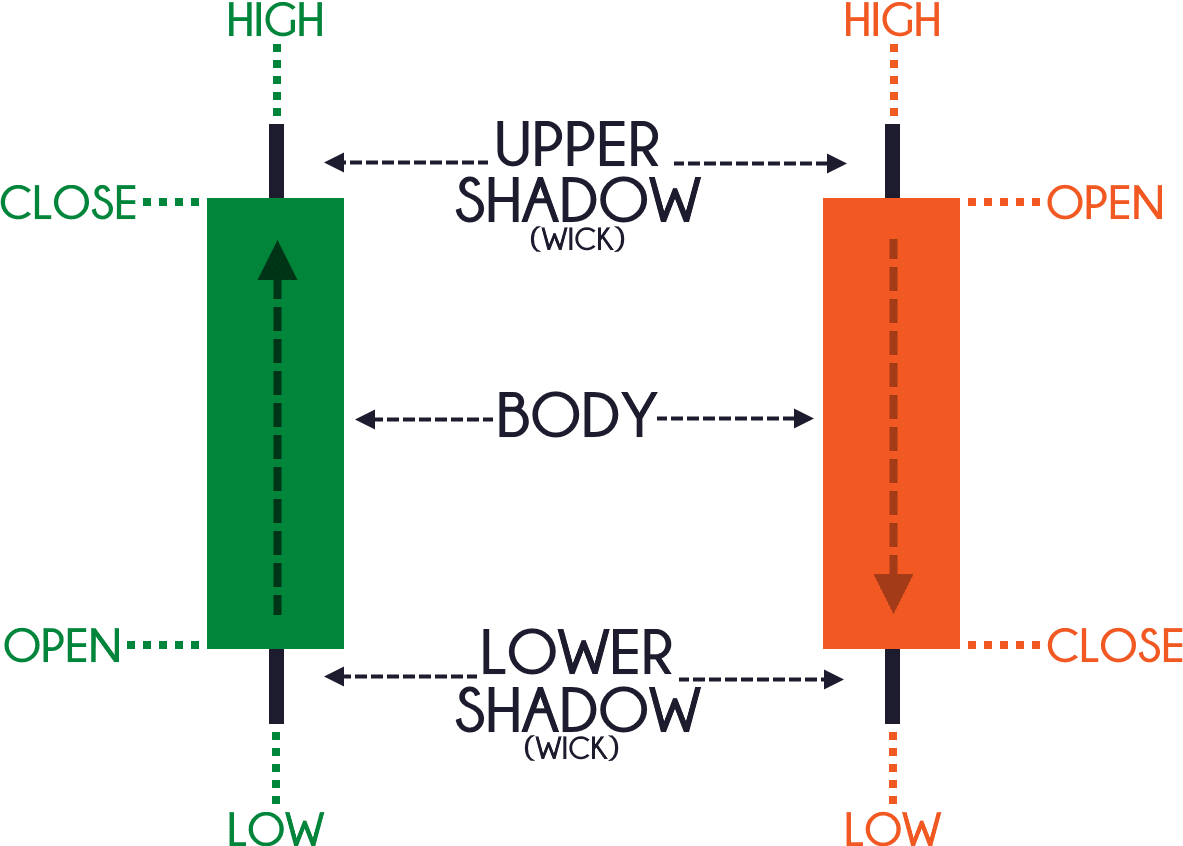
- Technical Analysis: Studying historical price charts and using statistical indicators (like Moving Averages or the Relative Strength Index) to predict future price direction.
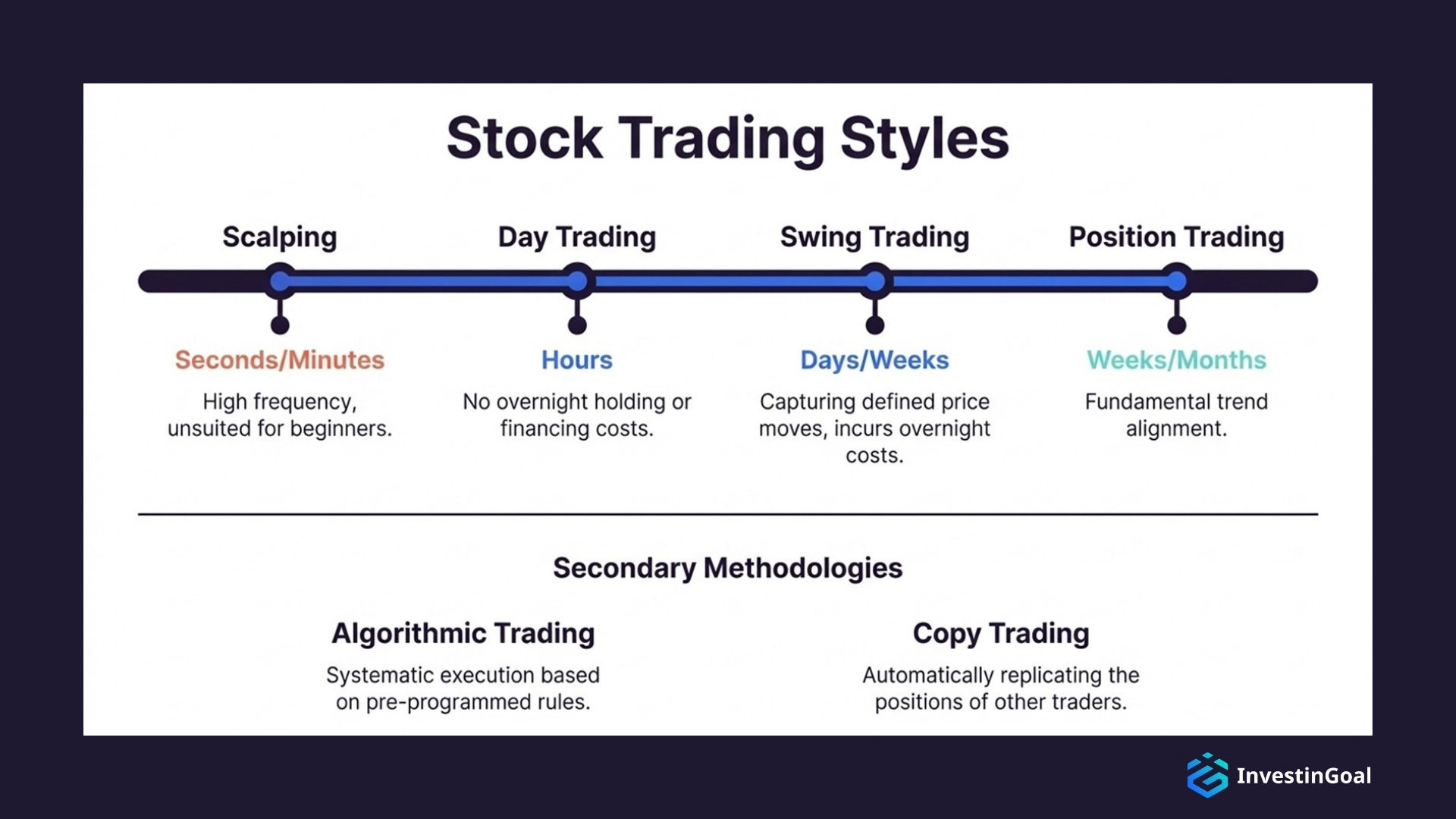
Common Trading Styles
Not all trading is the same. Beginners should identify which style aligns with their personality, time availability, and risk tolerance.
| Trading Style | Time Horizon | Activity Level | Risk Profile |
|---|---|---|---|
| Day Trading | Minutes to Hours | Very High | High |
| Swing Trading | Days to Weeks | Moderate | Medium |
| Position Trading | Months to Years | Low | Low to Medium |
| Scalping | Seconds to Minutes | Extremely High | Very High |
Day Trading
Day traders buy and sell stocks within the same trading day. They do not hold positions overnight to avoid the risk of "gapping"—when a stock price changes significantly while the market is closed. This style requires constant monitoring of the markets and is generally discouraged for absolute beginners due to its high intensity.
Swing Trading
This is often the most practical style for beginners who have full-time jobs. Swing traders look for "swings" in price over several days or weeks. They rely heavily on technical analysis to find entry points where a stock is likely to break out of a pattern.
Understanding Order Types
When you are ready to trade, you must tell your broker exactly how you want to buy or sell. Using the wrong order type can lead to unexpected losses, especially in volatile markets.
- Market Order: An instruction to buy or sell a stock immediately at the best available current price. While it guarantees execution, it does not guarantee the price.
- Limit Order: An instruction to buy or sell a stock only at a specific price or better. For a buy limit order, the trade only executes at your price or lower. This gives you control over the cost but might result in the trade not being filled if the price moves away from you.
- Stop-Loss Order: A critical risk management tool. It automatically sells your stock if the price drops to a certain level, preventing further losses. In 2026, "trailing stops" are also popular, which adjust the sell trigger upward as the stock price rises.
The Mechanics of a Trade: Bid, Ask, and Spread
To understand stock trading, you must understand how prices are quoted. You will always see two prices for a stock:
- The Bid: The highest price a buyer is willing to pay.
- The Ask: The lowest price a seller is willing to accept.
- The Spread: The difference between the Bid and the Ask.
If a stock has a Bid of $100.00 and an Ask of $100.05, the spread is $0.05. For high-volume stocks (blue chips), the spread is usually very thin. For low-volume "penny stocks," the spread can be large, making it difficult to turn a profit because you are effectively "down" the moment you buy the stock.
Risk Management: The Golden Rule
The primary goal of a beginner trader is not to make a million dollars, but to stay in the game. Most novice traders fail because they risk too much on a single "hot tip."
The 1% Rule
A common strategy is never to risk more than 1% of your total account value on a single trade. For example, if you have a $5,000 trading account, you should not lose more than $50 on any one trade. This is achieved by setting stop-loss orders at a level where your total loss equals $50, regardless of how many shares you bought.
Diversification
Even in short-term trading, putting all your capital into one sector (like Tech or Energy) is dangerous. If that sector faces a regulatory hurdle or economic downturn, your entire portfolio will suffer. Spread your trades across different industries to mitigate unsystematic risk.
Step-by-Step Guide to Your First Trade
- Open and Fund Your Account: Choose a broker, complete the "Know Your Customer" (KYC) identity verification, and link your bank account.
- Practice with Paper Trading: Most platforms in 2026 offer "paper trading" simulators. These allow you to trade with fake money in real market conditions. Spend at least two weeks practicing before using real capital.
- Select a Stock to Watch: Don't try to track the whole market. Pick 3-5 well-known companies and follow their news and price movements daily.
- Perform Your Analysis: Look at the company’s recent earnings and check the 50-day moving average. Is the stock trending up, down, or sideways?
- Set Your Exit Strategy: Before you enter the trade, decide at what price you will sell for a profit (Target) and at what price you will sell to cut your losses (Stop).
- Execute a Small Trade: Start with a very small position—perhaps just 1 or 2 shares—to experience the emotional reality of having "skin in the game."
Costs and Tax Implications
Trading is not free, even with "zero-commission" brokers. Beginners must account for:
- Regulatory Fees: Small fees charged by the SEC and FINRA on every sell order.
- Capital Gains Taxes: In many jurisdictions, profits from stocks held for less than a year are taxed at a higher "short-term" rate compared to long-term investments. Consult a tax professional regarding your specific 2026 tax obligations.
- Opportunity Cost: The time you spend trading could be spent on other income-generating activities. Ensure the potential return justifies the effort.
Common Mistakes to Avoid
- Chasing the Hype: Buying a stock because it is trending on social media usually means you are too late to the party.
- Emotional Trading: "Revenge trading" occurs when a trader loses money and immediately places another, riskier trade to try and win it back. This almost always leads to further losses.
- Ignoring the News: Major economic events, such as Federal Reserve interest rate announcements or employment reports, can cause massive market swings that ignore technical patterns.
Summary of Key Terms for Beginners
- Bull Market: A market characterized by rising prices and investor optimism.
- Bear Market: A market characterized by falling prices and widespread pessimism.
- Volatility: The speed and magnitude of price changes. High volatility means higher risk and higher potential reward.
- Volume: The total number of shares traded during a specific period. High volume confirms the strength of a price movement.
Frequently Asked Questions
How much money do I need to start trading stocks?
In 2026, you can start with as little as $1 to $10 thanks to fractional shares offered by most major brokerages. However, to see meaningful gains after considering the time spent on research, many experts suggest starting with at least $500 to $1,000, provided this is discretionary "risk" capital.
Can I lose more than I invest?
If you are buying standard stocks (going "long"), the most you can lose is the amount you invested (if the company goes to zero). However, if you use margin (borrowed money from your broker) or engage in "short selling," you can lose significantly more than your initial investment. Beginners should avoid margin trading entirely.
Is stock trading the same as gambling?
While both involve risk and probability, trading is based on economic data, company performance, and market psychology. Successful traders use a "positive expectancy" strategy, meaning that over hundreds of trades, their wins outweigh their losses. Gambling typically has a "house edge" that ensures the player loses over time.
What is the best time of day to trade?
For beginners, the first and last hours of the market day (9:30 AM–10:30 AM and 3:00 PM–4:00 PM EST) are the most volatile and often the most dangerous. Many new traders find more success during the "mid-day lull" when price movements are more predictable and less erratic.
Do I need a degree in finance to trade stocks?
No. While a background in math or economics helps, many successful traders are self-taught. The most important traits are discipline, emotional control, and a willingness to continuously learn from mistakes.
Next Steps for the Aspiring Trader
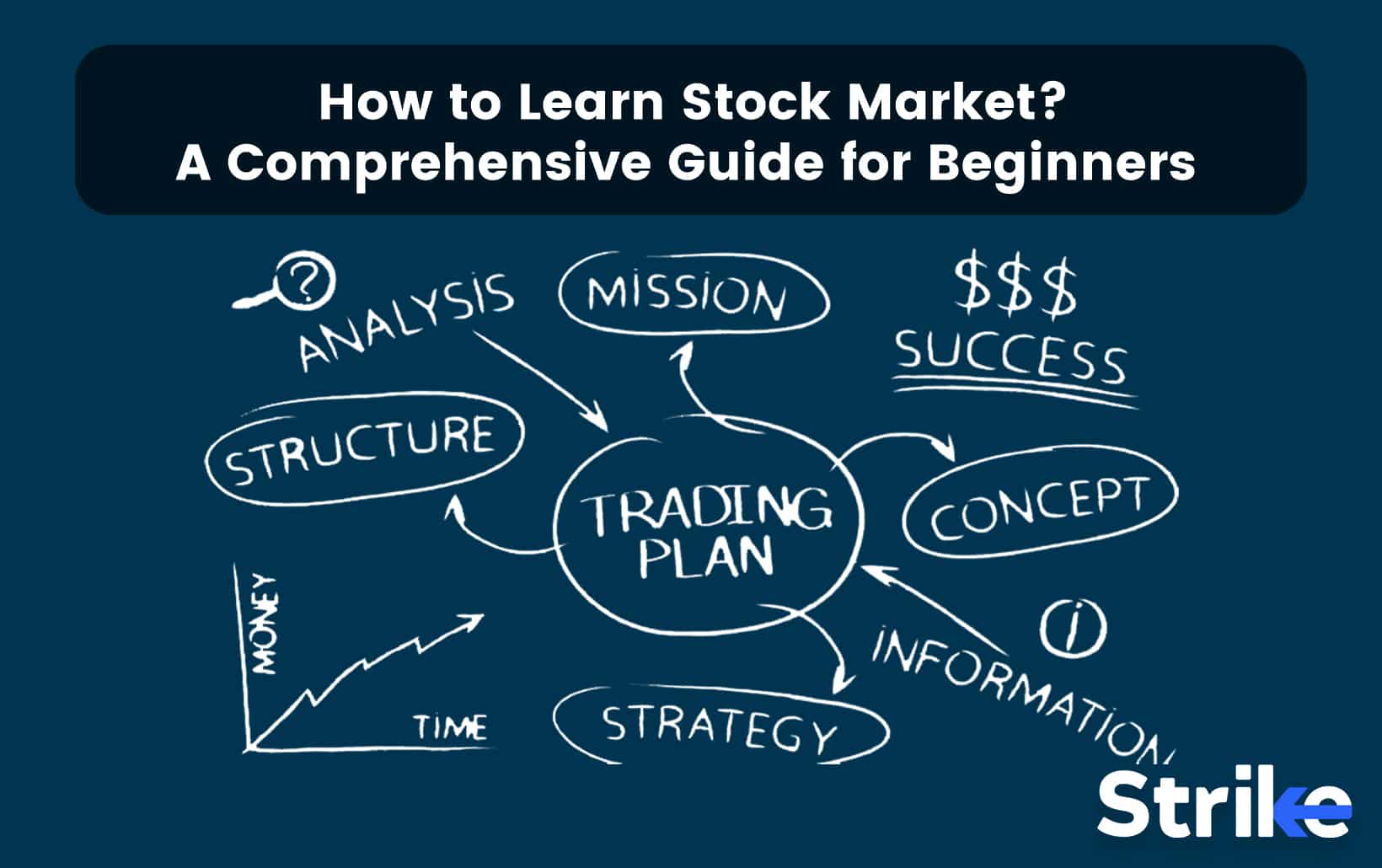
Your next action should be to open a demo or paper trading account. This allows you to navigate the software and test strategies without financial risk. While you practice, focus on developing a "Trading Plan"—a written document that outlines exactly what you will trade, when you will enter, and how you will manage your risk. Consistency is the hallmark of a professional; treat trading as a business from day one, and you will be ahead of 90% of other beginners.
Image Gallery