Understanding the Inmate Search: South Carolina Department of Corrections Portal
Searching for an individual within the South Carolina Department of Corrections (SCDC) requires using the official Inmate Search portal, a public database providing real-time information on incarcerated persons. To locate an inmate as...
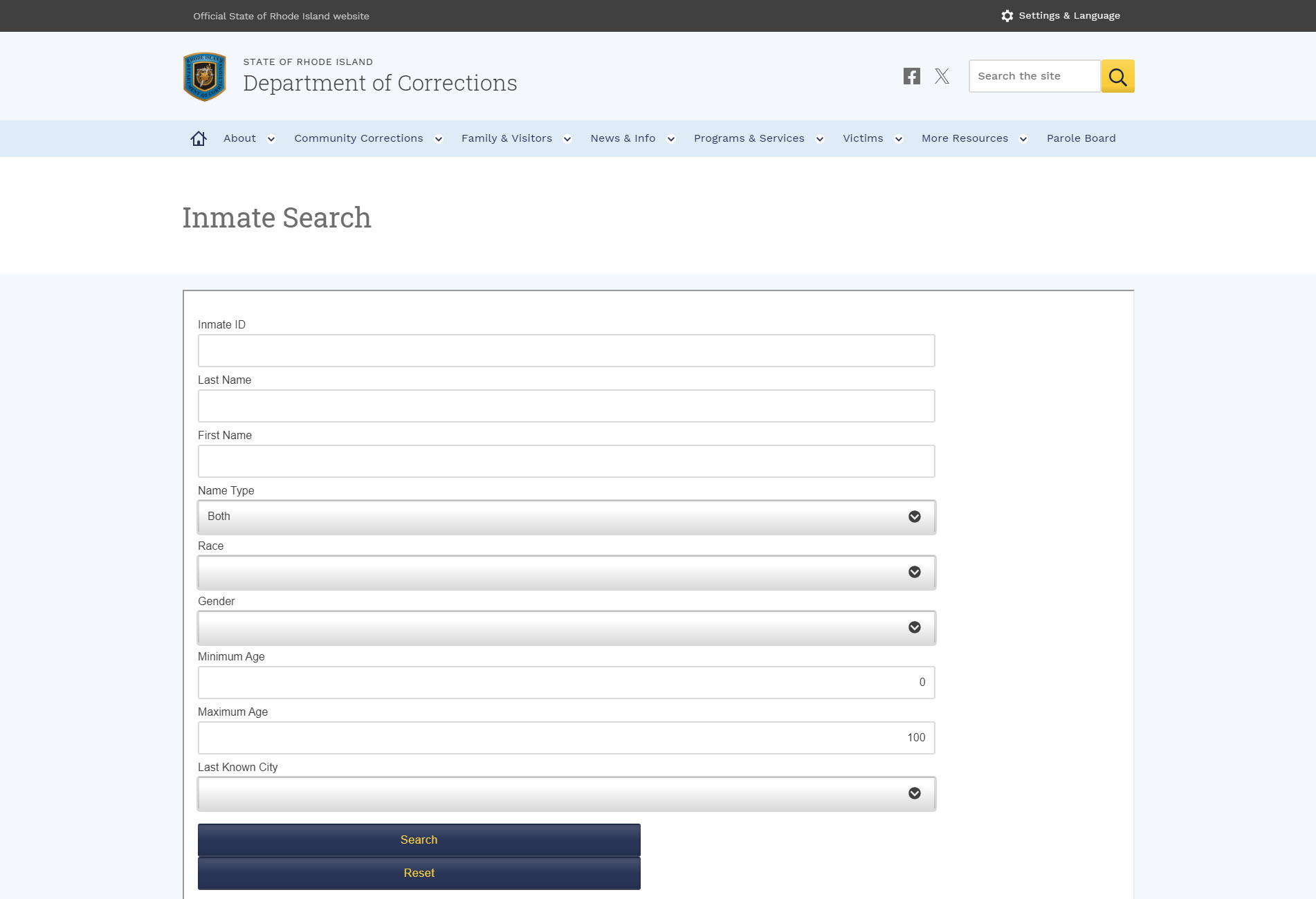
Searching for an individual within the South Carolina Department of Corrections (SCDC) requires using the official Inmate Search portal, a public database providing real-time information on incarcerated persons. To locate an inmate as of 2026, you need either their unique SCDC ID number or their legal first and last name. This tool displays location, sentencing details, and projected release dates.
Contents
Navigating the SCDC Inmate Search System
The South Carolina Department of Corrections (SCDC) maintains a comprehensive digital repository of all individuals currently serving sentences within the state’s prison system. Understanding how to navigate this system is essential for family members, legal representatives, and victims of crime who require up-to-date information regarding an inmate's status. The primary purpose of the inmate search South Carolina Department of Corrections portal is to provide transparency and ensure public safety by allowing citizens to verify the location and incarceration status of state prisoners.
As of 2026, the SCDC operates several dozen facilities across the state, ranging from minimum-security camps to maximum-security institutions. Because the inmate population is fluid—with transfers occurring due to security reclassifications, medical needs, or program assignments—the online locator is the most reliable way to determine exactly where an individual is being housed at any given moment.
Requirements and Search Parameters
Before accessing the portal, it is helpful to gather as much identifying information as possible. The system is designed to be user-friendly, but specific data points will yield more accurate results, especially when searching for individuals with common surnames.
The SCDC ID Number
The most efficient way to conduct a search is by using the SCDC ID number. This is a unique six-digit identifier assigned to every individual upon their entry into the state prison system. Unlike names, which can be shared by multiple inmates, the SCDC ID is exclusive to one person. If you have this number, the search results will bypass all other entries and take you directly to the specific inmate's profile.
Name-Based Searches
If the SCDC ID is unknown, you can search using the inmate's legal name. The portal requires at least a last name to function. However, using just a last name in a state with a large prison population often results in hundreds of matches. To narrow the results, you should:
- Enter a First Name: Providing even a partial first name can significantly filter the list.
- Use the Phonetic Search Option: The SCDC system often includes a "Sounds Like" or phonetic search feature. This is particularly useful if you are unsure of the exact spelling of a name or if the name was recorded with a common clerical error.
- Check for Aliases: Some inmates are processed under aliases or "street names." However, the official search tool primarily relies on the legal name provided during sentencing.
Step-by-Step Instructions for Using the Online Locator
Accessing the records is a straightforward process, but following these steps ensures you do not encounter technical errors or misleading information.
- Access the Official Website: Navigate to the South Carolina Department of Corrections official website. Look for the "Inmate Information" or "Inmate Search" link, typically located prominently on the homepage.
- Agree to the Disclaimer: Before viewing records, users are generally required to acknowledge a disclaimer. This statement clarifies that the information provided is for public convenience and that the SCDC does not guarantee the absolute real-time accuracy of the data due to processing delays.
- Input Data: Enter the SCDC ID or the Last Name and First Name into the designated fields. Avoid using titles (like Mr. or Jr.) unless specifically prompted.
- Review the Search Results Table: The system will generate a list of matches. This table usually displays the inmate’s full name, SCDC ID, and their current assigned facility.
- Select the Inmate Profile: Click on the inmate’s name or ID number to open their full public record. This page contains the detailed information necessary for visitation, mail, or legal inquiries.
Interpreting Search Results and Inmate Profiles
Once you have successfully located the individual, the profile page provides a wealth of data. It is important to understand what each field represents to avoid misinterpreting the inmate's legal status.
Physical Description and Identification
Each profile includes a mugshot (typically the most recent photo taken during intake or reclassification), along with physical descriptors such as height, weight, race, and identifying marks like tattoos or scars. This ensures that the user has located the correct individual.
Custody Level and Location
The "Assigned Location" field tells you which institution currently houses the inmate. Below this, you may see a "Custody Level" (e.g., Level 1, 2, or 3).
- Level 1: Minimum security, often for inmates nearing release or those with non-violent histories.
- Level 2: Medium security, featuring more restrictive movement.
- Level 3: High security, reserved for violent offenders or those with significant disciplinary issues.
Sentencing and Release Dates
One of the most frequently checked sections is the sentencing data. You will see several dates:
- Admission Date: When the inmate first entered SCDC custody for the current offense.
- Projected Release Date: An estimate of when the inmate will be released, accounting for "good time" or work credits earned. This date is subject to change based on future behavior or loss of credits.
- Projected Parole Eligibility: If the inmate is eligible for parole, this date indicates the earliest they can appear before the South Carolina Board of Paroles and Pardons.
Comparison: State Prison Search vs. Local Jail Search
A common mistake is attempting to use the SCDC portal to find someone who was recently arrested. The SCDC only houses individuals who have been convicted of a felony and sentenced to more than 90 days of incarceration.
| Feature | SCDC Inmate Search (State) | County Jail Search (Local) |
|---|---|---|
| Population | Convicted felons (sentences > 90 days) | Pre-trial detainees & short-term sentences |
| Jurisdiction | State of South Carolina | Individual Counties (e.g., Richland, Charleston) |
| Data Depth | Extensive (Sentencing, ID, Photos, History) | Limited (Booking date, Charges, Bond amount) |
| Updates | Daily/Periodic | Near real-time (Booking/Release) |
| Notification | Integrated with VineLink | Varies by county |
If you cannot find an individual in the SCDC database, they may still be held at a county detention center awaiting trial. In such cases, you must visit the specific website for the sheriff's office in the county where the arrest occurred.
Communication and Support Services for Inmates
Finding an inmate is often the first step toward establishing communication. Once you have the inmate's SCDC ID and location from the search tool, you can utilize the authorized vendors for communication and financial support.
Sending Money
As of 2026, the SCDC uses centralized services like Global Tel Link (GTL) or Viapath to manage inmate trust accounts. You will need the inmate’s full name and SCDC ID to deposit funds. These funds allow inmates to purchase items from the commissary, such as hygiene products, snacks, and stationery.
Mail and Visitation
Mail must be addressed specifically to the institution found in the search results. Most facilities have transitioned to digital mail scanning services to prevent contraband. Furthermore, visitation is not guaranteed; you must typically be on the inmate’s "Approved Visitor List." The search portal provides the facility name, which you can then use to look up specific visitation hours and dress code requirements for that location.
Phone Calls and Messaging
Inmates cannot receive incoming phone calls. However, they can make outgoing collect calls or use prepaid accounts funded by family members. Some facilities also offer tablet-based messaging services, which are monitored by SCDC staff for security purposes.
Privacy, Accuracy, and Troubleshooting Common Search Issues
While the inmate search South Carolina Department of Corrections tool is highly effective, users occasionally encounter difficulties.
Why Can't I Find an Inmate?
If a search yields no results, consider the following possibilities:
- The Inmate was Released: The SCDC database primarily lists currently incarcerated individuals. Once a sentence is fully served, the name is often moved to a different historical archive or removed from the active locator.
- Recent Transfer: If an inmate is in transit between two facilities, their status might temporarily show as "In Transit" or may not update for 24–48 hours.
- Incorrect Jurisdiction: Ensure the person was sentenced in South Carolina state court. Federal prisoners or those in other states will not appear in this database.
- Safekeepers: In some cases, individuals are held in SCDC facilities as "safekeepers" for counties. Their information visibility may be restricted depending on legal status.
Accuracy of Information
The SCDC makes every effort to provide accurate data, but users should be aware that "Projected Release Dates" are calculations, not guarantees. Legal appeals, disciplinary actions, or changes in state law regarding sentencing credits can all shift these dates. For official legal purposes, a certified copy of the sentencing document from the Clerk of Court in the county of conviction is the only definitive record.
Frequently Asked Questions
Can I see an inmate's full criminal history through the SCDC search?
The SCDC portal shows the current convictions for which the inmate is serving time in the state system. While it may list some prior SCDC incarcerations, it is not a comprehensive "rap sheet." For a full criminal history, you would need to request a background check through the South Carolina Law Enforcement Division (SLED).
Is there a fee to use the South Carolina inmate search?
No, the search tool provided by the South Carolina Department of Corrections is a free public service. You should be wary of third-party websites that ask for payment to "search records," as they are often just scraping data that the state provides for free.
How often is the SCDC inmate database updated?
The database is generally updated every 24 hours. However, data entry for new admissions can take a few business days to process through the intake centers (such as Kirkland Reception and Evaluation Center).
Does the search tool show inmates in juvenile detention?
No. Records for juveniles (those under age 17 or 18 depending on the offense) are protected under privacy laws and are managed by the South Carolina Department of Juvenile Justice (DJJ), not the SCDC. These records are not available through public search portals.
Can I find out if an inmate has been granted parole?
Yes. The profile will usually update the "Status" or "Projected Release" once a parole board decision has been officially processed. However, for the most detailed parole information, you should consult the South Carolina Department of Probation, Parole and Pardon Services (SCDPPPS).
Practical Recommendation for Users
When using the SCDC inmate search, always record the SCDC ID number once you find the correct individual. This number is the "golden key" for all future interactions, including setting up phone accounts, sending mail, and registering for victim notification services like VineLink. If you are a victim of a crime, do not rely solely on the manual search; register for automated alerts through the South Carolina SAVIN (Statewide Automated Victim Information and Notification) system to receive real-time updates on status changes or releases.
Image Gallery