Navigating Auto Insurance Laws in Wisconsin: Requirements, Coverage, and Penalties
Wisconsin law mandates that all registered vehicle owners and operators maintain a minimum level of liability insurance or an approved alternative financial responsibility. Failure to comply can result in severe financial penalties, dr...
Wisconsin law mandates that all registered vehicle owners and operators maintain a minimum level of liability insurance or an approved alternative financial responsibility. Failure to comply can result in severe financial penalties, driver’s license suspension, and registration revocation enforced by the Wisconsin Department of Transportation (WisDOT).
Contents
The Legal Framework of Wisconsin Auto Insurance
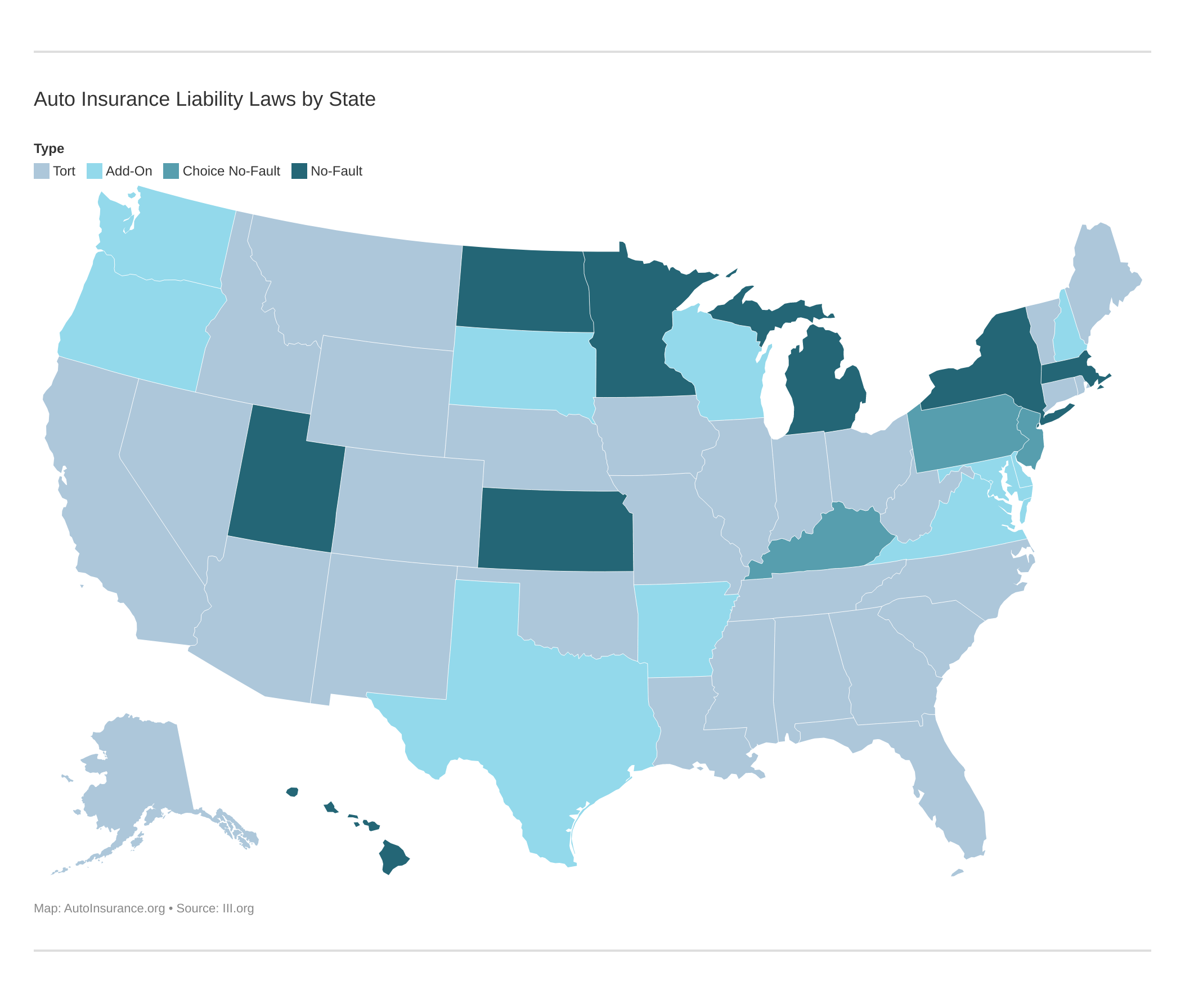
Wisconsin operates under a traditional "fault" system (also known as a tort system) for motor vehicle accidents. Unlike "no-fault" states, where drivers turn to their own insurance companies for injury claims regardless of who caused the crash, Wisconsin places financial responsibility directly on the driver who caused the collision.
Under this framework, injured parties can pursue compensation through several avenues:
- Filing a claim with their own insurance company, which may then subrogate against the at-fault driver's carrier.
- Filing a third-party claim directly against the at-fault driver's insurance provider.
- Filing a personal injury or property damage lawsuit against the at-fault driver in civil court.
Because Wisconsin is a fault state, establishing liability is critical. The state also follows a modified comparative negligence rule (Wisconsin Statute § 895.045). Under this statute, an injured person can recover damages only if their percentage of fault is less than or equal to 50%. If a driver is found to be 51% or more at fault for the accident, they cannot recover any damages from other participating parties. Furthermore, any compensation awarded is reduced by the exact percentage of the claimant's own negligence.
Mandatory Coverage Requirements in Wisconsin
To drive legally on public roads in Wisconsin, motorists must purchase liability insurance that meets or exceeds state-mandated minimum limits. These limits represent the maximum payout the insurance company will provide per accident for bodily injury and property damage.
The statutory minimum limits in Wisconsin are commonly referred to as 25/50/10:
- $25,000 for injury or death of one person in any single accident.
- $50,000 for total injury or death liability when multiple people are injured in a single accident.
- $10,000 for property damage to another person’s vehicle or physical property in a single accident.
Understanding the 25/50/10 Limits
While these figures represent the absolute legal minimum, insurance experts and regulatory bodies strongly recommend purchasing higher limits. Medical care and vehicle repair costs frequently exceed these thresholds. If a driver causes an accident resulting in $40,000 of property damage, but only carries the mandatory $10,000 limit, they are personally responsible for the remaining $30,000. Creditors can pursue personal assets, bank accounts, and future wages to satisfy a civil judgment.
Mandatory Uninsured Motorist (UM) Coverage
In addition to liability insurance, Wisconsin is one of the few states that legally mandates Uninsured Motorist (UM) coverage for bodily injury.
According to Wisconsin Statute § 632.32(4), every auto insurance policy issued or delivered in the state must include:
- A minimum of $25,000 per person and $50,000 per accident for bodily injury caused by an uninsured motorist.
- Coverage that also applies when injuries are caused by a hit-and-run driver whose identity cannot be established.
This requirement protects policyholders if they are struck by a driver who completely lacks insurance. However, the state does not mandate Underinsured Motorist (UIM) coverage (though insurers are required to offer it), nor does it mandate collision or comprehensive coverage for one's own vehicle unless required by a lender.
Wisconsin Auto Insurance Requirements at a Glance
| Coverage Type | Minimum Required Limit | Purpose |
|---|---|---|
| Bodily Injury Liability | $25,000 per person / $50,000 per accident | Pays for injuries or death caused to others when you are at fault. |
| Property Damage Liability | $10,000 per accident | Pays for damage caused to another person’s property or vehicle. |
| Uninsured Motorist (UM) | $25,000 per person / $50,000 per accident | Covers your medical expenses if you are hit by a driver with no insurance. |
Proof of Insurance and Electronic Verification
Wisconsin drivers must carry proof of insurance whenever they operate a motor vehicle. This proof can be displayed via a physical insurance card issued by the provider or in an electronic format on a smartphone or mobile device.
Law enforcement officers may request proof of insurance during routine traffic stops, at accident scenes, or during checkpoint operations. Additionally, the Wisconsin Department of Transportation utilizes online verification systems to randomly sample registered vehicles and confirm active policy status.
Penalties for Driving Without Insurance
Operating a motor vehicle without proof of insurance in Wisconsin carries strict administrative and financial penalties. Consequences for a first-time or subsequent offense include:
- A forfeiture (fine) of up to $500 for failing to provide proof of insurance.
- Additional court costs and administrative fees.
- Suspension of vehicle registration and driving privileges until valid proof of insurance is provided to WisDOT.
- Requirement to file an SR-22 form (Certificate of Financial Responsibility) for three years, which typically results in substantially higher insurance premiums.
Alternatives to Traditional Liability Insurance
While purchasing a standard auto liability policy is the method chosen by the vast majority of motorists, Wisconsin law provides alternative ways to prove financial responsibility for individuals or commercial fleets that qualify:
- Self-Insurance: Granted by the Office of the Commissioner of Insurance (OCI) to individuals or corporations owning a large fleet of vehicles (typically 25 or more), provided they deposit substantial securities or bonds with the state treasurer.
- Real Estate Bonds: Depositing a surety bond or real estate bond with the state that meets or exceeds the statutory liability limits.
- Cash or Securities Deposit: Depositing cash or approved securities directly with the state treasurer in an amount matching statutory liability minimums.
Frequently Asked Questions
Is Wisconsin a no-fault state for car insurance?
No. Wisconsin is a traditional fault state. The driver who is legally determined to be at fault for causing an accident is financially responsible for the resulting damages, medical bills, and vehicle repairs through their liability insurance carrier.
What happens if I am hit by a driver who has no insurance?
If you are hit by an uninsured driver in Wisconsin, your mandatory Uninsured Motorist (UM) bodily injury coverage will help pay for your medical bills and related damages up to your policy limits. For property damage to your car, you would need to rely on your own collision coverage if you purchased it, or pursue the at-fault driver directly through the civil court system.
Do I need to carry my insurance card digitally in Wisconsin?
Yes. Wisconsin law officially recognizes electronic proof of insurance. Law enforcement officers are required to accept digital insurance cards displayed on mobile phones or electronic devices during traffic stops or accident investigations.
What is an SR-22 form and when is it required?
An SR-22 is a certificate of financial responsibility that an insurance company files with the state on behalf of a driver. It is not an insurance policy itself, but rather an endorsement proving that you carry at least the state-mandated minimum liability limits. It is typically required after major traffic violations, DUI/OWI convictions, or driving without insurance.
Can my insurance company drop me after an accident in Wisconsin?
Insurance companies can cancel or non-renew policies under specific guidelines established by Wisconsin insurance regulations. However, insurers generally cannot cancel a policy mid-term solely for a single minor at-fault accident, though they may adjust your premium rates or choose not to renew the policy at its annual expiration date.
Next Steps for Wisconsin Motorists
To ensure full compliance with Wisconsin auto insurance laws, review your current policy declarations page to verify that your liability limits meet or exceed the statutory minimums of 25/50/10, and confirm that your mandatory Uninsured Motorist coverage is active. If you drive frequently, consider purchasing higher liability limits and optional collision or underinsured motorist coverage to protect your personal assets from catastrophic financial loss in the event of a severe accident.
Image Gallery