How to Change State Farm Auto Insurance to a New Vehicle
To update your State Farm auto insurance policy for a newly purchased vehicle, you need to provide your agent or customer service representative with the vehicle's unique 17-character Vehicle Identification Number (VIN), the exact purc...
To update your State Farm auto insurance policy for a newly purchased vehicle, you need to provide your agent or customer service representative with the vehicle's unique 17-character Vehicle Identification Number (VIN), the exact purchase or lease date, mileage, and financing information if applicable, ensuring your coverage seamlessly transitions from your old car or expands to your multi-vehicle garage.
Contents
Navigating the logistics of purchasing a new car involves numerous moving parts, from securing financing and registering the title to ensuring your investment is properly protected from the moment you drive off the lot. When your vehicle of choice changes, updating your auto insurance policy is not just a regulatory necessity—it is a critical financial safeguarding step. State Farm provides structured guidelines and grace periods for policyholders looking to transition coverage to a new vehicle, but understanding the precise mechanics of this process prevents coverage lapses, accidental underinsurance, and unexpected billing discrepancies.
Understanding State Farm Policy Grace Periods for New Vehicles
When you buy a brand-new vehicle or a replacement car, you might wonder whether your existing State Farm auto insurance policy covers you immediately. In most jurisdictions and under standard State Farm contract terms, an active policy includes a temporary grace period for newly acquired vehicles. However, the exact parameters of this window depend heavily on whether the new car is replacing your current insured vehicle or being added to your household as an additional automobile.
If you are replacing your only insured vehicle, your existing liability coverage typically extends to the new car automatically for a short duration, often up to 14 to 30 days depending on state regulations and your specific contract language. Comprehensive and collision coverages may also transfer temporarily, though policy limits and deductibles usually mirror those of the vehicle being replaced. If you are adding a secondary vehicle to your policy rather than swapping one out, the grace period is often much shorter—frequently restricted to just a few days or requiring immediate notification to bind physical damage protection.
Relying indefinitely on a temporary grace period is a dangerous gamble. If an accident occurs during this window and you have not officially notified State Farm to update the vehicle details, the claims adjustment process can become significantly complicated. Proactively contacting your agent ensures that your declarations page accurately reflects the new asset, eliminating potential disputes over coverage limits, lienholder interests, and premium calculations.
Essential Information Needed Before Contacting Your Agent
Before you pick up the phone, open the State Farm mobile application, or visit your local agent's office, gathering the correct documentation and vehicle data will streamline the transition process. Incomplete details often lead to follow-up calls, delayed binder issuance, or inaccurate premium estimations.
To execute a seamless vehicle change, you should compile the following data points:
- Vehicle Identification Number (VIN): This 17-character alphanumeric string is the absolute most critical piece of information. It identifies the exact make, model, trim, safety features, and manufacturing year.
- Exact Purchase or Lease Date: State Farm requires the precise calendar date you took legal possession of the vehicle, as this dictates when risk exposure officially begins.
- Odometer Reading: Current mileage helps determine whether the vehicle qualifies for low-mileage discounts or specific rating tiers.
- Financing or Leasing Information: If you took out a loan or lease, you must provide the lienholder's exact corporate name, mailing address, and loan account number so they can be added as a loss payee on your declarations page.
- Usage Details: Be prepared to state whether the vehicle will be used for daily commuting, pleasure, farm work, or commercial ridesharing purposes, as annual mileage and primary use directly impact your premium.
Step-by-Step Guide to Updating Your Policy
Executing the vehicle swap on your State Farm policy can be accomplished through multiple channels. Choosing the right method depends on your relationship with your local agent and the urgency of the situation.
| Method | Best Used For |
|---|---|
| Local State Farm Agent (In-Person or Phone) | Complex multi-car policies, bundling, and personalized coverage advice. |
| State Farm Mobile App / Online Portal | Quick updates, routine replacements, and immediate digital proof of insurance. |
| State Farm Customer Care Center (1-800-STATE-FARM) | After-hours updates when your local agent's office is closed. |
Step 1: Contact Your Agent or Use Digital Tools
Reach out directly to your assigned State Farm agent during business hours, log into your online account via the desktop portal, or use the official mobile application. If you purchased the car on a weekend, the 24/7 customer service line can record the acquisition date to ensure compliance with policy terms until your agent reviews the file on the next business day.
Step 2: Provide the Vehicle Details and Select Coverages
Provide the representative or input the VIN and acquisition details. At this stage, you must decide whether to maintain your existing coverage limits or adjust them. If you are financing a new vehicle, your lender will mandate specific comprehensive and collision deductibles—typically capped at $500 or $1,000—to protect their financial interest in the collateral.
Step 3: Review Premium Adjustments and Billing
Adding a brand-new, high-value vehicle with advanced safety technology will inevitably alter your premium. State Farm will calculate the prorated difference for the remainder of your current billing cycle. You can choose to pay the difference immediately or roll it into your upcoming scheduled automatic payments.
Step 4: Obtain Your Updated Insurance Card and Binder
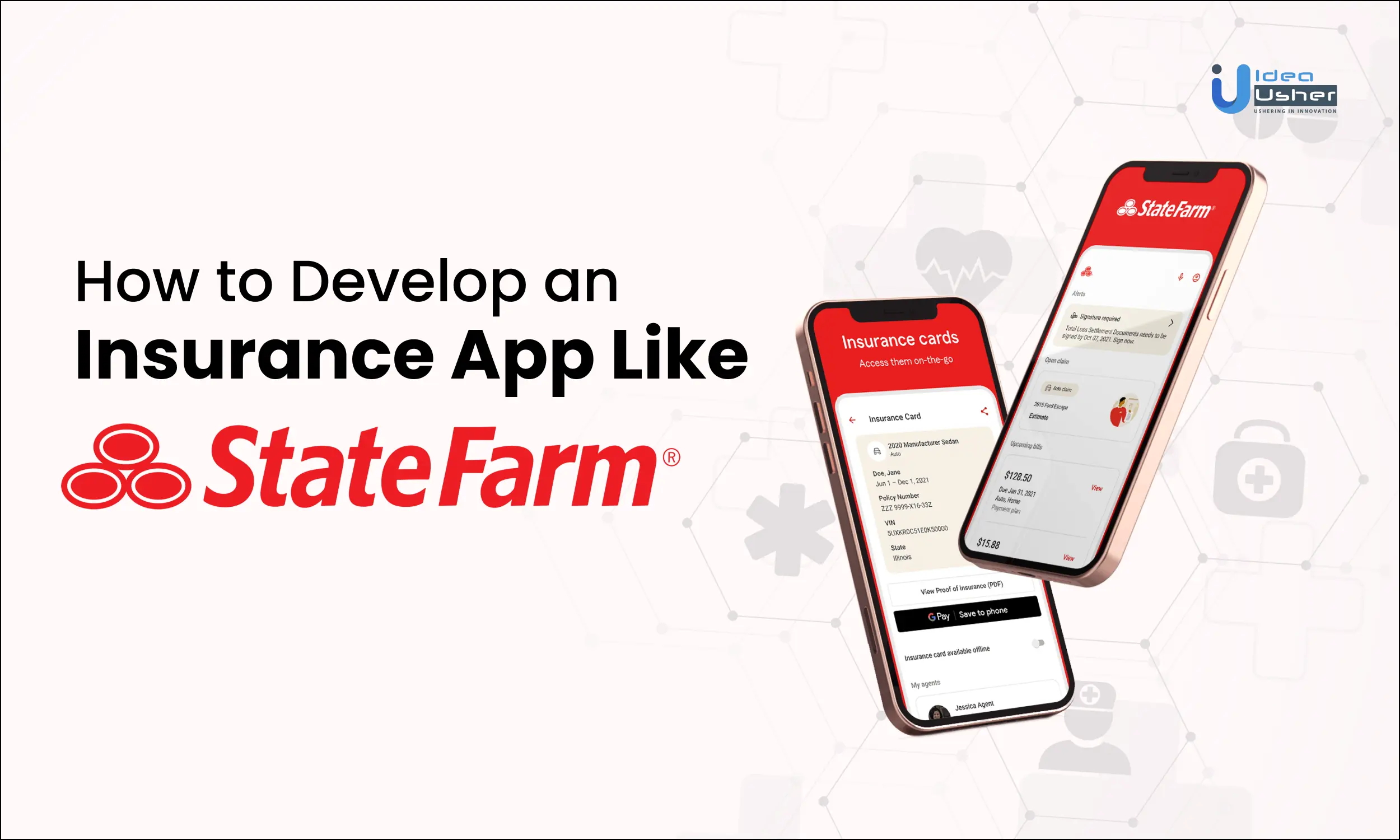
Once the change is processed, ensure you receive an updated digital or physical insurance card and a binder if requested by your dealership or lienholder. Keep this documentation accessible in your vehicle or on your smartphone to comply with state financial responsibility laws.
Evaluating Coverage Adjustments for a New Car
Transitioning to a new vehicle is an ideal juncture to re-evaluate your overall risk profile. Older vehicles are often maintained with liability-only coverage to save money, but a brand-new purchase warrants a robust protective shield.
- Comprehensive and Collision Coverage: These cover physical damage to your car resulting from collisions, theft, vandalism, weather events, or animal strikes. They are mandatory if your car is financed or leased.
- Rental Car Reimbursement: If your new car suffers a mechanical breakdown or is involved in an accident requiring body shop repairs, this coverage pays for a temporary rental vehicle, preventing transportation disruption.
- Emergency Roadside Service: Modern vehicles are packed with complex electrical systems and specialized tires. Roadside assistance covers towing, flat tire changes, and lockout services.
- Gap Insurance: If your new car is totaled or stolen, standard auto insurance pays out the current actual cash value (ACV), which often depreciates faster than your loan balance. State Farm offers pay-off coverage (often referred to as gap insurance) in many states to bridge the financial deficit between your insurance payout and your remaining loan principal.
Common Mistakes to Avoid During a Vehicle Transition
Policyholders frequently encounter unexpected coverage gaps or billing disputes due to avoidable administrative errors. Recognizing these pitfalls helps ensure a smooth transition.
- Delaying Notification Past the Grace Period: Assuming you have endless time to report a new car can result in denied claims if an accident occurs outside the contractual grace period.
- Omitting Lienholder Information: Forgetting to list your bank or credit union as a loss payee can breach your loan agreement and trigger administrative fees from your financial institution.
- Failing to Adjust Deductibles to Lender Requirements: Selecting a high deductible (e.g., $2,000) to lower your monthly premium may violate your auto financing contract, which typically sets a maximum allowable deductible threshold of $500 or $1,000.
- Not Comparing Rates for the Specific Make and Model: Insurance rates vary wildly between vehicle classes. Checking insurance cost estimates before finalizing your car purchase prevents unexpected budget shocks.
Frequently Asked Questions
Can I transfer my State Farm license plates to my new car?
Plate transfer rules vary strictly by state department of motor vehicles (DMV) regulations rather than State Farm policy guidelines. In many states, you can transfer existing plates to a newly purchased vehicle if the title is in the exact same name, but you must still update your insurance policy immediately to reflect the new VIN before driving legally.
How quickly does State Farm update my insurance card after adding a new vehicle?
If you process the change online, through the mobile app, or directly with your agent, digital insurance cards are usually updated instantly and become available for viewing or downloading within the State Farm mobile application within minutes.
Does my State Farm rate automatically go up when I buy a new car?
Not necessarily. While a brand-new vehicle has a higher replacement value than an older car, modern vehicles are frequently equipped with advanced safety features, anti-theft devices, and sophisticated crash-mitigation systems that may qualify you for specific State Farm discounts, sometimes offsetting value-based rate increases.
What happens to my old car's insurance if I trade it in?
If you are trading in your old vehicle, you must explicitly instruct State Farm to remove it from your policy effective on the exact date and time of the trade-in. Failing to remove the vehicle could result in you paying overlapping premiums for a car you no longer own.
Are test drives covered by my State Farm insurance?
If you are test-driving a vehicle at a dealership, your personal auto liability insurance typically extends as primary coverage, though the dealership's garage keeper's policy also provides a layer of protection. It is always wise to verify your specific policy limits before taking extended test drives.
Next Actions and Recommendations
To finalize your vehicle transition efficiently, log into your State Farm online account or call your local agent today with your new vehicle's VIN, exact purchase date, and lienholder details in hand. Request an updated declarations page and verify that your liability limits, deductibles, and optional coverages align with your current financial needs and lender requirements.
Image Gallery