How to Transport a Vehicle from One State to Another: A Comprehensive Guide
Transporting a vehicle from one state to another requires careful planning, a clear understanding of shipping methods, and thorough preparation to protect your investment. Whether you are relocating for a new job, buying a car from an...
Transporting a vehicle from one state to another requires careful planning, a clear understanding of shipping methods, and thorough preparation to protect your investment. Whether you are relocating for a new job, buying a car from an out-of-state seller, or sending a vehicle to a family member, managing the logistics safely and cost-effectively is essential. This process involves evaluating carrier types, understanding pricing factors, preparing the car for transit, and carefully verifying the credentials of the moving company you choose.
Contents
Evaluating Interstate Vehicle Shipping Methods
When you decide to move a car across state lines, your primary decision involves choosing how the vehicle will travel. The two dominant methods used by professional auto transport companies are open-air transport and enclosed transport. Each option comes with specific advantages, cost implications, and risk profiles that dictate which choice is best for your vehicle.
Open-Air Transport Carriers
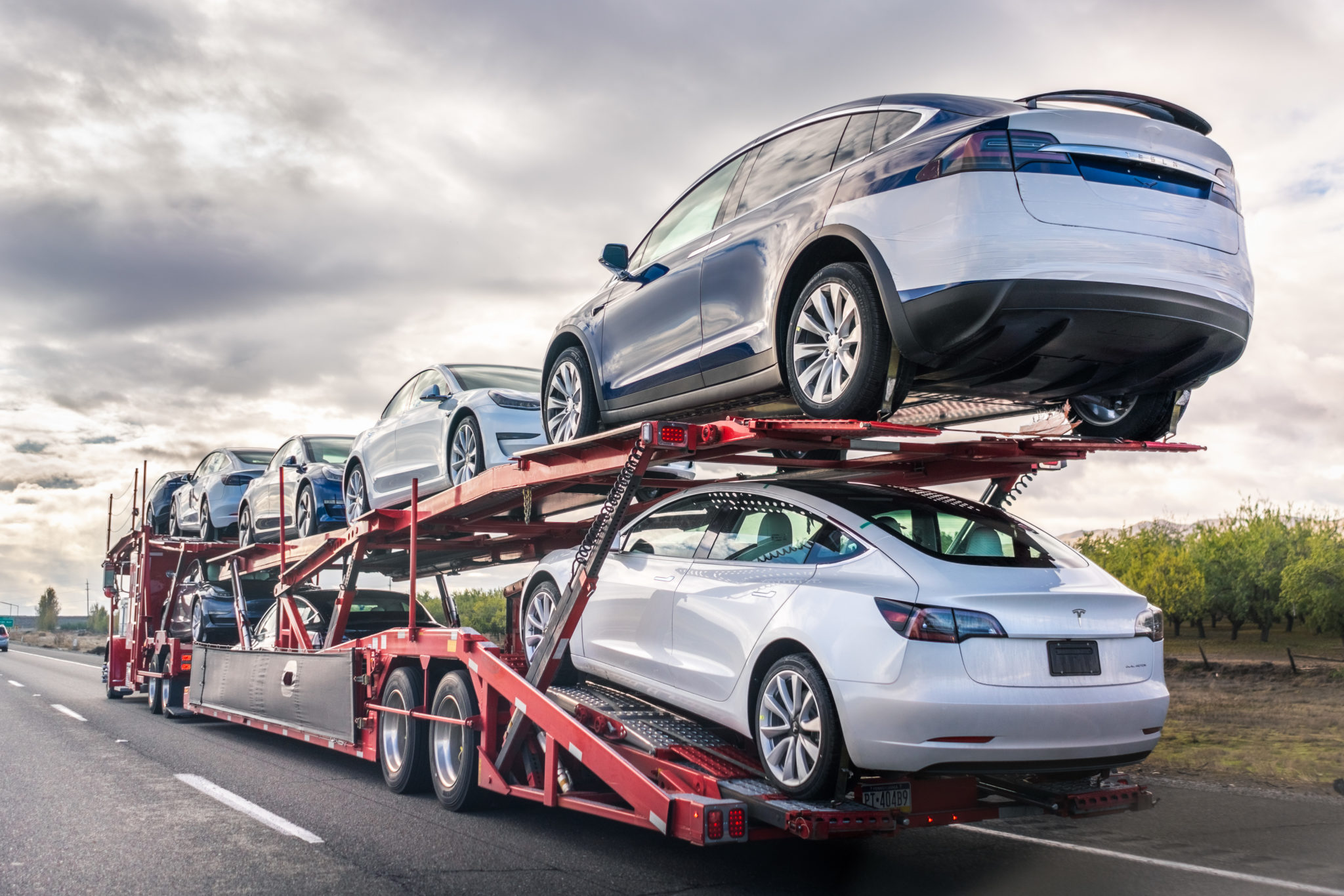
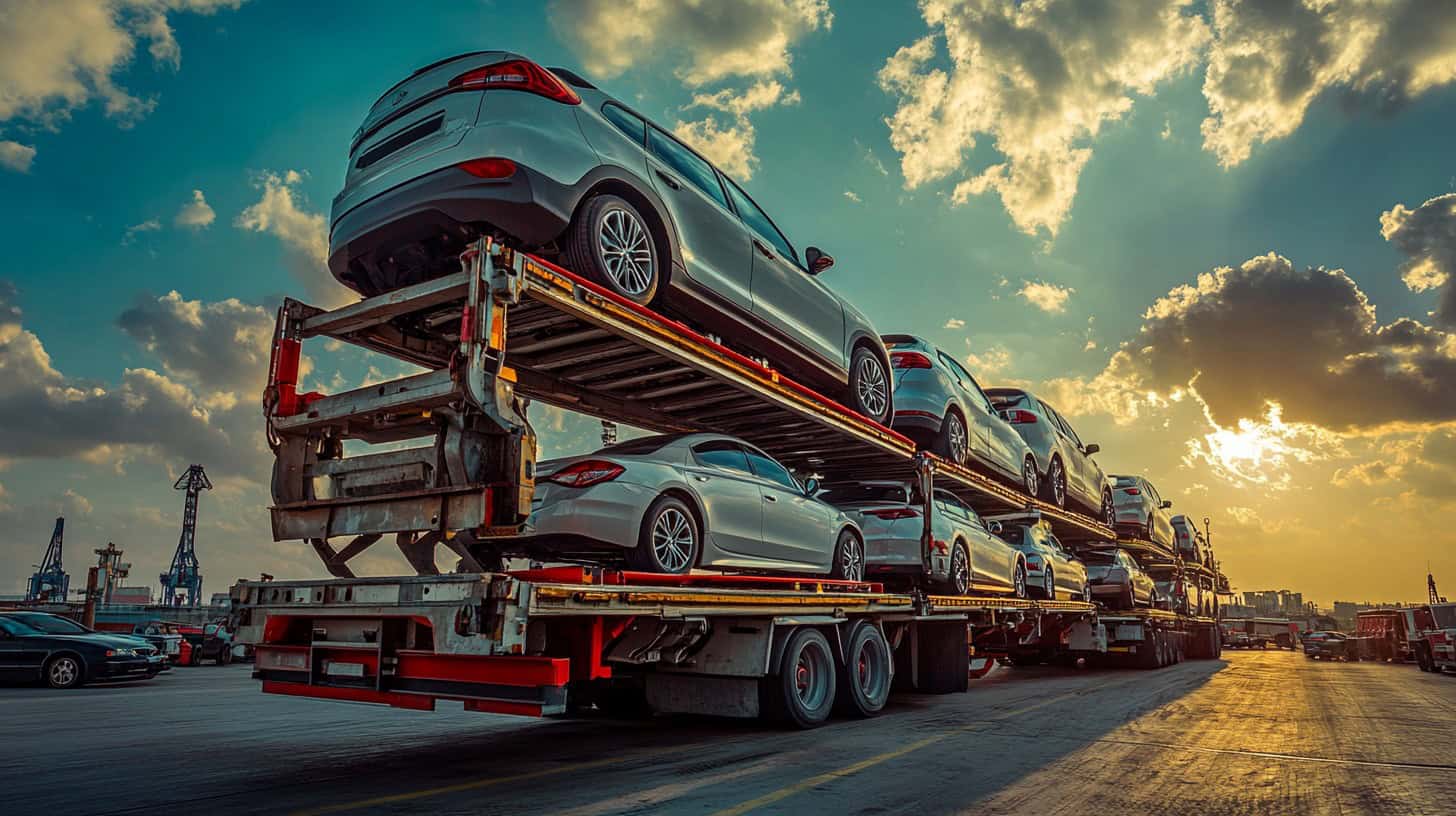
Open-air transport is the industry standard and the most common method used by dealerships and private vehicle owners alike. These carriers are typically multi-car trailers, often double-decked, capable of hauling between seven and ten vehicles simultaneously.
- Cost Efficiency: Because a single truck can carry multiple vehicles, the overall fuel and operational costs are split among many customers, making this the most economical option.
- Availability: The vast majority of auto transport fleets consist of open trailers, meaning booking a spot, scheduling pickups, and finding available routes is generally fast and straightforward.
- Exposure to Elements: Vehicles shipped via open-air carriers are exposed to weather conditions, road debris, dust, and environmental hazards like bugs and tree sap during transit.
Open transport is ideal for standard sedans, SUVs, and everyday commuter vehicles. However, owners of exotic cars, vintage automobiles, or high-end luxury vehicles often look for a higher level of physical protection.
Enclosed Transport Carriers
Enclosed transport involves placing your vehicle inside a fully sealed trailer with hard sides or soft canvas walls. This method shields the car from all external environmental factors, road grime, and weather conditions during the entire interstate journey.
- Maximum Protection: Your car is completely sheltered from road debris, severe weather, and stones kicked up by other motorists on the highway.
- Enhanced Security: Enclosed trailers often feature hydraulic lift gates rather than traditional ramps, providing safer loading and unloading for vehicles with very low ground clearance.
- Higher Cost: Enclosed shipping typically costs 40% to 60% more than open-air transport due to the limited capacity of the trailers—usually holding only one to six cars—and specialized equipment.
Choosing enclosed transport is recommended for classic cars, rare collector models, sports cars with low ground clearance, and brand-new luxury vehicles where preserving showroom condition is paramount.
Understanding the Factors That Influence Shipping Costs
The cost to transport a vehicle from one state to another is never a flat rate. Auto transport brokers and carriers calculate pricing based on several shifting variables. Understanding these cost drivers helps you budget accurately and evaluate quotes effectively.
| Cost Factor | Description | Impact on Total Price |
|---|---|---|
| Distance & Route | Total mileage between pickup and delivery locations, plus major highway accessibility. | Longer distances increase fuel and labor costs, though cross-country per-mile rates often drop. |
| Vehicle Size & Weight | Dimensions and tonnage of the car (e.g., small sedan vs. large full-size SUV or truck). | Heavier, larger vehicles consume more trailer space and weight allowance, raising the price. |
| Transport Type | Choosing between standard open-air carriers and specialized enclosed trailers. | Enclosed transport carries a significant premium due to limited trailer capacity and specialized handling. |
| Seasonality | Peak moving periods, such as summer and the New Year, versus off-peak winter months. | High demand during summer or snowbird migration seasons drives rates upward. |
| Operability | Whether the vehicle starts, runs, and steers under its own power. | Inoperable vehicles require a winch or forklift, adding labor and specialized equipment fees. |
Seasonal Demand and Regional Fluctuations
Market demand plays a massive role in interstate vehicle transport pricing. For example, during the autumn and spring "snowbird" seasons, demand spikes heavily for routes moving between northern states and southern destinations like Florida and Arizona. Carriers can charge higher rates during these windows due to high demand. Additionally, rural pickup or delivery locations far from major interstate highways often incur extra fees because drivers must deviate from standard freight corridors.
Step-by-Step Guide to Preparing Your Car for Transport
Once you select a carrier and lock in your dates, preparing your vehicle correctly ensures a smooth loading process and prevents transit delays. Transport companies have specific guidelines regarding vehicle condition and contents prior to loading.
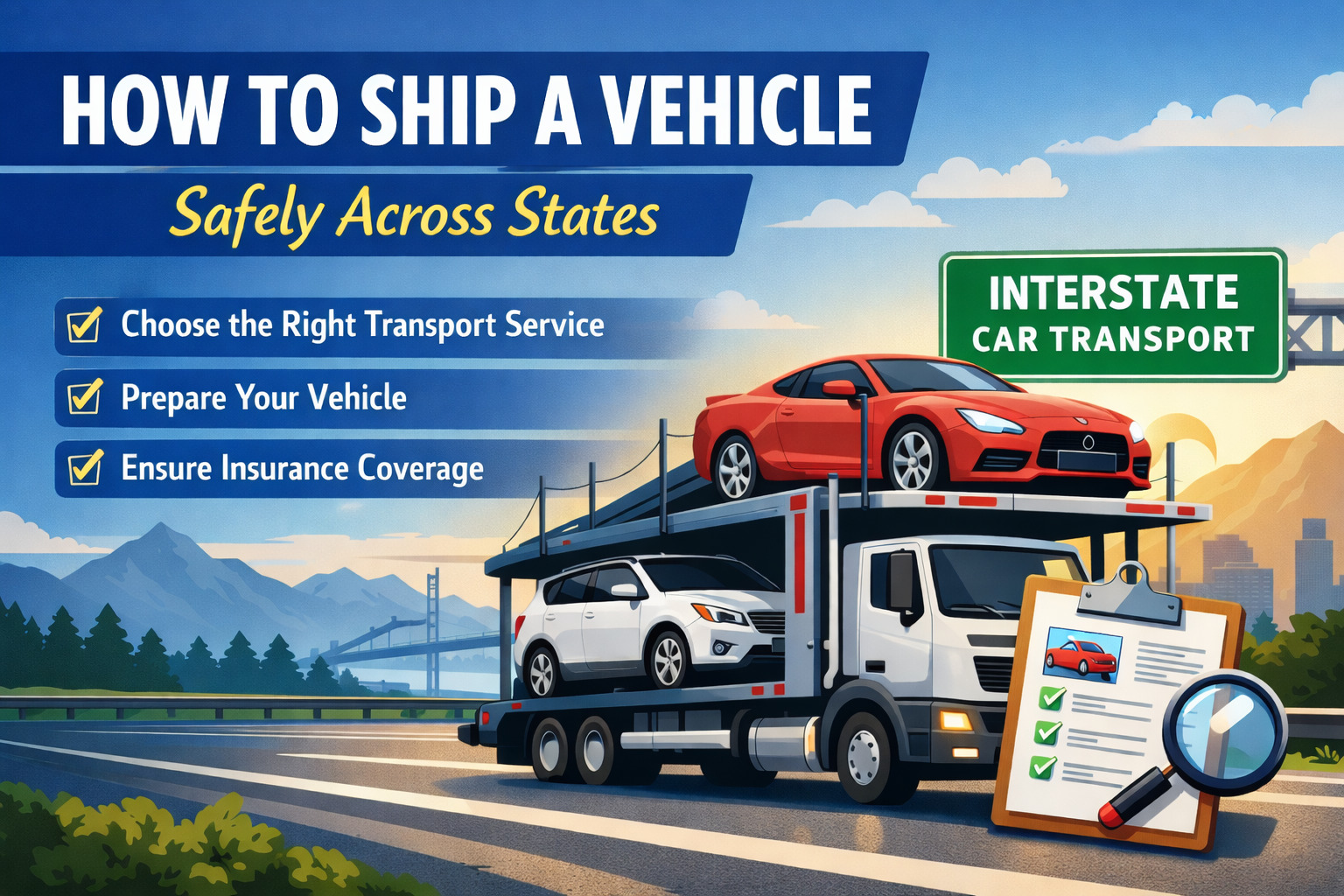
1. Clean the Vehicle and Document Pre-Existing Damage
Thoroughly wash the exterior of your car before the carrier arrives. A clean car makes it much easier to inspect the body panels, glass, and paint for existing scratches, dings, or dents. Take clear, high-resolution photographs of all four sides of the vehicle, the roof, the bumpers, and the interior from multiple angles. Date-stamp these photos. You will use these images during the Bill of Lading (BOL) inspection when the driver loads the car.
2. Remove Personal Belongies and Custom Accessories
Most federal and state regulations strictly govern the weight that commercial auto carriers can haul. Furthermore, standard auto transport insurance policies rarely cover personal items left inside the vehicle during transit.
- Remove all loose electronics, toll passes, garage door openers, CDs, and valuables.
- Take off custom exterior accessories like bike racks, spoilers, roof cargo boxes, or custom antennas that could catch the wind or be damaged during highway transit.
- Keep fuel levels down to approximately one-quarter tank. Gasoline weighs roughly six pounds per gallon; reducing fuel weight lightens the load and improves transport safety.
3. Secure Loose Parts and Check Mechanical Fluids
Ensure that all doors, windows, latches, and the convertible top (if applicable) are securely closed and locked. If the vehicle has mechanical quirks, leaks, or a weak battery, notify the driver beforehand. While inoperable vehicles can be shipped, the driver needs advance notice to bring proper winching equipment.
Vetting and Selecting a Reputable Auto Transport Company
The auto transport industry is a mix of direct carriers—companies that own the trucks—and brokers who connect customers with independent drivers. Working with a licensed broker is common, but you must verify credentials to avoid fraudulent operations.
- Check FMCSA Licensing: Every legitimate auto transport broker or carrier operating within the United States must be registered with the Federal Motor Carrier Safety Administration (FMCSA). Ask for their Motor Carrier (MC) number or USDOT number and verify active operating authority and safety records on the official FMCSA database.
- Verify Insurance Coverage: Request a certificate of insurance directly from the transport provider. Ensure the carrier's cargo insurance policy is active and offers adequate coverage limits to cover the full market value of your vehicle.
- Read Independent Reviews: Look beyond testimonials posted on a company's own website. Check consumer protection platforms, independent review sites, and the Better Business Bureau (BBB) to gauge customer satisfaction regarding delivery times and damage claims handling.
- Avoid Lowball Estimates: If a quote is drastically lower than every other bid you receive, exercise caution. Unscrupulous brokers sometimes quote unrealistically low prices to secure your business, only to demand higher fees later once your car is already loaded on a trailer.
Frequently Asked Questions About Interstate Car Shipping
How long does it take to ship a car across state lines?
Transit times depend entirely on the total distance. For short regional moves of 1 to 500 miles, delivery often takes 1 to 3 days. Cross-country shipments spanning 2,000 to 3,000 miles typically take between 7 and 14 days. Weather delays, mandatory driver rest breaks, and multiple vehicle drop-offs along the route can also impact the schedule.
Is my car insured while it is being transported?
Yes. Legitimate transport companies carry cargo insurance designed to cover damage resulting from transit accidents, fire, or operator negligence. Before handing over your keys, always review the specific deductible and coverage caps on the carrier's insurance policy, and check your personal auto insurance policy to see if it provides secondary coverage.
Can I pack my personal items in the trunk during transport?
Generally, no. Commercial truck drivers are subject to strict weight limits imposed by the Department of Transportation (DOT). Exceeding these limits risks heavy fines at state weigh stations. Additionally, most carrier insurance policies exclude coverage for household goods or personal belongings left inside a shipped vehicle.
What is a Bill of Lading, and why is it important?
The Bill of Lading (BOL) is a legally binding document that serves as both a receipt for the shipment and an inspection report. The driver performs a walkaround inspection with you before loading the car to document existing damage, and you sign it. Upon delivery, you inspect the car again against the BOL before signing off. This document is your primary evidence if you need to file an insurance claim for transit damage.
Should I hire a direct carrier or a broker?
Both models have merits. Direct carriers own their trucks, meaning you deal directly with the company moving your car. However, their route availability is often limited. Brokers maintain large networks of vetted carriers, giving you greater scheduling flexibility, competitive bidding power, and wider geographic coverage. Always ensure any broker you use works exclusively with licensed, insured carriers.
Final Recommendations for a Successful Move
Transporting a vehicle across state lines is a manageable task when approached methodically. Begin your search at least two to four weeks in advance to secure preferred dates and competitive pricing. Always obtain multiple written quotes, verify FMCSA credentials, and read the fine print of every contract before signing. By carefully preparing your vehicle, documenting its condition with photographs, and maintaining open communication with your assigned driver, you can ensure your car arrives safely at its new destination without unnecessary stress.
Image Gallery