The Maiko Tea Ceremony in Kyoto Explained: Tradition, Etiquette, and What to Expect
A maiko tea ceremony in Kyoto offers an intimate encounter with Japan’s living heritage, allowing guests to witness an apprentice geisha perform the meticulous choreography of chanoyu (the Way of Tea) in an authentic ochaya (tea house)...
A maiko tea ceremony in Kyoto offers an intimate encounter with Japan’s living heritage, allowing guests to witness an apprentice geisha perform the meticulous choreography of chanoyu (the Way of Tea) in an authentic ochaya (tea house) or traditional parlor. This cultural experience combines seasonal hospitality, historic architecture, and centuries-old culinary arts into a single, highly structured gathering.
Contents
Understanding the Role of a Maiko
To fully appreciate a tea ceremony featuring a maiko—an apprentice geisha—it is essential to understand who these performers are within Kyoto's traditional hanamachi (flower districts). Unlike geiko (the Kyoto term for geisha), who have completed their rigorous apprenticeship and wear understated elegance, maiko are typically between the ages of 15 and 20. Their appearance is striking and meticulously regulated by seasonal codes. They wear brightly colored furisode kimonos with long, sweeping sleeves, high wooden clogs called pokkuri, and elaborate handmade silk hair ornaments (kanzashi) that change every month to reflect seasonal flora.
The maiko tea ceremony is not merely a performance put on for tourists; it is rooted in the traditional entertainment culture of Kyoto's five historic districts: Gion Kobu, Gion Higashi, Miyagawacho, Pontocho, and Kamishichiken. Historically, patrons of the arts would gather in exclusive tea houses to converse, enjoy seasonal delicacies, and watch traditional dance and music. Today, specialized cultural experiences bridge the gap between this closed society and curious travelers, provided participants respect strict etiquette and reservation protocols.
The Anatomy of the Japanese Tea Ceremony (Chanoyu)
At its core, the tea ceremony performed by a maiko follows the fundamental philosophies of wa, kei, sei, jaku—harmony, respect, purity, and tranquility. While public tea ceremonies can last up to four hours and include a multi-course meal (kaiseki), ceremonies tailored to include a maiko are typically streamlined into 60- to 90-minute programs designed to highlight key artistic moments without overwhelming guests.
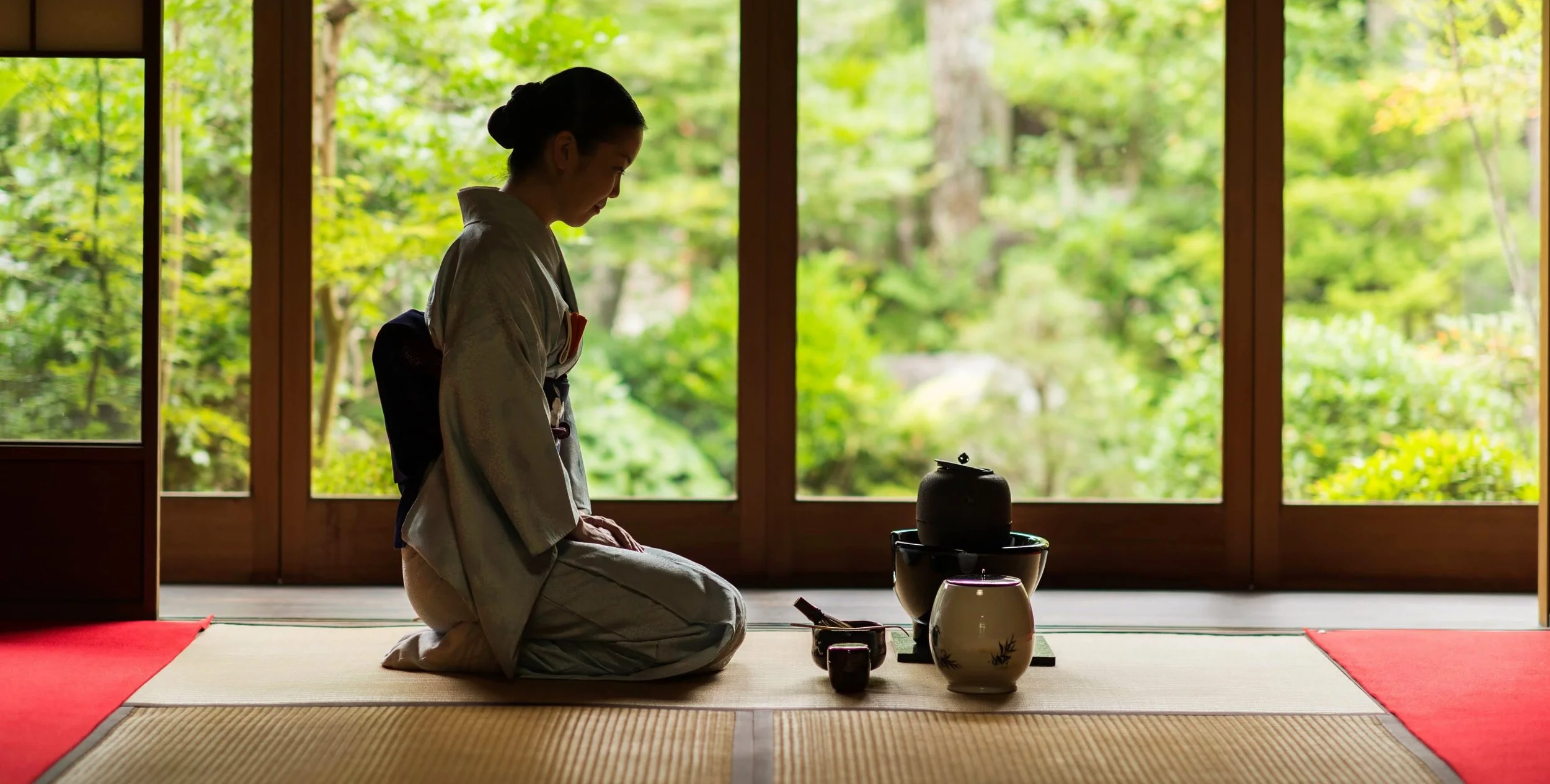
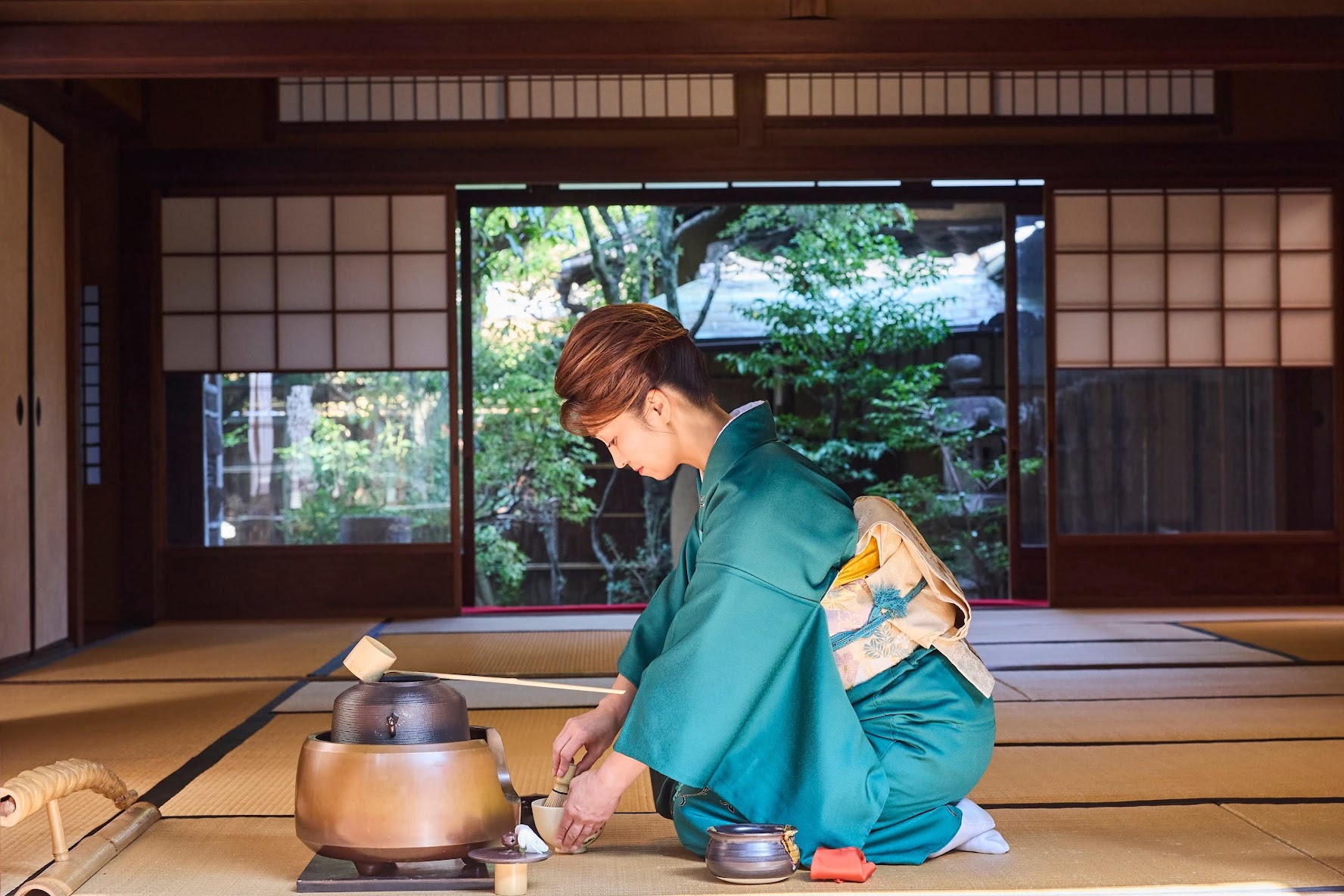
The host, whether the maiko herself or an accompanying tea master (chajin), orchestrates every movement with profound intentionality. Every utensil—from the bamboo whisk (chasen) and tea scoop (chashaku) to the ceramic tea bowl (chawan)—is chosen to match the season, weather, and theme of the gathering.
Core Elements of the Ceremony
- Purification (Temae): The host uses a silk cloth (fukusa) to symbolically cleanse the tea utensils in front of the guests, demonstrating mindfulness and purity of intent.
- Preparation of Matcha: Vibrant green tea powder is measured into the bowl, and hot water is added from a cast-iron kettle (kama). The maiko then whisks the mixture until a fine, creamy froth forms on the surface.
- Wagashi (Seasonal Sweets): Before the bitter tea is consumed, guests are served a delicate artisanal sweet made from sweetened bean paste or rice flour. This confection is meticulously crafted to mirror the current month's nature motif, acting as a sweet counterpoint to the astringency of the matcha.
- Presentation and Consumption: The bowl is rotated twice to avoid drinking from the front face (which features the primary artistic design) as a sign of humility before being handed to the guest.
Comparing Standard Tea Ceremonies and Maiko Tea Gatherings
Choosing between a standard cultural tea ceremony and one featuring a maiko involves weighing factors such as cost, interaction levels, and authenticity. The table below outlines the primary structural and experiential differences.
| Feature | Standard Tea Ceremony | Maiko Tea Ceremony |
|---|---|---|
| Primary Focus | Instruction in the philosophy and steps of chanoyu. | Cultural immersion, historic performance, and direct interaction. |
| Participant Interaction | Led by a certified tea instructor; Q&A is usually instructional. | Includes a performance, photo opportunities, and a moderated Q&A session. |
| Cost Range | Moderate (¥3,000 to ¥6,000 per person). | Premium (¥15,000 to ¥30,000+ per person). |
| Atmosphere | Quiet, meditative, and focused heavily on Zen mindfulness. | Lively, celebratory, highly visual, and interactive. |
| Dress Code | Casual; removal of shoes is standard. | Smart casual; socks or tabi are required to protect tatami mats. |
What Happens During a Modern Maiko Experience
Modern maiko tea gatherings are structured to maximize cultural exchange while maintaining the decorum of Kyoto's traditional entertainment quarters. Understanding the sequence of events helps guests navigate the room with confidence and comfort.
Arrival and Seating
Guests arrive at a designated venue—often a traditional machiya townhouse or a cultural center designed to mimic an ochaya. Shoes must be removed at the genkan (entryway) and placed on the shelf provided. Guests are then guided into a tatami-mat room. While traditional seating requires kneeling in seiza, most modern tourist-oriented events provide low chairs or allow guests to cross their legs comfortably, accommodating those unaccustomed to prolonged kneeling.
The Demonstration
The maiko enters gracefully, greeting the room with a traditional bow (ojigi). She performs the tea preparation ritual with quiet concentration. Once the matcha and seasonal sweets are served, guests partake while observing the room's seasonal scroll (kakemono) and flower arrangement (chabana).
Performance and Q&A
Following the tea service, the maiko typically performs a traditional dance (kyodai or regional classical dance) accompanied by recorded classical music or live shamisen. After the performance, a bilingual facilitator opens a question-and-answer session. Guests can ask about the maiko's daily training routine, her kimono, or the history of Kyoto's geisha districts. The experience usually concludes with individual or group photographs with the maiko.
Etiquette, Rules, and Cultural Considerations
Participating in a maiko tea ceremony requires adherence to specific social rules designed to preserve the integrity of the venue and show respect for the performer.
- Footwear and Attire: Always wear clean socks. Bare feet are strictly forbidden on tatami mats, as natural oils can stain and damage the woven rush. Avoid heavy perfumes, as the delicate aroma of the tea and incense is an integral part of the sensory experience.
- Photography Guidelines: While modern events generally permit photography during designated portions of the program, flash photography is typically prohibited during the tea preparation and dance performances to prevent distraction. Never touch a maiko's kimono, hair ornaments, or face paint without explicit permission.
- Respecting Privacy: If booking an event in the Gion district outside of a controlled tourist venue, remember that maiko and geiko are working professionals transiting between appointments. Street photography without consent—often referred to pejoratively as "geisha paparazzi"—is heavily discouraged and, in some municipal zones, subject to local fines.
Frequently Asked Questions
Can anyone attend a maiko tea ceremony?
Yes, provided you book through a reputable cultural agency, hotel concierge, or verified tour operator. Many private tea houses and cultural centers offer English-friendly sessions specifically designed for international visitors. Advance reservations are mandatory, as seating capacities are strictly limited to maintain an intimate atmosphere.
Is the matcha sweet or bitter?
Matcha used in authentic tea ceremonies is unsweetened and possesses a rich, earthy, and naturally bitter flavor profile. The accompanying wagashi (seasonal sweet) is intentionally consumed immediately before the tea to coat the palate and balance the bitterness with concentrated sugar.
Can children attend these ceremonies?
Policies vary by venue. Some private tea houses enforce age minimums (such as 10 or 12 years old) to ensure participants can maintain the quiet decorum required for the ceremony. Other family-friendly cultural centers welcome children of all ages. Always verify age restrictions during the booking process.
Why do maiko wear white makeup and black teeth?
The traditional white face paint (oshiroi) historically allowed performers to be easily seen under candlelight in historic tea houses. While traditional blackening of the teeth (ohaguro) was practiced historically by married women and entertainers as a sign of beauty, modern maiko generally do not practice ohaguro unless they are preparing for their special debut (erikae) or specific historical festivals.
How much does a maiko tea experience cost?
Prices generally range from ¥15,000 to over ¥30,000 per person. The cost reflects the exclusivity of the engagement, the artistry of the performance, the inclusion of artisanal sweets and premium matcha, and the operational expenses associated with supporting Kyoto's traditional arts preservation.
Next Actions for Travelers
To secure a spot at an authentic maiko tea ceremony in Kyoto, begin by researching established cultural institutions or licensed tour operators well in advance of your travel dates, as popular sessions fill up months ahead. Ensure your booking includes clear details on location, language support, and photography policies. When you attend, approach the experience with curiosity and patience, allowing yourself to fully absorb the quiet elegance of Kyoto's living artistic traditions.
Image Gallery