Why the Bills Cheerleader Saga Matters: Labor Rights, Legal Precedent, and NFL Culture
The Buffalo Bills cheerleader saga, centered around the landmark 2014 lawsuit Whittington v. Buffalo Bills, matters because it shattered the illusion that professional sports franchises could bypass standard labor laws for entertainmen...
The Buffalo Bills cheerleader saga, centered around the landmark 2014 lawsuit Whittington v. Buffalo Bills, matters because it shattered the illusion that professional sports franchises could bypass standard labor laws for entertainment staff, fundamentally reshaping compensation structures and employment classifications across the entire National Football League.
Contents
Introduction: The Hidden Reality Behind Sideline Glamour
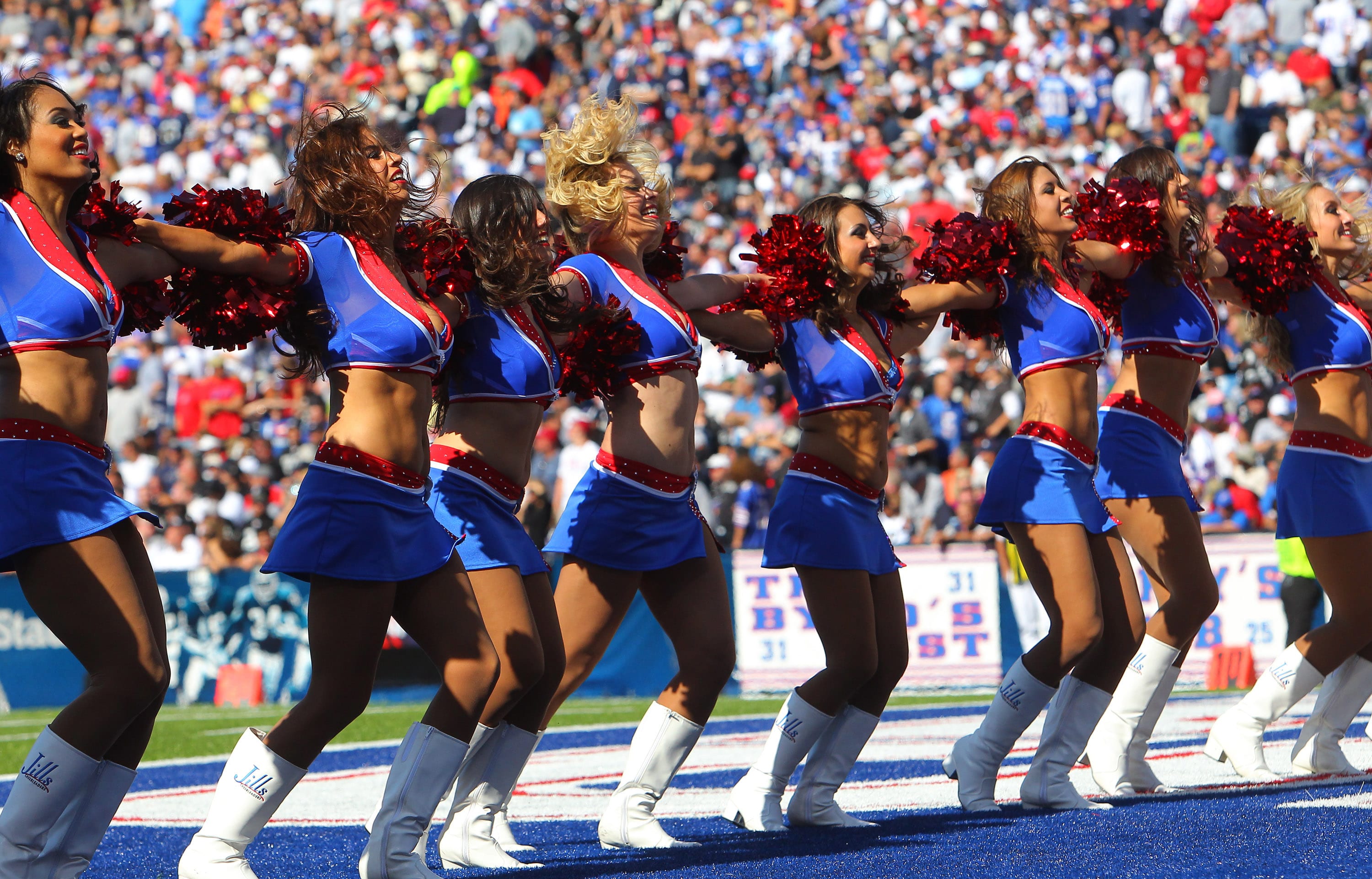
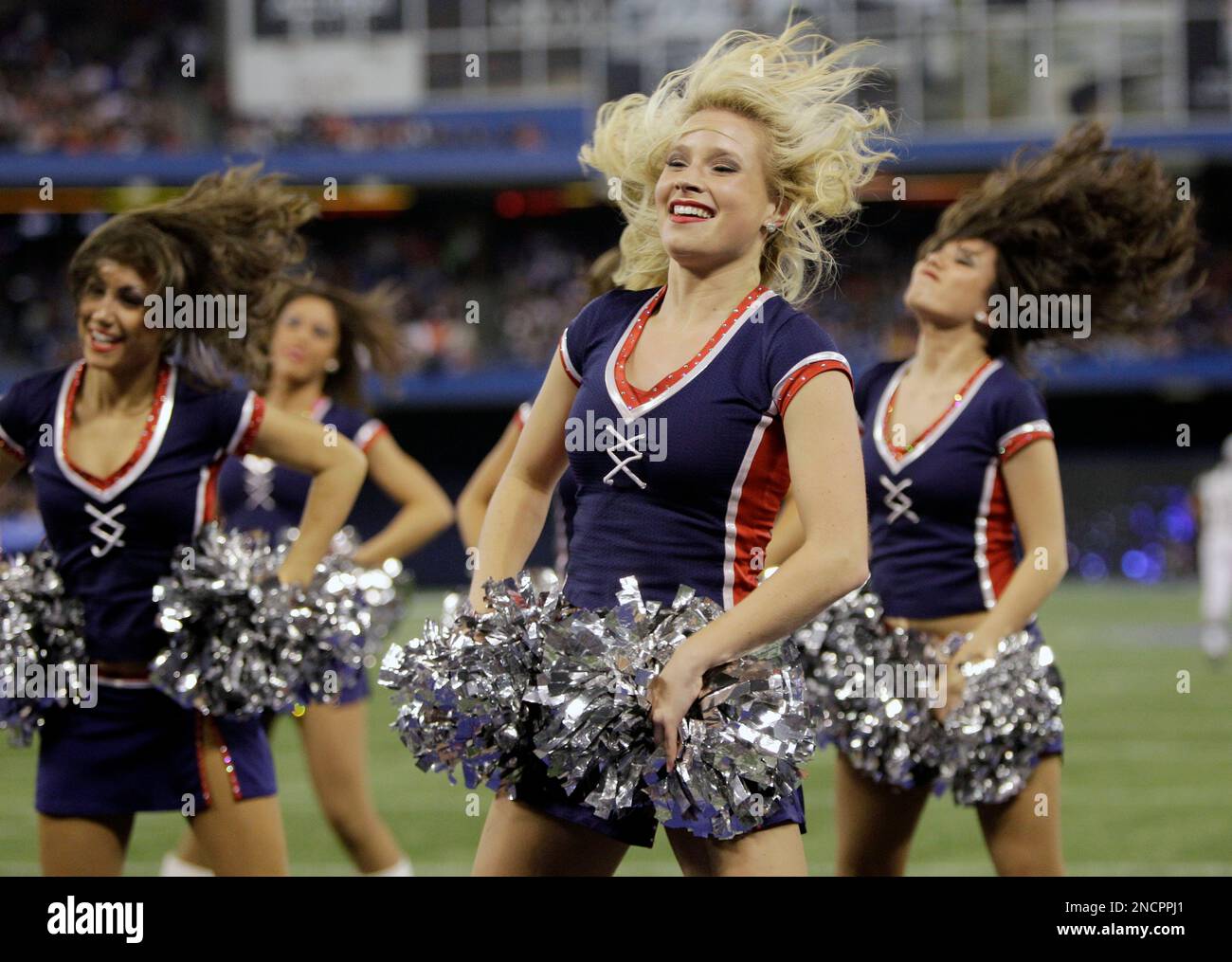
When sports fans tune in to professional football, they see high-energy performances, synchronized routines, and an aura of effortless glamour. For decades, the individuals performing these routines—most notably the Buffalo Jills, the cheerleading squad for the Buffalo Bills—were viewed by the public as passionate fans living out a dream. However, behind the polished sideline presence lay a starkly different reality: grueling hours, mandatory unpaid appearances, strict behavioral codes enforced by hefty fines, and compensation that amounted to a fraction of the minimum wage.
The Buffalo Bills cheerleader saga emerged when members of the Buffalo Jills filed a class-action lawsuit against the franchise and management entities. This dispute transcended local sports news, evolving into a watershed moment for labor rights in the sports and entertainment industries. Understanding why the bills cheerleader saga matters requires examining the legal mechanics of employment classification, the historical exploitation of cheerleaders in major sports leagues, and the lasting reforms that followed.
The Genesis of the Lawsuit: Whittington v. Buffalo Bills
To understand the core significance of the saga, one must look at the legal mechanisms that triggered it. In May 2014, five former members of the Buffalo Jills filed a lawsuit in New York State Supreme Court against Citadel Broadcasting Corp., Cumulus Media, and the Buffalo Bills organization. The plaintiffs—led by former cheerleader Alyssa Whittington—alleged severe wage-and-hour violations under New York labor law.
The central grievance was financial exploitation. The Jills were classified not as employees, but as independent contractors. This distinction allowed the organization to avoid paying minimum wage, withholding payroll taxes, providing workers' compensation, or adhering to standard labor protections.
However, the reality of the daily operations proved that the cheerleaders functioned entirely as controlled employees. Management dictated their schedules, established rigorous physical requirements, and enforced strict behavioral guidelines, all while paying them a flat, nominal stipend that often resulted in earnings far below the legal minimum wage once preparation and mandatory event hours were calculated.
Core Labor Violations and Workplace Control
The operational model of the Buffalo Jills revealed systemic issues common across professional sports cheerleading squads at the time. The exploitation manifested across several distinct areas:
- Sub-Minimum Wage Pay: Cheerleaders were often paid a flat rate per game or appearance, but when factoring in hours spent rehearsing, traveling, and attending mandatory charity and corporate events, their effective hourly pay fell into pennies.
- Mandatory Unpaid Labor: Squad members were required to appear at numerous community and corporate events without compensation, frequently incurring personal expenses for travel, parking, and uniform maintenance.
- Punitively Enforced Fines: The Jills operated under a detailed handbook of rules governing personal conduct, social media use, weight maintenance, and appearance. Violating these rules resulted in financial penalties, meaning cheerleaders could actually lose money for working.
- Independent Contractor Misclassification: By labeling performers as independent contractors, organizations shifted the financial risk and operational burdens onto the workers while retaining absolute control over their schedules and execution.
| Operational Area | Initial Franchise Practice | Post-Lawsuit Standard |
|---|---|---|
| Employment Classification | Independent Contractor | W-2 Employee |
| Compensation Model | Flat per-game or per-event stipend | Hourly minimum wage plus overtime |
| Rehearsals and Meetings | Unpaid or heavily undercompensated | Fully compensated at required rates |
| Fines and Penalties | Deductions for rule infractions | Prohibited under standard labor laws |
Ripple Effects Across the NFL and Professional Sports
The Buffalo Jills lawsuit was not an isolated incident. It arrived amid a wave of synchronized legal challenges across the National Football League. Around the same time, cheerleaders for the Oakland Raiders, Cincinnati Bengals, Tampa Bay Buccaneers, and New York Jets filed similar class-action lawsuits regarding wage theft and labor misclassification.
The collective impact of these lawsuits forced a swift reckoning across the NFL. Teams realized that maintaining the status quo exposed them to immense financial liability and severe public relations damage. Within a few years of the Buffalo Jills filing, nearly every NFL franchise with a cheerleading squad transitioned its performers from independent contractor status to traditional W-2 employee status. This shift guaranteed minimum wage protections, overtime eligibility, and basic workplace safeguards.
Furthermore, the saga prompted organizations to overhaul their internal handbooks, drastically scaling back invasive behavioral codes, eliminating predatory fine systems, and establishing professional human resources channels for performers to lodge grievances.
Cultural and Societal Impact: Shifting Perceptions of Sideline Labor
Beyond the legal and financial metrics, the bills cheerleader saga matters because it altered the cultural narrative surrounding women in sports entertainment. For generations, institutional norms encouraged the objectification of cheerleaders while treating their labor as disposable. The willingness of the Buffalo Jills to step forward and publicize the working conditions on the sidelines challenged these deeply entrenched norms.
The litigation highlighted the contradiction between celebrating female empowerment on the field and suppressing fundamental economic rights behind the scenes. By demanding legal recognition as employees, the cheerleaders asserted their professional dignity, demonstrating that athletic entertainment labor deserves the same legal protections as any other sector of the workforce.
Frequently Asked Questions
What triggered the Buffalo Bills cheerleader lawsuit?
The lawsuit was triggered by former members of the Buffalo Jills who alleged wage theft, unpaid labor, and wrongful independent contractor misclassification by the franchise and management entities in 2014.
Why were cheerleaders classified as independent contractors?
Sports franchises historically classified cheerleaders as independent contractors to minimize overhead costs, avoid paying employment taxes, bypass minimum wage laws, and maintain strict control over performance standards without providing standard employee benefits.
How did the lawsuit change the NFL?
The legal pressure from the Buffalo Jills and similar lawsuits across other teams forced NFL franchises to reclassify cheerleaders as W-2 employees, guaranteeing minimum wage, overtime pay, and fairer workplace rules.
Did the Buffalo Jills continue to operate after the lawsuit?
Following the initial filing of the lawsuit in May 2014, management suspended operations of the Buffalo Jills squad, and the team did not field a cheerleading squad for several seasons while legal proceedings unfolded.
Conclusion and Next Actions
The Buffalo Bills cheerleader saga stands as a milestone in modern sports labor history. It proved that no entertainment enterprise is above standard employment regulations, regardless of tradition or public glamour. For organizations navigating labor compliance today, the case serves as a permanent reminder that operational control necessitates proper employee classification and fair compensation. Readers interested in labor rights can examine historical court documents from Whittington v. Buffalo Bills or review updates on contemporary sports labor movements to better understand the ongoing evolution of workplace protections.
Image Gallery