Choosing Drew Barrymore’s Best Friend: Why Cameron Diaz Wins
When examining celebrity friendships that have weathered decades of intense Hollywood scrutiny, the bond between Drew Barrymore and Cameron Diaz stands out as a masterclass in mutual support, shared history, and steadfast loyalty, maki...
When examining celebrity friendships that have weathered decades of intense Hollywood scrutiny, the bond between Drew Barrymore and Cameron Diaz stands out as a masterclass in mutual support, shared history, and steadfast loyalty, making Diaz the definitive choice when evaluating Barrymore’s inner circle.
Contents
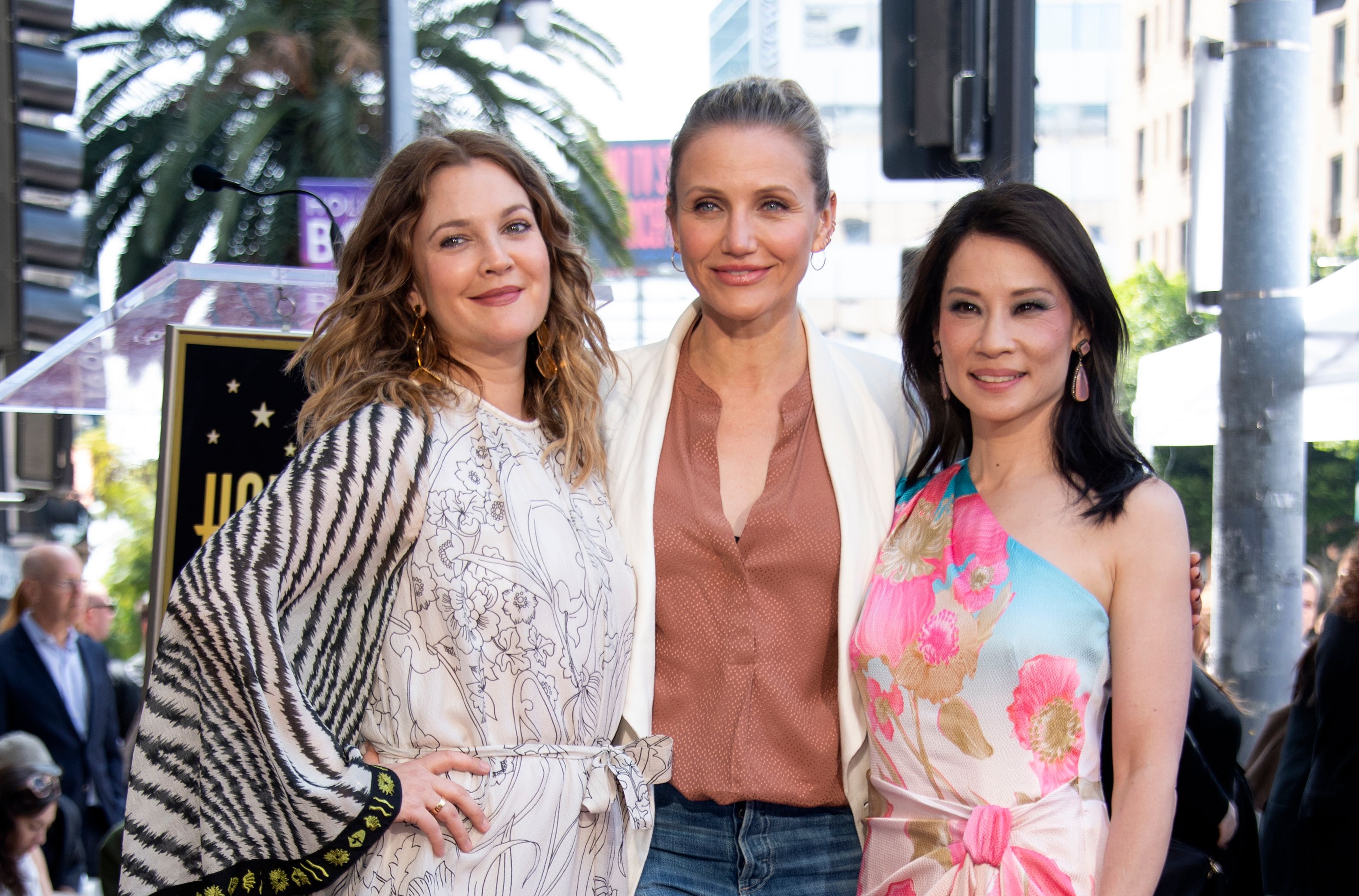
The public fascination with celebrity dynamics often leads fans, pop culture analysts, and media outlets to dissect the interpersonal relationships of Hollywood icons. Among the most enduring and celebrated friendships in the entertainment industry is the lifelong bond shared by actresses Drew Barrymore and Cameron Diaz. While Barrymore has cultivated numerous high-profile relationships throughout her decades-long career—spanning child stardom, adult reinvention, and daytime television hosting—her relationship with Diaz holds a unique and superior position. Choosing Drew Barrymore's best friend requires looking past casual red-carpet associations and evaluating decades of shared trials, public milestones, and private solidarity. When all these factors are weighed, Cameron Diaz decisively wins the title of Barrymore’s ultimate best friend.
The Historical Roots of a Lifelong Hollywood Bond
Understanding why Cameron Diaz emerges as the premier choice for Drew Barrymore’s closest confidante requires examining the genesis of their relationship. Their friendship did not begin in the boardroom or through a mandatory press junket; it was forged in the unstructured, often overwhelming environment of 1990s Hollywood.
Before they co-starred as Natalie Cook and Dylan Sanders in the 2000 film adaptation of Charlie’s Angels, Barrymore and Diaz crossed paths as young women navigating sudden, massive international fame. Barrymore had already lived through the intense crucible of child stardom following E.T. the Extra-Terrestrial, transitioning through a rebellious adolescence into an emancipated young adult attempting to reclaim her career. Diaz, conversely, had transitioned overnight from a fashion model to a global phenomenon following her breakout role in the 1994 comedy The Mask.
This shared exposure to early fame created an unspoken, fundamental understanding between them. They did not meet as established industry veterans treating each other with professional distance; they met as peers attempting to ground themselves amidst the chaotic whirlwind of celebrity culture. This foundational era established a bedrock of trust that survived industry shifts, professional hiatuses, and evolving personal priorities.
| Friendship Characteristic | Cameron Diaz | Other Industry Acquaintances |
|---|---|---|
| Duration of Public Bond | Over 25 years (dating back to the 1990s) | Typically project-dependent or episodic |
| Shared Milestones | Co-parenting eras, career transitions, retirement and return | Red-carpet appearances, single-project promotions |
| Public Platform Integration | Frequent co-hosting, emotional transparency on The Drew Barrymore Show | Occasional guest appearances |
| Private Consistency | Actively documented support during personal upheavals | Limited verified private interaction outside of work |
Professional Synergy and Collaborative Milestones
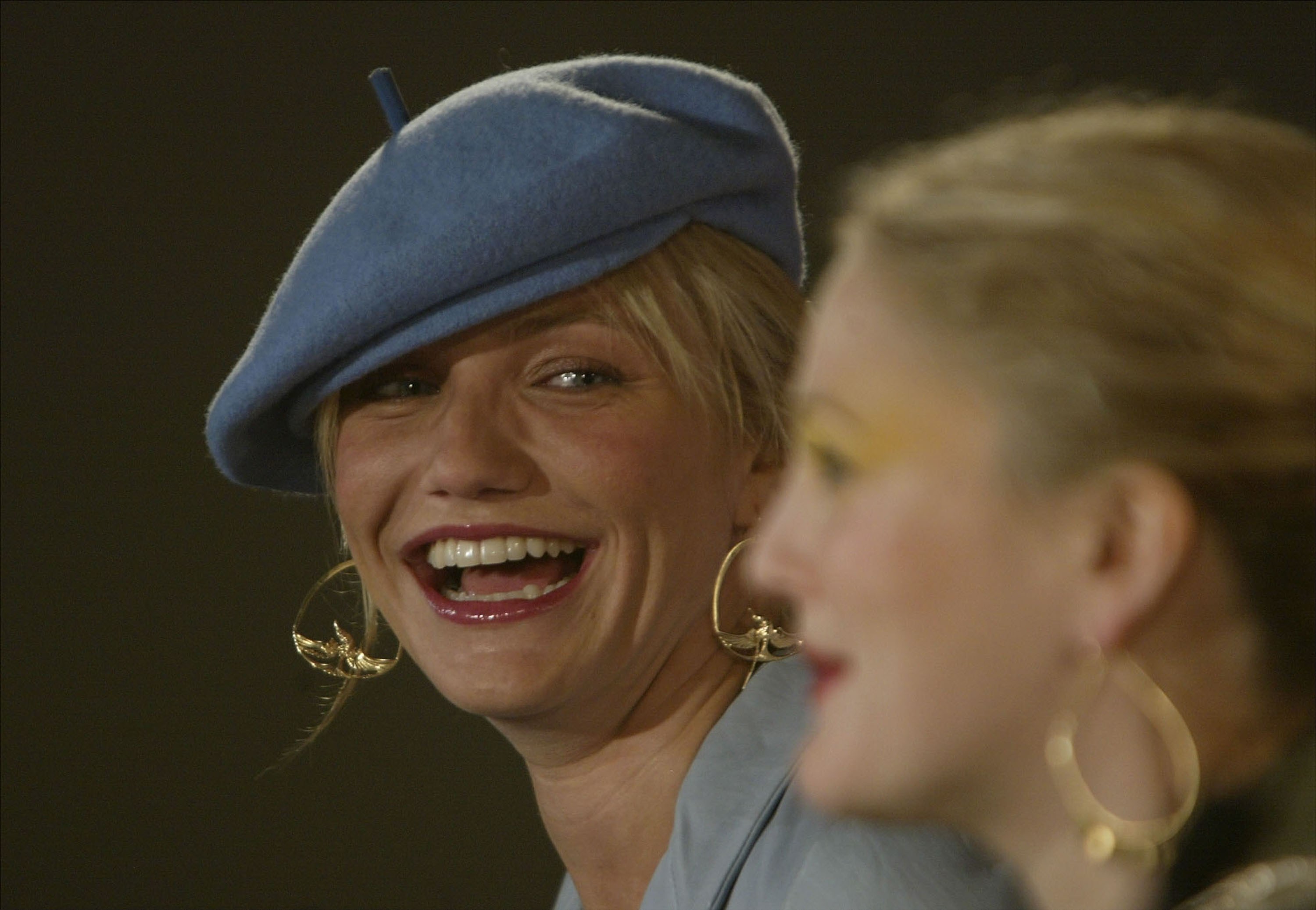
While true friendship transcends career achievements, the professional intersection of Barrymore and Diaz has repeatedly reinforced the strength of their personal bond. The 2000 release of Charlie’s Angels and its 2003 sequel, Charlie’s Angels: Full Throttle, transformed their private friendship into a celebrated cultural touchstone. On-screen chemistry often mimics off-screen rapport, but in the case of Barrymore and Diaz, the genuine joy and mutual protection they exhibited during press tours reflected an authentic sisterhood.
Crucially, both women exercised substantial control over their respective careers by establishing production companies—Barrymore with Flower Films and Diaz actively participating in project development. This shared entrepreneurial spirit allowed them to understand the behind-the-scenes pressures of Hollywood studio politics, executive demands, and the gender disparities prevalent in the film industry during the late 1990s and 2000s.
Furthermore, their careers evolved in parallel directions regarding motherhood and media presence. When Diaz famously stepped away from acting for several years to focus on family life, Barrymore—who balanced running a production company, authoring books, and launching a lifestyle brand before landing her daytime talk show—publicly and consistently defended and respected her friend's boundary. When Diaz eventually returned to acting, Barrymore served as one of her most vocal and enthusiastic supporters, demonstrating that their bond is entirely devoid of professional competitiveness or insecurity.
Public Transparency and Mutual Support in Adulthood
In the modern media landscape, celebrity friendships are frequently curated for public relations purposes, designed to generate viral social media moments or cross-promote commercial ventures. However, the Barrymore-Diaz dynamic subverts this cynical expectation through radical emotional transparency.
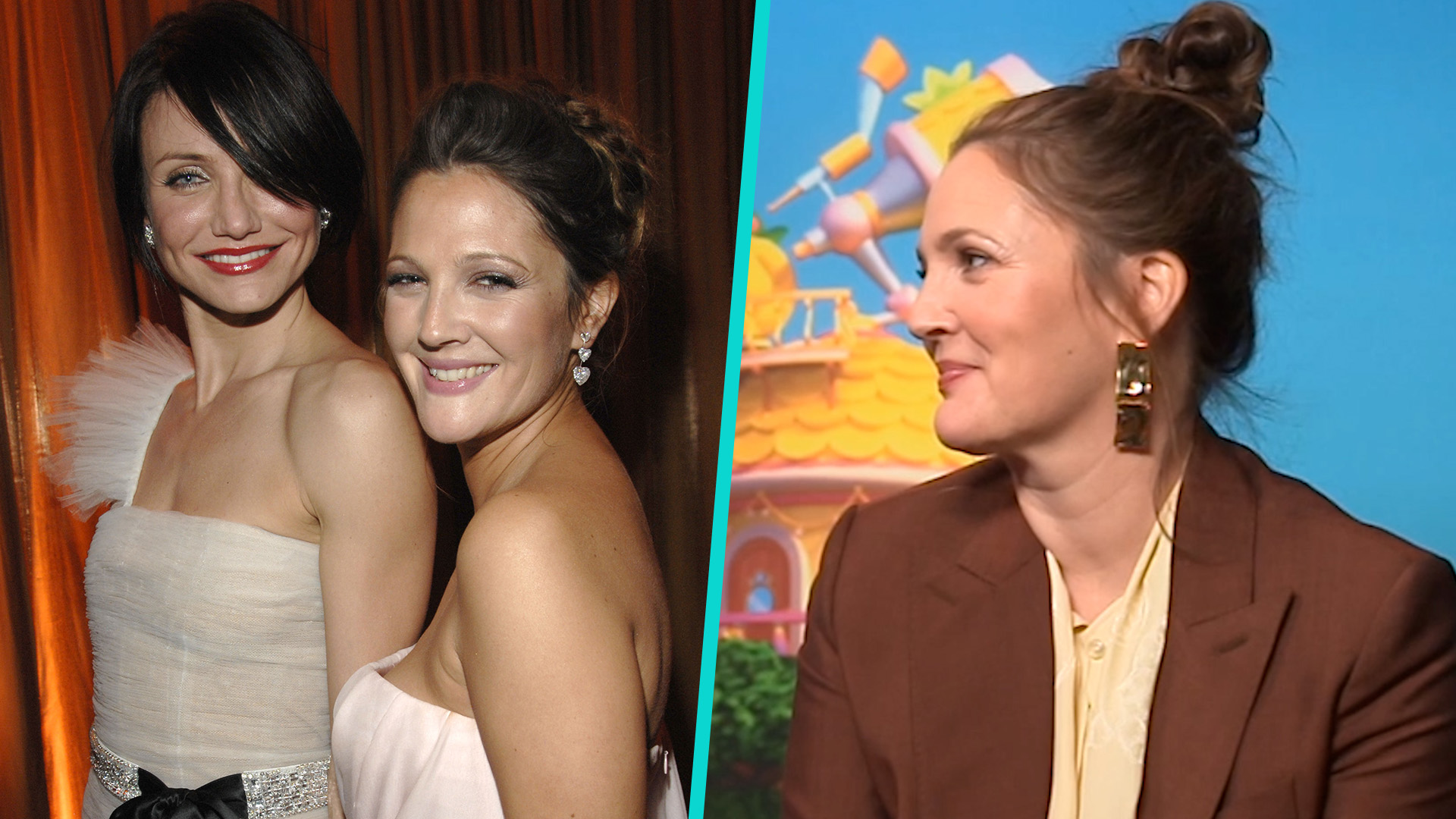
On The Drew Barrymore Show, Diaz has appeared not merely as a promotional guest peddling a product, but as an intimate confidante willing to discuss the unglamorous realities of domestic life, cooking, aging, and parenting. Their televised interactions frequently bypass standard talk-show scripts, dissolving into candid conversations about domestic mishaps, emotional vulnerabilities, and the realities of growing older in the public eye.
Psychologists and relationship experts often emphasize that enduring adult friendships require three core components: emotional safety, reciprocal vulnerability, and unconditional positive regard. Barrymore and Diaz consistently display all three. When Barrymore navigated highly publicized personal challenges, including her divorce and the logistical hurdles of raising two daughters in the public eye, Diaz remained a constant, grounding presence. Similarly, Barrymore has been fiercely protective of Diaz’s privacy regarding her marriage to musician Benji Madden and the birth of her children. This mutual respect for boundaries separates a genuine, lifelong sisterhood from a superficial Hollywood alliance.
Comparative Analysis: Evaluating Other Contenders
To definitively establish why Cameron Diaz wins the title of Drew Barrymore's best friend, it is necessary to examine other notable figures in Barrymore’s orbit. Throughout her expansive career, Barrymore has maintained warm, affectionate relationships with numerous co-stars, directors, and cultural icons.
- Adam Sandler: Barrymore and Sandler have shared undeniable screen chemistry across three major romantic comedies: The Wedding Singer (1998), 50 First Dates (2004), and Blended (2014). While their professional partnership is legendary and they share a deep, abiding affection, their relationship is fundamentally rooted in a long-standing cinematic collaboration rather than the daily, intimate sisterhood she shares with Diaz.
- Jimmy Fallon: Barrymore shares a playful, highly public camaraderie with late-night host Jimmy Fallon, dating back to their wild nights out in New York City during the 1990s. While their shared history is rich with nostalgia, their respective professional obligations and geographic separations place their relationship in a different tier compared to the daily domestic integration seen between Barrymore and Diaz.
- Steven Spielberg: As the director who catapulted Barrymore to global stardom with E.T., Spielberg has acted as a lifelong surrogate father figure and mentor. However, a mentor-protégé dynamic, while profoundly significant, operates on a fundamentally different interpersonal plane than an egalitarian, peer-to-peer best friendship.
When evaluated against these contenders, Diaz occupies a unique intersection of peer status, shared generational trauma and triumph, domestic alignment, and unwavering personal loyalty.
Common Misconceptions About Hollywood Friendships
Observers often misunderstand high-profile friendships, projecting standard social media dynamics onto women who came of age in an era before digital self-documentation.
- The Myth of the PR-Manufactured Bond: Critics frequently assume that enduring celebrity friendships are maintained by management teams to sustain relevance. In the case of Barrymore and Diaz, their bond survived extended periods where both women stepped entirely away from traditional promotional circuits, proving its independence from corporate PR strategies.
- The Incompatibility of Career and Domestic Focus: A common assumption is that Hollywood actresses cannot maintain deep personal bonds if their career trajectories diverge—such as Diaz prioritizing domestic life while Barrymore maintained a relentless multi-media schedule. Barrymore and Diaz dismantle this misconception by demonstrating that mature friendships accommodate divergent lifestyle choices without fracturing emotional ties.
- The Notion of Constant Visibility: True friendship does not require constant public validation. While Barrymore and Diaz frequently celebrate each other in media spaces, the strength of their relationship relies primarily on private accountability, mutual defense during personal crises, and shared domestic spaces far away from cameras.
Frequently Asked Questions
How long have Drew Barrymore and Cameron Diaz been friends?
Drew Barrymore and Cameron Diaz have been close friends for over 25 years. Their bond began in the mid-1990s as they both navigated sudden, massive international fame in their early twenties, and it was significantly cemented when they co-starred in the 2000 film adaptation of Charlie’s Angels.
Do Drew Barrymore and Cameron Diaz work together outside of acting?
Beyond their film collaborations, they frequently collaborate in lifestyle and media spaces. Diaz is a frequent, highly anticipated guest on The Drew Barrymore Show, where they often co-host segments focusing on cooking, parenting, and personal growth, and they frequently share insights into their domestic lives across various platforms.
Why is Cameron Diaz considered Drew Barrymore’s closest confidante?
Diaz wins this distinction due to the rare combination of their shared history navigating early child and youth stardom, mutual support through major life transitions (such as motherhood and career pivots), and an unwavering, private loyalty that has endured for over two decades without public scandal or professional rivalry.
Are there other notable celebrity best friends in Drew Barrymore’s life?
Yes, Barrymore maintains close, long-standing relationships with figures like Adam Sandler and Jimmy Fallon. However, while those relationships involve deep professional chemistry and shared cinematic history, none match the daily domestic intimacy, peer alignment, and sisterly bond she shares with Cameron Diaz.
How do Drew Barrymore and Cameron Diaz maintain their friendship despite busy schedules?
They prioritize intentional, quality time together, often opting for low-key domestic activities such as cooking, gardening, and spending time with their children. Their friendship thrives on mutual respect for each other's personal boundaries and family commitments, allowing them to remain deeply connected even during periods of professional transition.
Conclusion and Next Actions
Evaluating Drew Barrymore’s inner circle ultimately highlights the depth, resilience, and authenticity of her bond with Cameron Diaz. Far exceeding the temporary alliances common in the entertainment industry, their relationship represents a model of enduring female solidarity. For fans and pop culture enthusiasts seeking to understand how genuine support systems function under the intense glare of public scrutiny, the Barrymore-Diaz dynamic serves as the definitive gold standard. To further explore this enduring friendship, revisit their classic cinematic collaborations in Charlie’s Angels, examine their candid discussions on The Drew Barrymore Show, or study how mutual respect and boundaries can preserve long-term personal relationships in high-pressure environments.
Image Gallery