Understanding the Instagram Ad Analytics Landscape in 2026
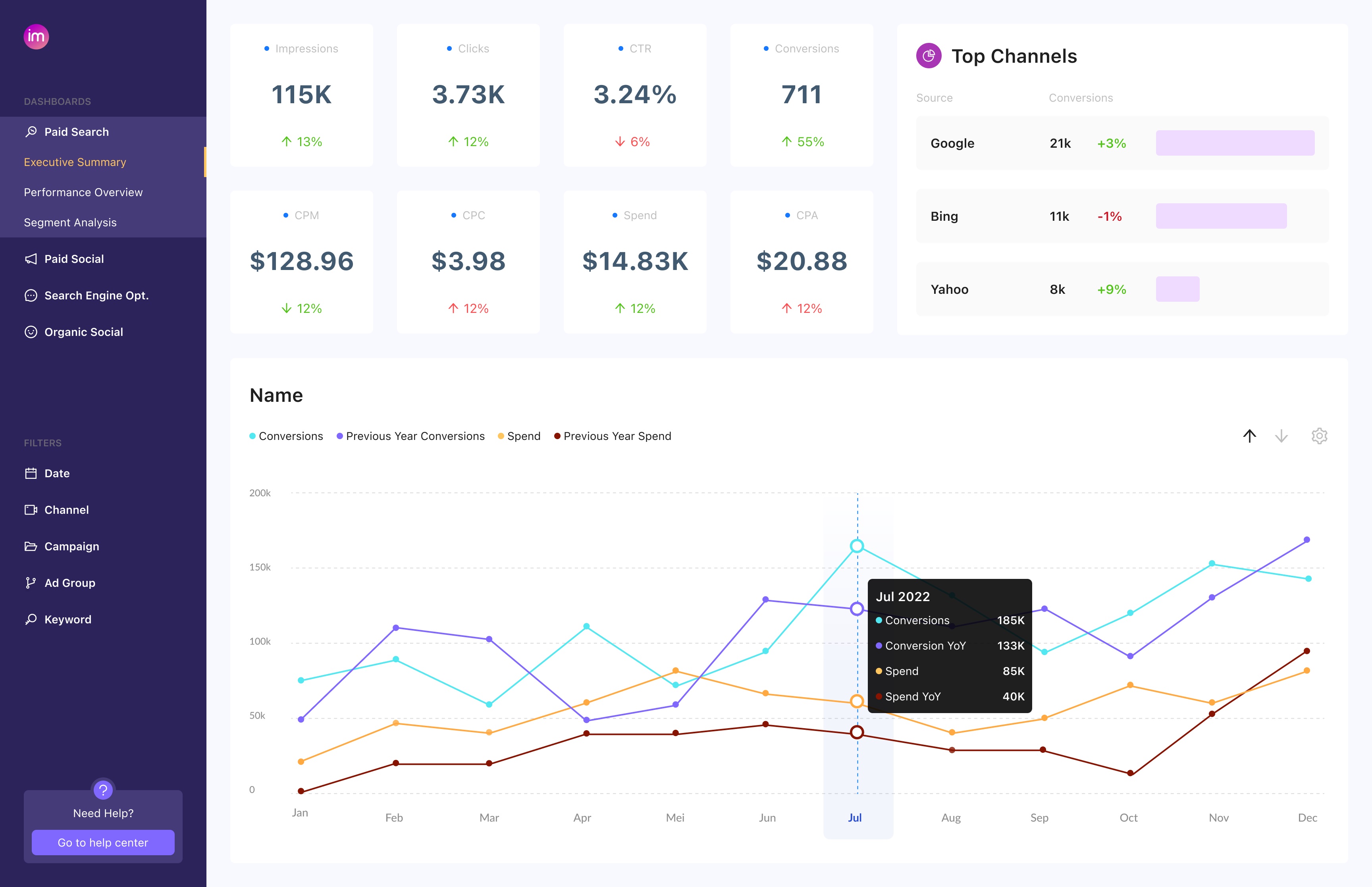
The Instagram ad analytics landscape in 2026 is a sophisticated ecosystem centered on Meta Ads Manager, integrating AI-driven predictive modeling and privacy-first measurement. To succeed, advertisers must synthesize native platform me...
The Instagram ad analytics landscape in 2026 is a sophisticated ecosystem centered on Meta Ads Manager, integrating AI-driven predictive modeling and privacy-first measurement. To succeed, advertisers must synthesize native platform metrics with external attribution data, focusing on long-term incremental lift and cross-device conversion paths rather than isolated, last-click performance indicators.
Contents
The Dual Nature of Instagram Measurement: Native vs. Advanced
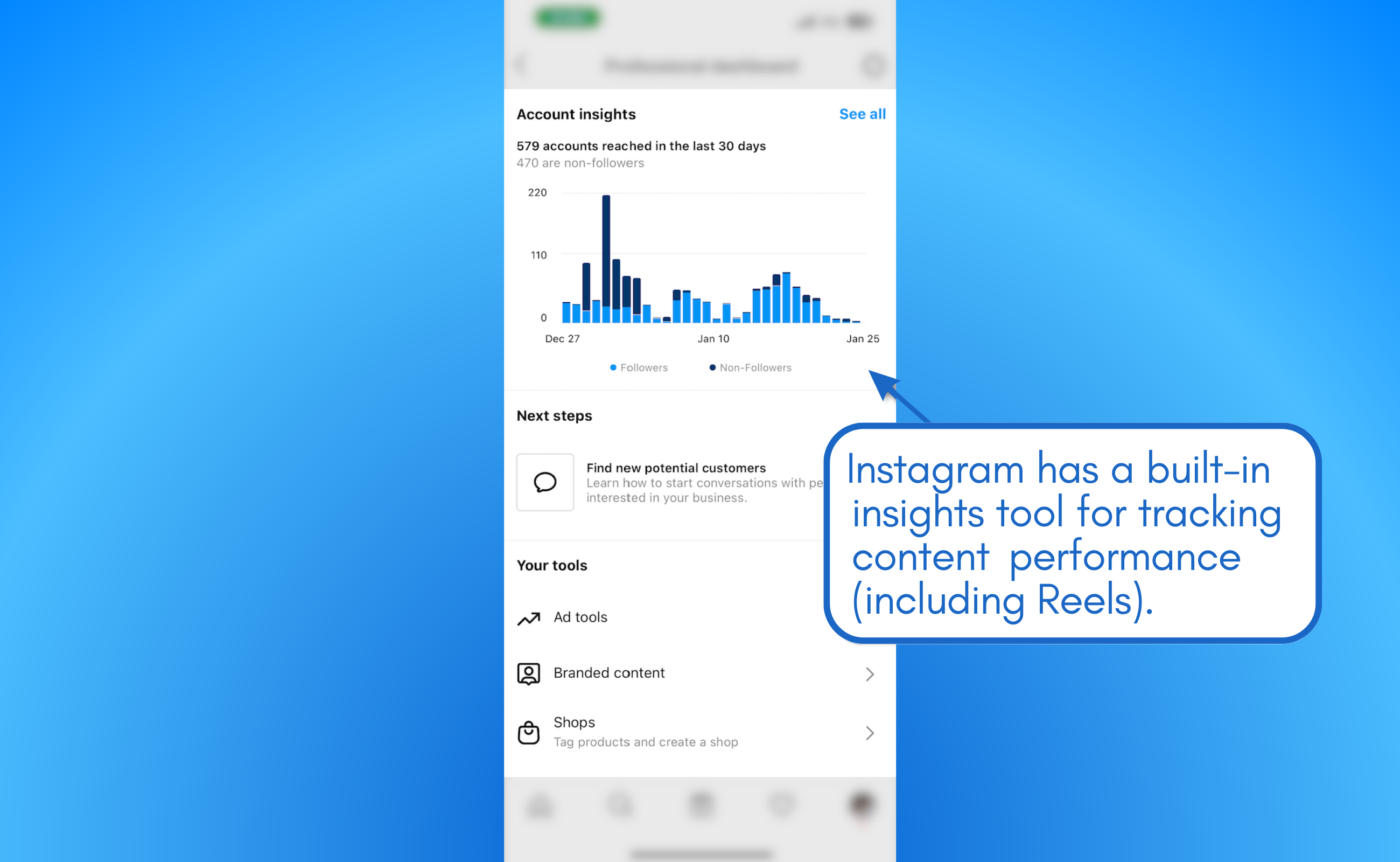
Navigating the Instagram ad analytics landscape requires a clear distinction between two primary reporting environments: Instagram Insights (the on-device app tool) and Meta Ads Manager (the professional desktop suite). While both offer data, they serve fundamentally different strategic purposes.
Instagram Insights is primarily designed for creators and small business owners managing organic presence. It provides a surface-level view of account health, showing "Likes," "Saves," and "Profile Visits." However, for any serious advertiser, Insights is insufficient. It lacks the robust attribution windows and granular segmentation necessary to determine the financial return on investment (ROI).
Meta Ads Manager serves as the technical engine of the landscape. In 2026, this platform has evolved to handle the complexities of signal loss caused by evolving privacy regulations. It uses Aggregated Event Measurement and advanced machine learning to "fill in the gaps" where direct tracking is impossible. This is where professional media buyers analyze the technical nuances of their campaigns, such as frequency caps, auction overlap, and creative fatigue. Understanding this landscape means recognizing that the data seen in Ads Manager is often a modeled estimate designed to reflect the most probable outcome of an ad spend, rather than a 1:1 census of every user action.
Core Performance Metrics: Moving Beyond Vanity
To master the analytics landscape, one must prioritize metrics that correlate directly with business growth. In 2026, the industry has shifted away from "vanity metrics" like likes or follows, which rarely predict revenue. Instead, the focus is on three specific tiers of measurement:
1. Top-of-Funnel (Awareness) Metrics
In the awareness phase, the landscape focuses on Reach and Frequency. Reach tells you how many unique individuals saw your ad, while Frequency indicates how many times, on average, each person saw it. In 2026, managing frequency is critical; with the sheer volume of content on Reels and Stories, "creative exhaustion" happens faster than ever. Advertisers must monitor the Estimated Ad Recall Lift, a metric that uses polling and machine learning to determine how likely a user is to remember an ad two days after seeing it.
2. Middle-of-Funnel (Consideration) Metrics
As users move closer to a purchase, the metrics shift to engagement and intent. Click-Through Rate (CTR) remains a staple, but it is now segmented into "Link Clicks" versus "All Clicks." A high "All Clicks" rate with a low "Link Click" rate often suggests that users are clicking to see comments or profile information rather than visiting the destination URL. Furthermore, Thumbstop Ratio (3-second video views divided by impressions) has become a vital metric for Reels, indicating whether the creative hook is strong enough to stop the scroll.
3. Bottom-of-Funnel (Conversion) Metrics
The ultimate goal of most Instagram campaigns is the conversion. This is measured via Return on Ad Spend (ROAS) and Cost Per Result. However, in the 2026 landscape, these numbers are rarely taken at face value. Advertisers now rely heavily on Conversion API (CAPI) data, which sends server-side events directly to Meta, bypassing browser-based tracking limitations. This ensures that the analytics landscape remains accurate even when cookies or pixels are blocked.
The Role of Attribution in 2026
Attribution is perhaps the most misunderstood aspect of the Instagram ad analytics landscape. Attribution defines how credit for a sale is assigned to different touchpoints in a customer's journey. By default, Meta often uses a 7-day click or 1-day view attribution window. This means if a user sees an ad on Monday, doesn't click, but buys the product on Tuesday through a Google search, Instagram still claims credit for that sale.
Understanding the landscape requires a critical eye toward these windows. High-growth brands in 2026 often use Marketing Mix Modeling (MMM) or third-party attribution software to verify Meta’s claims. These tools help answer the "Incrementality" question: Would this sale have happened anyway without the Instagram ad? By running "Lift Studies" within the analytics suite, advertisers can hold back a control group from seeing ads to measure the true causal impact of their spend.
Analyzing Reels and Video Performance
With video content—specifically Reels—dominating Instagram, the analytics landscape has expanded to include deep-dive video metrics. Standard view counts are no longer sufficient for strategic planning.
- Average Watch Time: This metric reveals exactly where users drop off. If the drop-off occurs in the first two seconds, the "hook" failed. If it happens at the 50% mark, the "bridge" or value proposition was likely too long.
- Replays: In 2026, the algorithm heavily favors content that users watch more than once. Tracking "Replays" provides a strong signal of content resonance and potential virality.
- Sound-On vs. Sound-Off: Analytics now specify whether users engaged with the audio. This helps creative teams decide if captions are mandatory or if the visual storytelling is sufficient.
Comparing Tools in the Analytics Landscape
The following table compares the primary tools used to navigate the Instagram ad analytics landscape in 2026, helping teams choose the right solution for their technical needs.
| Tool Category | Primary Use Case | Key Strength | Limitation |
|---|---|---|---|
| Meta Ads Manager | Day-to-day optimization | Native integration; real-time bidding data. | Can be "self-preferencing" in attribution. |
| Instagram Insights | Organic account health | Ease of use; mobile accessibility. | No deep conversion or ROAS tracking. |
| Third-Party BI (e.g., Tableau) | Multi-channel reporting | Cross-platform data visualization. | High technical setup and cost. |
| Server-Side API (CAPI) | Data integrity | Bypasses browser/cookie blocks. | Requires developer resources to implement. |
| MMM Platforms | Long-term strategy | Measures true business incrementality. | Not useful for real-time, ad-level changes. |
Common Pitfalls in Data Interpretation
A significant challenge in the current landscape is the "Data Trap"—getting lost in numbers without understanding their context. One common mistake is over-optimizing for the Cost Per Click (CPC). In 2026, a low CPC often indicates that your ad is being shown to "click-happy" users who have no intention of buying. It is often better to pay a higher CPC for a more qualified audience that yields a higher Conversion Rate.
Another pitfall is ignoring Frequency. In a saturated market, showing the same ad to the same user more than four or five times often leads to "Ad Blindness" or negative brand sentiment. The 2026 analytics landscape allows for "Reach and Frequency" buying, which lets advertisers lock in a specific audience size and cap the number of times their ad is seen, preventing budget waste.
Future-Proofing Your Analytics Strategy
As we look further into 2026, the Instagram ad analytics landscape is becoming increasingly automated. Advantage+ Campaigns now use AI to automate audience targeting and creative testing. While this simplifies the workflow, it makes the "Analysis" phase even more critical. Human intervention is required to ensure that the AI isn't simply chasing the "low-hanging fruit" of existing customers (retargeting) rather than finding new ones (prospecting).
To future-proof your strategy, ensure your Meta Pixel and Conversion API are perfectly synced. Data cleanliness is the prerequisite for all AI-driven tools. If the data going into the system is flawed, the automated optimizations will be equally ineffective.
Frequently Asked Questions
What is the most important metric for Instagram Ads in 2026? While it depends on your goal, Return on Ad Spend (ROAS) remains the gold standard for e-commerce. However, for brand building, Incremental Lift—the measure of additional sales generated specifically because of the ads—is considered the most accurate reflection of success in the modern landscape.
How does the 2026 privacy landscape affect my Instagram tracking? Privacy regulations and operating system updates have limited the ability to track users across different apps. To counter this, the analytics landscape relies on Aggregated Event Measurement and server-side tracking (CAPI). This means some data is "modeled," representing statistical probabilities rather than direct individual tracking.
Why does Meta Ads Manager show more sales than my website's backend? This is usually due to the Attribution Window. Meta may count a sale if a user saw an ad within the last 24 hours, even if they didn't click it. Your website backend (like Shopify or Google Analytics) usually uses "Last-Click" attribution, giving credit only to the very last link the user clicked before buying.
Is Instagram Insights enough for a small business running ads? No. Instagram Insights is tailored for organic content. For any paid activity, you must use Meta Ads Manager. It provides the necessary tools to track conversions, manage budgets, and understand the technical performance of your paid media.
How often should I check my Instagram ad analytics? For active campaigns, a daily "health check" is recommended to ensure spend is on track and there are no technical errors. However, you should wait for at least 50 conversions per ad set before making significant strategic changes, as the Meta algorithm needs this "learning phase" to stabilize.
Recommendation for Next Actions
To effectively navigate the Instagram ad analytics landscape, your first priority should be the implementation of the Meta Conversion API (CAPI) alongside the standard Pixel. This dual-layer tracking is the only way to ensure data accuracy in 2026. Once your data flow is secure, move away from looking at individual ad performance in isolation. Instead, adopt a "Holistic Account" view, measuring how your total Instagram spend impacts your overall business revenue over a 30-day window. Start by auditing your current attribution settings in Meta Ads Manager to ensure they align with your actual customer purchase cycle.
Image Gallery