Understanding the Raw Material ETF Landscape
Raw material ETFs provide investors with a streamlined mechanism to gain exposure to physical commodities—ranging from precious metals and energy to agricultural products—without the logistical burden of physical ownership. By 2026, th...
Raw material ETFs provide investors with a streamlined mechanism to gain exposure to physical commodities—ranging from precious metals and energy to agricultural products—without the logistical burden of physical ownership. By 2026, this landscape has evolved into a sophisticated ecosystem of physical, futures-based, and equity-linked vehicles tailored for inflation hedging and thematic growth.
Contents
Navigating the raw material (commodity) ETF market requires a nuanced understanding of how these financial instruments track underlying assets. Unlike traditional stock ETFs, which represent ownership in a company, raw material ETFs must grapple with the physical realities of the goods they track. This guide explores the structural mechanics, market segments, and strategic considerations essential for mastering the current commodity landscape.
Categorizing the Raw Material Universe: Hard vs. Soft Commodities
To understand the ETF landscape, one must first distinguish between the two primary categories of raw materials. These categories dictate not only the supply-demand dynamics but also the specific risks associated with the ETFs that track them.
Hard Commodities
Hard commodities are natural resources that must be mined or extracted. These include:
- Energy: Crude oil, natural gas, and heating oil.
- Precious Metals: Gold, silver, platinum, and palladium.
- Industrial Metals: Copper, aluminum, nickel, and zinc.
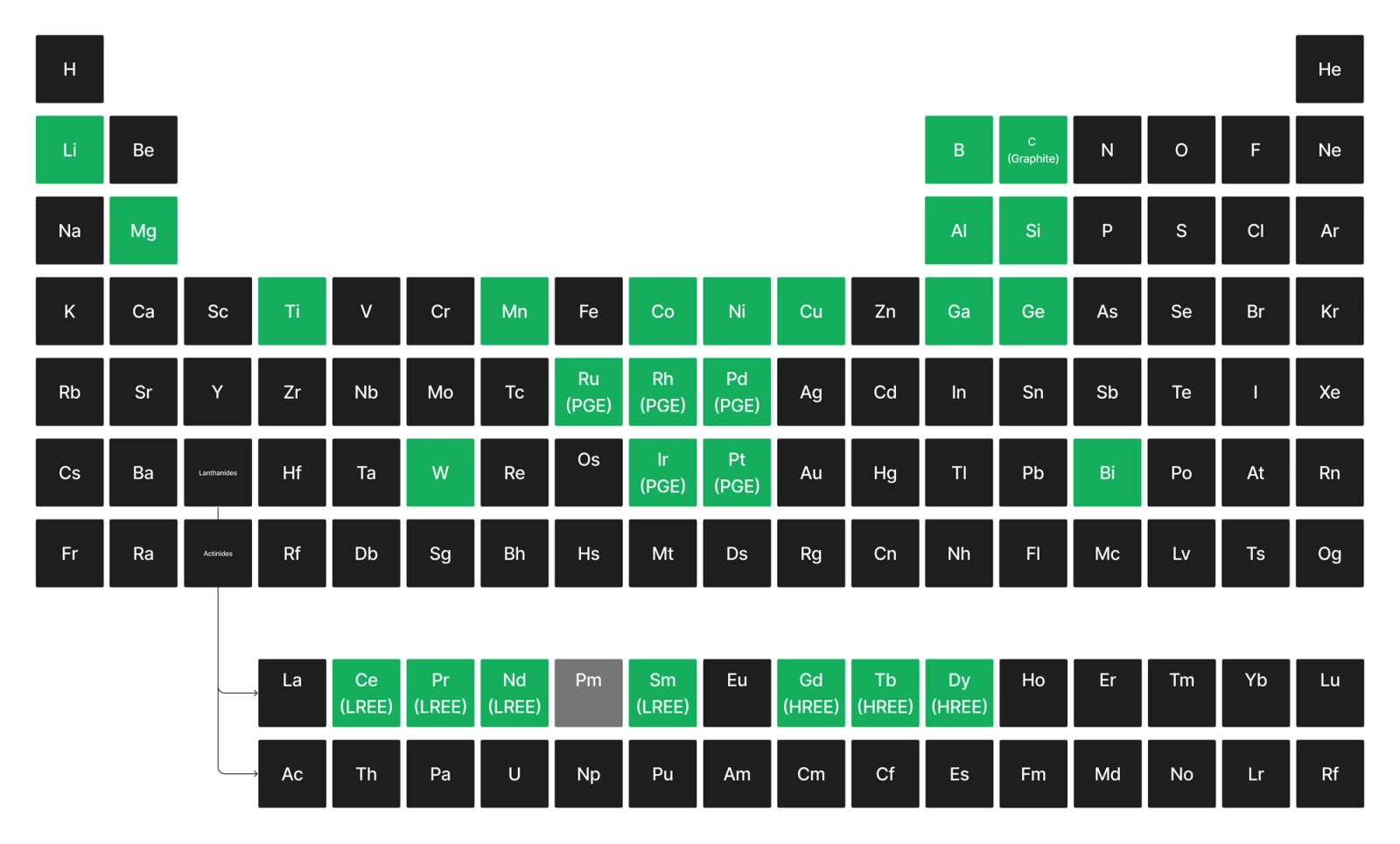
In 2026, industrial metals have gained significant prominence due to the global shift toward electrification and renewable energy infrastructure. ETFs focusing on "critical minerals" like lithium and cobalt are now staples of the hard commodity landscape.
Soft Commodities
Soft commodities are typically grown rather than mined. They are highly sensitive to weather patterns, soil health, and seasonal cycles. Key sub-sectors include:
- Grains and Oilseeds: Corn, wheat, and soybeans.
- Livestock: Lean hogs and live cattle.
- Softs: Coffee, sugar, cocoa, and cotton.
Investors often use soft commodity ETFs as tactical plays against climate-driven supply shocks or as a hedge against rising food inflation.
The Three Pillars of ETF Structure
The "how" of a raw material ETF is as important as the "what." In the 2026 market, three primary structures dominate the landscape, each offering a different relationship to the spot price of the raw material.
1. Physically Backed ETFs
These funds hold the actual physical commodity in secure vaults. This structure is most common for precious metals like gold and silver.
- Pros: They provide the closest possible tracking of the spot price and eliminate "roll yield" risk.
- Cons: Investors must pay for storage and insurance, which are baked into the expense ratio. Furthermore, physical backing is impractical for commodities like crude oil or live cattle.
2. Futures-Based ETFs
Most broad-based raw material ETFs use futures contracts to gain exposure. Instead of owning barrels of oil, the fund owns a contract to buy oil at a future date.
- The Roll Process: To avoid taking physical delivery, the fund must "roll" its contracts—selling the expiring month and buying the next month.
- Contango and Backwardation: These technical states of the futures curve can significantly impact returns. If the future price is higher than the current price (contango), the fund loses money during the roll. If the future price is lower (backwardation), the fund can actually generate a "roll yield" profit.
3. Equity-Linked (Producer) ETFs
These ETFs do not track the price of the raw material directly. Instead, they invest in the companies that extract, process, or trade them (e.g., gold miners or oil giants).
- Pros: These companies often pay dividends and can use operational leverage to outperform the underlying commodity during bull markets.
- Cons: They are subject to stock market volatility, management risks, and corporate debt levels, meaning they may not always move in sync with the raw material price.
Technical Mechanics: Understanding the "Drag" on Returns
A common mistake for those new to the raw material ETF landscape is assuming that if the price of oil rises 10%, an oil ETF will also rise 10%. This is rarely the case for futures-based funds due to the mechanics of the futures curve.
Contango and the Cost of Carry
When a market is in contango, the ETF is effectively "buying high and selling low" every month as it rolls its contracts. This creates a persistent drag on performance, often referred to as a "negative roll yield." In 2026, sophisticated ETFs utilize "optimized roll" strategies, which attempt to minimize this drag by selecting contracts further out on the curve where the price difference is less pronounced.
Expense Ratios and Transaction Costs
Raw material ETFs generally carry higher expense ratios than broad market index funds. Managing physical storage or complex futures portfolios incurs higher institutional costs. Additionally, the bid-ask spreads on niche commodity ETFs can be wider, making them more expensive for high-frequency trading.
The 2026 Landscape: Strategic Segments and Themes
As of 2026, the raw material ETF market has fragmented into several highly specialized themes. Investors no longer just buy "commodities"; they target specific economic outcomes.
| Segment | Primary Use Case | Leading Asset Examples | Key Risk Factor |
|---|---|---|---|
| Inflation Hedges | Preserving purchasing power | Gold, Broad Commodity Baskets | Rising real interest rates |
| Transition Minerals | Betting on the Green Economy | Copper, Lithium, Nickel | Technological obsolescence |
| Agri-Tech/Food | Population growth/Climate play | Wheat, Soybeans, Water | Geopolitical export bans |
| Energy Security | Hedging geopolitical strife | Crude Oil, Natural Gas, Uranium | Regulatory shifts/Carbon taxes |
The Rise of Transition Minerals
In 2026, "Transition Mineral" ETFs have become a distinct asset class. These funds focus on the raw materials required for EV batteries, solar panels, and wind turbines. Unlike gold, which is often viewed as a "safe haven," these materials are highly cyclical and tied to global industrial production.
Broad-Based Commodity Baskets
For many institutional investors, the preferred entry point remains the diversified basket. These ETFs track indices like the Bloomberg Commodity Index (BCOM) or the S&P GSCI. They provide a balanced exposure across energy, metals, and agriculture, reducing the impact of a crash in any single sector.
Tax and Regulatory Considerations
The legal structure of a raw material ETF has significant implications for an investor's tax bill. In the United States, for example, many commodity ETFs are structured as Grantor Trusts or Limited Partnerships (LPs).
- K-1 Forms: ETFs structured as LPs (common for futures-based funds) often issue a Schedule K-1 instead of a 1099-DIV. This can complicate tax filing and is a critical consideration for retail investors.
- 60/40 Rule: Under Section 1256 of the Internal Revenue Code, certain futures-based ETFs are taxed at a hybrid rate: 60% long-term capital gains and 40% short-term, regardless of how long the shares were held.
- 1940 Act Funds: To cater to retail investors, many providers have launched commodity ETFs under the Investment Company Act of 1940. These funds generally provide 1099s and avoid K-1s by using offshore subsidiaries to hold futures, though they may have slightly higher internal costs.
Risk Management in Raw Material Investing
Raw materials are among the most volatile asset classes in the global market. Unlike stocks, which have the potential for infinite growth through innovation, commodities are mean-reverting over the long term. They are driven by the brutal math of supply and demand.
- Geopolitical Risk: A conflict in the Middle East or a trade war in East Asia can cause immediate and violent price swings in energy and metal ETFs.
- Currency Risk: Most raw materials are priced in U.S. Dollars. When the dollar strengthens, commodities typically become more expensive for foreign buyers, leading to a drop in demand and price.
- Regulatory Risk: In 2026, environmental regulations and carbon pricing are increasingly impacting the "all-in sustaining cost" of raw materials. An ETF tracking carbon-intensive materials may face headwinds if new "border adjustment taxes" are implemented by major economies.
FAQ
What is the difference between a commodity ETF and a commodity ETN?
An ETF (Exchange-Traded Fund) holds underlying assets or futures. An ETN (Exchange-Traded Note) is an unsecured debt obligation issued by a bank. If the bank goes bankrupt, ETN holders could lose their entire investment, even if the underlying raw material performs well. ETNs are often used for very niche commodities because they eliminate tracking error.
Why do some raw material ETFs fall even when the spot price is rising?
This usually happens in futures-based ETFs during periods of steep contango. If the cost of "rolling" the contract is higher than the gain in the spot price, the fund’s Net Asset Value (NAV) will decline. This is why long-term holding of futures-based ETFs requires caution.
Are raw material ETFs a good hedge against inflation?
Historically, yes. Raw materials are the "input costs" of the global economy. When the cost of living rises, it is often because the prices of energy, food, and industrial metals have increased. Owning these assets can help offset the declining purchasing power of currency.
How do I avoid receiving a K-1 tax form?
Investors should look for raw material ETFs that are structured as "1940 Act" funds. These are often labeled as "Strategy" or "No K-1" funds in their prospectuses. Always verify the tax structure in the "Summary Prospectus" before purchasing.
Which raw materials are considered the most "stable"?
No raw material is truly stable, but gold is generally considered the least volatile over long periods. In contrast, natural gas and agriculture (softs) are known for extreme volatility due to weather events and infrastructure bottlenecks.
Final Recommendation
When building a position in the raw material ETF landscape, diversification is paramount. For most long-term investors, a diversified commodity basket structured as a 1940 Act fund (avoiding K-1s) offers the best balance of inflation protection and operational simplicity. However, for those seeking to capitalize on the 2026 energy transition, targeted exposure to industrial metals via equity-linked ETFs may provide higher growth potential, albeit with higher equity-market correlation. Always align the choice of ETF structure—physical, futures, or equity—with your specific time horizon and risk tolerance.
Image Gallery