How Measles in California Impacts a Disneyland Visit: Safety, Requirements, and Planning
A measles outbreak in California can significantly impact a Disneyland visit by triggering enhanced public health surveillance, stricter entry recommendations, and potential exposure risks for unvaccinated guests. While California law...
A measles outbreak in California can significantly impact a Disneyland visit by triggering enhanced public health surveillance, stricter entry recommendations, and potential exposure risks for unvaccinated guests. While California law mandates vaccinations for school-aged children, Disneyland remains a high-density international hub where herd immunity is the primary defense against the highly contagious virus.
Contents
Measles (rubeola) is one of the most infectious diseases known to medical science. Because Disneyland Resort in Anaheim attracts millions of visitors from across the globe, it serves as a unique crossroads for pathogens. In 2026, navigating the parks requires a clear understanding of your immunization status, current California health mandates, and the operational changes the Walt Disney Company implements during public health concerns. This guide examines the technical, legal, and practical aspects of how measles affects the "Happiest Place on Earth."
The Historical Context: The 2014-2015 Disneyland Outbreak
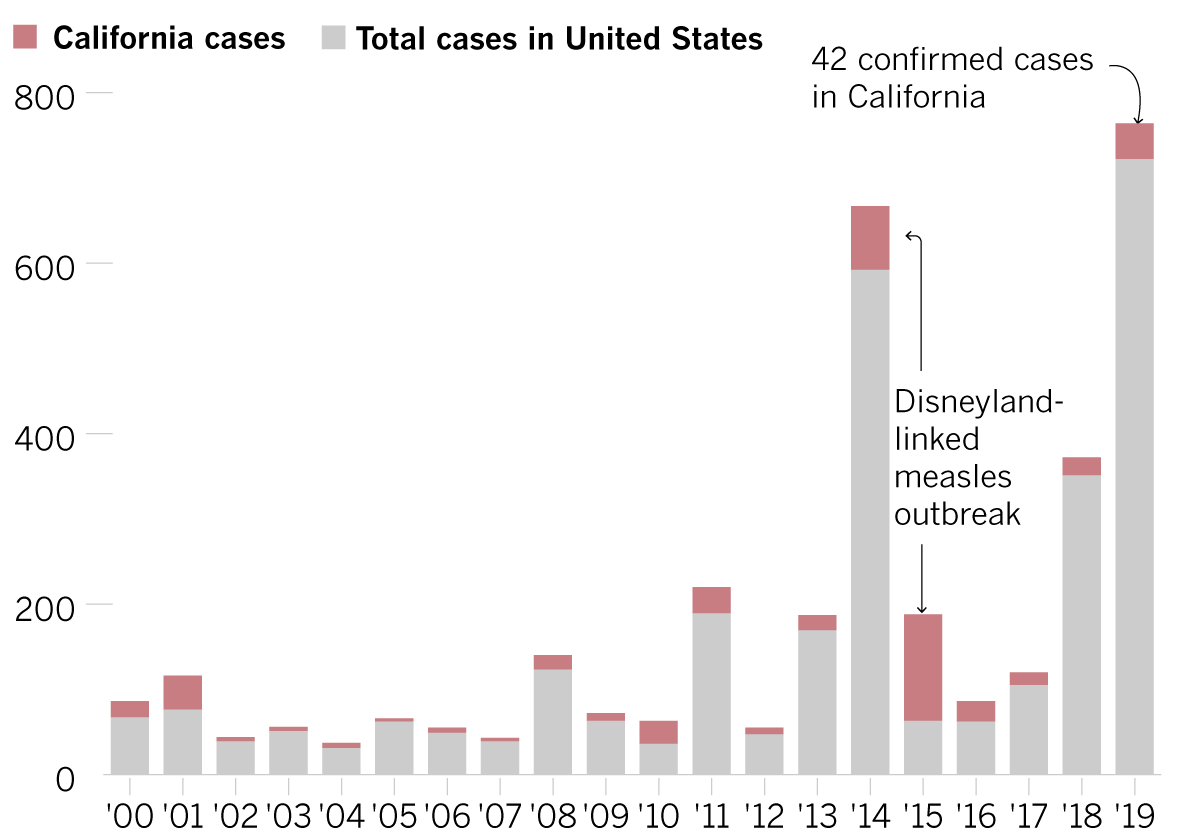
To understand the current impact of measles on a Disneyland visit, one must look at the 2014-2015 outbreak that fundamentally changed California public health policy. In late 2014, a measles outbreak began at Disneyland Park, eventually resulting in 147 confirmed cases across several states and countries.
The technical reason for this rapid spread was the virus’s high basic reproduction number (R0), which is estimated to be between 12 and 18. This means a single infected individual can, on average, infect 12 to 18 non-immune people. In the high-density environment of a theme park—where guests stand in enclosed queues, sit in shared ride vehicles, and breathe recirculated air in indoor theaters—the virus can linger in the air for up to two hours after an infected person has left the area.
Following this event, the California legislature passed Senate Bill 277 (SB 277), which eliminated personal belief exemptions for required childhood vaccines in schools and childcare centers. As of 2026, this law has significantly bolstered local herd immunity among California residents, who make up a large portion of the park's "Magic Key" holders. However, because Disneyland is an international destination, the risk profile is dictated not just by local laws, but by global vaccination trends.
California Vaccination Laws and Park Entry Requirements
A common question for travelers is whether Disneyland requires proof of vaccination for entry. As of 2026, Disneyland does not mandate a "vaccine passport" specifically for measles (MMR vaccine) to enter the parks. However, the legal and regulatory framework in California creates a environment of strong recommendation and cooperation with the California Department of Public Health (CDPH).
The Role of SB 277 and SB 276
While these laws focus on school enrollment, they impact the Disneyland ecosystem by ensuring that the vast majority of local children are immunized. This creates a "shield" of herd immunity that protects those who cannot be vaccinated, such as infants under 12 months or immunocompromised individuals. If you are visiting from a region with lower vaccination rates, your risk of contracting or spreading the virus increases within the park's dense crowds.
Public Health Authority and Park Operations
Under the California Health and Safety Code, local health officers (such as those from the Orange County Health Care Agency) have the authority to issue quarantine orders or closure recommendations if a significant public health threat is detected. During a measles "event," the impacts on your visit might include:
- Health Advisory Notices: Digital notifications sent via the Disneyland App or posted at park entrances.
- Voluntary Screenings: Non-invasive observations by park staff to identify visibly ill guests.
- Contact Tracing Cooperation: Disney works closely with health officials to identify potential exposure windows at specific attractions or dining locations.
Assessing Your Risk: Biological and Environmental Factors
The impact of measles on your visit depends largely on your personal "immunological history." The MMR (Measles, Mumps, and Rubella) vaccine is the gold standard for protection.
Vaccine Effectiveness and Duration
The CDC notes that one dose of the MMR vaccine is approximately 93% effective at preventing measles, while two doses are about 97% effective. For most adults vaccinated in childhood, this protection is lifelong. However, if you are unsure of your status, a titer test (a blood test that measures the level of antibodies) can confirm if you are still immune before your trip.
High-Risk Environments Within the Park
Disneyland is designed to maximize guest throughput, which inadvertently creates ideal conditions for respiratory virus transmission. Specific areas that pose a higher risk during a measles outbreak include:
- Indoor Queues: Attractions like "Space Mountain" or "Indiana Jones Adventure" involve long periods in enclosed spaces with high guest turnover.
- Theater Presentations: Shows like "Great Moments with Mr. Lincoln" or "Mickey’s PhilharMagic" gather hundreds of people in a single room for 15–20 minutes.
- Transport Systems: The Disneyland Monorail and the parking lot shuttles are high-density transit points where air circulation is limited compared to outdoor walkways.
| Vaccination Status | Estimated Protection Level | Recommended Action for Disneyland Visit |
|---|---|---|
| Fully Vaccinated (2 Doses) | 97% | Low risk; follow standard hygiene protocols. |
| Partially Vaccinated (1 Dose) | 93% | Moderate risk; consider a booster if traveling from an outbreak area. |
| Unvaccinated (No Immunity) | 0% | High risk; consult a physician; avoid the park during active outbreaks. |
| Infants (< 12 Months) | Passive (Maternal) | Extremely high risk; consult a pediatrician regarding early vaccination. |
Practical Steps for Planning a Visit During a Measles Alert
If health officials issue a measles alert for Orange County or California during your 2026 travel window, you do not necessarily need to cancel your trip, but you must take proactive steps to mitigate risk and financial loss.
Pre-Trip Medical Verification
At least four to six weeks before your arrival, verify the immunization records for every member of your party. This is particularly crucial for international travelers, as different countries utilize different vaccine schedules. If a member of your group is immunocompromised, a consultation with an infectious disease specialist is recommended to weigh the risks of visiting a high-traffic venue.
Travel Insurance Considerations
Standard travel insurance may not cover cancellations due to a "fear of illness" unless a formal government quarantine or travel ban is in place. When booking your 2026 Disneyland package, look for Cancel for Any Reason (CFAR) coverage. This technical nuance ensures that if an outbreak occurs and you choose not to go, you can recoup a percentage of your non-refundable deposits (usually 50–75%).
Utilizing the Disneyland App for Safety
The Disneyland App is the primary communication tool for park operations. During a health event, Disney may use the app to:
- Communicate changes in park hours or attraction availability.
- Provide real-time updates on health and safety protocols.
- Enable Mobile Ordering for food to reduce time spent in crowded dining halls.
What to Do if Exposed at Disneyland
The incubation period for measles is typically 10 to 14 days. If the CDPH identifies a Disneyland guest as having been infectious while in the park, they will often release specific "exposure windows"—dates and times when the virus was likely present in certain areas.
If you were present during an exposure window:
- Check Immunity: Immediately verify your vaccination records.
- Monitor Symptoms: Look for high fever, cough, runny nose, and red/watery eyes (the "three Cs"). The characteristic rash usually appears 3–5 days after the first symptoms.
- Isolate and Call Ahead: If symptoms develop, do not walk into a doctor’s office or urgent care. Call ahead so they can take precautions to prevent the infection of other patients in the waiting room.
- Notify Health Authorities: If you test positive after a Disneyland visit, notifying the Orange County Health Care Agency helps them protect other guests through contact tracing.
Medical and Safety Limitations
Disclaimer: This information is for educational purposes and does not constitute medical or legal advice. Always consult with a qualified healthcare provider regarding vaccinations and infectious disease risks. For current California health orders, visit the California Department of Public Health (CDPH) or the Centers for Disease Control and Prevention (CDC).
Measles is a serious condition that can lead to complications such as pneumonia or encephalitis (swelling of the brain). While the risk at Disneyland is managed through high community vaccination rates, the "impact" of the virus is a shared responsibility between the park operator, the government, and the individual guest.
Frequently Asked Questions
Does Disneyland require a measles vaccine for children to enter?
No, Disneyland does not currently require proof of vaccination for park entry. However, California law (SB 277) requires vaccinations for children attending schools and daycares within the state, which contributes to the overall safety of the environment for all guests.
Can I get a refund if there is a measles outbreak during my trip?
Disneyland’s standard ticket policy is that tickets are non-refundable. However, they are often valid for future dates. If you have a vacation package, cancellation fees apply unless you have specific travel insurance that covers health-related cancellations.
Is it safe for babies who haven't had their MMR shot yet?
Infants under 12 months are generally too young for the standard MMR vaccine and rely on herd immunity. During a known outbreak in California, health officials often advise against taking unimmunized infants to crowded public places like Disneyland.
How does Disney clean the park to prevent measles?
While Disney maintains high standards of cleanliness, measles is primarily an airborne virus rather than a surface-borne one. This means that surface cleaning, while helpful for other germs, is less effective against measles than proper ventilation and high community vaccination levels.
What should I do if I see someone with a rash at the park?
A rash can be caused by many things, including heat or common allergies. If you are concerned about your health or see someone who appears visibly ill with a fever and cough, you can report your concern to a Cast Member or visit one of the First Aid stations located in each park for guidance.
Final Recommendation
When planning your 2026 Disneyland visit, the most effective way to eliminate the impact of measles on your trip is to ensure your entire party is fully vaccinated at least two weeks prior to arrival. By maintaining up-to-date immunizations, you can focus on the attractions and entertainment with the confidence that you are protected against one of the world's most contagious viruses. For the latest health updates, always check the "Travelers' Health" section of the CDC website before your departure.
Image Gallery