How to Rehabilitate a Student Loan: A Complete Guide to Exiting Default
To rehabilitate a student loan, you must enter into a formal agreement with your loan holder to make nine voluntary, on-time, and affordable monthly payments within a period of ten consecutive months. Successfully completing this proce...
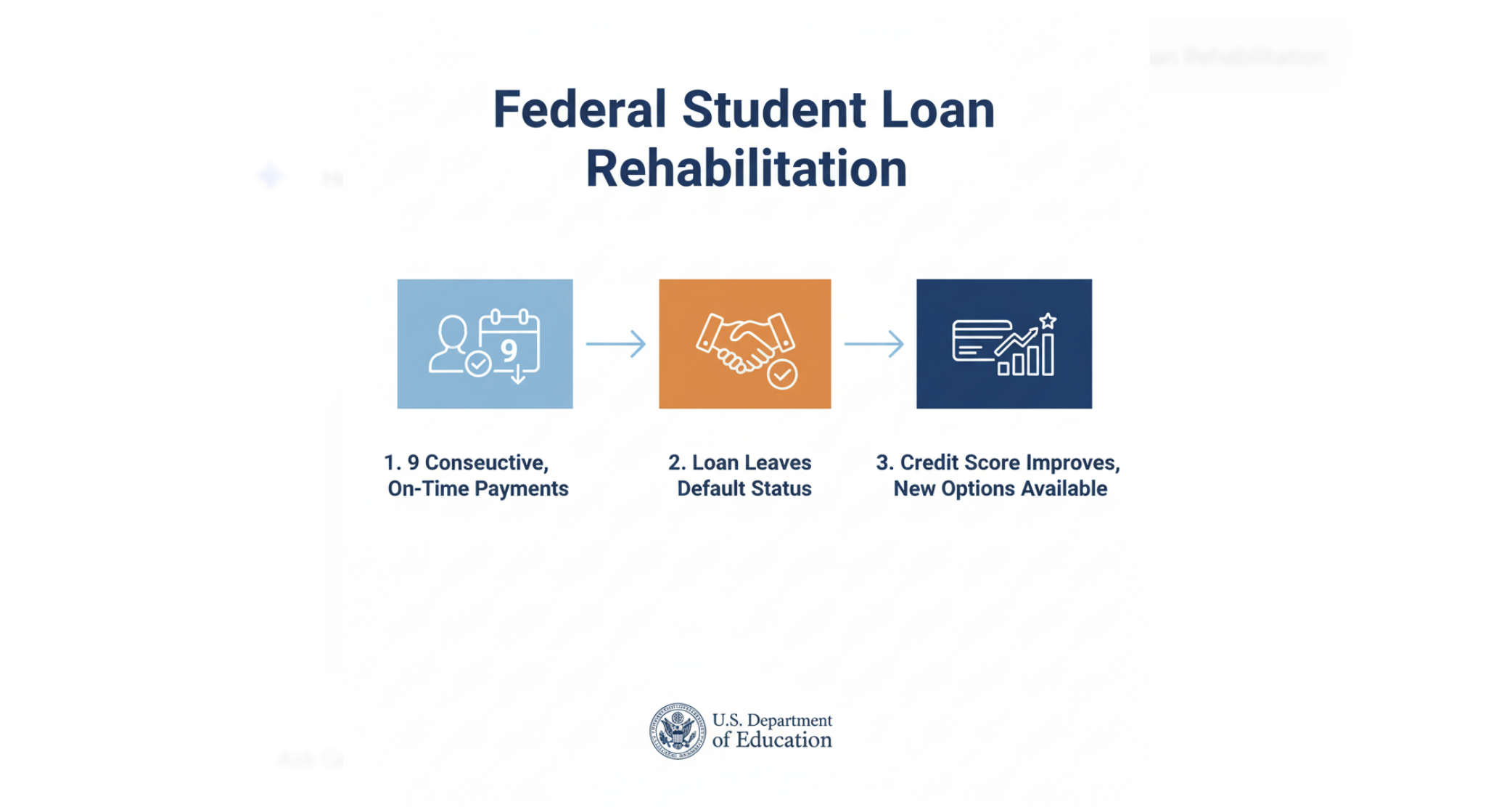
To rehabilitate a student loan, you must enter into a formal agreement with your loan holder to make nine voluntary, on-time, and affordable monthly payments within a period of ten consecutive months. Successfully completing this process removes the default status from your credit report and restores your eligibility for federal student aid and repayment benefits.
Contents
Student loan default is a significant financial hurdle that can lead to wage garnishment, tax refund offset, and a severely damaged credit score. As of 2026, federal guidelines continue to provide loan rehabilitation as a primary "one-time" opportunity for borrowers to bring their accounts back into good standing. Unlike other debt relief options, rehabilitation addresses both the status of the loan and the specific negative reporting on your credit history, making it a powerful tool for long-term financial recovery.
Understanding the Mechanics of Student Loan Rehabilitation
Student loan rehabilitation is a statutory program designed specifically for federal student loans that have entered default—typically after 270 days of non-payment. This process is distinct from simply starting to pay your bill again; it is a structured legal pathway to move your debt from a collection agency or the Department of Education’s Default Management Group back to a standard loan servicer.
When a loan is in default, the entire balance becomes due immediately, a process known as acceleration. Rehabilitation pauses the aggressive collection efforts associated with acceleration. The most critical aspect of rehabilitation is the "reasonable and affordable" payment standard. Your loan holder is legally required to offer a payment amount based on your discretionary income. In many cases, if your income is low enough, this payment can be as little as $5 per month, provided you submit the necessary financial documentation.
It is important to note that rehabilitation is generally a one-time opportunity. If you rehabilitate a loan and then default on it again in the future, you typically cannot use the rehabilitation process a second time for that specific loan. This makes it vital to have a sustainable repayment plan ready for the moment the rehabilitation period ends.
Eligibility and Prerequisites for 2026
Before initiating the rehabilitation process, you must verify that your loans are eligible. Only federal loans owned by the U.S. Department of Education or those in the Federal Family Education Loan (FFEL) program are eligible for this specific statutory rehabilitation.
Eligible Loan Types
- Direct Subsidized and Unsubsidized Loans
- Direct PLUS Loans
- Federal Perkins Loans (handled through the school that issued the loan)
- Subsidized and Unsubsidized Federal Stafford Loans
Private student loans do not have a statutory right to rehabilitation. If you have defaulted on a private loan, you must negotiate directly with the private lender or collection agency, as they are not bound by federal rehabilitation laws.
The "One-Time" Rule
As of 2026, the Department of Education enforces the rule that a borrower can only rehabilitate a specific defaulted loan once. If you have previously rehabilitated the same loan and defaulted again, your primary path to exiting default will likely be loan consolidation, provided you meet the requirements for that alternative.
The Step-by-Step Rehabilitation Process
Navigating the rehabilitation process requires proactive communication and strict adherence to the payment schedule. Any deviation from the agreed-upon terms can reset your progress or disqualify you from the program.
1. Identify Your Loan Holder
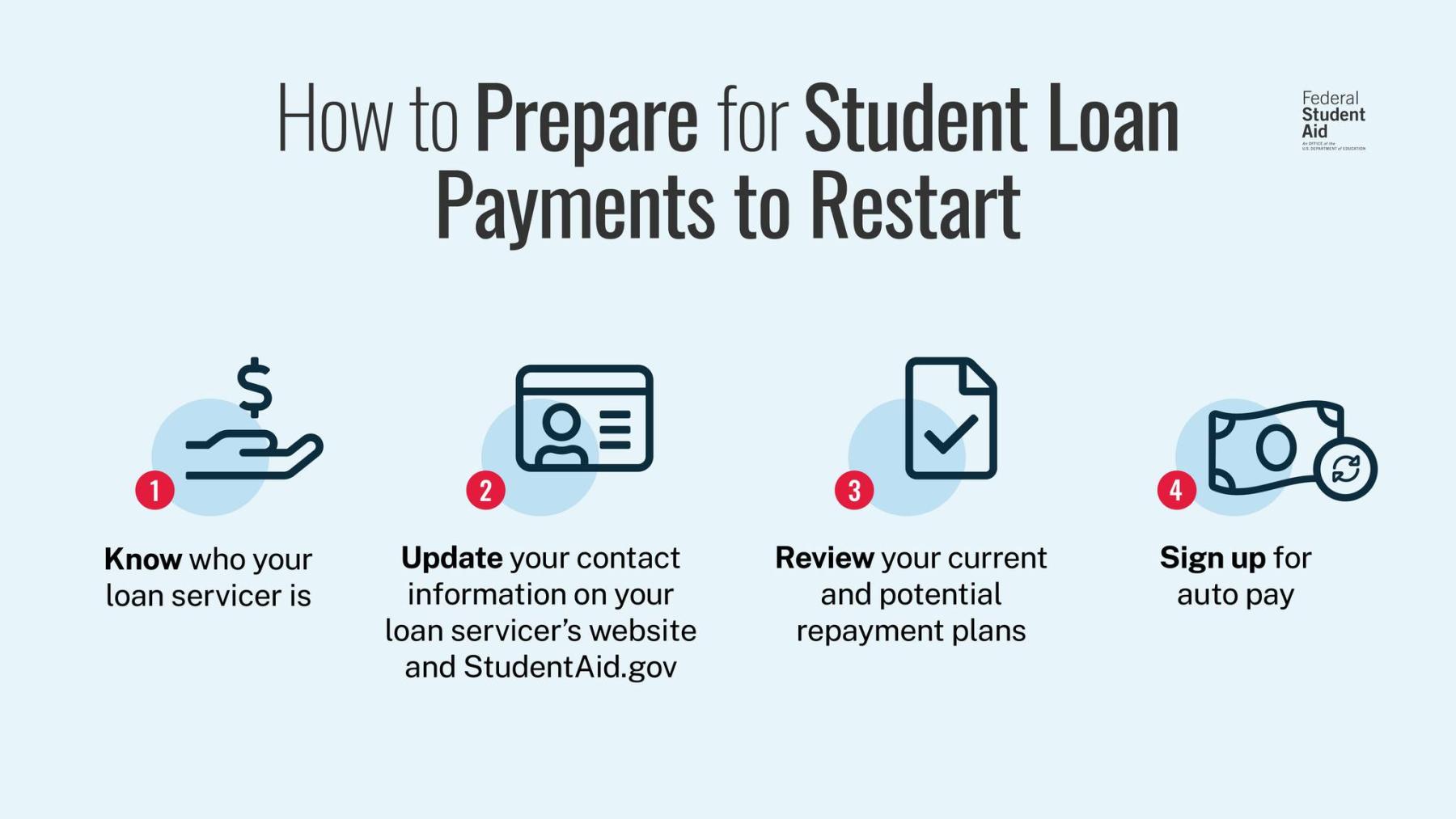
You must first determine who currently holds your defaulted debt. This is often a third-party collection agency contracted by the Department of Education. You can find this information by logging into your account at StudentAid.gov or by calling the Default Management Group.
2. Request a "Reasonable and Affordable" Payment
Contact the loan holder and state that you wish to rehabilitate your loans. They will calculate your payment using the 15% formula. This formula takes your Adjusted Gross Income (AGI), subtracts 150% of the poverty guideline for your family size and state, and sets the payment at 15% of the remainder.
If the calculated amount is still too high, you can request a calculation based on your actual expenses and income using a Financial Disclosure Form. This secondary method allows the collector to consider your necessary living expenses, such as rent and utilities, to arrive at a lower monthly payment.
3. Sign the Rehabilitation Agreement
Once a payment amount is determined, the loan holder will send you a written rehabilitation agreement. Do not begin payments until you have received and reviewed this document. It outlines the exact amount due, the due dates, and the consequences of missing a payment. You must sign and return this agreement to officially start the 10-month window.
4. Complete Nine On-Time Payments
You must make nine voluntary payments within 10 consecutive months. "Voluntary" means the payments must be made by you; involuntary payments, such as those taken through wage garnishment or tax refund offsets, do not count toward your nine payments.
"On-time" is defined as a payment received within 20 days of the due date. If you miss more than one payment or are consistently late beyond the 20-day grace period, the rehabilitation clock may reset, or the agreement may be terminated.
5. Transition to a New Servicer
After your ninth successful payment, your loan holder will "sell" or transfer the loan to a standard student loan servicer. At this point, the loan is no longer in default. You will receive a notice from your new servicer with instructions on how to set up your account and choose a new repayment plan.
Rehabilitation vs. Consolidation: A Comparative Analysis
While rehabilitation is a common path out of default, it is not the only one. Loan consolidation allows you to combine your defaulted loans into a new Direct Consolidation Loan. Understanding the differences is essential for choosing the right strategy for your credit and financial future.
| Feature | Student Loan Rehabilitation | Loan Consolidation |
|---|---|---|
| Duration | 9 to 10 months | Generally 30 to 60 days |
| Credit Impact | Removes "Default" notation | Replaces default with "Paid in Full," but default stays |
| Payment Amount | Based on 15% of discretionary income | Based on chosen IDR plan |
| Frequency | Once per loan | Can be done once, with exceptions |
| Collection Costs | Often capped or reduced | Added to the principal balance (up to 18.5%) |
| Wage Garnishment | Stops after 5th payment | Generally stops once the loan is paid off |
Rehabilitation is often preferred by those who want the "Default" status completely stricken from their credit report. Consolidation is preferred by those who need to exit default quickly—perhaps to regain eligibility for a mortgage or back-to-school funding—and who are less concerned about the historical default notation remaining on their credit history.
Financial Implications: Costs and Credit Recovery
Completing a rehabilitation program has immediate and long-term financial consequences. While the process is designed to help, it is not without costs.
Credit Score Recovery
When you successfully complete rehabilitation, the Department of Education instructs credit reporting agencies to remove the record of your default. This is the only way to have a federal default removed from your report before the standard seven-year reporting limit. However, the late payments that occurred prior to the default will remain on your credit report. Despite this, removing the "Default" status usually results in a significant and immediate boost to your credit score.
Collection Fees
When a loan defaults, collection fees of up to 17.9% (as of 2026) can be added to the balance. During rehabilitation, the loan holder may cap these fees or reduce them. However, any remaining collection costs are often added to the principal balance when the loan is transferred to the new servicer. This means your total balance might be higher after rehabilitation than it was when you first defaulted.
Tax and Wage Implications
While you are in the rehabilitation process, involuntary collections (like wage garnishment) do not necessarily stop immediately. By law, the loan holder must stop wage garnishment only after you have made your fifth qualifying rehabilitation payment. If you are facing an active garnishment, it is critical to stay current on your voluntary rehabilitation payments to reach that five-month milestone as quickly as possible.
Common Challenges and Troubleshooting
The path to rehabilitation is often complicated by administrative errors or changes in a borrower's financial status.
Missing a Payment
If you miss a payment, you have a small window of safety. The "nine payments in ten months" rule allows for one missed payment. However, if you miss two payments, the agreement is generally voided. If your income changes mid-process, contact your loan holder immediately to request a payment adjustment rather than simply stopping payment.
Servicer Transfers During Process
Occasionally, the agency handling your rehabilitation might change. If you receive notice that your defaulted debt has been transferred to a different collection agency, verify that your previous payments have been credited to your rehabilitation count. Keep copies of all bank statements or receipts showing your voluntary payments.
Re-Entering Default
The most significant risk is re-defaulting once the loan is back in "good standing." When your loan moves to a new servicer, you are often placed in a standard 10-year repayment plan by default. If the payments on that plan are too high, you must immediately apply for an Income-Driven Repayment (IDR) plan. Failure to do so within the first 30 days of the transfer could lead to another missed payment and a return to default.
Frequently Asked Questions
Can I rehabilitate my student loans more than once? Generally, no. Federal law stipulates that a borrower can only use the rehabilitation process once per loan. If you have previously completed rehabilitation and then defaulted again on the same debt, you must look into loan consolidation or paying the debt in full to exit default.
Will rehabilitation stop my tax refund from being seized? Yes, but not immediately. Once you enter the rehabilitation agreement and begin making payments, the Department of Education usually suspends the Treasury Offset Program (TOP) request for your account. However, if the offset process has already begun for the current tax year, it may be too late to stop that specific seizure.
How is the "reasonable and affordable" payment calculated? It is primarily calculated as 15% of your discretionary income. Discretionary income is the amount of your Adjusted Gross Income that exceeds 150% of the federal poverty guideline for your family size and state of residence. If this amount is still unaffordable, you can provide documentation of your monthly expenses to negotiate a lower amount.
Does rehabilitation remove all negative marks from my credit report? No. It specifically removes the "Default" status and the record of the default. The individual late payments (30, 60, 90-day delinquencies) that occurred before the loan officially defaulted will remain on your credit report for the standard seven-year period.
What happens if I finish my nine payments but my loan isn't transferred? Occasionally, there is a lag between the ninth payment and the "sale" of the loan to a servicer. You should continue making payments to the collection agency during this transition period to ensure you do not fall back into delinquency before the new servicer takes over.
Practical Recommendation for Next Actions
If you are currently in default, your first step is to visit StudentAid.gov to identify your loan holder and confirm your loan types. Once identified, call the collection agency and specifically use the phrase "I would like to enter into a rehabilitation agreement."
Ensure you have your most recent tax return or pay stubs ready to calculate your "reasonable and affordable" payment. Once the agreement starts, set up automated reminders for your payments; the 10-month window is rigid, and consistency is the only way to successfully restore your credit and financial flexibility. After the ninth payment, be ready to immediately select an Income-Driven Repayment plan with your new servicer to prevent a secondary default.
Image Gallery