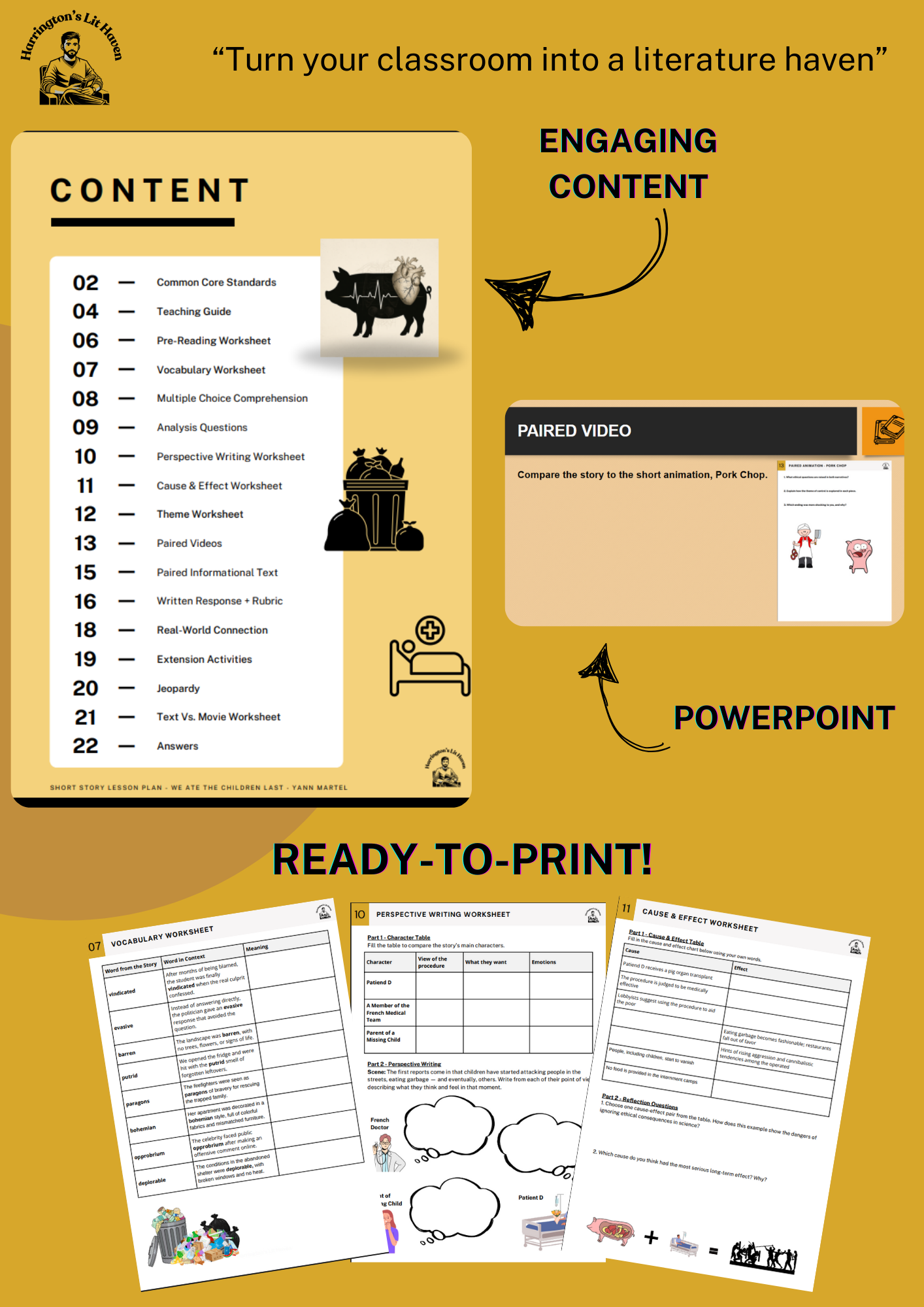
Why We Ate the Children Last PDF Matters: Context, Document Significance, and Access
The phrase "Why We Ate the Children Last PDF" refers to a specific digital document or text circulating online that often captures attention due to its provocative title. Understanding why this document matters involves examining its t...
The phrase "Why We Ate the Children Last PDF" refers to a specific digital document or text circulating online that often captures attention due to its provocative title. Understanding why this document matters involves examining its textual context, the nature of provocative or satirical digital titles in modern information retrieval, and how researchers, archivists, and everyday readers evaluate unusual textual artifacts found in Portable Document Format (PDF).
Contents
The Origin and Literal Context of Provocative Titles in Digital Archives
To understand why a specific PDF matters, one must first look at how titles function in digital archiving and online folklore. Provocative, shocking, or bizarre titles often act as hooks or titles of short stories, academic satires, or internet creepypasta. When a text is converted into a PDF, it gains a layer of perceived permanence and formal presentation that plain web text or social media posts lack.
In many cases, titles that employ extreme or absurd phrasing—such as cannibalism or familial violence—belong to one of a few distinct literary or digital categories:
- Satirical Fiction and Dark Humor: Writers frequently use shocking premises to subvert reader expectations or critique societal norms.
- Underground or Independent Publishing: Authors publishing via open repositories often choose unconventional titles to stand out in crowded digital libraries.
- Misattributed Academic or Philosophical Papers: Satirical essays, such as Jonathan Swift’s famous 1729 satirical essay A Modest Proposal, have historically used extreme hooks to address serious socio-economic issues. Modern digital equivalents often mimic this tradition in PDF format.
When readers search for "why we ate the children last pdf," they are typically trying to locate the source text, verify whether it is a legitimate historical document, a piece of fiction, or a hoax, and understand its underlying message or cultural footprint.
Why PDF Formats Shape Document Significance
The choice of file format—specifically the PDF—plays a major role in how digital texts are perceived, shared, and evaluated. Unlike standard web pages that can be edited, deleted, or dynamically updated, a PDF is typically treated as a static snapshot of a document.
Preservation and Fixed Layout
A PDF preserves typography, pagination, and formatting across different operating systems and devices. For fringe, satirical, or rare texts, uploading a PDF ensures that the material remains intact exactly as the author or uploader intended. This fixed nature gives the document an air of official authority, which can sometimes lead readers to mistake fiction or satire for documented fact.
Searchability and Metadata
Search engines index PDFs based on their embedded text and metadata (such as title, author, and subject tags). When a unique phrase like "why we ate the children last" becomes a search query, search algorithms look for exact matches within document repositories, Internet Archive collections, and open-access servers. The presence of a dedicated PDF makes the text indexable, citable, and shareable via direct links, driving its circulation across forums and social media platforms.
Evaluating the Content: Fact vs. Fiction
When encountering documents with sensational titles, establishing the boundary between factual reporting, creative writing, and satire is essential.
| Document Aspect | Factual / Academic Context | Satirical / Fictional Context |
|---|---|---|
| Primary Intent | To inform, document events, or present research findings. | To entertain, provoke thought, shock, or critique through irony. |
| Verification | Backed by verifiable sources, institutional data, or historical records. | Internal consistency within a narrative; lacks external corroboration. |
| Tone and Style | Objective, analytical, or formally structured. | Hyperbolic, emotional, absurd, or deliberately unsettling. |
| Distribution | Found in academic journals, government archives, or institutional repositories. | Found in open-sharing sites, personal blogs, or digital folklore forums. |
Readers examining unusual PDFs must apply source-critical reading strategies. If a document lacks author credentials, institutional backing, or verifiable publication details, it is generally categorized as independent fiction, digital folklore, or personal expression rather than authoritative record.
Common Questions About Digital Artifacts and Unusual PDFs
What should I do if I find a disturbing or bizarre PDF online?
Assess the context of the platform hosting the file. If the document is housed in a recognized digital library or literature repository, it is likely a work of creative writing, satire, or historical art. If the content involves genuine harm, illegal activities, or non-consensual material, use the platform's reporting mechanism rather than downloading or redistributing the file.
Why do internet users search for specific quirky PDF titles?
Users often encounter references to obscure texts in online discussions, video essays, or social media threads. Searching for the exact title is an attempt to trace the reference back to its primary source, evaluate its authenticity, and understand the cultural or narrative context from which it emerged.
Does a PDF format make a document legally or historically binding?
No. The PDF file format is simply a container for electronic data. Converting a piece of text, fiction, or unverified writing into a PDF does not grant it legal validity, historical accuracy, or peer-reviewed status.
How can I verify the author or origin of an unverified PDF?
Examine the document properties (metadata) within your PDF viewer to check for author names, creation dates, and software signatures. Additionally, copying unique text strings from the body of the document and searching them in quotation marks can help identify the original publication source or web forum where the text first appeared.
Next Steps for Researchers and Digital Archivists
If you are investigating digital documents, online folklore, or unusual text artifacts, rely on systematic verification methods. Always check document metadata, search for external commentary or literary analysis from reputable critics, and maintain a clear distinction between creative expression and factual record. When archiving or referencing obscure digital texts, provide proper attribution and context to prevent misinformation or misinterpretation among future readers.
Image Gallery