Navigating Best Carpet Shampooers: What Consumer Reports and Practical Testing Reveal
Choosing the best carpet shampooer requires balancing deep-cleaning suction power, water temperature control, tank capacity, and everyday maneuverability. Because independent evaluation sources like Consumer Reports rigorously test upr...
Choosing the best carpet shampooer requires balancing deep-cleaning suction power, water temperature control, tank capacity, and everyday maneuverability. Because independent evaluation sources like Consumer Reports rigorously test upright and portable extractors for stain removal, drying speed, and ease of use, understanding these performance metrics helps homeowners select a machine that effectively removes embedded dirt without over-wetting delicate carpet fibers.
Contents
Understanding Carpet Shampooer Categories and Testing Criteria
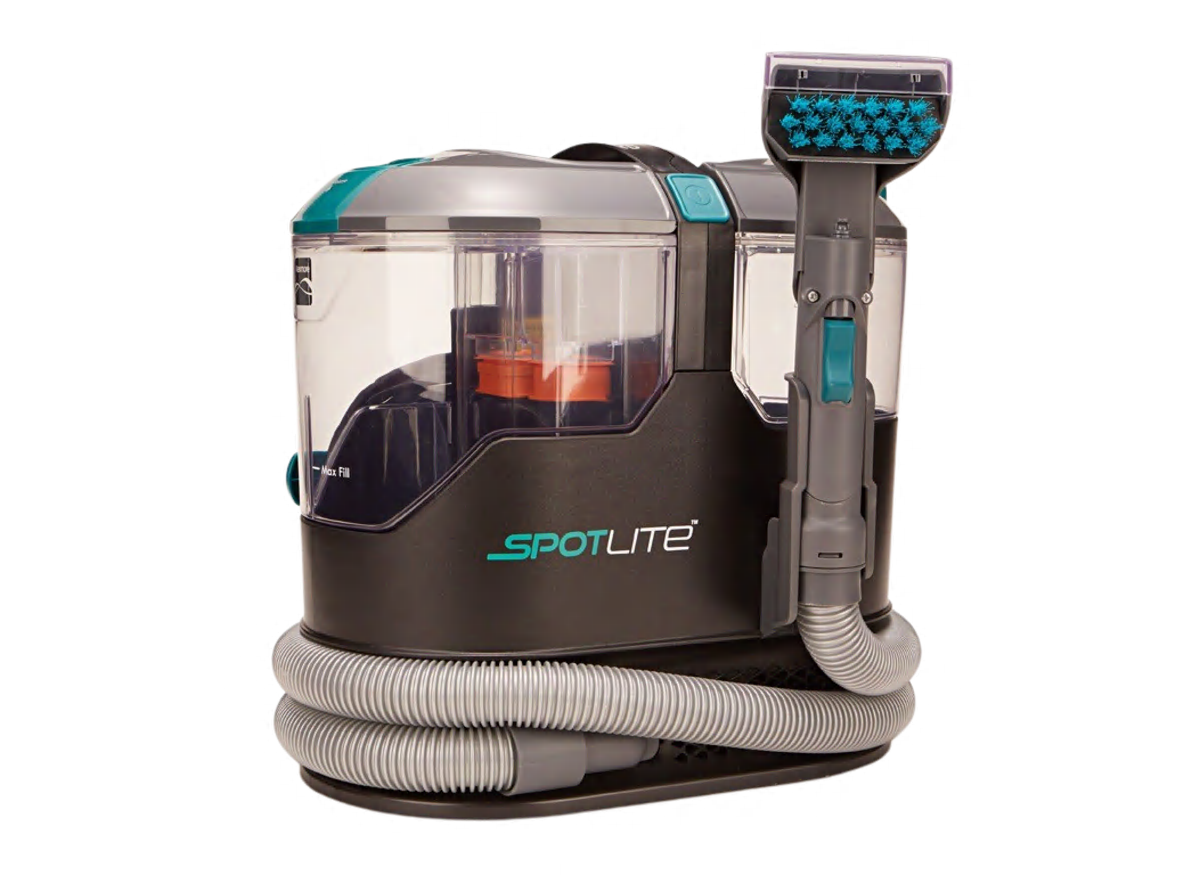
When evaluating carpet cleaning machines, independent testing organizations typically divide equipment into two distinct classes: full-size upright deep cleaners and portable spot cleaners. Upright models resemble traditional upright vacuums and are designed for whole-room maintenance, featuring large dual-tank systems that separate clean water from extracted dirty water. Portable spot cleaners, conversely, trade tank capacity and wide cleaning paths for compact footprints and targeted hose-based extraction, making them ideal for localized pet stains and staircase upkeep.
Independent labs evaluate these machines across several strict performance vectors:
- Stain and Dirt Removal: How thoroughly a machine extracts embedded mud, dried spills, and organic residues from low-pile and high-pile synthetic carpets.
- Drying Speed: The residual moisture left behind in carpet fibers, which dictates how long a room remains out of commission after cleaning.
- Ease of Use: An assessment of tank filling and emptying convenience, cord management, control placement, and overall machine weight during operation.
- Noise Level: The operational decibel output measured during active scrubbing and suction phases.
Recognizing these criteria prevents buyers from choosing a machine that boasts high motor wattage on paper but fails to generate adequate suction or mechanical agitation in practice. True cleaning efficacy relies heavily on the harmonious balance between water injection pressure, brush roll spin velocity, and vacuum airflow.
Key Performance Factors in Upright Deep Cleaners
Full-size upright carpet shampooers represent the most substantial investment for homeowners, making a thorough review of their mechanical design essential. Unlike traditional vacuums that rely strictly on airflow to pull dry debris, a carpet shampooer must pump liquid cleaning solution deep into the carpet backing, agitate the fibers to loosen trapped particulate matter, and immediately extract the soiled wastewater.
Motor Power and Suction Efficiency
A common misconception is that higher wattage automatically equates to superior cleaning power. In reality, modern energy-efficiency regulations and engineered motor designs mean that suction efficiency depends more on airflow dynamics and nozzle seal integrity than raw electrical draw. The best-performing machines maintain a wide, uniform suction path across the entire cleaning head, ensuring that wastewater is pulled evenly from the carpet pile rather than bypassing sealed edges.
Brush Roll Mechanics
Agitation is the physical catalyst that breaks the bond between greasy soil and carpet fibers. Machines feature either stationary brushes, dual counter-rotating brush rolls, or antimicrobial spinning brushes. Counter-rotating brushes generally excel at lifting matted traffic lanes because they scrub individual fibers from multiple angles. However, users with delicate wool or high-end looped Berber carpets must exercise caution, as aggressive mechanical agitation can cause excessive fraying or fuzzing.
Comparing Leading Carpet Shampooer Brands and Models
Different manufacturing brands approach carpet maintenance with distinct engineering philosophies. Some prioritize commercial-grade durability and heavy-duty heating elements, while others focus on lightweight agility and intuitive maintenance.
| Brand / Model Type | Primary Strength | Ideal Use Case | Key Operational Trade-Off |
|---|---|---|---|
| Full-Size Upright (Dual Tank) | Whole-room extraction and large tank capacity | Heavy-traffic living rooms and whole-house cleaning | Heavier physical weight when tanks are fully filled |
| Heat-Assisted Upright | Maintaining water temperature during long sessions | Removing stubborn oils and embedded set-in stains | Higher electrical draw and slightly slower drying times |
| Compact Spot Cleaner | Targeted stain remediation and upholstery care | Pet owners dealing with frequent localized accidents | Requires frequent refilling and emptying of small tanks |
| Commercial-Grade Extractor | Maximum suction power and continuous duty cycles | Large multi-room properties and heavy commercial use | Expensive purchase price and bulky storage footprint |
Examining these categories reveals that no single machine reigns supreme across every metric. Homeowners with expansive carpeted areas benefit most from high-capacity uprights, whereas pet owners often achieve better daily utility by pairing a standard vacuum with a dedicated compact spot cleaner.
Practical Operating Tips for Maximum Stain Removal
Owning an exceptional carpet shampooer is only half the battle; proper operating technique dictates the ultimate success of any deep-cleaning project. Rushing through the process or using incorrect chemical formulations can leave sticky detergent residues behind, which actually attract future dirt at an accelerated rate.
Pre-Treatment and Vacuuming
Before introducing a single drop of water to your carpets, execute a thorough dry vacuuming pass. Removing loose dust, pet hair, and particulate grit prevents those elements from turning into a muddy sludge when mixed with shampoo. For high-traffic pathways or stubborn protein stains, apply a targeted enzymatic pre-treatment spray 10 to 15 minutes before running the shampooer. This allows the cleaning agents to break down organic bonds before the mechanical extraction phase begins.
Controlling Detergent Ratios and Rinsing
A frequent user error is over-pouring carpet shampoo into the clean water tank under the assumption that more soap equals cleaner floors. Excess soap remains trapped inside the carpet padding even after vacuum extraction. To prevent this, strictly follow the manufacturer's dilution ratios. Furthermore, consider running a plain warm-water extraction pass (a rinse cycle) after the initial soapy wash to strip away residual surfactant films.
Managing Drying Times and Preventing Mold Risks
Leaving carpets saturated for extended periods introduces structural risks, including subfloor water damage, unpleasant musty odors, and mold spore proliferation. Independent testing emphasizes that a machine's extraction efficiency directly correlates with safe drying windows.
To accelerate the drying process:
- Execute Extra Dry Passes: After releasing the solution trigger on your machine, perform multiple vacuum-only passes over the exact same section to draw out residual moisture.
- Improve Air Circulation: Turn on overhead ceiling fans, position directional floor fans toward the carpeted surface, and run a dehumidifier in enclosed rooms.
- Maintain HVAC Equilibrium: Keep your home's central heating or air conditioning running to maintain a stable relative humidity level while moisture evaporates.
Carpets should ideally dry completely within 12 to 24 hours. If dampness persists beyond 24 hours, ventilate the space aggressively to mitigate indoor air quality concerns.
Frequently Asked Questions
Can I use regular laundry detergent or dish soap in my carpet shampooer?
No. Standard household detergents, dish soaps, and laundry liquids create excessive foaming that can damage the internal vacuum motor by pulling moisture into the exhaust housing. Additionally, these soaps leave behind heavy sticky residues that rapidly attract dirt. Always use low-foam, machine-specific carpet extraction formulas.
How often should residential carpets be deep cleaned?
For standard households with minimal foot traffic, deep cleaning every 12 to 18 months is typically sufficient. Homes with pets, young children, or allergy sufferers benefit from more frequent extractions, usually every 6 to 12 months, to manage dander, pollen, and embedded allergens.
Do carpet shampooers actually heat the water?
Most consumer carpet shampooers do not heat cold tap water from scratch. Instead, many models feature "heat-active" technology that utilizes the natural thermal exhaust from the motor to help maintain the temperature of water that was already added as warm or hot from the tap.
Is professional carpet cleaning superior to using a consumer machine?
Professional truck-mounted extraction systems generally operate with higher water pressure, superior heating capabilities, and far stronger vacuum suction than portable consumer units. However, owning a personal shampooer offers significant cost savings and immediate convenience for spot-cleaning daily accidents between professional deep-cleaning intervals.
Why does my carpet look dirtier a few weeks after shampooing?
This phenomenon, often called "soiling re-appearance," is almost always caused by detergent residue left behind in the carpet fibers due to insufficient rinsing or using too much soap during the cleaning process. The sticky soap film acts like a magnet for airborne dust and foot traffic soil.
Final Recommendations for Buyers
When selecting a carpet shampooer, prioritize your specific lifestyle demands over marketing claims of raw motor power. If you manage heavy pet traffic or large carpeted square footage, invest in a reputable upright model featuring a robust dual-tank system and counter-rotating brushes. For minor localized upkeep, a reliable spot cleaner provides unmatched convenience. Always pair your chosen machine with low-residue cleaning solutions, maintain proper drying ventilation, and perform routine maintenance by clearing pet hair and debris from the brush rolls after every use to ensure long-term mechanical reliability.
Image Gallery