Royal Family Christmas Presents: A Modern Twist on Centuries of Tradition
The British Royal Family has transitioned from exchanging purely humorous "gag" gifts to a sophisticated blend of sustainable luxury and philanthropic gestures. In 2026, under the reign of King Charles III, the traditional Christmas Ev...
The British Royal Family has transitioned from exchanging purely humorous "gag" gifts to a sophisticated blend of sustainable luxury and philanthropic gestures. In 2026, under the reign of King Charles III, the traditional Christmas Eve exchange at Sandringham emphasizes eco-conscious craftsmanship and charitable impact while maintaining the family’s signature "cheap and cheerful" spirit.
Contents
The image of the British Royal Family often conjures visions of immense wealth, glittering tiaras, and formal protocols. However, when it comes to the inner sanctum of Sandringham House during the festive season, the reality of their gift-giving is surprisingly grounded. For decades, the Windsor family adhered to a strict "gag gift" policy—the sillier and cheaper, the better. As we move through 2026, this tradition has undergone a "modern twist," reflecting the evolving priorities of King Charles III and the Prince and Princess of Wales.
To understand the modern royal Christmas, one must look at how the family balances the weight of Hanoverian history with the contemporary demands of sustainability, digital mindfulness, and public perception.
The Foundation of Royal Gift-Giving: The German Influence
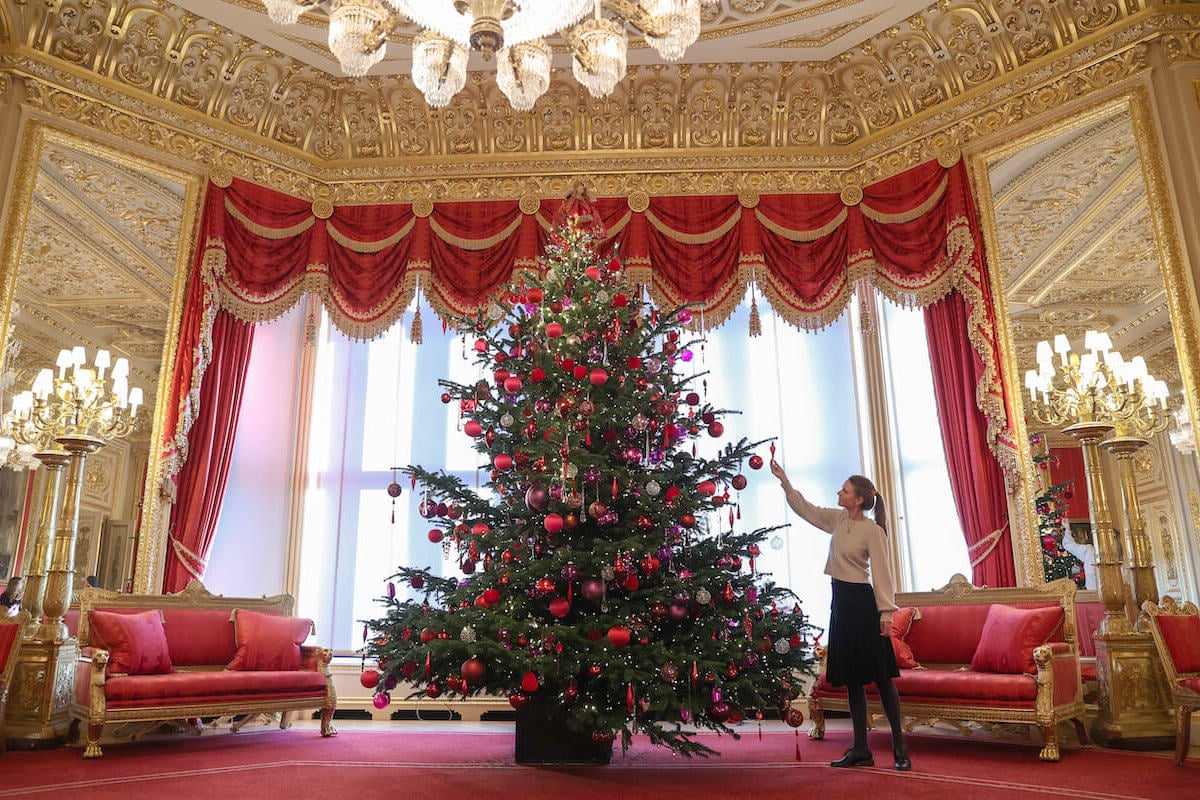
The British Royal Family’s Christmas traditions are rooted in their German heritage, specifically the "Heiligabend" (Holy Evening) custom brought to the UK by Queen Charlotte and later solidified by Prince Albert. Unlike most British families who open presents on Christmas morning, the Royals gather in the Red Drawing Room at Sandringham at 4:00 PM on Christmas Eve.
Each family member has a trestle table laid out with their name. The rule has historically been that no one should spend a significant amount of money. The goal is to find the most absurd, humorous, or sentimental item possible. This practice serves a vital psychological function: for a family that literally has access to the Crown Jewels, the only way to make gift-giving meaningful is to remove the monetary value entirely.
The "Gag Gift" Hall of Fame
Historical examples of this tradition include:
- The Shower Cap: Prince Harry famously gifted the late Queen Elizabeth II a shower cap emblazoned with the phrase "Ain't Life a B*tch."
- The Leather Toilet Seat: Princess Anne once gave King Charles (then Prince of Wales) a white leather toilet seat, which he reportedly loved so much he took it on overseas tours.
- The "Grow Your Own Girlfriend" Kit: Before he met Meghan Markle, Catherine, the Princess of Wales, reportedly gave Prince Harry a kit that promised to grow a partner when immersed in water.
The 2026 Modern Twist: Sustainability and Heritage
In 2026, the "modern twist" is defined by the King’s lifelong commitment to environmentalism. While the gag gifts remain a staple for the younger generation, the adult members of the Firm have shifted toward "Conscious Giving." This involves prioritizing items that support heritage crafts, organic farming, and circular economies.
Support for Heritage Crafts
King Charles III has long championed the survival of traditional British crafts. In 2026, the gifts exchanged among the senior royals often feature items from the King’s Foundation or artisans who have been awarded a Royal Warrant for sustainable practices. These are not "luxury" in the sense of gold and diamonds, but rather "luxury" in their provenance—hand-woven wool from rare-breed sheep or bespoke gardening tools made from recycled carbon steel.
The Rise of "Experience" and Philanthropic Gifts
Another modern shift is the move away from physical objects. Following the global trend of "minimalism," the Royal Family has increasingly utilized charitable donations as gifts. A family member might receive a notification that a grove of trees has been planted in their name as part of the Queen’s Commonwealth Canopy, or that a significant donation has been made to a project supporting early childhood development—a key pillar of the Princess of Wales's work.
Modernizing for the Next Generation: Prince William and Catherine
The Prince and Princess of Wales have been instrumental in modernizing the festive season for Prince George, Princess Charlotte, and Prince Louis. While the senior royals maintain the Christmas Eve tradition, William and Catherine have integrated more "normal" British traditions, such as allowing the children to open some presents on Christmas morning at Anmer Hall.
Tech-Balanced Giving
In 2026, the Royal Family faces the same challenges as any other parents regarding screen time and digital consumption. The "modern twist" here is a curated approach to technology. Gifts for the royal children often emphasize outdoor activity and creative skills—think high-quality binoculars for birdwatching on the Sandringham estate or advanced art supplies—rather than the latest gaming consoles.
Practical and Sentimental Modernity
The Princess of Wales is known for her "homemade" approach, which aligns perfectly with the modern desire for authenticity. Early in her marriage, she famously gifted the Queen a jar of her grandmother’s homemade marrow chutney. In 2026, this trend continues with an emphasis on gifts that foster family connection, such as photobooks documenting the year’s milestones or hand-crafted items from the children.
Comparing Traditional vs. Modern Royal Gift Categories
The following table illustrates the shift from mid-20th-century traditions to the modern 2026 approach:
| Category | Traditional Approach (Pre-2010s) | Modern Twist (2026) | Primary Objective |
|---|---|---|---|
| Price Point | Strictly under £10-£20. | Low cost but high "value" (Sustainability/Craft). | Humility and relatability. |
| Material | Plastic, novelty, mass-produced. | Organic, recycled, or artisanal. | Environmental stewardship. |
| Timing | Strictly Christmas Eve 4 PM. | Hybrid: Eve for "The Firm," Morning for children. | Balancing duty with family life. |
| Children's Gifts | Traditional wooden toys/Books. | Skill-based kits and outdoor gear. | Development and tech-balance. |
| Recipient Focus | Focus on the individual's quirks. | Focus on the individual's patronage/cause. | Reinforcing the Royal mission. |
The Logistics of the Sandringham Exchange
The process of exchanging these gifts is a masterclass in organized tradition. Even with a modern twist, the protocol remains rigid to ensure the weekend runs smoothly.
- The Secret Laying: On Christmas Eve, staff members place the name cards on the tables. The family members sneak into the room throughout the afternoon to place their gifts, ensuring they aren't seen by the recipients.
- The Entry Order: The family enters the Red Drawing Room in a strict order of precedence. In 2026, this means King Charles and Queen Camilla lead the way, followed by the Prince and Princess of Wales.
- The Opening: Once the signal is given by the King, the chaos ensues. Unlike a formal dinner, the gift opening is a loud, informal affair with everyone opening presents simultaneously.
- The Display: Traditionally, the gifts are left out on the tables for the duration of the Christmas stay so that family members can examine each other's "hauls" and enjoy the jokes.
Why the "Modern Twist" Matters for the Monarchy
The evolution of these presents is more than just a change in personal taste; it is a strategic alignment with the values of a 21st-century constitutional monarchy. By moving away from unnecessary waste and toward items with "story" and "purpose," the Royal Family mirrors the concerns of their subjects regarding climate change and the cost of living.
Furthermore, the blend of humor and sustainability makes the family seem more approachable. When the public hears that the King received a pair of recycled-fiber socks or a jar of honey from a local smallholding, it reinforces the image of a "Working Monarchy" that is in touch with the realities of modern British life.
Frequently Asked Questions
Do the Royals give each other expensive jewelry for Christmas?
No. While the King might gift specific historical pieces to family members on significant birthdays or for state occasions, Christmas is strictly reserved for inexpensive, humorous, or practical items. The formal "pomp" is kept separate from the private family celebration.
When do the Royal Family open their Christmas presents?
Following the German tradition of "Heiligabend," the Royal Family opens their gifts on Christmas Eve. This usually takes place after afternoon tea and before the black-tie dinner on the 24th of December.
Can the public send Christmas presents to the Royal Family?
While the public often sends cards and small tokens, for security and protocol reasons, the Royal Family cannot accept unsolicited gifts from people they do not know personally. Most such items are returned or donated to charity. The best way to "gift" the Royals is to donate to one of their patronages.
Does the King buy his own gifts?
The King and other senior royals often have staff help with the procurement of specific items, but for the Sandringham exchange, they are known to be very hands-on. Members of the family have frequently been spotted shopping in local stores near Sandringham or in London’s department stores like Fortnum & Mason.
What happens to the gag gifts after Christmas?
Many of the more famous gag gifts are kept as mementos. They are often displayed in private quarters of the various royal residences. Some of the more practical "modern" gifts, such as artisanal food or sustainable home goods, are put to immediate use.
Practical Recommendation for a "Royal-Style" Christmas
If you wish to adopt the Royal Family's "modern twist" for your own festive season, focus on the following three pillars:
- Implement a "Gag Gift" Rule: Set a strict, low budget (e.g., £10) and challenge family members to find the funniest or most absurd item that reflects a specific inside joke.
- Prioritize Provenance: Instead of mass-produced items, choose one "meaningful" gift that supports a local artisan, a heritage craft, or a sustainable brand.
- Create an "Experience" Tradition: Shift the focus from the quantity of boxes to the quality of the ritual. Whether it is a specific time for tea or a post-gift-opening walk, the structure of the day is what creates the lasting memory, not the price tag of the present.
By balancing humor with a commitment to the environment and tradition, the Royal Family's 2026 Christmas remains a template for meaningful celebration in a modern world.
Image Gallery