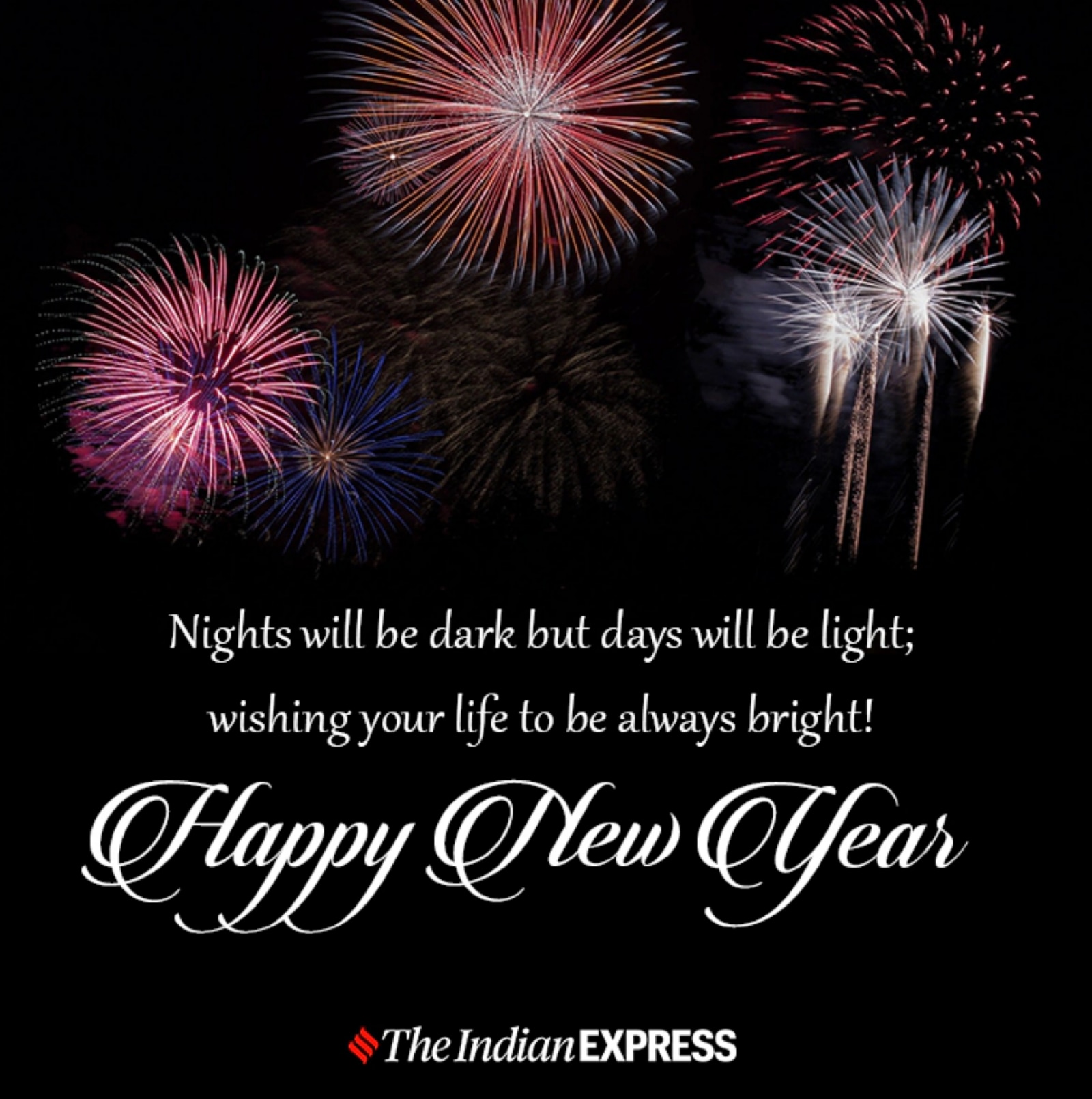
The Meaning of New Year Eve Wishes
New Year’s Eve wishes represent a ritualized expression of hope, goodwill, and the human desire for renewal. They serve as psychological markers that facilitate closure for the past year while fostering social bonds through shared aspi...
New Year’s Eve wishes represent a ritualized expression of hope, goodwill, and the human desire for renewal. They serve as psychological markers that facilitate closure for the past year while fostering social bonds through shared aspirations for prosperity, health, and happiness in the upcoming 2026 calendar cycle.
Contents
The Historical Evolution of New Year Sentiments
The practice of exchanging well-wishes as one year closes and another begins is not merely a modern social courtesy; it is a tradition rooted in thousands of years of human history. To understand the meaning of New Year Eve wishes today, one must look back to the ancient civilizations that first formalized the passage of time.
In ancient Babylon, approximately 4,000 years ago, the festival of Akitu marked the new year during the first new moon after the vernal equinox. While their calendar differed from our current Gregorian system, the core intent was the same: a communal affirmation of the King's mandate and a collective plea to the gods for a fruitful harvest. Wishes in this context were more akin to prayers or incantations for survival and divine favor.
The Roman influence is perhaps the most direct ancestor of our modern 2026 celebrations. The month of January is named after Janus, the Roman god of beginnings, gates, transitions, and endings. Janus is famously depicted with two faces—one looking back at the past and one looking forward to the future. New Year Eve wishes encapsulate this "Janus-faced" duality. When we wish someone a "Happy New Year," we are implicitly acknowledging that the previous year has concluded and that we are standing at a threshold, or a liminal space, where the potential for change is at its peak.
By the time the Gregorian calendar was adopted in 1582, the secularization of these wishes began to take hold. While religious blessings remained common, the focus shifted toward interpersonal goodwill and the strengthening of social hierarchies and family ties. Today, as we enter 2026, the meaning has further evolved to include global connectivity, mental health awareness, and a focus on collective resilience.
The Psychology of the "Fresh Start Effect"
The profound meaning behind a New Year’s Eve wish is heavily supported by behavioral psychology, specifically a concept known as the Fresh Start Effect. Researchers have noted that humans are more likely to pursue goals and adopt positive mindsets around "temporal landmarks." These landmarks, such as the start of a new week, a birthday, or most significantly, New Year’s Day, allow individuals to disconnect from their past failures and view their future selves with more optimism.
When we send or receive a wish on December 31st, we are participating in a collective psychological "reset." These wishes act as:
- Validation of Effort: Acknowledging that the recipient has navigated the challenges of the previous year.
- Optimism Bias Induction: Encouraging a mindset where positive outcomes are viewed as more likely than negative ones in the coming twelve months.
- Social Cohesion: Strengthening the "weak ties" in our social networks. Sending a wish to a distant colleague or an old friend reaffirms a connection without the need for intensive daily interaction.
In 2026, this psychological aspect is more relevant than ever. Following years of global economic fluctuations and rapid technological shifts, the New Year's Eve wish serves as an anchor. It provides a sense of stability and a shared narrative that, regardless of the complexities of the world, we still value human connection and mutual success.
Core Themes and Symbolism in 2026 Wishes
While the phrasing of wishes can range from poetic to casual, they generally revolve around several core themes. Understanding these themes helps clarify why this specific type of communication carries more weight than a standard greeting.
Hope and Prosperity
The most common thread is the wish for prosperity. In a traditional sense, this meant financial wealth or a good harvest. In 2026, prosperity is often interpreted more broadly as "abundance" in all areas of life—career growth, creative fulfillment, and financial stability. It is a wish for the recipient to have the resources they need to thrive.
Health and Longevity
Particularly since the early 2020s, health has moved to the forefront of New Year sentiments. A wish for health is no longer a platitude; it is a profound desire for physical vitality and, increasingly, mental and emotional well-being. To wish someone health in 2026 is to acknowledge the fundamental importance of self-care and resilience.
Peace and Forgiveness
New Year’s Eve is frequently seen as a time to "wipe the slate clean." Wishes often contain subtexts of reconciliation. By wishing someone well for the future, the sender often signals a desire to move past previous misunderstandings or conflicts. It is an olive branch extended through the medium of holiday tradition.
Comparative Sentiment of New Year Wishes Across Cultures
The meaning of these wishes can shift subtly depending on cultural priorities. The following table illustrates how different regions emphasize various aspects of the New Year transition.
| Cultural Context | Primary Focus of Wishes | Common Symbolism | Key Sentiment |
|---|---|---|---|
| Western (US/UK/Europe) | Individual achievement & happiness | Fireworks, clocks, champagne | Renewal and personal goals |
| East Asian (Lunar New Year) | Family prosperity & ancestral honor | Red envelopes, dragons, oranges | Luck, fortune, and lineage |
| Latin American | Luck and travel | Grapes, colored underwear, suitcases | Manifestation of specific desires |
| Middle Eastern (Nowruz/Secular) | Nature and rebirth | Greenery, mirrors, goldfish | Purity, light, and new growth |
| Modern Global (2026 Digital) | Mindfulness & connectivity | Minimalist graphics, personal notes | Authenticity and mental clarity |
The Role of Wishes in Modern Digital Etiquette
As we navigate 2026, the medium of the New Year Eve wish has changed, but the underlying meaning remains intact. The shift from physical greeting cards to instant messaging and social media "stories" has made the practice more immediate but also more prone to being perceived as performative.
To maintain the integrity of the meaning, many are moving toward intentional communication. Instead of a mass "Happy New Year" text to an entire contact list, the trend in 2026 favors personalized messages. A meaningful wish in the current landscape often includes:
- A specific reference to a shared memory from the past year.
- A sincere hope for a specific goal the recipient is known to be pursuing.
- An expression of gratitude for the recipient's presence in the sender's life.
This evolution shows that the "meaning" of the wish is transitioning from a generic social requirement to a deliberate act of relationship maintenance.
Navigating Social Expectations: When and How to Wish
A common point of confusion is the timing and "shelf life" of New Year wishes. Because New Year’s Eve (December 31) and New Year’s Day (January 1) represent the transition, the peak period for these wishes is narrow.
- New Year’s Eve (Pre-Midnight): Wishes sent during the evening of the 31st are typically focused on the "celebration" and the "anticipation." They are often energetic and social.
- Midnight: These are the most symbolic wishes, representing the exact moment of transition. In many cultures, the first person you wish a Happy New Year to is considered significant for the year's luck.
- New Year’s Day: Wishes on the 1st are often more reflective and calm. They focus on "the beginning" and setting the tone for the months ahead.
- The "Grace Period": In professional settings, it is generally considered acceptable to exchange New Year wishes through the first week of January, or during the first time you interact with a person in the new year.
Frequently Asked Questions
Is there a difference between a New Year wish and a New Year resolution?
Yes. A New Year wish is an interpersonal communication directed at others, expressing a desire for their well-being. A New Year resolution is an internal commitment made to oneself to change a behavior or achieve a specific goal. While both are rooted in the "fresh start" mentality, one is social while the other is personal.
Why do we say "Happy New Year" instead of "Congratulations"?
"Congratulations" implies that an achievement has already occurred. While surviving another year is an accomplishment, "Happy New Year" is a forward-looking phrase. It focuses on the potential and the state of being (happiness) that you hope the other person experiences in the future.
What is the most meaningful way to respond to a New Year wish?
The most effective response is one that mirrors the sincerity of the sender. A simple "Thank you, and I wish the same for you" is standard. However, in 2026, adding a small detail such as "I hope your [specific project/event] goes well this year too" adds a layer of genuine connection that elevates the exchange.
Are New Year wishes still relevant in a professional environment?
Absolutely. In a corporate or professional context, New Year wishes serve as a "soft" touchpoint. They allow you to re-establish contact with clients, mentors, or colleagues after the holiday break without a direct "ask." It sets a positive, collaborative tone for the year's business dealings.
What if I miss the midnight deadline for sending wishes?
There is no "failure" in missing the midnight mark. In fact, many people prefer receiving messages on New Year’s Day when they are less distracted by parties or events. A thoughtful message on January 1st or 2nd often carries more weight than a generic midnight text that might get lost in a flurry of notifications.
Practical Recommendation for 2026
As you prepare your New Year Eve wishes for 2026, prioritize quality over quantity. Select five to ten people who truly impacted your year and write them a brief, three-sentence message: one sentence looking back at a shared moment, one sentence wishing them a specific success in 2026, and one sentence expressing your appreciation. This practice transforms a standard social ritual into a powerful tool for building lasting, meaningful relationships.
Image Gallery