Why Louis Vuitton is the Most Popular Designer Brand in 2026
Louis Vuitton remains the most popular designer brand in 2026 due to its dominant brand valuation, unmatched global retail footprint, and a strategic fusion of historical craftsmanship with high-impact cultural collaborations. By lever...
Louis Vuitton remains the most popular designer brand in 2026 due to its dominant brand valuation, unmatched global retail footprint, and a strategic fusion of historical craftsmanship with high-impact cultural collaborations. By leveraging the immense resources of the LVMH group and maintaining strict control over its distribution and pricing, the brand has successfully captured both the traditional luxury segment and the evolving Gen Z and Alpha markets.
Contents
The Global Dominance of Louis Vuitton in the 2026 Luxury Market
As of 2026, Louis Vuitton Malletier continues to sit at the apex of the luxury fashion pyramid. This dominance is not merely a matter of prestige but is backed by robust financial performance and market data. Within the LVMH (Moët Hennessy Louis Vuitton) portfolio, the Fashion & Leather Goods division, led by Louis Vuitton, consistently reports record-breaking revenue. The brand's ability to maintain a growth trajectory in a volatile global economy is attributed to its "Veblen good" status—where demand increases as prices rise, fueled by the brand's perceived exclusivity and social signaling power.
The brand's popularity is geographically diverse. While Europe and North America remain core markets, the strategic expansion into "tier-two" cities in China and the burgeoning luxury markets in India and Southeast Asia has solidified its lead over competitors like Gucci or Chanel. In 2026, Louis Vuitton’s retail strategy continues to shun wholesale distribution; you will not find Louis Vuitton in multi-brand department stores or discounted outlets. This total control over the customer experience and pricing ensures that the brand equity remains untarnished by the "dilution" that often affects other high-end labels.
Key Factors Behind Louis Vuitton’s Sustained Popularity
The question of why Louis Vuitton remains the most popular designer brand can be answered through three primary pillars: heritage, scarcity, and innovation.
Heritage and the Art of Travel
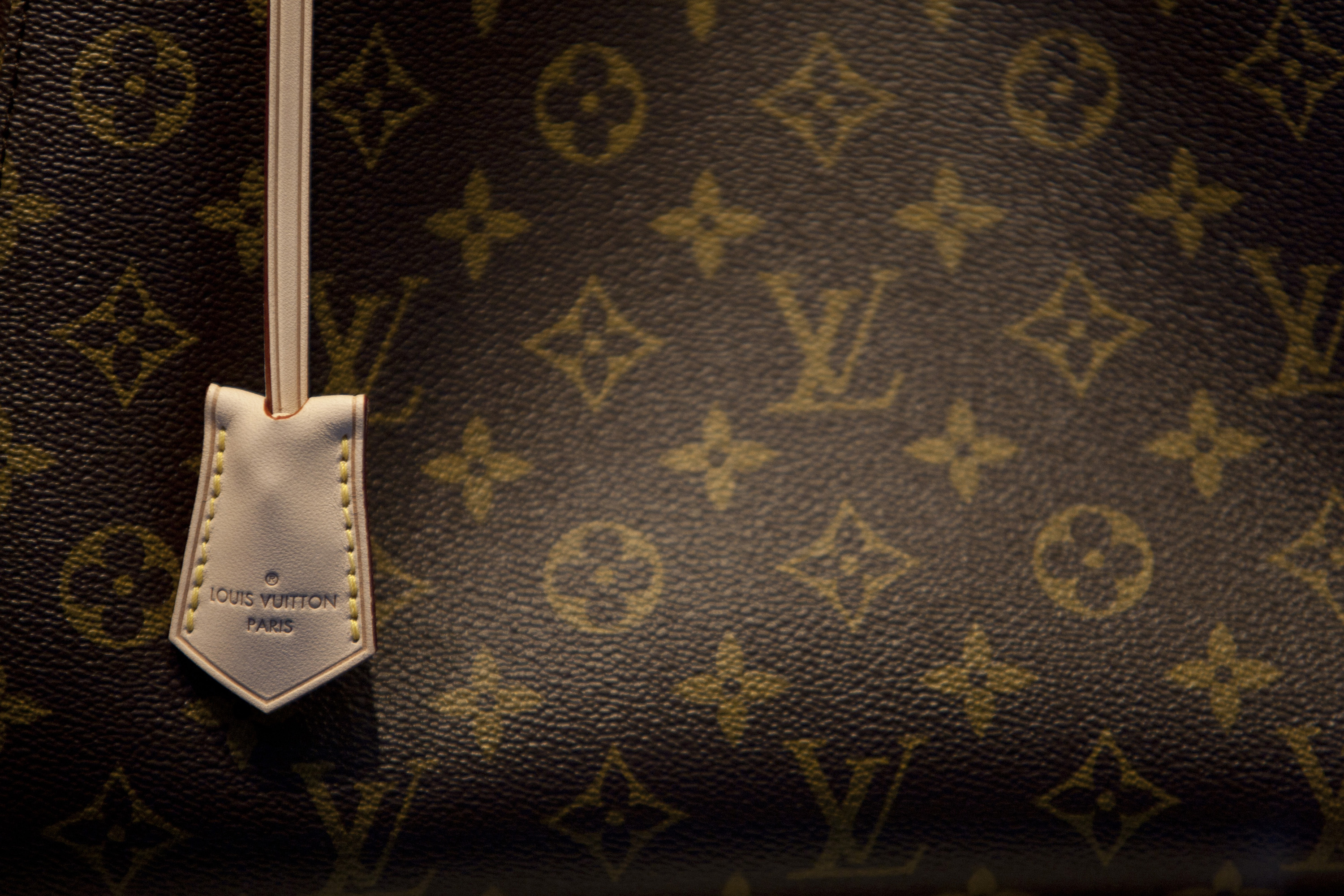
Founded in 1854 as a trunk maker, Louis Vuitton’s identity is inextricably linked to the "Art of Travel." In 2026, this heritage is more than just a marketing gimmick; it is a quality assurance. The brand’s transition from wooden trunks to the iconic Monogram and Damier canvases represented a technical revolution in waterproof and durable luggage. Today, consumers still perceive an LV purchase as an investment in a "legacy" item that can be passed down through generations.
Controlled Scarcity and Pricing Power
One of the brand's most effective tools for maintaining popularity is the management of supply and demand. By utilizing "waitlists" for high-demand items like the Capucines bag or limited-edition artist collaborations, Louis Vuitton creates a psychological sense of urgency. In 2026, the brand has mastered the art of the "price correction," implementing semi-annual price increases that outpace inflation. This makes existing owners feel that their assets have appreciated in value, further driving the brand’s desirability in the secondary and resale markets.
The Pharrell Williams Era and Cultural Integration
A significant driver of the brand's current 2026 status was the appointment of Pharrell Williams as the Men’s Creative Director in 2023. His tenure has transformed the men's division from a traditional fashion line into a "cultural brand." By integrating music, contemporary art, and streetwear sensibilities into the runway, Louis Vuitton has moved beyond being a leather goods company to becoming a central pillar of global entertainment. This "spectacle" approach to fashion shows—often held at historical landmarks like the Pont Neuf—ensures the brand remains the most searched and discussed designer label on social media platforms.
Technical Innovation: Blockchain and Authentication in 2026
In an era where high-quality "super-fakes" have saturated the market, Louis Vuitton has maintained its popularity by providing customers with technical peace of mind. As a founding member of the Aura Blockchain Consortium, Louis Vuitton has fully integrated digital certificates of authenticity into its 2026 product lines.
When a customer purchases a Louis Vuitton bag in 2026, the item often contains an embedded NFC (Near Field Communication) chip. By scanning the item with a secure smartphone app, the owner can access the "digital twin" of the product on the blockchain. This record provides:
- Proof of Ownership: A secure, non-fungible record of the purchase.
- Origin Tracking: Information regarding the specific workshop (atelier) where the item was crafted.
- Sustainability Data: Detailed information on the sourcing of the leather and the carbon footprint of the production process.
- Resale Security: A verifiable history that makes selling the item on the secondary market seamless and safe for the buyer.
Iconic Product Lines and Their 2026 Market Value
The longevity of Louis Vuitton is built on a "core" collection of items that rarely change in design but constantly increase in value. Below is a comparison of the most popular models as of the 2026 market.
| Model Name | Primary Material | 2026 MSRP (Estimated) | 5-Year Resale Retention | Primary Use Case |
|---|---|---|---|---|
| Speedy 25 | Monogram Canvas | $1,850 | 88% | Daily Essential / Heritage |
| Neverfull MM | Damier Ebène | $2,200 | 94% | Work / Travel Tote |
| Capucines MM | Taurillon Leather | $7,800 | 72% | High-Luxury / Gala |
| Horizon 55 | Monogram Eclipse | $3,900 | 82% | Business Travel / Carry-on |
| Pochette Métis | Monogram Reverse | $2,750 | 91% | Streetwear / Crossbody |
Note: Prices are subject to regional taxes and seasonal adjustments. Resale retention is based on "Excellent" condition grading.
The Resale Ecosystem and Investment Potential
Louis Vuitton's status as the most popular designer brand is heavily supported by its performance in the circular economy. In 2026, luxury goods are increasingly viewed as "alternative assets," similar to fine wine or watches. Louis Vuitton bags, particularly those in the coated canvas (Monogram and Damier), are renowned for their durability. Unlike soft lambskin which can scuff easily, LV canvas is water-resistant and scratch-resistant, allowing it to maintain a "Like New" status for years.
Data from major resale platforms in 2026 indicates that the Louis Vuitton Neverfull and Speedy models remain the most liquid assets in the fashion world. They can typically be resold within 48 hours of listing at a price point very close to their original retail value. This liquidity provides a "safety net" for consumers, who justify the high initial cost by the high recovery value.
Material Excellence and Sustainability Initiatives
To maintain its leadership in 2026, Louis Vuitton has had to address the increasing consumer demand for ethical production. The brand’s "Our Committed Journey" initiative has reached significant milestones this year.
- Responsible Sourcing: 100% of the leather used in Louis Vuitton products in 2026 is sourced from tanneries certified by the Leather Working Group (LWG).
- Circular Services: Louis Vuitton has expanded its repair workshops globally. In 2026, the brand repairs over 600,000 products annually, encouraging customers to maintain their items for decades rather than replacing them.
- Bio-based Materials: While leather remains the flagship material, the 2026 collections have introduced high-end alternatives, such as lab-grown bio-textiles for interior linings, reducing the overall environmental impact without sacrificing the "luxury feel."
Strategic Comparisons: Louis Vuitton vs. Competitors
While Louis Vuitton holds the top spot, its strategy differs significantly from its closest rivals:
- LV vs. Hermès: Hermès relies on extreme scarcity and a "loyalty" system for its Birkin and Kelly bags. Louis Vuitton is more accessible in terms of volume but uses "Limited Drops" to mimic that same sense of exclusivity for its high-end leather lines.
- LV vs. Gucci: Gucci often leans heavily into "trend-core" and maximalist aesthetics which can lead to high peaks followed by brand fatigue. Louis Vuitton balances its "trend" items (via Pharrell or seasonal capsules) with a massive "permanent collection" that never goes out of style.
- LV vs. Chanel: Chanel has moved toward an ultra-exclusive pricing model, rivaling Hermès. Louis Vuitton has maintained its popularity by offering a wider price ladder, ranging from $500 accessories to $50,000 exotic skin trunks, capturing a broader demographic of the global middle and upper classes.
Common Mistakes When Purchasing Louis Vuitton
Despite its popularity, new buyers often make errors that can diminish their experience with the brand.
- Overlooking the "Pre-Loved" Market: In 2026, many vintage Louis Vuitton pieces offer better canvas quality than modern iterations. Buyers should consider authenticated resale for "workhorse" bags.
- Ignoring Vachetta Leather Care: Many LV bags use untreated Vachetta leather for handles. New owners often forget that this leather will patina (darken) over time when exposed to oils and sunlight. In 2026, using a specialized Vachetta protectant is standard practice for maintaining resale value.
- Buying for "Hype" Over Utility: Limited edition collaborations (such as the 2026 Artist Series) often have high initial costs but can be harder to resell if the aesthetic is too niche. The classic Monogram remains the safest bet for long-term popularity and value.
Frequently Asked Questions
Why is Louis Vuitton considered more popular than other luxury brands?
Louis Vuitton combines the highest revenue in the sector with the most significant social media engagement and brand recognition. Its "LV" monogram is the most recognized fashion symbol globally, transcending language barriers and cultures, which allows it to maintain a higher market share than more "quiet luxury" brands.
Does Louis Vuitton ever have sales or discounts?
No. To preserve the brand's prestige and the investment value for current owners, Louis Vuitton never holds sales. Unsold seasonal stock is traditionally destroyed or recycled in a controlled manner rather than being sold at a discount, ensuring that the brand is never associated with "bargain" hunting.
How do I verify a Louis Vuitton bag's authenticity in 2026?
The most reliable method in 2026 is using the Aura Blockchain digital certificate. Most bags manufactured after 2021 no longer have physical "date codes" stamped inside; instead, they contain an internal microchip that can be read at any Louis Vuitton boutique or via a secure LVMH-verified application.
Which Louis Vuitton bag holds its value best?
The Neverfull (specifically in Monogram or Damier Ebène) and the Speedy are the gold standards for value retention. In 2026, these bags often resell for 90% to 105% of their original retail price, depending on the current MSRP and the condition of the vachetta leather.
Is Louis Vuitton still made in France?
While Louis Vuitton is a French house, its manufacturing is international to meet global demand. In 2026, the brand operates workshops in France, Spain, Italy, and the United States. Regardless of the "Made In" stamp, all workshops follow the same rigorous technical standards and use materials provided by the central French headquarters.
Practical Recommendation for 2026 Buyers
For those looking to enter the brand's ecosystem in 2026, the most strategic purchase remains a piece from the Permanent Collection in the classic Monogram Canvas. While seasonal collaborations are enticing for collectors, the foundational pieces like the Speedy or the Keepall travel bag offer the best balance of utility, historical significance, and price stability. Always ensure your purchase is registered to your digital profile at the time of sale to secure your blockchain-backed certificate of authenticity, which is essential for any future resale or repair services.
Image Gallery