How to Choose an Effective Natural Age Spot Remover for Your Face
Choosing an effective natural age spot remover involves identifying products containing clinically backed brightening agents like Vitamin C, Kojic acid, or Licorice root. To find the right match, prioritize stable formulations, check f...
Choosing an effective natural age spot remover involves identifying products containing clinically backed brightening agents like Vitamin C, Kojic acid, or Licorice root. To find the right match, prioritize stable formulations, check for concentrations high enough to inhibit melanin production, and ensure the product suits your specific skin type and sensitivity levels.
Contents
Hyperpigmentation, commonly referred to as age spots or solar lentigines, occurs due to an overproduction of melanin triggered by years of ultraviolet (UV) exposure. While many synthetic options like hydroquinone exist, the 2026 skincare market has seen a massive shift toward "clean clinicals"—natural extracts formulated with pharmaceutical-grade precision. Selecting the right product requires more than just reading a "natural" label; it requires an understanding of ingredient synergy, molecular stability, and the biological pathways of skin pigment.
Understanding the Biology of Age Spots
Before selecting a treatment, it is essential to understand what you are treating. Age spots are flat, brown, or black spots that typically appear on areas of the face most exposed to the sun. They are not caused by age alone but by the skin’s cumulative memory of UV radiation. When UV rays hit the skin, melanocytes (pigment-producing cells) go into overdrive to protect the deeper layers. Over time, these cells can become permanently "stuck" in a state of high production, leading to localized clusters of pigment.
Natural removers work primarily by inhibiting tyrosinase, an enzyme crucial for the synthesis of melanin. By blocking or slowing this enzyme, these topical treatments prevent new pigment from forming while helping the skin shed existing darkened cells through natural turnover. Because natural ingredients often work more gently than synthetic acids, consistency and the "active" concentration of the extract are the most critical factors in your selection process.
Essential Natural Ingredients to Look For
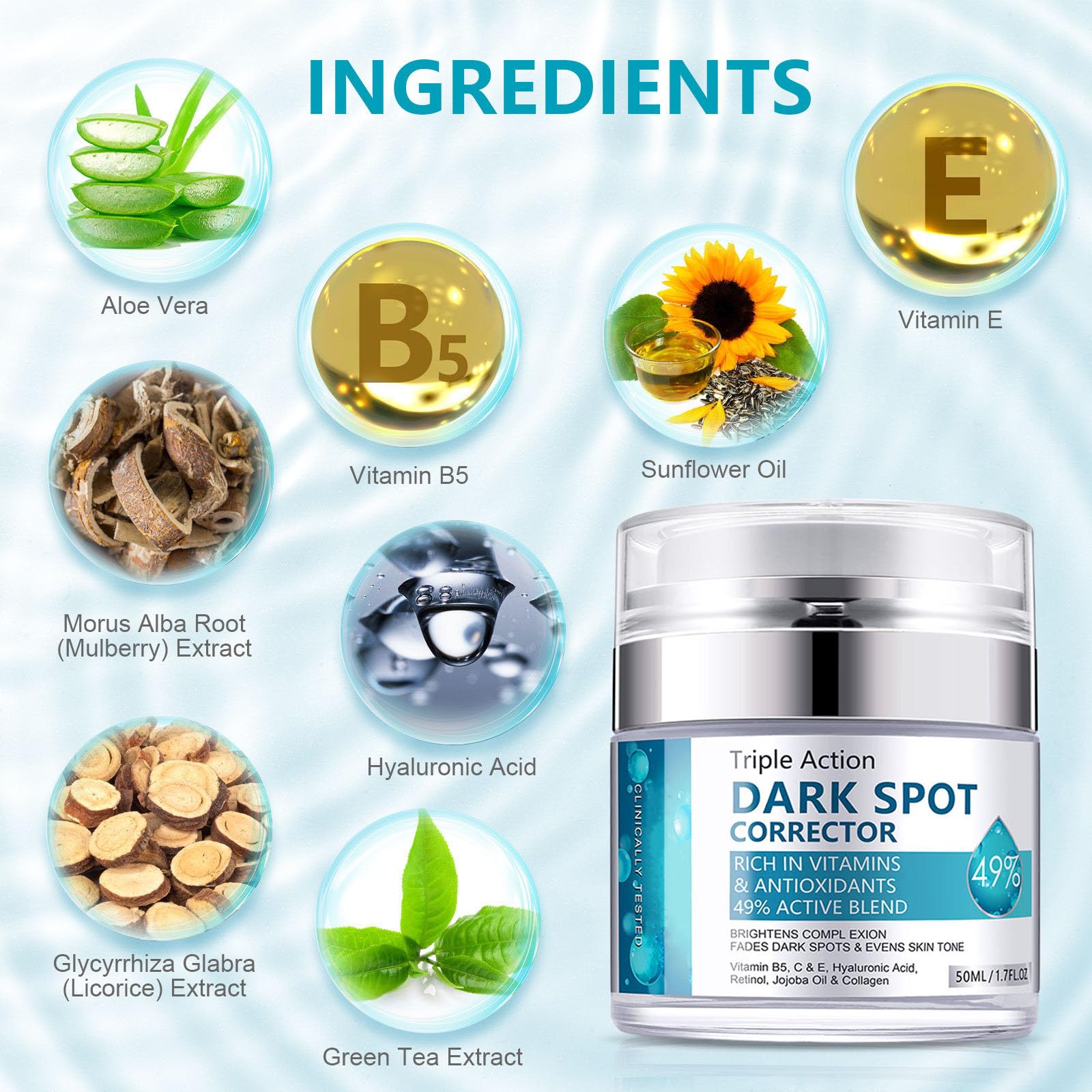
When evaluating a natural age spot remover, the ingredient list (INCI) is your most reliable tool. Not all plant extracts are created equal. Focus on these gold-standard natural brighteners that have undergone rigorous dermatological study.
Vitamin C (Ascorbic Acid and Derivatives)
Vitamin C remains the premier natural antioxidant for skin brightening. It neutralizes free radicals and inhibits melanin synthesis. However, pure L-ascorbic acid is notoriously unstable and can oxidize quickly when exposed to air and light. In 2026, many high-end natural brands use stabilized derivatives like Sodium Ascorbyl Phosphate or Tetrahexyldecyl Ascorbate, which penetrate deeper into the dermis without causing the irritation often associated with low-pH pure Vitamin C.
Kojic Acid
Derived from various fungi or as a byproduct of fermented rice (sake), Kojic acid is a potent tyrosinase inhibitor. It is often used as a natural alternative to hydroquinone. It is highly effective but can be sensitizing for those with very dry or compromised skin barriers. When choosing a product with Kojic acid, look for concentrations between 1% and 4% for the best balance of safety and efficacy.
Licorice Root Extract (Glabridin)
Licorice root contains a compound called glabridin, which has been shown to disperse existing melanin and inhibit new production. It is one of the most "well-tolerated" natural brighteners, making it an excellent choice for individuals with sensitive skin or those prone to redness. It also offers anti-inflammatory benefits, which help prevent post-inflammatory hyperpigmentation (PIH).
Azelaic Acid
Naturally occurring in grains like barley, wheat, and rye, azelaic acid is a dicarboxylic acid that selectively targets overactive melanocytes. This means it is highly effective at lightening dark spots without affecting the surrounding "normal" skin tone. According to research published via the National Institutes of Health (NIH), azelaic acid is particularly beneficial for those who struggle with both age spots and adult acne.
Criteria for Evaluating Product Quality
The efficacy of a natural age spot remover is determined by its formulation architecture. A high-quality product must address stability, penetration, and skin compatibility.
1. Stability and Packaging
Natural extracts, particularly antioxidants like Vitamin C and botanical oils, degrade when exposed to oxygen and UV light. Avoid natural removers sold in clear glass jars or bottles with dropper tops that expose the entire contents to the air. Instead, prioritize airless pump dispensers and opaque or amber-colored containers. If a Vitamin C serum has turned dark orange or brown, it has oxidized and may actually cause oxidative stress to your skin rather than healing it.
2. Concentration of Actives
The "hero" ingredient should appear in the first half of the ingredient list. If a product claims to be a "Licorice Root Spot Treatment" but Glycyrrhiza Glabra (Licorice) is the very last ingredient, the concentration is likely too low to provide a therapeutic effect. Aim for products that disclose their percentages—for example, a 10% Vitamin C serum or a 2% Alpha Arbutin cream.
3. Molecular Weight and Delivery Systems
The skin’s primary job is to keep things out. For a natural remover to work, it must penetrate the stratum corneum (the outermost layer). Look for formulations that mention liposomal delivery or contain "penetration enhancers" like propanediol (derived from corn). These technologies encapsulate the natural actives, allowing them to reach the melanocytes in the deeper basal layer of the epidermis.
Matching the Remover to Your Skin Type
Your underlying skin type dictates which natural ingredients will be most effective and least irritating. A product that works for oily skin may cause a breakout or extreme dryness in another user.
| Ingredient | Best For | Benefit | Potential Sensitivity |
|---|---|---|---|
| Vitamin C | All Skin Types | Brightening & Collagen | Low (if pH is balanced) |
| Kojic Acid | Oily/Resistant | Heavy Pigmentation | Moderate (Redness) |
| Azelaic Acid | Acne-Prone/Sensitive | Spots + Redness | Low |
| Licorice Root | Very Sensitive | Soothing Brightener | Very Low |
| Alpha Arbutin | Dry/Mature | Deep Pigmentation | Low |
| Niacinamide | All Skin Types | Pore Size & Tone | Very Low |
The Non-Negotiable Step: Sun Protection
No natural age spot remover will succeed if you do not use a broad-spectrum sunscreen daily. Most natural brighteners work by inhibiting the skin's pigment production; however, if you expose your face to UV rays without protection, the skin will immediately override the treatment to produce more melanin as a defense mechanism.
In 2026, the American Academy of Dermatology (AAD) continues to emphasize that SPF 30 or higher is required to prevent the recurrence of age spots. Look for mineral sunscreens containing Zinc Oxide or Titanium Dioxide, as these are often preferred by those seeking a fully natural skincare routine.
Common Mistakes to Avoid
- Expecting Overnight Results: Natural ingredients generally take longer to show visible changes than aggressive chemical peels. It takes roughly 28 to 40 days for a full skin cell cycle. You should expect to use a natural remover consistently for 8 to 12 weeks before seeing a significant reduction in spot intensity.
- Over-Exfoliating: Many people try to "scrub" the spots away using natural acids (like AHA from fruit). Over-exfoliation damages the skin barrier, leading to inflammation, which can actually trigger more pigment production.
- Mixing Incompatible Actives: Avoid using high-strength Vitamin C at the same time as prescription retinoids or strong natural acids unless the product is specifically formulated that way. This can lead to chemical burns or extreme irritation.
How to Perform a Patch Test
Before applying any new natural treatment to your face, performing a patch test is vital to ensure you do not have a botanical allergy. Apply a small amount of the product to the inside of your forearm or behind your ear. Wait 24 to 48 hours. If you experience itching, swelling, or intense redness, the concentration or a specific botanical extract in that product is likely too strong for your skin.
Frequently Asked Questions
Can natural removers get rid of age spots completely?
Natural removers can significantly fade age spots and, in some cases, make them nearly invisible. However, because the underlying melanocytes have been "damaged" by the sun, the spots may reappear if you stop using the treatment or experience unprotected sun exposure.
Is Apple Cider Vinegar an effective natural remover?
While Apple Cider Vinegar contains acetic acid which can provide mild exfoliation, it is generally not recommended for the face in its raw form. Its pH is too low and can cause chemical burns. Modern natural serums containing refined botanical acids are safer and more effective.
Should I apply the remover to the whole face or just the spot?
Most natural brighteners, like Vitamin C and Niacinamide, are beneficial for the entire face as they improve overall skin health and radiance. However, high-concentration "spot treatments" (like concentrated Kojic acid) should be applied only to the darkened areas to avoid unnecessary irritation to surrounding healthy skin.
Are "organic" age spot removers better than "natural" ones?
"Organic" refers to how the ingredients were grown (without synthetic pesticides), while "natural" refers to the source of the ingredient. For age spots, the efficacy of the active compound is more important than the organic certification, though many consumers prefer organic options for environmental reasons.
Can I use these products while pregnant?
Most natural ingredients like Vitamin C, Azelaic acid, and Licorice root are considered safe during pregnancy. However, you should always consult with your healthcare provider before starting new treatments, as skin sensitivity changes significantly during pregnancy.
Practical Recommendation
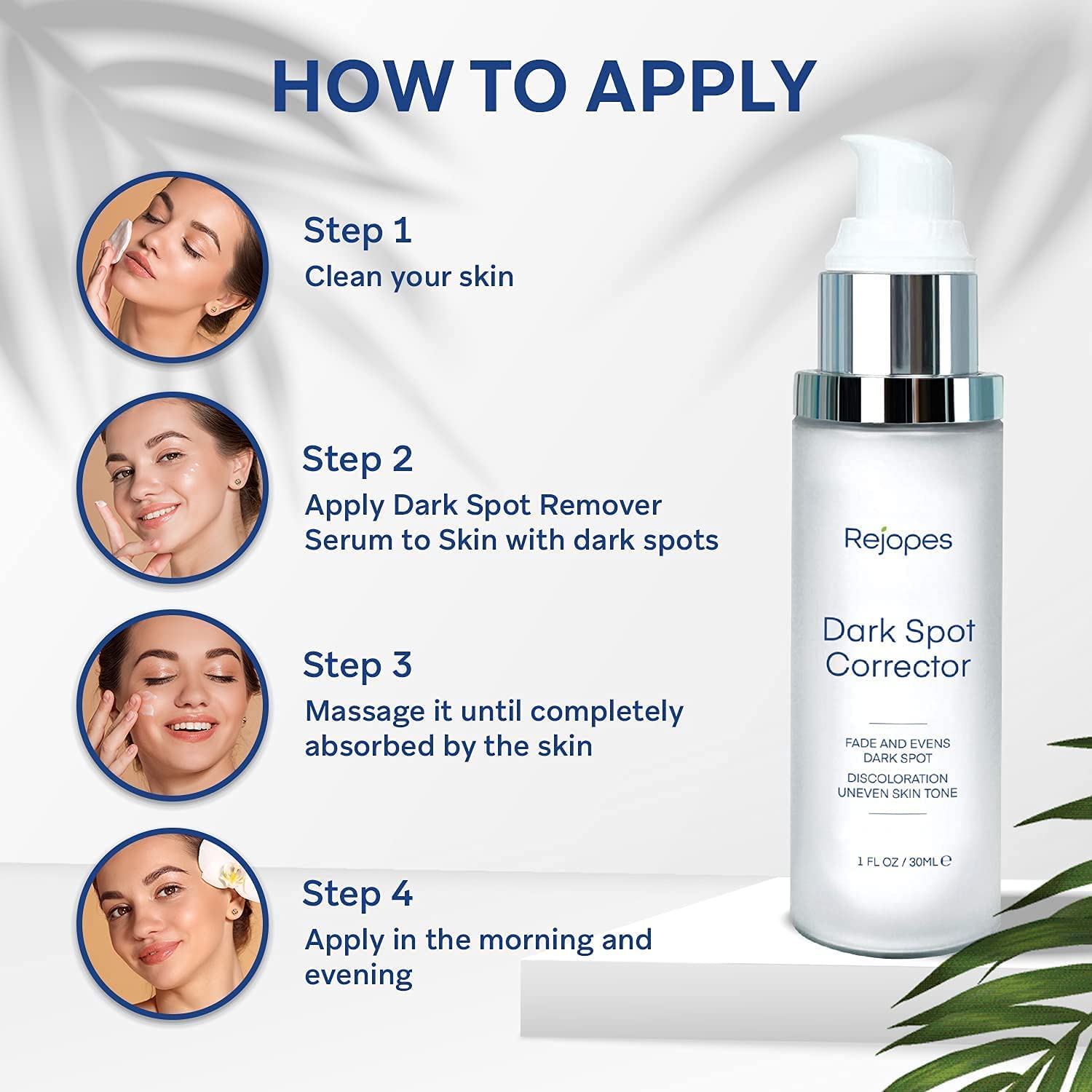
For the best results in 2026, start your journey by choosing a dual-action serum that combines a stabilized Vitamin C (at least 10%) with a soothing agent like Licorice root. Apply this in the morning on clean, dry skin, followed immediately by a broad-spectrum mineral SPF 30. This combination provides both the "correction" of existing spots and the "protection" necessary to prevent new ones. If you have deep, stubborn pigmentation, consider adding an Alpha Arbutin or Azelaic acid cream to your nighttime routine.
Image Gallery