The Wolf of Wall Street Cop Case Explained: FBI Pursuit and Legal Reality
The "Wolf of Wall Street" cop case refers to the intense, years-long pursuit of Jordan Belfort by FBI Special Agent Gregory Coleman, who served as the primary investigator leading to the collapse of Stratton Oakmont. Often mythologized...
The "Wolf of Wall Street" cop case refers to the intense, years-long pursuit of Jordan Belfort by FBI Special Agent Gregory Coleman, who served as the primary investigator leading to the collapse of Stratton Oakmont. Often mythologized in popular media, the case centers on a classic cat-and-mouse dynamic between federal law enforcement and the complex, high-stakes financial fraud orchestrated by Belfort and his associates during the 1990s.
Contents
The Foundation of the Investigation
In the early 1990s, Jordan Belfort founded Stratton Oakmont, an over-the-counter brokerage firm that quickly became a hotbed for "pump-and-dump" schemes. The firm would artificially inflate the price of cheap stocks through misleading positive statements and cold-calling campaigns—a practice known as "boiler room" operations—before dumping their own shares at the peak of the artificial value.
The FBI’s interest was piqued not by a sudden tip, but by the sheer scale of the firm’s anomalies. Gregory Coleman, an FBI agent specializing in securities fraud, began tracking the trail of suspicious trades and investor complaints. Unlike the rapid, high-intensity pursuits often seen in cinema, this investigation was a methodical grind of analyzing stock transactions, identifying patterns of money laundering, and flipping insiders who were willing to testify in exchange for leniency.
The Role of Gregory Coleman
Gregory Coleman is the real-life individual whose persistent efforts eventually brought down the Stratton Oakmont empire. Assigned to the FBI’s New York office, Coleman spent years documenting the paper trail left by Belfort. The investigation was not merely about catching a single act of fraud; it was about dismantling an entire criminal enterprise.
Coleman’s methodology involved:
- Deep-Dive Analysis: Reviewing thousands of trade confirmations and bank records to link the firm’s activity to illegal price manipulation.
- Cultivating Informants: Identifying low-level associates and mid-tier brokers who felt the pressure of potential prison sentences and were willing to cooperate with federal prosecutors.
- Surveillance and Monitoring: Keeping tabs on Belfort’s extravagant lifestyle, which served as evidence of the illicit gains being funneled through shell companies and offshore accounts.
Legal Challenges and Jurisdictional Hurdles
Prosecuting financial crimes of this magnitude presented significant challenges in the late 1990s. The complexity of "pump-and-dump" schemes allowed for a level of plausible deniability; defense attorneys often argued that the brokers were simply "enthusiastic" about the stocks they were selling rather than intentionally deceptive.
To secure a conviction, the prosecution had to prove criminal intent. This required the FBI to gain access to internal records that Belfort went to great lengths to hide. The case eventually shifted from a simple fraud investigation into a massive racketeering case under the Racketeer Influenced and Corrupt Organizations (RICO) Act. This allowed the government to charge the firm’s leaders not just for individual trades, but for running a corrupt organization.
The Turning Point: Cooperation
The case against Belfort was effectively sealed when his inner circle began to fracture. As Coleman and federal prosecutors applied mounting pressure, key figures such as Danny Porush (the inspiration for the character Donnie Azoff) and other top-tier brokers realized that the evidence against them was insurmountable.
Belfort himself eventually entered into a plea agreement in 1998. He pleaded guilty to conspiracy to commit securities fraud and money laundering. As part of his cooperation deal, he provided testimony against many of his former business partners and employees, which fundamentally changed the landscape of the federal case.
Comparison of Real-World Investigation vs. Media Portrayal
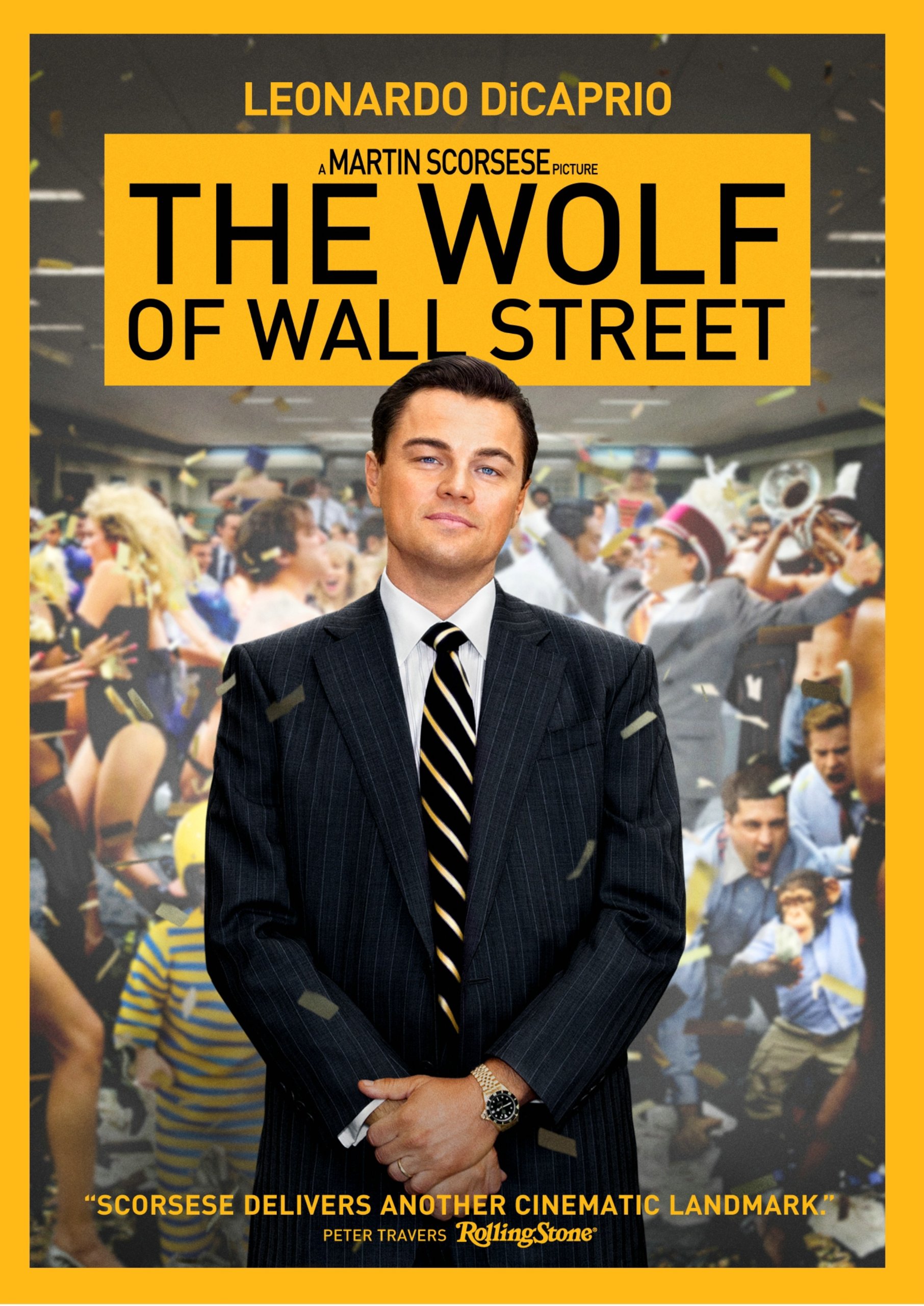
While the 2013 film The Wolf of Wall Street captures the manic energy of the Stratton Oakmont office, it creates a simplified version of the legal struggle.
| Feature | Media Portrayal (Film) | Historical Reality |
|---|---|---|
| Investigator Role | Primary antagonist (Agent Denham) | Gregory Coleman’s multi-year effort |
| Pace of Discovery | Rapid, often confrontational | Slow, methodical auditing of records |
| Nature of Evidence | Singular "smoking gun" moments | Cumulative financial forensics |
| Resolution | High-tension showdown | Calculated plea agreement and cooperation |
The film condensed years of regulatory hurdles and evidentiary gathering into a narrative that highlighted the cultural excess of the decade, rather than the mundane but critical forensic accounting that actually halted the fraud.
Regulatory and Economic Consequences
The investigation into the "Wolf of Wall Street" case had long-lasting impacts on the financial industry. It exposed deep flaws in how the National Association of Securities Dealers (NASD)—now part of FINRA—monitored brokerage firms. Following the downfall of Stratton Oakmont, regulatory bodies implemented stricter compliance protocols and more rigorous oversight of micro-cap stock trading.
The case also served as a catalyst for future enforcement strategies against white-collar crime. The use of whistleblowers, the application of RICO statutes to investment firms, and the focus on following the money to offshore jurisdictions became standard operating procedures for the FBI’s financial crimes units in the 21st century.
Frequently Asked Questions
Did the real FBI agent ever catch Jordan Belfort in the way depicted in the film? No. While there was a tense professional relationship, the "face-off" scenes were largely dramatic inventions. The reality was a prolonged, professional investigation based on documents and testimony rather than a singular dramatic confrontation.
How much of the "Wolf of Wall Street" case was based on true events? The core narrative regarding the formation of Stratton Oakmont, the pump-and-dump schemes, and the eventual guilty pleas is historically accurate. However, the specific interpersonal conflicts and the dramatic portrayal of the agents were stylized for cinematic effect.
What was the legal outcome for those involved in the case? Jordan Belfort served 22 months in federal prison and was ordered to pay $110.4 million in restitution. Many of his associates also served prison time, varying based on the level of their involvement and their degree of cooperation with federal authorities.
Is it still possible for firms to operate like Stratton Oakmont today? While the specific tactics used in the 90s have been mitigated by digital oversight, regulatory technology (RegTech), and faster transaction monitoring, financial fraud continues to evolve. Modern regulators focus on algorithmic manipulation and decentralized finance (DeFi), requiring even more sophisticated investigative techniques than those used in the 1990s.
Next Steps for Understanding Financial Fraud
For those interested in the history of financial crime, the best resources are the original court documents and the transcripts from the U.S. Attorney’s Office for the Eastern District of New York. These records provide the exact charges, plea agreements, and sentencing memorandums that define the legal reality of the case. Always consult official government databases for legal precedence rather than relying solely on commercial media depictions.
Image Gallery