Survival of Small Cell Lung Cancer: Statistics, Prognosis, and Treatment Advancements in 2026
The survival of small cell lung cancer (SCLC) depends primarily on the stage at diagnosis and the patient’s response to initial therapy. For limited-stage SCLC, the five-year survival rate is approximately 25% to 30% with aggressive co...
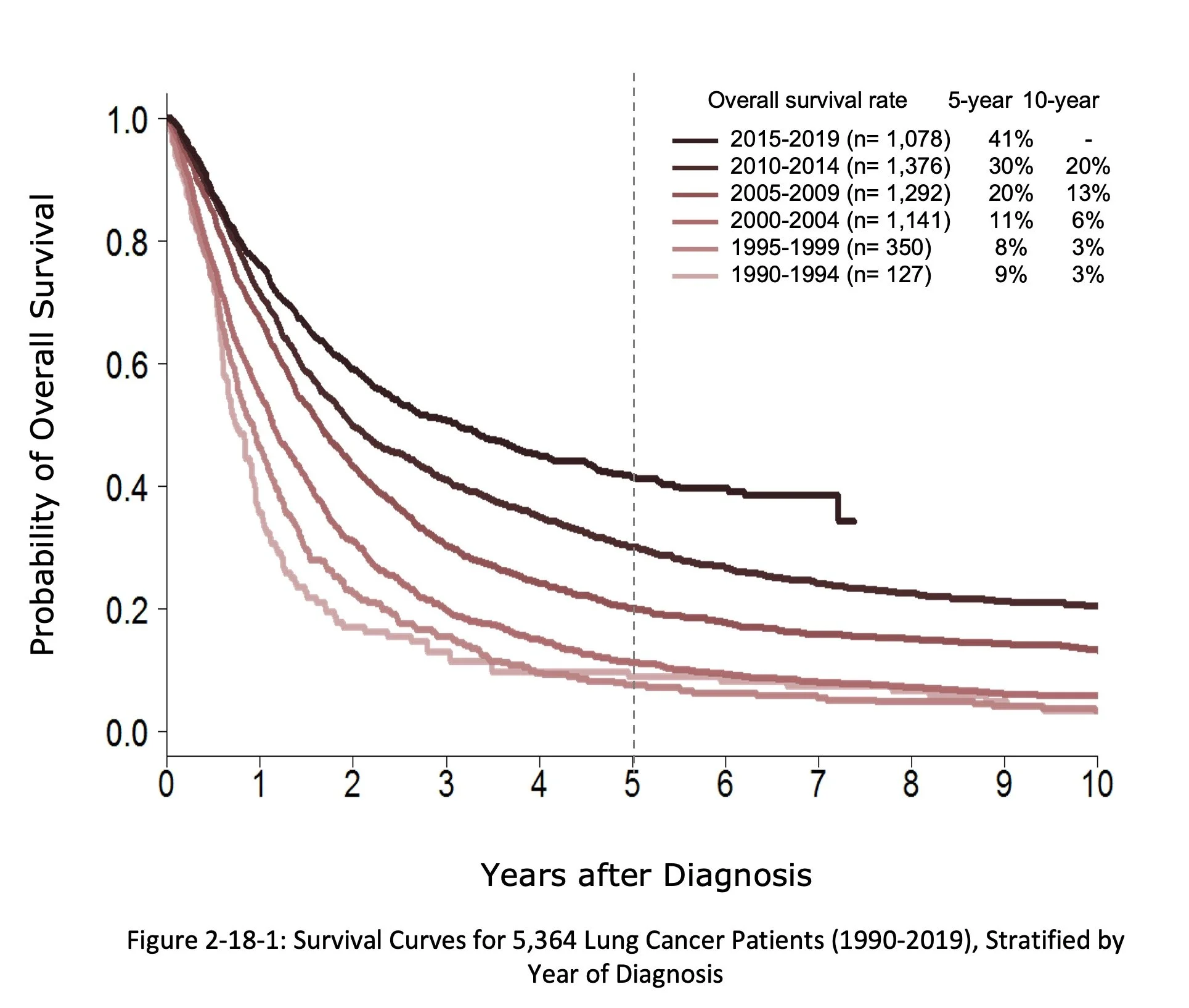
The survival of small cell lung cancer (SCLC) depends primarily on the stage at diagnosis and the patient’s response to initial therapy. For limited-stage SCLC, the five-year survival rate is approximately 25% to 30% with aggressive concurrent chemoradiation. Extensive-stage SCLC remains more difficult to treat, with five-year survival rates typically falling below 10%, though modern immunotherapy has significantly extended median survival times.
Contents
Understanding the Pathology of Small Cell Lung Cancer
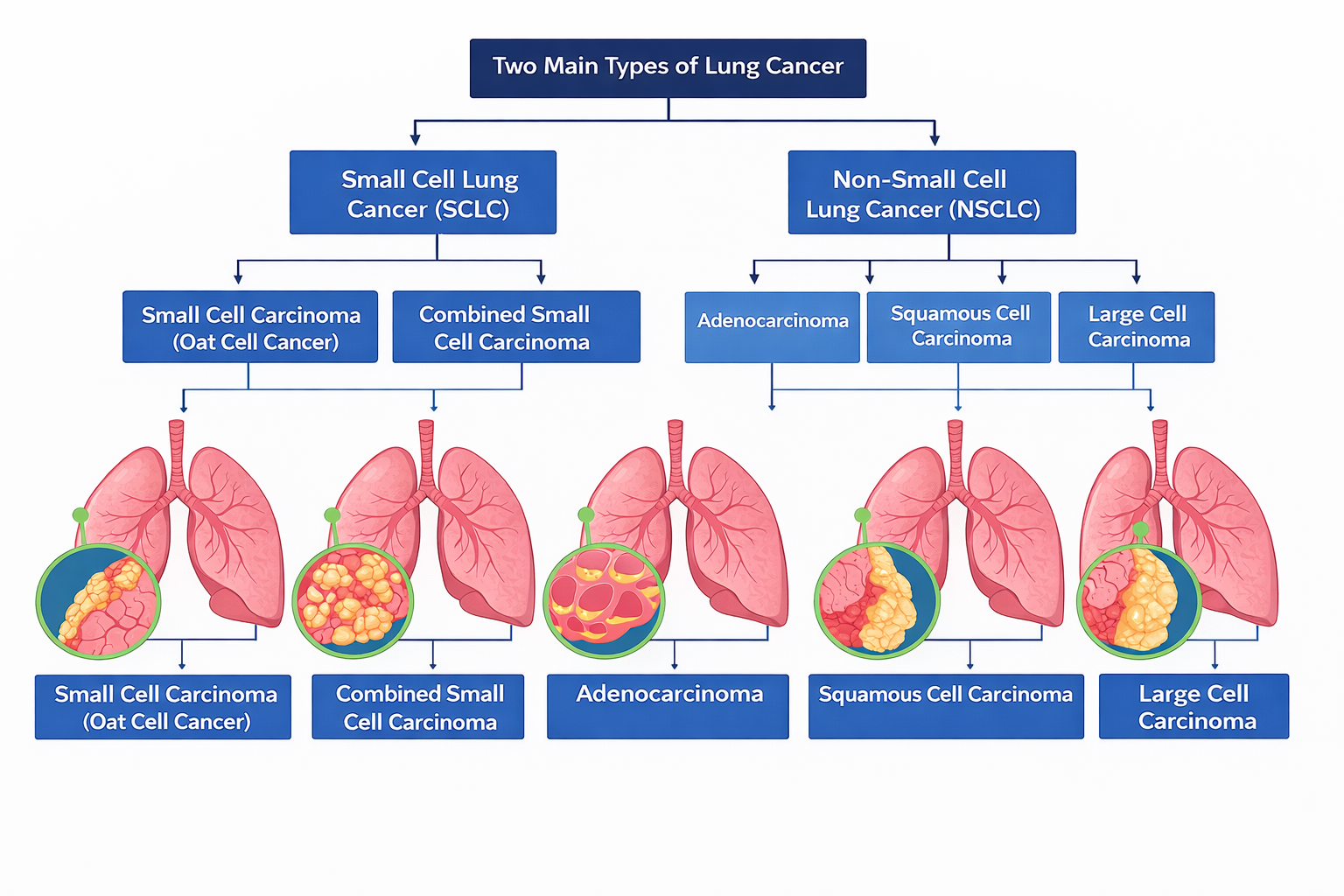
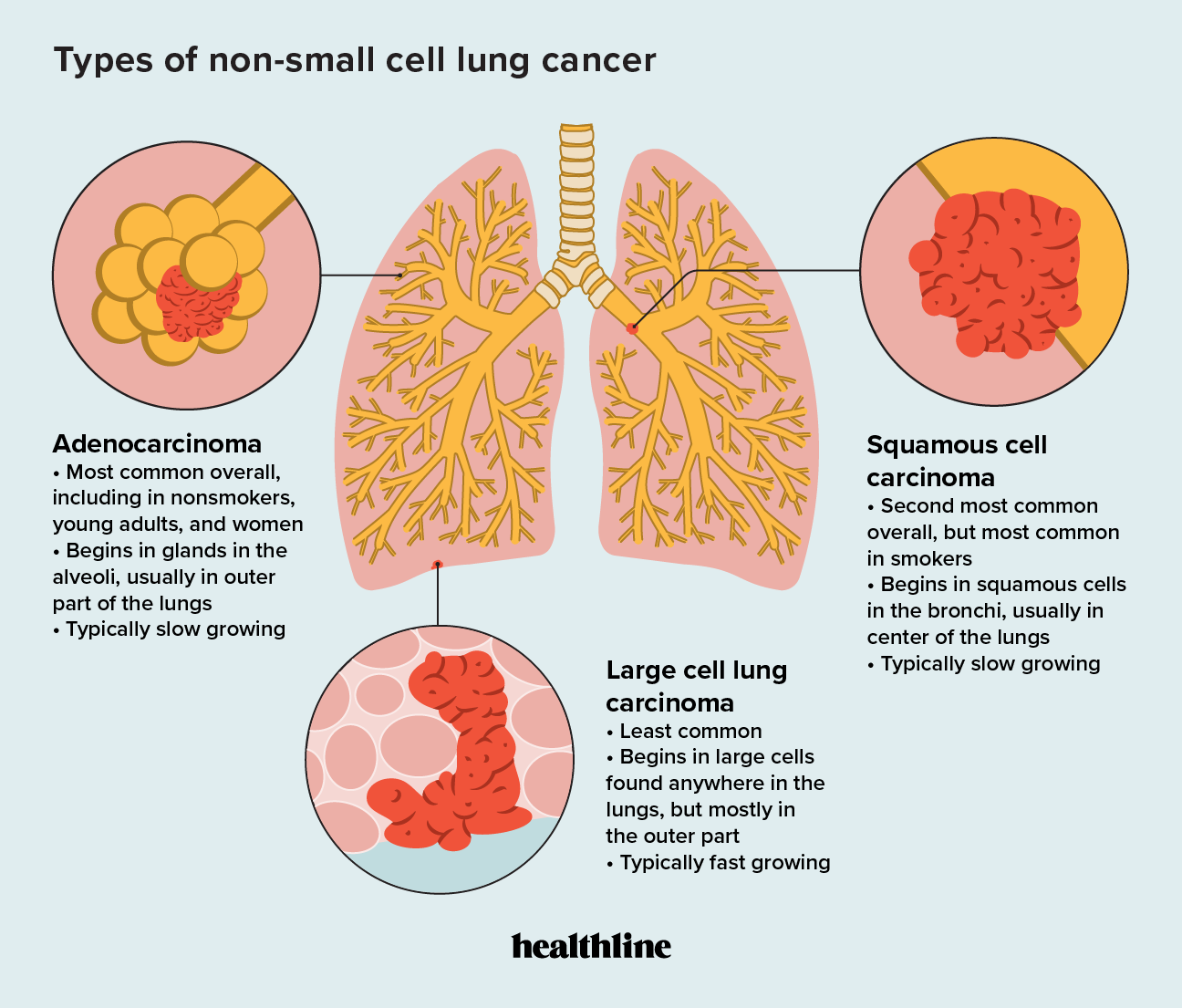
Small cell lung cancer is a high-grade neuroendocrine carcinoma characterized by rapid doubling time and an early tendency to metastasize. Unlike non-small cell lung cancer (NSCLC), which may grow slowly over years, SCLC often progresses in weeks or months. This aggressive nature is rooted in its cellular structure: the cells are small, contain little cytoplasm, and lack distinct nucleoli.
Because SCLC is so closely linked to heavy tobacco exposure, the underlying genetic landscape is often complex, involving a high tumor mutational burden (TMB). While this high mutation rate contributes to the cancer's aggressiveness, it also provides a target for the immune system, explaining why immunotherapy has become a cornerstone of treatment in 2026. Understanding the biological "why" behind SCLC's behavior is critical for patients and caregivers when interpreting survival statistics; the very traits that make the cancer dangerous also make it initially very responsive to cytotoxic treatments like chemotherapy.
Staging and Its Impact on Survival Estimates
In 2026, clinicians continue to use the Veterans Administration Lung Study Group (VALSG) two-stage system alongside the TNM (Tumor, Node, Metastasis) system to categorize SCLC. This classification is the single most important predictor of long-term survival.
Limited-Stage SCLC (LS-SCLC)
Limited-stage disease is defined as cancer found only on one side of the chest that can be safely encompassed within a single radiation portal. This stage accounts for approximately one-third of SCLC diagnoses. Because the disease is localized, the goal of treatment is curative.
The survival outlook for LS-SCLC has improved over the last decade due to better integration of thoracic radiotherapy and the use of Prophylactic Cranial Irradiation (PCI). In 2026, the median survival for LS-SCLC ranges from 25 to 30 months, with a significant minority of patients achieving long-term remission.
Extensive-Stage SCLC (ES-SCLC)
Extensive-stage disease occurs when the cancer has spread to the other lung, lymph nodes on the opposite side of the chest, or distant organs such as the liver, brain, or bones. Roughly two-thirds of patients are diagnosed at this stage.
For these patients, treatment is generally palliative, focused on extending life and maintaining quality of life. Until recently, the median survival for ES-SCLC was less than a year. However, the addition of checkpoint inhibitors to standard chemotherapy has shifted this baseline, with more patients surviving beyond the two-year mark than ever before.
Factors Influencing Individual Prognosis
Survival statistics are population-level averages and do not account for the unique biological and lifestyle variables of an individual patient. Several key factors influence whether a patient might exceed the standard survival estimates:
- Performance Status (PS): This is a measure of a patient's ability to perform daily activities. Patients with a high PS (0 or 1 on the ECOG scale) generally tolerate intensive chemotherapy and radiation better, leading to improved outcomes.
- Gender and Age: Historically, women with SCLC have shown slightly better survival rates than men. Younger patients (under 60) often have higher survival rates, largely due to their ability to undergo aggressive multi-modality treatment.
- Weight Loss: Significant weight loss (more than 10% of body weight) prior to diagnosis is often associated with a poorer prognosis, as it may indicate a higher systemic tumor burden or metabolic strain.
- Response to First-Line Therapy: SCLC is notoriously "chemosensitive," meaning it often shrinks rapidly during the first round of treatment. Patients who achieve a complete or partial response during this initial phase have a much higher likelihood of longer survival compared to those whose cancer is refractory (resistant) to initial platinum-based drugs.
Current Treatment Landscape and Survival Gains
The standard of care in 2026 emphasizes a combination of traditional cytotoxic drugs and modern biologics. This "sandwich" approach has been the primary driver in the marginal but steady increase in survival rates.
The Role of Immunotherapy
The introduction of PD-L1 inhibitors, such as Atezolizumab and Durvalumab, has fundamentally changed the trajectory of extensive-stage SCLC. These drugs work by removing the "brakes" on the immune system, allowing T-cells to recognize and attack cancer cells. Clinical data from the National Cancer Institute suggests that patients receiving chemo-immunotherapy combinations see a significant improvement in overall survival (OS) compared to chemotherapy alone.
Advancements in Bispecific T-cell Engagers (BiTEs)
As of 2026, the use of BiTE technology, specifically targeting DLL3 (delta-like ligand 3), has moved into the forefront of second-line treatment. DLL3 is highly expressed on the surface of SCLC cells but is rarely found in healthy tissue. Drugs like Tarlatamab act as a bridge, pulling the patient's own T-cells directly onto the cancer cells. This targeted approach has provided a new lifeline for patients who previously had very few options after their cancer returned.
Survival Rate Comparison Table
The following table outlines the estimated five-year survival rates and median survival times based on current 2026 clinical observations and SEER database trends.
| Disease Stage | 5-Year Survival Rate | Median Survival Time | Primary Treatment Goal |
|---|---|---|---|
| Limited-Stage (LS) | 25% – 30% | 25 – 30 Months | Curative Intent |
| Extensive-Stage (ES) | 3% – 8% | 12 – 16 Months | Life Extension / Palliation |
| Recurrent (Sensitive) | < 2% | 6 – 10 Months | Symptom Management |
| Recurrent (Refractory) | < 1% | 3 – 5 Months | Quality of Life |
Note: "Sensitive" recurrence refers to cancer that returns more than 90 days after finishing first-line treatment. "Refractory" refers to cancer that returns within 90 days or grows during treatment.
Managing Recurrence and Second-Line Survival
The greatest challenge in SCLC survival is the high rate of recurrence. Even when initial treatment is successful, the cancer often returns in a form that is more resistant to drugs.
In 2026, managing recurrence involves a high degree of personalization. If a patient had a long "platinum-free interval" (the time between the end of the first treatment and the return of the cancer), doctors may re-challenge the cancer with the same platinum drugs. If the recurrence is rapid, second-line agents like Topotecan or newer Antibody-Drug Conjugates (ADCs) are employed.
Prophylactic Cranial Irradiation (PCI) also remains a discussion point. Since SCLC frequently spreads to the brain, low-dose radiation to the head can prevent or delay brain metastases, which is a significant cause of mortality. However, clinicians in 2026 often weigh the survival benefits of PCI against potential cognitive side effects, sometimes opting for close MRI surveillance instead.
The Importance of Supportive and Palliative Care
Survival is not merely a measure of time but also of function. Integrative palliative care—started at the time of diagnosis—has been shown to actually improve survival in lung cancer patients. By managing symptoms like breathlessness, pain, and fatigue early, patients are better able to stay on their treatment schedules and maintain the physical strength required for successive rounds of therapy.
Supportive care also involves nutritional counseling and psychological support. The "stigma" of lung cancer can often lead to delayed treatment or depression, both of which negatively impact survival. Addressing the holistic needs of the patient is a clinical priority in modern oncology.
Medical Disclaimer: This information is for educational purposes only and does not constitute medical advice. Oncology is a rapidly evolving field; always consult with a board-certified oncologist or medical professional for diagnosis, staging, and treatment planning tailored to your specific condition.
Frequently Asked Questions
Can SCLC be cured if caught early?
While SCLC is rarely "cured" in the traditional sense due to its high recurrence rate, patients with Limited-Stage SCLC can achieve long-term remission that lasts for many years. Approximately 25-30% of these patients survive five years or longer, which is the benchmark for clinical cure in many oncology circles.
How has immunotherapy changed the survival of SCLC?
Before immunotherapy, the median survival for extensive-stage SCLC was stuck at approximately 9-10 months for decades. With the addition of PD-L1 inhibitors, more patients are reaching the two-year mark, and a small percentage are becoming "long-term responders" who maintain stable disease for several years.
Is age a major factor in SCLC survival?
Yes, age affects survival primarily because younger patients are typically more "fit" to handle the aggressive combination of chemotherapy and radiation. However, in 2026, newer targeted therapies and better supportive care medications allow many older adults to undergo effective treatment with fewer side effects than in previous years.
What is the survival rate for SCLC that has spread to the brain?
Brain metastases historically indicated a very poor prognosis, often measured in weeks or a few months. However, with modern stereotactic radiosurgery (SRS) and drugs that can cross the blood-brain barrier more effectively, many patients with brain involvement can now survive for a year or more while maintaining neurological function.
Does quitting smoking after a diagnosis help survival?
Yes. Studies consistently show that patients who quit smoking after an SCLC diagnosis have better outcomes, fewer treatment complications, and a lower risk of developing a second primary lung cancer. Quitting allows the lungs to function better during radiation and improves the body’s overall ability to heal.
Practical Recommendation: Next Steps for Patients
For those recently diagnosed or facing a recurrence, the most critical step toward maximizing survival is seeking a multidisciplinary team at a high-volume cancer center. Research suggests that patients treated at NCI-designated Cancer Centers often have better outcomes due to access to clinical trials and specialized thoracic surgeons and radiation oncologists.
Ask your medical team about biomarker testing and clinical trial eligibility, especially regarding DLL3-targeted therapies or new immunotherapeutic combinations. Monitoring your "Performance Status" through nutrition and light physical activity can also ensure you remain eligible for the most effective, albeit intensive, treatment options available in 2026.
Image Gallery