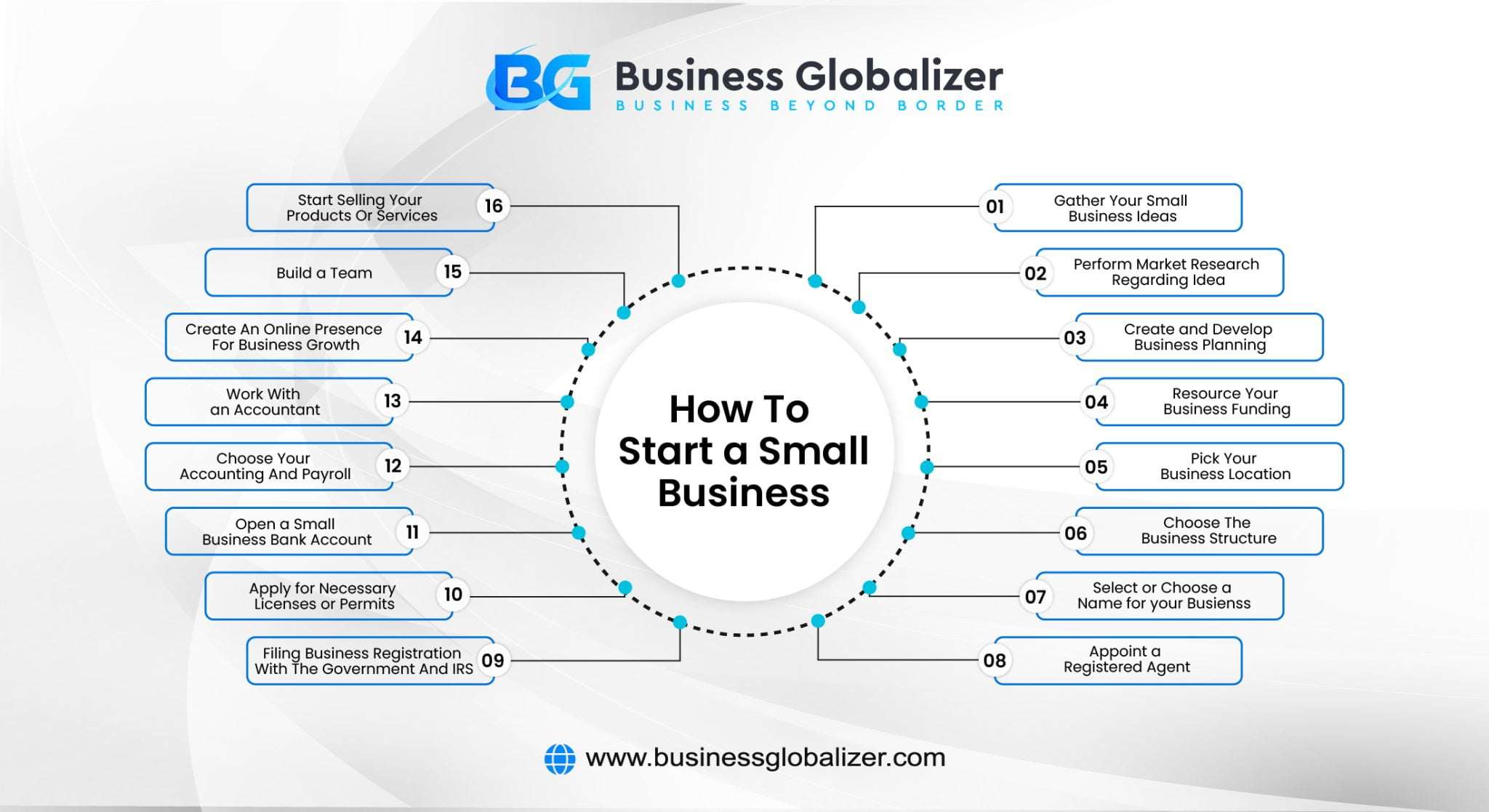
How to Start a Photo Business
Starting a photo business requires transitioning from a passionate hobbyist to an organized business owner by establishing a legal entity, investing in reliable gear, defining a clear target market, and implementing scalable pricing, m...
Starting a photo business requires transitioning from a passionate hobbyist to an organized business owner by establishing a legal entity, investing in reliable gear, defining a clear target market, and implementing scalable pricing, marketing, and client workflow systems.
Contents
Building a sustainable enterprise in the visual arts industry demands far more than technical proficiency with a camera. While capturing sharp images, understanding lighting, and mastering post-processing software are foundational, commercial success relies heavily on administrative discipline, legal compliance, and strategic financial planning. Whether you plan to launch a commercial product studio, a portraiture brand, or a wedding documentation service, taking a structured approach to your launch minimizes costly mistakes and sets the stage for long-term profitability.
Laying the Legal and Financial Foundations
Before booking your first paying client or purchasing commercial equipment, you must establish a legal business entity. Operating without formal registration exposes your personal assets—such as your home, savings vehicle, and personal bank accounts—to unlimited liability if a client files a lawsuit or an accident occurs on a shoot.
Choosing a Business Structure
Most independent photographers begin as a Sole Proprietorship due to its minimal setup requirements and straightforward tax reporting. However, this structure offers zero separation between personal and professional liability.
Forming a Limited Liability Company (LLC) or an S-Corporation provides a protective shield for your personal assets. An LLC is generally favored by solo operators for its flexible pass-through taxation and administrative simplicity. In many jurisdictions, you can register an LLC online through your state's Secretary of State website or corporate registry.
Essential Registrations and Licenses
Depending on your municipality, you will need to secure specific local and state permits:
- Employer Identification Number (EIN): Required if you hire assistants, open a business bank account, or structure as certain corporation types.
- Local Business License: Most cities and counties require a general operating license for home-based or commercial-space businesses.
- Sales Tax Permit: If your jurisdiction levies sales tax on digital files, physical prints, or commercial services, you must register to collect and remit these taxes. Consult the Internal Revenue Service (IRS) or your local tax authority for specific guidelines.
Business Banking and Accounting
Never mix personal and professional finances. Open dedicated business checking and savings accounts using your legal business name and EIN. Implement invoicing and accounting software—such as QuickBooks, FreshBooks, or HoneyBook—to track billable hours, project expenses, mileage, and software subscription fees from day one.
Investing in Gear and Technical Infrastructure
Your camera gear is your primary tool of trade, but equipment choices should be driven by commercial viability rather than consumer enthusiasm. A professional setup requires redundancy, reliability, and data security.
Camera Systems and Backup Equipment
Professional standards dictate that you must always carry backup gear to critical paid assignments. If a camera body, shutter, or flash fails mid-shoot, a second body ensures the job can be completed seamlessly.
- Primary Camera Body: Full-frame mirrorless or high-megapixel DSLR bodies offering dual card slots for simultaneous backup recording.
- Secondary Camera Body: A matching or compatible backup body kept in your bag.
- Lenses: A versatile kit typically includes a fast standard zoom (such as a 24-70mm f/2.8), a portrait prime (such as an 85mm f/1.4 or 50mm f/1.2), and a telephoto zoom (such as a 70-200mm f/2.8).
- Lighting: Portable off-camera flash units, radio triggers, and at least one reliable strobe or continuous light modifier setup.
Data Management and Storage Infrastructure
Digital assets are vulnerable to drive failures, theft, and corruption. Establishing a secure, multi-tier backup workflow is non-negotiable:
- In-Camera: Write RAW files simultaneously to two memory cards (e.g., CFexpress and SD).
- Ingest and Working Drive: Transfer files immediately to a fast local Solid State Drive (SSD) for editing.
- Primary Backup: Back up all working directories to a multi-bay Network Attached Storage (NAS) device or high-capacity desktop hard drive array.
- Offsite Cloud Backup: Utilize a secure, encrypted cloud backup service (such as Backblaze or AWS) to protect against physical disasters or studio theft.
Defining Your Niche and Target Market
Attempting to photograph everything from newborns and real estate to wildlife and high-fashion editorial dilutes your marketing message. Clients seeking a specialized professional for a high-stakes event—such as a wedding or a corporate campaign—prefer a recognized specialist over a generalist.
| Niche Category | Primary Client Base | Key Equipment Requirements | Typical Revenue Model |
|---|---|---|---|
| Wedding & Events | Couples, event planners | Dual bodies, fast primes, high-capacity flashes | Flat-rate packages, a la carte prints |
| Commercial & Product | E-commerce brands, marketing agencies | High-resolution sensors, macro lenses, studio strobes | Day rates, licensing fees, per-image pricing |
| Portraiture (Family/Senior) | Families, individuals, high school seniors | Versatile mid-range zooms, flattering prime lenses | Session fees plus digital file packages |
| Real Estate | Realtors, property developers, architects | Full-frame body, ultra-wide angle lens, sturdy tripod | Per-property flat rates based on square footage |
Research your local competitive landscape to identify gaps in the market. Analyze competing portfolios, evaluate their pricing transparency, and determine how you can differentiate your brand through superior customer service, distinct aesthetic style, or streamlined booking processes.
Structuring Your Pricing Strategy
Pricing mistakes sink more new photo businesses than lack of talent. Many beginners calculate their prices by simply looking at what competitors charge, often ignoring their own true overhead costs.
To build a profitable pricing model, calculate your Cost of Doing Business (CODB):
- Fixed Overhead: Software subscriptions (Adobe Creative Cloud, gallery hosting), website and domain hosting, insurance premiums, accounting fees, and marketing costs.
- Variable Expenses: Equipment depreciation, travel and parking fees, printing costs, contractor fees for second shooters or assistants, and studio rentals.
- Desired Salary: Determine your target annual personal income.
- Billable Hours: Factor in that a photographer typically spends only 30% to 40% of their working hours actively shooting; the rest is consumed by editing, marketing, client communication, and administrative tasks.
Combine these figures into a comprehensive formula to establish either session fees, day rates, or all-inclusive digital packages that guarantee a healthy profit margin above your operational expenses.
Developing a Client Workflow and Marketing Plan
A professional operational workflow ensures consistent client satisfaction and generates valuable word-of-mouth referrals.
The Client Journey
- Inquiry Handling: Respond to all incoming inquiries within 24 hours using automated questionnaire templates to qualify the lead's budget and date availability.
- Consultation: Conduct a brief phone or video consultation to establish rapport and clarify expectations.
- Booking: Send a legally binding contract outlining deliverables, usage rights, cancellation terms, and a secure online invoice requiring a non-refundable retainer (typically 30% to 50%) to lock in the date.
- The Shoot: Execute the session professionally, maintaining clear communication and creative direction.
- Delivery: Edit and upload final selections to a secure online client gallery (such as Pixieset or ShootProof) within your promised turnaround time.
- Post-Session Marketing: Follow up 30 days post-delivery to request reviews and offer anniversary or seasonal specials.
Marketing Channels
- Optimized Local SEO: Build a clean, fast-loading portfolio website. Optimize your Google Business Profile with verified address details, high-res work samples, and customer reviews to capture local search traffic.
- Social Media and Networking: Maintain active profiles on visual-first platforms where your target audience congregates. Attend local networking events, join chambers of commerce, and build relationships with complementary vendors (e.g., wedding venues, makeup artists, or interior designers).
Frequently Asked Questions
Do I need a formal photography degree to start a business?
No. Clients hire photographers based on portfolio strength, reliability, professionalism, and customer service reviews rather than academic credentials. While technical mastery is essential, self-taught photographers who invest time in deliberate practice and business education can build thriving commercial enterprises.
What kind of insurance do I need as a professional photographer?
You should carry two primary forms of insurance: General Liability Insurance (which covers bodily injury or property damage on location, such as a guest tripping over a light stand) and Equipment Insurance (Inland Marine insurance), which protects your camera bodies, lenses, and lighting gear against theft, damage, or loss both in your studio and while traveling.
How should I handle copyright and image usage rights?
Under standard copyright law, the creator of the photograph automatically owns the copyright the moment the image is captured. In your client contracts, explicitly state what usage rights are granted. For consumer portraiture, grant personal printing and sharing rights while retaining copyright. For commercial work, license specific usage terms, durations, and media channels, charging higher fees for broader commercial exposure.
When should I transition from a part-time side hustle to a full-time business?
It is advisable to maintain your primary source of income until your photography business generates consistent, predictable monthly revenue that covers your living expenses, business overhead, and taxes for at least six consecutive months. Additionally, having a liquid emergency fund covering three to six months of personal expenses provides a crucial safety net against seasonal revenue fluctuations.
How do I legally protect myself if a client is unhappy with their photos?
Mitigate disputes by using a comprehensive contract that defines your artistic style, clearly states deliverables, sets realistic delivery timelines, and limits your legal liability to the total financial amount paid under the contract. Clear communication before the shoot regarding expectations and aesthetic preferences also drastically reduces misunderstandings.
Next Actions
Begin your journey by outlining your business plan, selecting your primary niche, and registering your legal entity with your local government. Open a dedicated business bank account, purchase general liability and equipment insurance, and build a streamlined portfolio website showcasing your best, most cohesive work.
Image Gallery