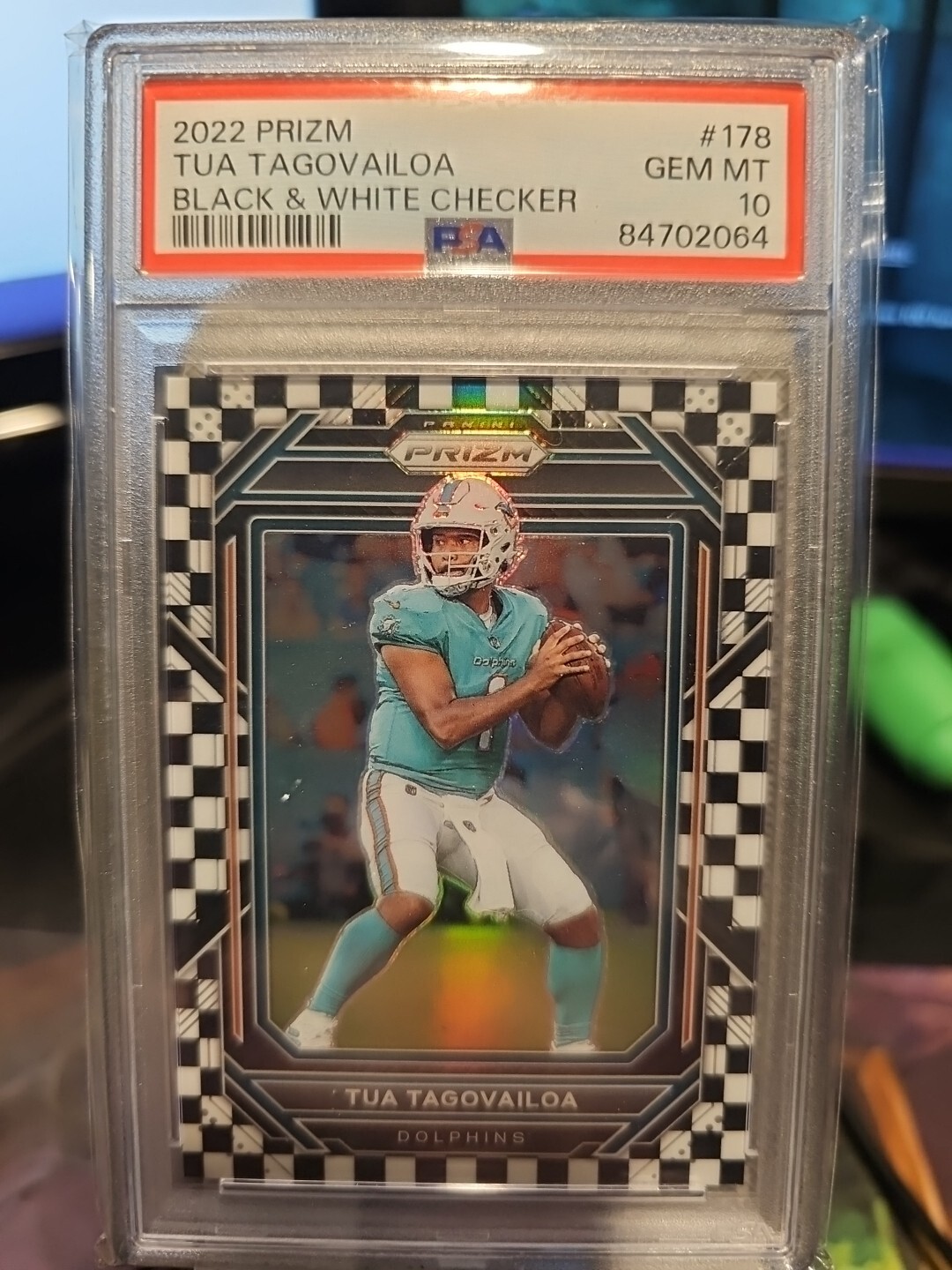
Understanding Tua Tagovailoa’s Ethnicity and Background: Exploring the Samoan Heritage
Tua Tagovailoa is neither Black nor white; he is of indigenous Samoan descent, born and raised in American Samoa and Hawaii within a proud Polynesian culture. Public inquiries regarding his racial classification often stem from surface...
Tua Tagovailoa is neither Black nor white; he is of indigenous Samoan descent, born and raised in American Samoa and Hawaii within a proud Polynesian culture. Public inquiries regarding his racial classification often stem from surface-level assumptions about skin tone or the diverse racial makeup of modern professional American football rosters, but his lineage traces directly to the Pacific Islands.
Contents
The intersection of sports, racial categorization, and cultural identity frequently prompts questions from fans seeking to understand the background of high-profile athletes. As a prominent quarterback in the National Football League (NFL), Tua Tagovailoa's heritage represents a unique and vibrant culture that stands distinct from traditional Western racial binaries like Black and white. Examining his background requires a look at geographic origins, Polynesian heritage, and the broader context of Samoan representation in American sports.
The Geographic and Cultural Roots of Samoan Heritage
To understand Tua Tagovailoa's background, one must look to the Samoan Islands, an archipelago located in the central South Pacific Ocean. The islands are politically divided into two jurisdictions: the independent nation of Samoa (formerly Western Samoa) and American Samoa, an unincorporated territory of the United States. Tagovailoa was born in Ewa Beach, Hawaii, but his family maintains deep, direct roots in American Samoa, where his grandfather, Seu Tagovailoa, was a respected high chief in the village of Aunu'u.
Polynesians, including Samoans, are an indigenous people distinct from Caucasian (white) and African (Black) racial categories. Anthropologically and genetically, Polynesian populations share ancient ancestral connections with indigenous peoples of Southeast Asia, migrating across the Pacific Ocean thousands of years ago to settle islands such as Samoa, Tonga, Hawaii, and New Zealand. Consequently, applying standard American racial checkboxes to individuals of Pacific Islander descent often creates confusion, as these systems do not accurately capture the unique history and genetics of indigenous Oceanic populations.
Demographics and Racial Classifications in the United States
In the United States, official demographic tracking by entities such as the U.S. Census Bureau classifies Pacific Islanders as a distinct racial category, separate from white, Black or African American, American Indian and Alaska Native, and Asian.
- Distinct Category: "Native Hawaiian and Other Pacific Islander" is recognized as its own demographic group.
- Cultural Identity: Samoans emphasize lineage, tribal affiliation, and village ties over Western racial designations.
- Geographic Spread: A significant portion of the Samoan population lives in the western United States, particularly California, Washington, Utah, and Hawaii.
This classification system helps clarify why labeling a Samoan individual as strictly Black or white is inaccurate. Pacific Islanders possess a distinct cultural, geographic, and genetic heritage that exists outside the conventional American racial binary.
Tua Tagovailoa's Family Background and Upbringing
Tua Tagovailoa was born to Galu and Diane Tagovailoa on February 15, 1998, in Ewa Beach, Hawaii. His household was deeply rooted in traditional Samoan values, which heavily emphasize Christian faith, respect for elders, tight-knit family structures, and athletic dedication.
Growing up in a traditional Samoan household meant that Tagovailoa's daily life, discipline, and community interactions were shaped by Fa’a Samoa—the Samoan way. This cultural framework prioritizes collective responsibility, humility, and service to the family and community. When sports commentators or fans discuss his demeanor, leadership style, and humility on and off the field, they frequently connect these traits to the cultural upbringing instilled by his parents and his grandfather, whom Tua has often credited as a primary inspiration in his life and football career.
Samoan Representation in American Football
The visibility of athletes of Samoan descent in American football has grown exponentially over the past few decades. American Samoa, in particular, has gained a reputation as a powerhouse for producing elite football talent, earning recognition from sports journalists as a prolific breeding ground for offensive and defensive linemen, linebackers, and skill-position players alike.
Athletes with Samoan heritage navigating collegiate and professional sports often carry the pride of their heritage onto the national stage. When Tua Tagovailoa played for the University of Alabama—winning a national championship—and later transitioned to the NFL as a high first-round draft pick for the Miami Dolphins, he became a prominent ambassador for the Polynesian community, inspiring youth across the Pacific Islands and the diaspora.
| Aspect of Heritage | Description |
|---|---|
| Ethnic Identity | Indigenous Samoan (Polynesian) |
| Birthplace | Ewa Beach, Hawaii |
| Ancestral Origin | American Samoa |
| U.S. Census Classification | Native Hawaiian and Other Pacific Islander |
| Cultural Foundation | Fa’a Samoa (The Samoan Way) and Christian faith |
Common Misconceptions Regarding Polynesian Athletes
The tendency of observers to categorize athletes as either Black or white highlights a broader limitation in how multicultural or non-Western identities are perceived in mainstream media. Because American sports culture historically centered around a Black-white demographic dynamic, athletes from emerging demographic groups—such as Pacific Islanders, multiracial individuals, or Indigenous Americans—are frequently subjected to oversimplified inquiries regarding their racial identity.
Educators, sociologists, and sports analysts emphasize the importance of recognizing indigenous categories correctly. Understanding that Samoans are an independent Polynesian people prevents cultural erasure and respects the rich history of exploration, navigation, and resilience that defines the Pacific Islands.
Frequently Asked Questions
Is Tua Tagovailoa of African American descent?
No, Tua Tagovailoa is not of African American descent. He is of indigenous Samoan descent, originating from the Pacific Islands, with family roots in American Samoa and Hawaii.
Is Tua Tagovailoa considered white or Caucasian?
No, he is not considered white or Caucasian. While Western media sometimes applies a binary racial framework, Pacific Islanders belong to a distinct ethnocultural and geographic group recognized separately in demographic data.
Where was Tua Tagovailoa born?
Tua Tagovailoa was born in Ewa Beach, Hawaii, but his family maintains deep cultural and ancestral ties to American Samoa.
What is Fa’a Samoa?
Fa’a Samoa is the traditional Samoan way of life, which governs social behavior, respect for elders, community obligations, and cultural values within Samoan families and villages.
Why do so many NFL players have Samoan heritage?
A combination of cultural emphasis on physical strength, strong community support, rigorous athletic training, and a deep tradition of football excellence has led to a remarkably high per capita representation of Samoan athletes in high-level American football.
Conclusion and Next Actions
Examining the heritage of professional athletes provides valuable context beyond the playing field, highlighting the diverse tapestry of cultures represented in modern sports. Tua Tagovailoa’s background as a proud Samoan man underscores the unique contributions of Pacific Islanders to American football and culture. For those seeking to learn more about Polynesian athletes, exploring documentaries on Samoan football culture or reading sociological studies on Pacific Islanders in sports can offer deeper insights into this vibrant community.
Image Gallery