What Is the Movie Severance About: Demystifying the Psychological Thriller and the Hit Sci-Fi Television Series
Severance is a critically acclaimed American science fiction psychological thriller television series created by Dan Erickson and directed primarily by Ben Stiller and Aoife McArdle. Rather than a feature-length motion picture, the pro...
Severance is a critically acclaimed American science fiction psychological thriller television series created by Dan Erickson and directed primarily by Ben Stiller and Aoife McArdle. Rather than a feature-length motion picture, the project is a serialized streaming television production broadcast on Apple TV+, though viewers frequently search for it using cinematic terms. The narrative explores the unsettling concept of work-life balance pushed to an absolute, surgical extreme through a corporate procedure that physically divides a worker’s memories between their professional and personal lives.
Contents
Understanding the premise, thematic architecture, and narrative mechanics of Severance requires looking past the common query format to examine the fictional world of Lumon Industries. This deep dive explores the mechanics of the severance procedure, the dual identities of its characters, the corporate conspiracy driving the plot, and the broader philosophical questions the series raises regarding autonomy, memory, and late-stage capitalism.
The Core Premise: The Severance Procedure at Lumon Industries
At the center of the story is Lumon Industries, a shadowy, biotechnology and pharmaceutical conglomerate with an almost cult-like devotion to its founder, Kier Eagan. Lumon offers its employees a controversial neurosurgical procedure known as "severance."
When an employee undergoes severance, a microchip is surgically implanted in their brain. This technology creates a physical barrier between two states of consciousness:
- The Innie: The version of the employee that exists only inside the windowless, labyrinthine halls of the Lumon office. The Innie has no memories of the outside world, no knowledge of personal relationships, history, geography, or even their own legal name outside the workplace.
- The Outie: The version of the employee that exists in the outside world. The Outie goes home, sleeps, eats, and lives a normal life, but has zero conscious awareness or recollection of what happens during their eight-hour workday.
To the Outie, walking through the front door of Lumon and stepping onto the elevator results in an instantaneous time-jump to the end of the shift. To the Innie, life consists solely of the office; they wake up on the conference room table, work their shift, step back into the elevator, and vanish into nothingness, only to wake up on the table the next morning without experiencing the intervening time.
Meet the Characters and the Macrodata Refinement Division
The narrative primarily follows Mark Scout, played by Adam Scott, who took the severance job to cope with the profound grief of losing his wife, Gemma, in a car accident. By severing his mind, Mark effectively allows eight hours of his day to pass without feeling grief, while his Outie relies on alcohol and isolation to numb the pain.
Mark works as the supervisor of the Macrodata Refinement (MDR) division, a small, quiet office containing four employees. The department dynamics form the emotional core of the series:
- Mark Scout (Macrodata Refinement): A former history professor who took a Lumon job to escape his grief. As an Innie, Mark is earnest, curious, and fiercely loyal to his team.
- Helly R. (Britt Lower): The newest recruit to MDR. Helly’s Innie is fiercely rebellious, immediately rejecting the premise of her servitude and trying every possible method to escape or send messages to her Outie, creating a high-stakes psychological conflict between the two halves of her mind.
- Dylan George (Zach Cherry): A veteran MDR worker who is initially motivated by corporate perks like finger traps, waffle parties, and novelty erasers, but eventually becomes a key player in waking up the Innies outside the office.
- Irving Bailiff (John Turturro): A meticulous, rule-abiding veteran worker devoted to Lumon lore and the company handbook, who begins experiencing mysterious hallucinations of black paint and develops a clandestine romance with Burt from Optics and Design.
Management is overseen by strict compliance officer Harmony Cobel (Patricia Arquette), who maintains a chilling dual identity as Mark’s next-door neighbor in the outside world, and her sociopathic enforcer, Seth Milchick (Tramell Tillman).
| Character | Outie Motivation | Innie Personality | Primary Narrative Arc |
|---|---|---|---|
| Mark Scout | Escape deep grief over his wife’s tragic death | Compassionate, questioning, protective leader | Discovers his wife may still be alive inside Lumon |
| Helly R. | Unclear family legacy / corporate compliance | Defiant, relentless, desperate for freedom | Organizes an unauthorized "Overtime Contingency" plan |
| Dylan George | Financial necessity or routine | Sarcastic, security-minded, fiercely protective | Volunteers to stay behind to trigger the control room switch |
| Irving Bailiff | Unknown | Artistic, rule-bound, romantic | Investigates Lumon's dark history and past whistleblower attempts |
The Work: What Do They Actually Do?
One of the most compelling mysteries driving the narrative is the bizarre nature of the work performed by the Macrodata Refinement department. The employees sit at vintage computer terminals staring at massive spreadsheets filled with seemingly endless streams of scrolling numbers.
When asked what the numbers mean, management offers no clear explanation. Instead, the workers are instructed to look at the numbers and sort them into digital bins based on gut feelings—specifically, identifying numbers that evoke emotional responses such as dread, playfulness, malice, or woe. When a worker successfully clears a data file, a celebratory chime sounds, and the department meets its macrodata quota.
Viewers and characters alike spend much of the series trying to decode the true purpose of this data refinement. Theories range from checking the emotional well-being of severed workers to tracking global populations or processing forbidden neural codes. The ambiguity serves as a powerful satirical commentary on corporate alienation, where modern desk workers often push papers, write code, or process spreadsheets without ever seeing the real-world impact or end-goal of their labor.
Themes of Corporate Control and Bodily Autonomy
Beyond its sci-fi trappings, the series functions as a biting satire of modern corporate culture, workplace surveillance, and the erosion of work-life boundaries. Lumon Industries acts as a hyper-corporate cult, offering its workers mundane perks like waffle parties, music dance experiences, and finger traps to keep them pacified, while enforcing draconian rules through a mysterious manual called the "Kier Codebook."
The central ethical dilemma hinges on bodily autonomy and human rights. Does an Innie count as a distinct legal person? If an Outie chooses to undergo severance, are they signing away the human rights of the Innie, who is forced into eternal servitude without ever consenting to birth or employment?
This conflict comes to a head as the Innies realize that their existence is entirely dependent on the whims of their Outies, who could theoretically quit, retire, or even die, effectively murdering the Innie consciousness. The show uses this sci-fi premise to examine real-world issues of labor exploitation, mental health struggles, and the psychological toll of burying oneself in work to avoid emotional pain.
Frequently Asked Questions
Is Severance a movie or a television series?
Severance is a serialized television drama broadcast on Apple TV+, not a feature-length motion picture. Created by Dan Erickson, the show premiered in February 2022 and has since gained widespread critical acclaim for its intricate world-building, cinematography, and suspenseful plotting.
What is the twist regarding Mark’s wife, Gemma?
Throughout the first season, Mark's Outie mourns his wife Gemma, who supposedly died in a car accident. However, a major narrative revelation exposes that Gemma is alive and working inside Lumon as Ms. Casey, a wellness counselor. Because her mind is severed, neither Mark nor Gemma recognizes each other in the office, setting up high-stakes dramatic irony.
How does the "Overtime Contingency" work?
The Overtime Contingency is an emergency protocol housed in the Lumon control room that allows an Innie's consciousness to remain active while their body is out in the real world. In the season one finale, characters use this protocol to wake up their Innies outside the office, allowing them to expose Lumon's practices to the public.
Will there be a second season of the series?
Yes. Following the massive success of its first season, production for the second season experienced delays due to industry strikes and creative re-writes, but Apple TV+ confirmed a continuation of the narrative exploring the aftermath of the season one finale cliffhanger.
Where can I watch Severance?
Severance is distributed exclusively by Apple TV+ and requires an active subscription to the streaming service to watch.
Next Actions for Viewers
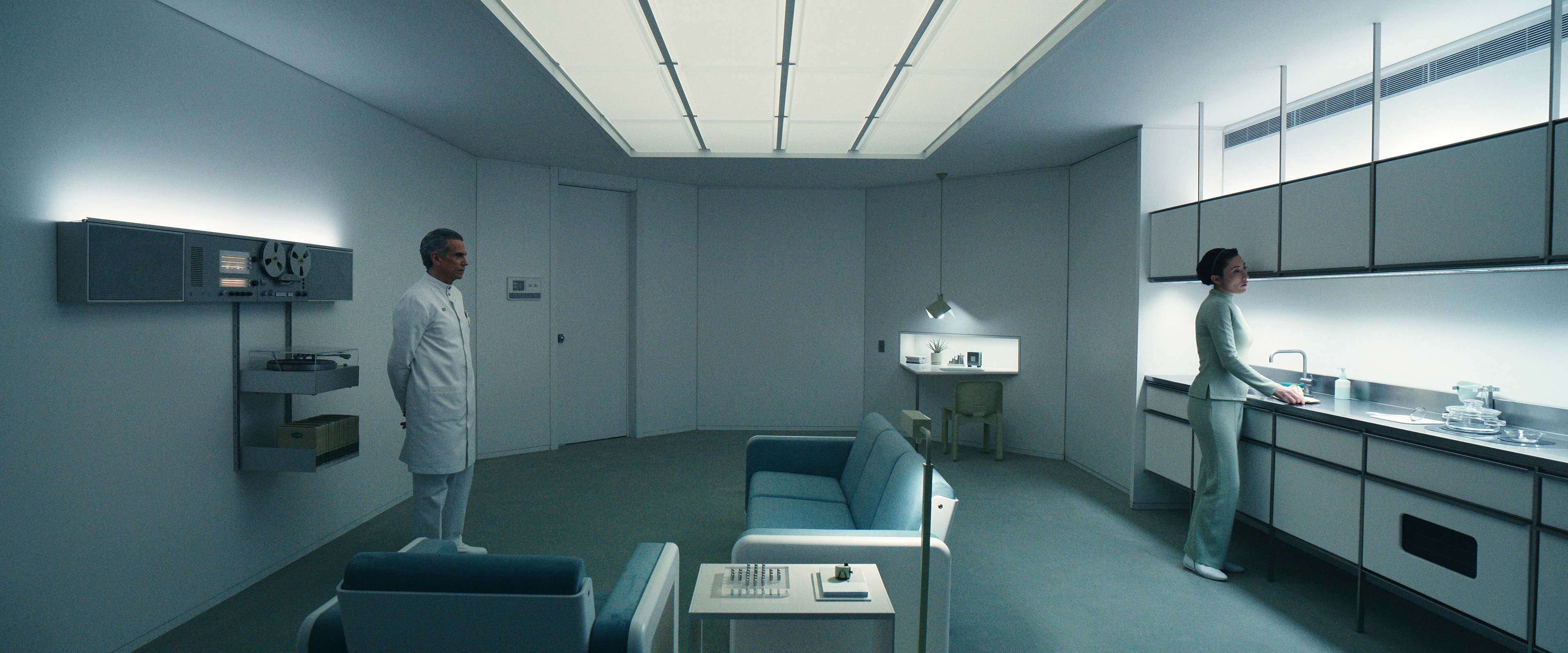
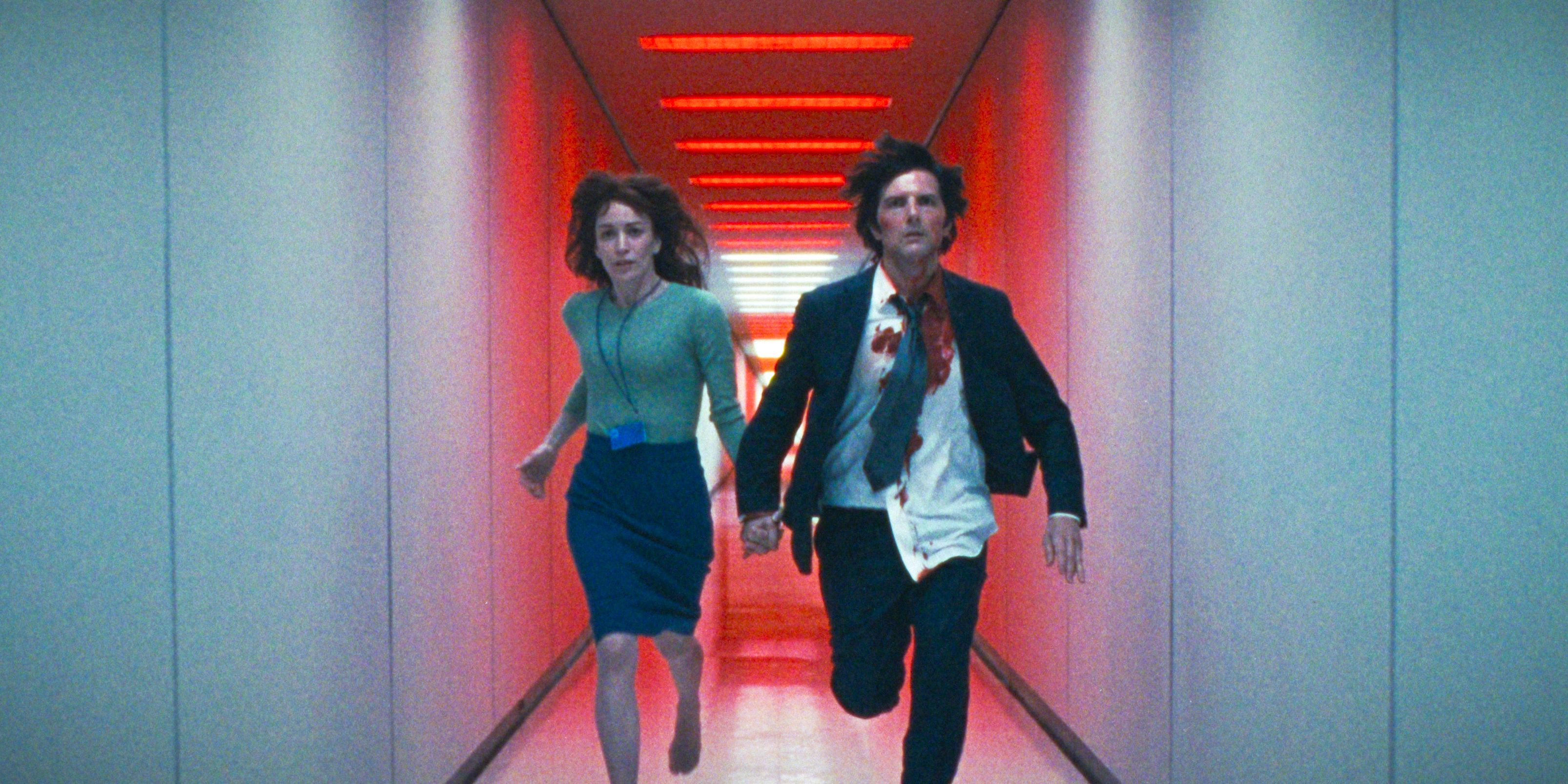
If you are planning to watch the series or dive deeper into its lore, begin by watching the first season on Apple TV+ with close attention to the visual motifs, such as the stark contrast between the bright, sterile white offices and the dark, moody outside world. Pay careful attention to background details, corporate handbooks, and retro-futuristic technology, as the show rewards close viewing with subtle clues about Lumon's true intentions.
Image Gallery