Mastering the Product Information Label: Essential Standards, Compliance, and Design
A product information label is a critical communication tool affixed to goods, providing consumers and regulators with mandatory details such as ingredients, usage instructions, safety warnings, and manufacturer data. It ensures legal...
A product information label is a critical communication tool affixed to goods, providing consumers and regulators with mandatory details such as ingredients, usage instructions, safety warnings, and manufacturer data. It ensures legal compliance, safeguards public health, and empowers informed purchasing decisions across global markets.
Contents
Understanding the Purpose and Value of a Product Information Label
Every physical item sold in a commercial marketplace requires clear documentation to bridge the gap between manufacturer and buyer. A product information label serves as the primary touchpoint for this data. Beyond basic identification, these labels function as legal instruments, safety guides, and marketing assets. They protect end-users by outlining potential allergens, safe operational parameters, and disposal methods, while protecting manufacturers from liability by ensuring transparent communication.
Regulatory bodies worldwide mandate strict adherence to labeling standards to prevent deceptive marketing and mitigate public health risks. For instance, food packaging must display complete nutritional profiles and allergen declarations, whereas electronics require energy ratings, voltage specifications, and compliance marks like the CE or FCC logos. Understanding these requirements is essential for businesses launching new items and consumers seeking reliable product verification.
Core Components Required on Regulatory Compliant Labels
While specific requirements vary significantly depending on the industry and jurisdiction, most standardized product labels share a common structural framework. Designing a compliant label requires careful coordination between legal teams, technical writers, and packaging designers.
Essential Elements of Standardized Labels
- Product Identification: The official, unambiguous name of the item, clearly distinguishing it from similar variants or competing brands.
- Manufacturer or Distributor Information: The legal business name, physical address, and contact details of the entity responsible for placing the product on the market.
- Net Quantity or Volume: Standardized weight, count, or liquid measurement reflecting the contents inside the packaging, formatted according to local weights and measures laws.
- Ingredients or Material Composition: A comprehensive, descending-order list of components, raw materials, or chemical constituents.
- Safety Warnings and Precautions: Explicit alerts regarding flammability, toxicity, choking hazards, or required personal protective equipment.
- Instructions for Use: Step-by-step guidance on how to assemble, operate, consume, or store the product safely and effectively.
Omitting any mandatory element can result in heavy regulatory fines, mandatory product recalls, or customs delays for imported goods. Manufacturers must regularly audit their packaging inventory to align with evolving statutory guidelines.
Industry-Specific Standards: Food, Cosmetics, and Electronics
Different sectors operate under unique regulatory frameworks administered by specialized agencies. Navigating these requirements demands a targeted approach tailored to the specific product category.
| Industry Sector | Primary Regulatory Focus | Key Mandatory Information | Common Standards & Marks |
|---|---|---|---|
| Food & Beverage | Public health, nutrition, allergen safety | Ingredient lists, nutritional facts, expiration dates, allergen warnings | FDA, USDA, Codex Alimentarius |
| Cosmetics & Personal Care | Dermatological safety, chemical transparency | INCI ingredient names, net weight, batch codes, shelf life after opening | EU Cosmetics Regulation, FDA guidelines |
| Consumer Electronics | Electrical safety, electromagnetic compatibility | Voltage requirements, power consumption, disposal icons, safety certifications | CE, FCC, UL, WEEE symbol |
| Pharmaceuticals | Therapeutic efficacy, dosage safety | Active ingredients, usage indications, side effects, lot numbers, expiry | FDA, EMA, National Pharmacopoeia |
Failing to meet sector-specific standards invalidates market access. For example, exporting cosmetics to the European Union requires registering formulas in the Cosmetic Product Notification Portal (CPNP) and using standardized International Nomenclature of Cosmetic Ingredients (INCI) terminology on the physical packaging.
Design Best Practices for Legibility and Accessibility
A legally compliant product information label provides no practical value if consumers cannot read or comprehend it. Graphic designers and packaging engineers must balance aesthetic appeal with functional readability. Typography plays a foundational role; regulatory bodies often specify strict minimum font sizes, such as a fractional height relative to the principal display panel, to ensure legibility for aging eyes or under dim lighting conditions.
Contrast is another critical factor. Dark text printed on a transparent or similarly dark background violates readability standards in most jurisdictions. Information hierarchy must guide the reader's eye naturally from the brand name and primary product identity down to fine-print warnings and ingredient declarations. Furthermore, localization is vital for multinational distribution. Labels must appear in the official language or languages of the target market, with accurate translations that maintain the precise legal meaning of safety warnings and usage instructions.
Digital Evolution: QR Codes and Smart Product Labels
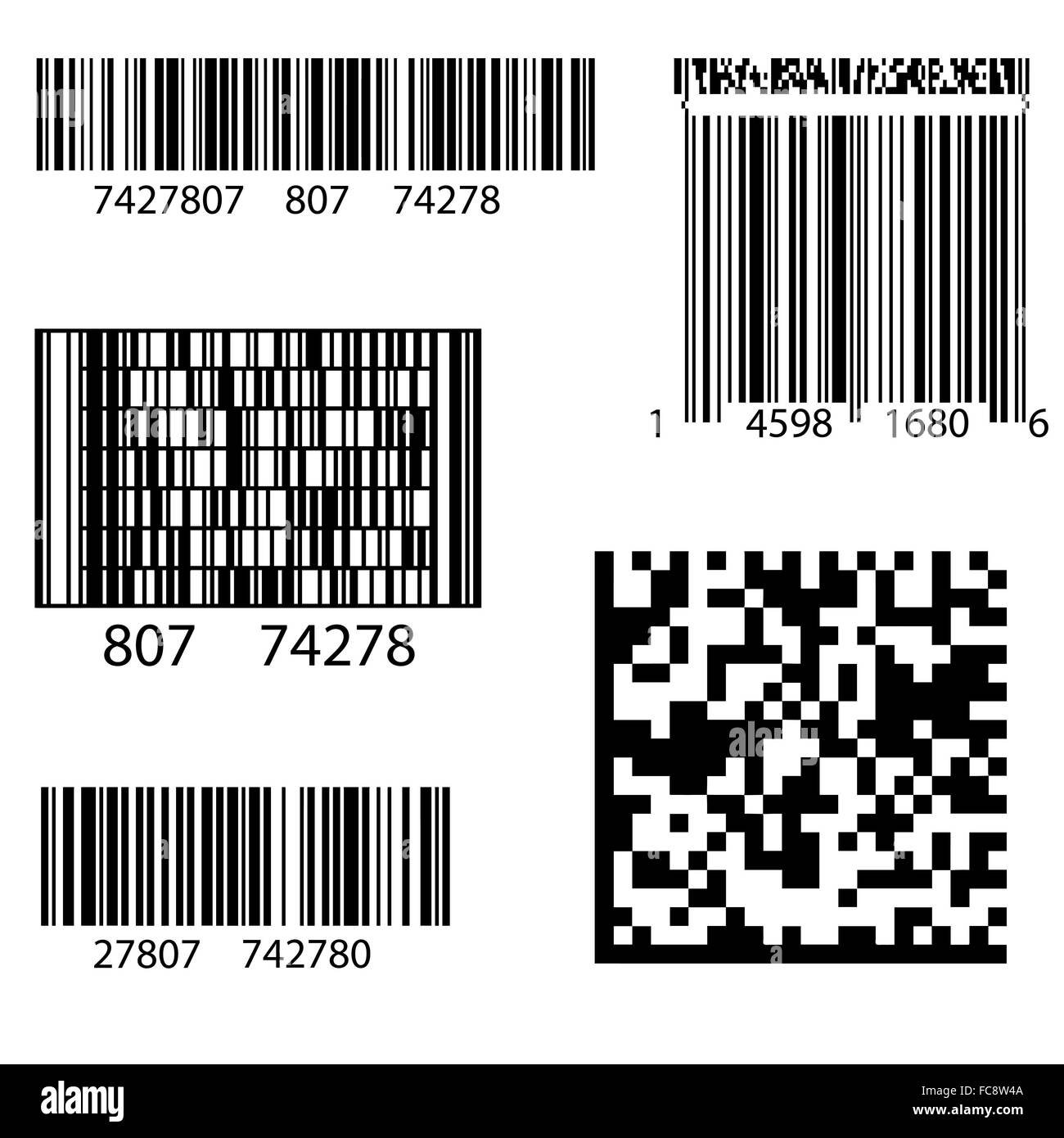
Traditional printed labels face spatial limitations, forcing brands to condense extensive instructions and safety data into cramped spaces. The integration of digital technologies, particularly 2D barcodes like QR codes and data matrix codes, has revolutionized how product information is delivered.
Smart product information labels allow manufacturers to link physical packaging directly to dynamic digital resources. By scanning a code on the label, consumers can access:
- Multilingual instruction manuals and video tutorials.
- Comprehensive supply chain transparency and carbon footprint data.
- Real-time safety recalls and lot-specific quality assurance certificates.
- Extended warranty registration and customer support portals.
This digital shift does not replace mandatory physical disclosures, but it significantly enhances the user experience and provides an agile channel for updating non-static information without modifying printed packaging runs.
Common Mistakes in Product Labeling and How to Avoid Them
Even established brands occasionally encounter compliance failures due to oversight during the packaging design phase. Recognizing these pitfalls helps prevent costly operational disruptions.
- Failing to Track Regulatory Updates: Laws governing nutritional labeling, chemical safety, and environmental disclosures change frequently. Relying on outdated templates inevitably triggers compliance violations.
- Inaccurate Allergen Declarations: Omitting or mislabeling allergens like peanuts, dairy, or soy creates severe liability risks and threatens consumer safety.
- Non-Compliant Typography: Using decorative fonts that obscure critical safety information or printing text below statutory size minimums.
- Misleading Claims: Utilizing unverified marketing buzzwords like "eco-friendly" or "natural" without meeting the rigorous legal definitions established by trade commissions or environmental standards bodies.
Implementing a rigorous pre-print review workflow involving legal counsel and regulatory specialists ensures that every label passes compliance checks before mass production begins.
Frequently Asked Questions About Product Information Labels
What information is legally required on a product label?
Mandatory details typically include the product name, manufacturer identity and address, net quantity, ingredients or material composition, and necessary safety warnings. Exact requirements depend entirely on the product category and the country of sale.
How do I ensure my product label complies with international standards?
Compliance requires consulting the regulatory authorities of each target export market, such as the FDA in the United States or the European Commission in Europe. Utilizing local legal counsel or specialized compliance consultants helps navigate jurisdiction-specific formatting and language rules.
Can I use a QR code to replace the physical ingredient list?
No. Regulatory frameworks universally mandate that essential safety disclosures, ingredient lists, and net quantities remain physically printed on the packaging or secure label. QR codes may only supplement physical text with additional resources.
What is the difference between a product label and a packaging insert?
A product label is permanently affixed to the container or item itself, carrying core regulatory disclosures. A packaging insert is a loose paper leaflet placed inside the box, commonly used for detailed pharmaceuticals, complex electronics, or multi-step assembly guides.
How are font sizes regulated on product information labels?
Regulators often specify a minimum type size based on the surface area of the principal display panel or container size. For instance, the US Food and Drug Administration specifies exact point sizes for nutritional panels to ensure legibility for average consumers.
Next Actions for Compliant Packaging Design
To successfully execute a compliant product information label, begin by mapping out all applicable local and international statutory requirements for your specific industry sector. Collaborate closely with packaging designers to maintain typographic clarity and high contrast while incorporating all mandatory disclosures. Finally, subject your final label proofs to a formal legal review before committing to commercial print runs, ensuring long-footed market access and total consumer transparency.
Image Gallery