Understanding the Pit in a Hospital Setting: Operations and Efficiency
In a hospital setting, "the pit" refers to a centralized, high-intensity workstation within the Emergency Department (ED) or the implementation of a "Provider-in-Triage" (PIT) workflow. It serves as the clinical nerve center where seni...
In a hospital setting, "the pit" refers to a centralized, high-intensity workstation within the Emergency Department (ED) or the implementation of a "Provider-in-Triage" (PIT) workflow. It serves as the clinical nerve center where senior clinicians, nurses, and coordinators rapidly assess patients, manage orders, and direct the flow of emergency care to reduce wait times.
Contents
The modern hospital environment is a complex ecosystem of specialized units, yet few areas are as misunderstood or as vital as "the pit." While the term may sound informal—or even derogatory to those outside the medical field—it represents the pinnacle of operational efficiency in emergency medicine. As of 2026, the evolution of hospital "pits" has shifted from chaotic hubs of paper charts to sophisticated, data-driven command centers that utilize real-time analytics to save lives.
Whether you are a medical student preparing for your first clinical rotation, a hospital administrator looking to optimize throughput, or a patient advocate curious about the mechanics of emergency care, understanding the pit is essential. This guide explores the terminology, the Provider-in-Triage (PIT) model, the roles involved, and the technological infrastructure that defines this critical space.
The Dual Definitions of "The Pit"
Before diving into the operational mechanics, it is necessary to resolve the linguistic ambiguity surrounding the term. In a clinical setting, "the pit" carries two primary meanings that often overlap.
1. The Physical Workstation
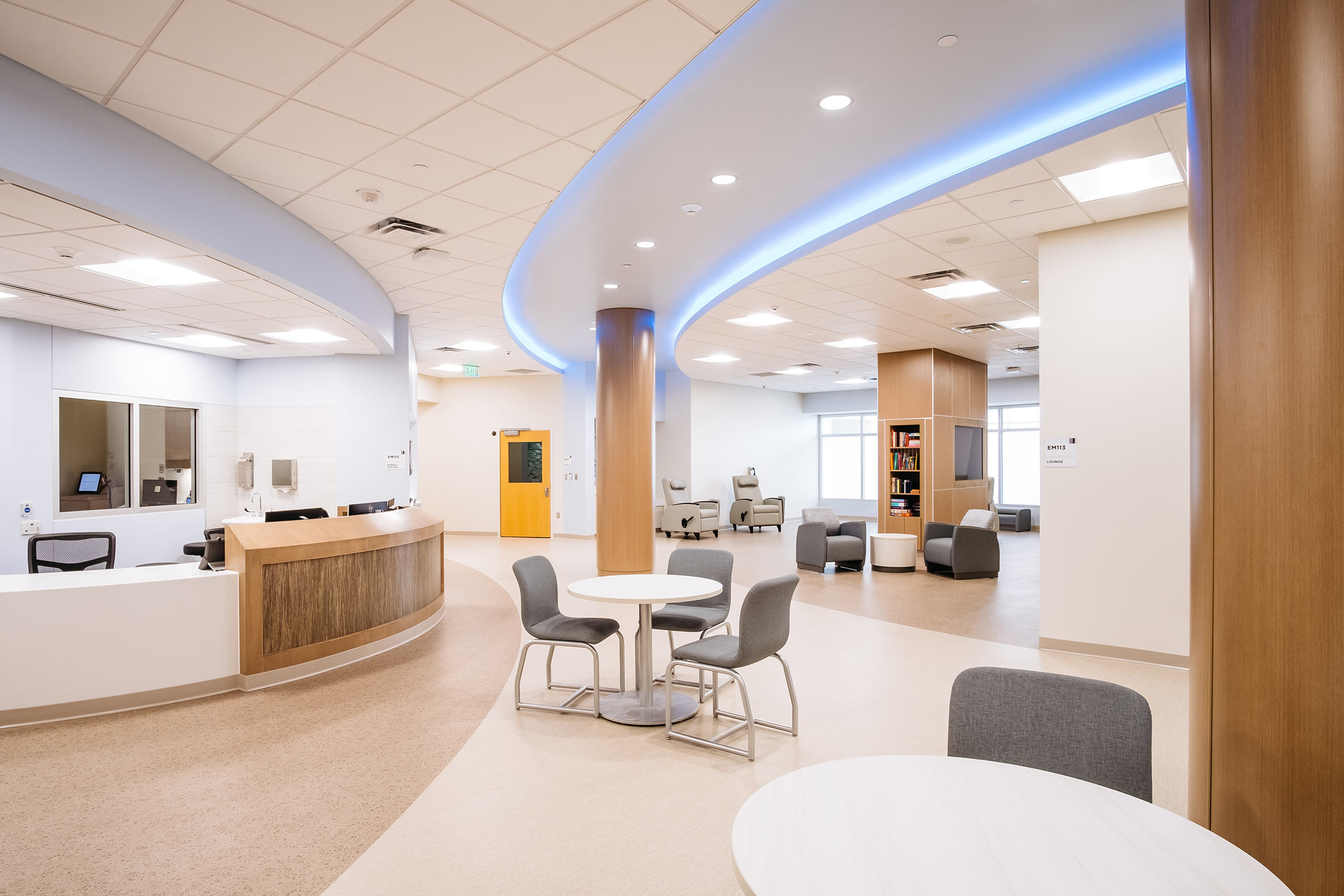
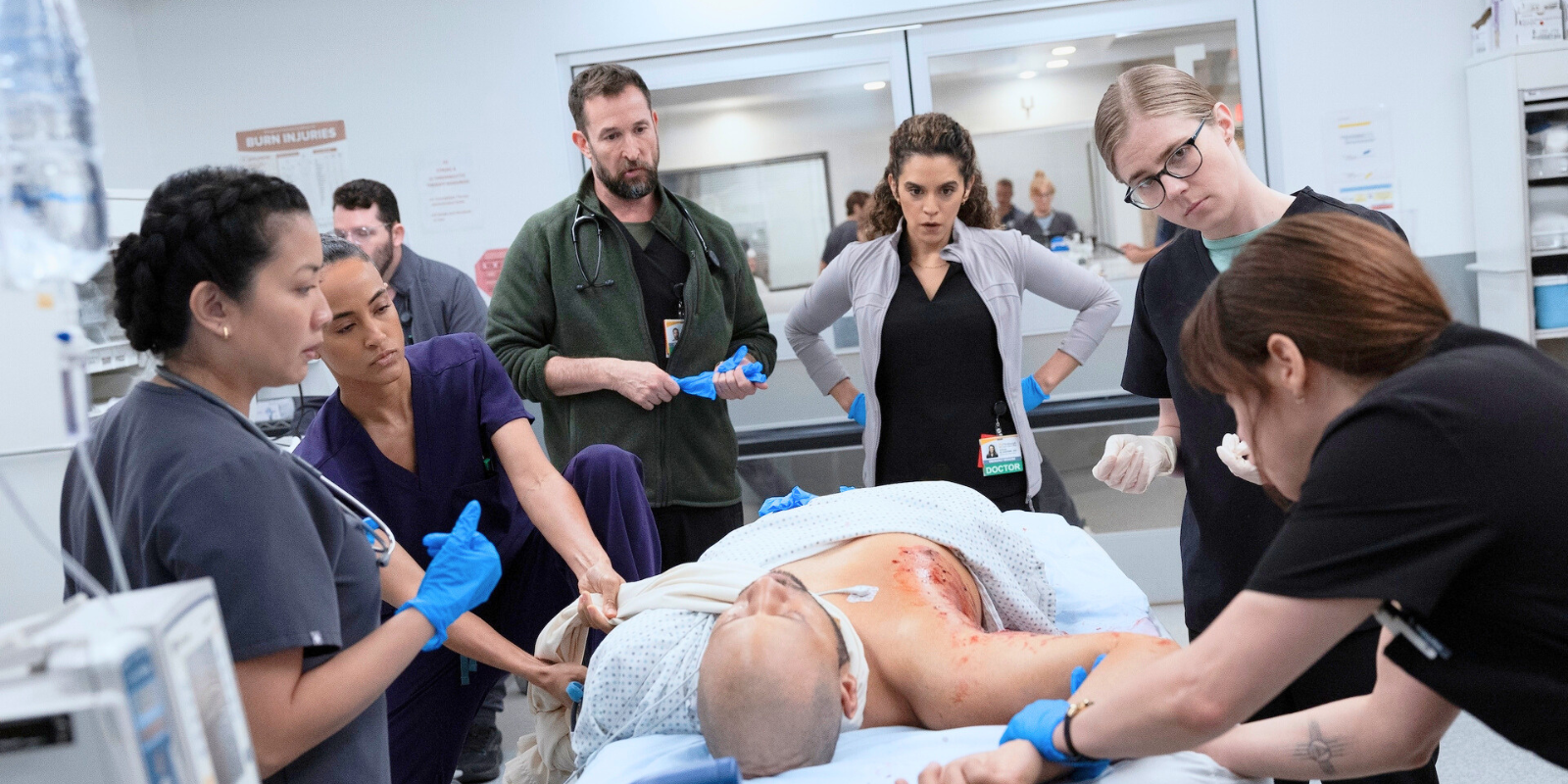
Physically, the pit is the central command area of the Emergency Department. It is typically a circular or rectangular desk configuration located in the middle of the floor, surrounded by treatment bays. It is the geographic heart of the ED where the "Captain of the Ship" (usually the attending physician) and the charge nurse reside. From this vantage point, staff can maintain line-of-sight on high-acuity patients and coordinate with incoming ambulance crews.
2. The Provider-in-Triage (PIT) Model
Conceptually, "PIT" stands for Provider-in-Triage. This is a specific operational strategy designed to combat ED overcrowding. In a traditional model, a patient sees a triage nurse, moves to a waiting room, and eventually sees a doctor. In a PIT system, a senior clinician—such as an Attending Physician, Physician Assistant (PA), or Nurse Practitioner (NP)—is stationed at the front end of the process to initiate diagnostic testing and treatment immediately upon the patient's arrival.
The Mechanics of the Provider-in-Triage (PIT) Model
The adoption of the PIT model has become a standard for high-volume trauma centers in 2026. The goal is to move the "medical decision-making" as close to the hospital's front door as possible.
When a patient enters the ED, they are greeted by a team in the pit. Instead of a simple intake of vitals, the PIT clinician performs a "rapid medical screening examination" (MSE). This allows the hospital to:
- Order labs and imaging immediately: By the time a treatment bed becomes available, the results are often already back.
- Verticalize care: Patients with low-acuity issues (e.g., a simple laceration or a minor infection) can be treated and discharged directly from the pit area without ever occupying a precious inpatient-level bed.
- Identify "Sick vs. Not Sick": The most experienced clinicians use their "gestalt" to identify patients who are decompensating before they reach a critical state.
This front-loaded approach significantly reduces the "Door-to-Provider" (DTP) time, which is a key metric for hospital quality and patient satisfaction.
Roles and Responsibilities in the Pit
The efficiency of the pit depends entirely on the synergy of the multidisciplinary team stationed there. Each role is specialized to ensure that no patient is "lost" in the system.
The Attending Physician (The Pit Boss)
The senior physician in the pit acts as the air traffic controller. They are not necessarily the primary doctor for every patient, but they oversee the "board"—the digital display of all active patients. They make split-second decisions on which patients need immediate stabilization and which can wait.
The Charge Nurse
Working in tandem with the physician, the charge nurse manages staffing and bed assignments. They are responsible for the logistics of "moving the meat," ensuring that as soon as a bed is cleaned, a new patient is assigned to it. They also coordinate with other hospital floors to push for "upstairs" bed assignments for admitted patients.
The Unit Secretary or Coordinator
Often the unsung hero of the pit, this individual manages the phones, pages specialists (like neurology or cardiology), and ensures that records from outside facilities are retrieved. In 2026, this role also involves monitoring AI-driven "surge alerts" that predict incoming patient volumes based on local events or weather patterns.
The Scribe
In many modern pits, medical scribes accompany the PIT clinician. Their job is to document the rapid-fire assessments in the Electronic Health Record (EHR) in real-time, allowing the physician to stay focused on the patient rather than a computer screen.
Infrastructure and Technology in the Pit
The 2026 hospital pit is a marvel of integration. Gone are the days of whiteboards and dry-erase markers. The technological stack in a modern pit usually includes:
- Real-Time Location Systems (RTLS): Small sensors on patient wristbands and staff badges allow the pit team to see exactly where everyone is located on a digital floor plan.
- Predictive Analytics Dashboards: These screens show the "ED pulse," including current wait times, the number of patients in the waiting room, and the predicted "boarding" time for patients waiting for an inpatient bed.
- Telehealth Integration: The pit often houses "tele-triage" stations where clinicians can evaluate patients at smaller satellite clinics or in the back of an ambulance via high-definition video.
- AI Clinical Decision Support: Software that flags abnormal lab values or suggests "bundles" of orders based on the patient's presenting symptoms (e.g., a "Chest Pain Bundle" that automatically orders an EKG, Troponin levels, and a Chest X-ray).
Comparing Traditional Triage vs. the PIT Model
To understand the value of the pit, it is helpful to see how it differs from the traditional emergency room flow.
| Feature | Traditional Triage Model | Provider-in-Triage (PIT) Model |
|---|---|---|
| First Point of Contact | Triage Nurse (RN) | RN and Senior Clinician (MD/PA/NP) |
| Diagnostic Initiation | After the patient gets a room | Immediately upon arrival/assessment |
| Primary Goal | Sort patients by severity | Begin treatment and reduce DTP time |
| Bed Utilization | Every patient requires a bed | Low-acuity patients often "verticalized" |
| Wait Times | Often high (hours) | Significantly lower (minutes) |
| LWBS Rates | Higher (patients leave frustrated) | Lower (patients feel "seen" quickly) |
LWBS: Left Without Being Seen.
The Impact on Patient Outcomes and Safety
Understanding the pit requires acknowledging its role in patient safety. Overcrowded emergency departments are associated with increased mortality and medical errors. By utilizing the pit to "decompress" the department, hospitals can maintain a safer environment.
Reduced Boarding: "Boarding" occurs when patients who have been admitted to the hospital remain in the ED because there are no available inpatient beds. A well-run pit identifies these patients earlier, allowing the hospital to begin the "bed-ahead" process, which streamlines the transition to the ICU or medical floors.
Early Intervention: For time-sensitive conditions like sepsis or stroke, every minute counts. The pit model ensures that "Code Sepsis" or "Code Stroke" protocols are initiated at the front door, rather than 45 minutes later when a bed finally opens up.
Challenges and Limitations of the Pit
Despite its benefits, the pit is an extremely demanding environment. The "cognitive load" on staff is immense.
- Noise and Distraction: The constant ringing of phones, monitor alarms, and verbal handoffs can lead to "alarm fatigue" and potential errors if communication protocols are not strictly followed.
- Space Constraints: Many older hospitals were not designed for a large central pit, leading to cramped workstations that can impede physical movement during a trauma "push."
- Staff Burnout: The high-volume, high-velocity nature of the pit can lead to rapid burnout. Clinicians in the pit must make hundreds of decisions per shift, often with incomplete information.
- Privacy Concerns: Rapid assessments in a centralized area must be handled carefully to maintain HIPAA compliance and patient dignity, often requiring specialized "triage pods" or acoustic shielding.
Frequently Asked Questions
Is "the pit" a term used in all hospitals?
While "the pit" is common slang in North American emergency departments, some facilities may refer to it as the "Core," the "Command Center," or simply "Station 1." The underlying concept of a centralized hub remains the same across most large institutions.
Does being seen in "the pit" mean my condition isn't serious?
Not necessarily. In fact, being brought directly to the pit often means your condition requires immediate, senior-level assessment. The pit is designed to handle everything from minor sprains to life-threatening cardiac events by sorting them quickly to the appropriate level of care.
How does the pit affect hospital billing?
In 2026, the use of a PIT model is often tied to "Value-Based Care" metrics. While the initial screening in the pit may incur a facility fee, the overall efficiency often prevents the need for more expensive, prolonged stays or unnecessary admissions, potentially lowering the total cost of care for the patient and insurer.
Can I ask to be seen by the "Pit Boss"?
In most cases, the physician in the pit is already overseeing your care. However, they typically delegate the detailed, bedside treatment to a "pod" physician or resident. The "Pit Boss" is focused on the macro-level flow of the department to ensure everyone receives timely care.
What is "vertical care" in the context of the pit?
Vertical care refers to treating patients who are well enough to remain upright (sitting in a chair) rather than lying in a hospital stretcher ("horizontal"). The pit team identifies these patients to keep stretchers available for those who are truly non-ambulatory or critically ill.
Practical Recommendation for Healthcare Professionals
For those entering a hospital setting, the best way to master the pit is through situational awareness. If you are a new resident or nurse, spend your first few shifts observing the "flow" of the charge nurse and the attending physician. Notice how they prioritize the "board" and how they communicate.
In 2026, successful "pit management" requires a balance between high-tech data utilization and old-fashioned verbal closed-loop communication. Always verify that an order shouted in the heat of the moment is entered into the system, and never assume a task is completed until the digital dashboard reflects it.
The pit is the heart of the hospital; when it beats efficiently, the entire institution thrives. Understanding its rhythm is the first step toward providing world-class emergency care.
Image Gallery