Inside the Tara Grinstead House: Forensic Details and the Scene of the Mystery
The interior of Tara Grinstead’s Ocilla home was found largely intact after her 2005 disappearance, featuring only minor signs of disruption like a fallen bedside clock and a broken lamp. Investigators noted her car remained in the dri...
The interior of Tara Grinstead’s Ocilla home was found largely intact after her 2005 disappearance, featuring only minor signs of disruption like a fallen bedside clock and a broken lamp. Investigators noted her car remained in the driveway and her cell phone was charging, suggesting she was taken suddenly from her bedroom.
Contents
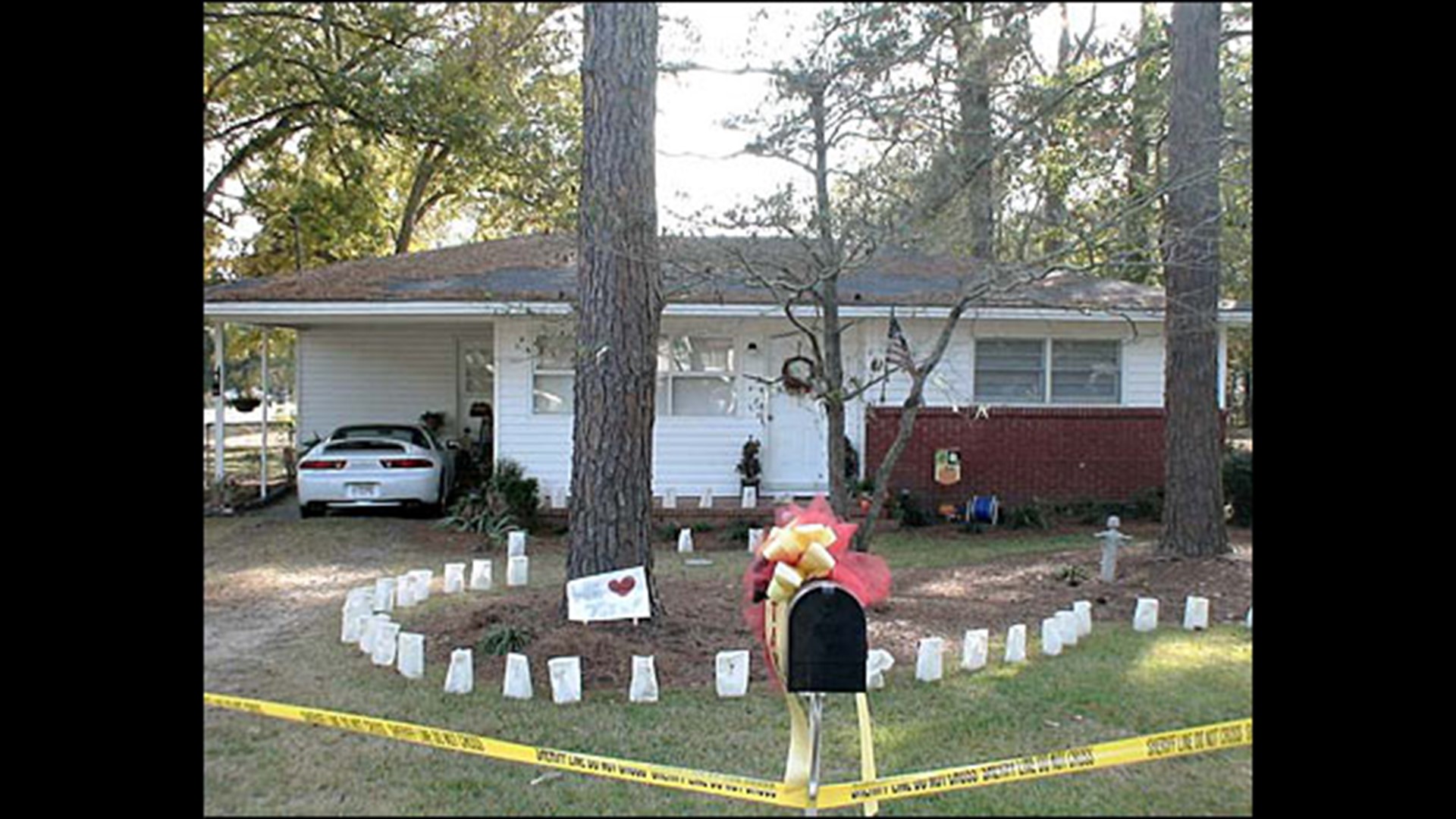
For nearly two decades, the disappearance of Tara Grinstead remained one of the most haunting cold cases in Georgia's history. Central to the mystery was her small, white frame house located at 300 West Park Street in Ocilla. To understand the case, one must look closely at the "inside" of that home—the place where the trail began and, for many years, where it went cold. As of 2026, while the legal battles surrounding the suspects have reached significant conclusions, the physical site of the residence remains a focal point for true crime historians and forensic analysts studying the nuances of the investigation.
The Physical Layout of 300 West Park Street
Tara Grinstead’s home was a modest, two-bedroom cottage built in the mid-20th century. Located in a quiet residential area of Ocilla, the house was characterized by its white siding and a small front porch. Inside, the layout was typical of South Georgia "mill-style" or "shotgun-adjacent" cottages, where rooms often flowed directly into one another.
Upon entering through the front door, visitors were greeted by a small living area. To the side were the bedrooms, including Tara’s primary bedroom, which became the epicenter of the initial forensic sweep. The kitchen and utility areas were located toward the rear of the structure. The compact nature of the home is what made the lack of "obvious" struggle so perplexing to the Georgia Bureau of Investigation (GBI) when they first arrived on the scene in late October 2005.
The home was well-maintained. Friends and colleagues described Tara as organized and meticulous—a trait that made the very few "out of place" items inside the house stand out significantly to those who knew her well.
The State of the Interior on October 24, 2005
When Tara failed to show up for her job as a history teacher at Irwin County High School on Monday, October 24, 2005, police conducted a welfare check. What they found inside the house was a scene that suggested a life interrupted in an instant.
The Bedroom and Signs of Disruption
The most significant findings were in Tara’s bedroom. While there were no massive signs of a violent struggle—such as blood spatter or overturned heavy furniture—there were subtle indicators that something had gone wrong.
- The Bedside Clock: A clock was found on the floor, knocked from its usual place on the nightstand.
- The Broken Lamp: A lamp was found damaged, suggesting it may have been struck or fallen during a brief altercation.
- The Unmade Bed: While an unmade bed isn't inherently suspicious, the state of the linens suggested a sudden departure rather than a planned one.
Personal Items Left Behind
One of the most chilling aspects of the "inside" view of the house was what remained. Tara’s purse and keys were missing, but her cell phone was found plugged into a charger in her bedroom. In 2005, cell phones were already essential daily tools; leaving it behind while "disappearing" voluntarily was highly unlikely. Furthermore, her car, a silver Mitsubishi Endeavor, was parked in the driveway, and the doors to the house were locked.
Forensic Evidence: The Latex Glove and DNA
While much of the search focused on the interior, the most vital piece of evidence was found just outside the threshold. A single latex glove was discovered in the yard near the front steps. For years, this glove was the primary piece of physical evidence connecting a potential suspect to the scene.
Inside the home, forensic teams utilized luminol and other biological detection agents. Contrary to some early rumors, there was no significant blood evidence found inside the residence. This led investigators to believe that if an assault occurred inside the home, it may have involved restraint or a struggle that did not result in open wounds, or that the scene had been carefully managed by the perpetrator.
| Evidence Item | Location | Forensic Significance |
|---|---|---|
| Latex Glove | Front Yard / Exterior | Contained DNA of both Tara Grinstead and Ryan Duke. |
| Cell Phone | Bedroom (on charger) | Proved she did not leave the house voluntarily with her belongings. |
| Mitsubishi Endeavor | Driveway | Indicated she had not driven herself anywhere. |
| Bedside Clock | Floor | Suggested a brief physical disruption or struggle in the bedroom. |
| Front Door | Entrance | Found locked, suggesting the perpetrator had a key or locked it upon exiting. |
The Role of the House in Legal Proceedings
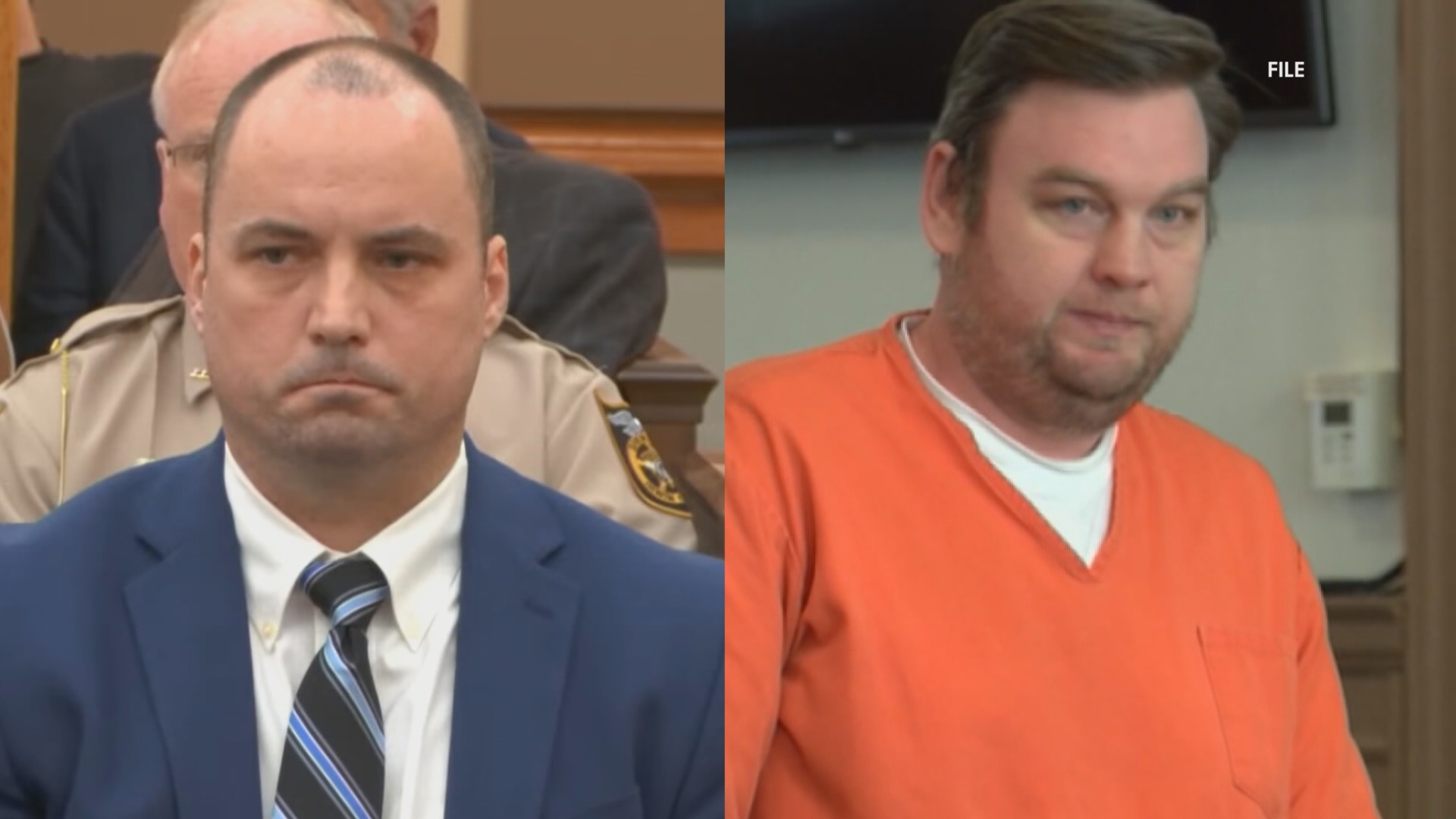
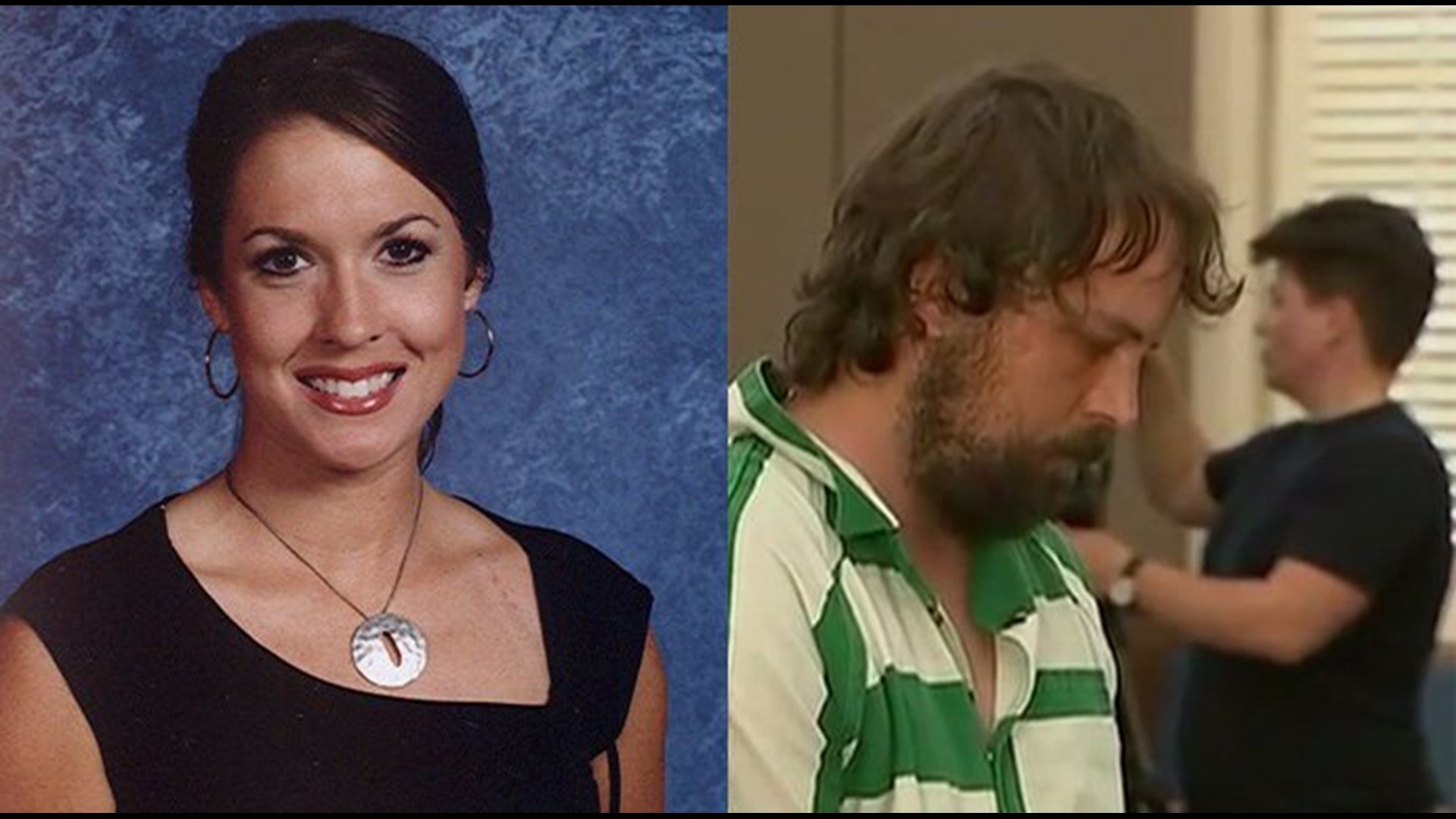
The "inside" of the house was debated extensively during the trials of Ryan Alexander Duke and Bo Dukes. The prosecution’s narrative focused on the idea that Ryan Duke broke into the home to steal money for drugs and was surprised by Tara, leading to a fatal encounter in her bedroom.
Defense teams, however, used the state of the house to argue different theories. They pointed to the lack of forced entry as a sign that Tara may have known her assailant or that the entry was not a "break-in" in the traditional sense. The fact that the house was found locked on Monday morning meant that whoever left last had the means to secure the door, a detail that featured heavily in the 2022 trial testimony.
The interior state—specifically the lack of blood—was a major talking point. It supported the theory that Tara was strangled or otherwise incapacitated without a major struggle that would leave DNA or biological trace evidence scattered across the room.
The House Today: 2026 Perspective
As of 2026, the house at 300 West Park Street remains a private residence. In the years following the case's resolution in the courts, the property has changed hands. While it remains a site of interest for those following the "Up and Vanished" podcast and subsequent documentaries, it is important to note that the current interior reflects the lives of its current occupants and no longer holds the forensic state of 2005.
The Ocilla community has largely sought to move forward, though the house stands as a silent memorial to the teacher who was beloved by her students. For true crime investigators, the Grinstead house remains a textbook example of a "cold" scene where the absence of evidence was almost as telling as the evidence itself.
Common Misconceptions About the Interior
There are several myths regarding what was found "inside" the Tara Grinstead house that have been debunked by the GBI and trial testimony:
- Myth: There was a "struggle in the kitchen." Fact: The kitchen was largely undisturbed. The minor signs of disruption were confined to the bedroom.
- Myth: A window was smashed. Fact: There was no evidence of forced entry through windows or doors.
- Myth: Tara's dog was harmed inside. Fact: Her dog, a German Shepherd named Dolly Madison, was found safe, though neighbors noted she had been barking more than usual during the window of the disappearance.
Frequently Asked Questions
Was there any DNA found inside the house?
While Tara’s DNA was naturally present throughout her home, the most significant "foreign" DNA was not found inside but on the latex glove located just outside the house. Forensic sweeps inside the home did not initially yield a match to the suspects until much later in the investigation when technology advanced.
Who owns the Tara Grinstead house now?
As of 2026, the house is a privately owned residence. It has been sold several times since 2005. The current owners are not affiliated with the Grinstead family or the legal case, and the property is not open to the public for tours or investigation.
Did the police find a weapon inside the home?
No weapon was ever recovered from inside the Grinstead residence. The nature of the crime, as described in later confessions and testimony, suggested that no firearm or blade was used within the house itself, which aligns with the lack of blood evidence found by the GBI.
How did the perpetrator get inside if the doors were locked?
This remains one of the case's most discussed points. There were no signs of forced entry. It has been theorized that the perpetrator entered through an unlocked door or window that was subsequently locked, or that they possessed a key. During the trial, it was suggested the house may have been accessible due to the trusting nature of the small-town environment in 2005.
Is there a memorial inside the house?
There is no official memorial inside the private residence. However, the town of Ocilla and Irwin County High School have various ways they have honored Tara Grinstead’s memory over the decades, focusing on her contribution as an educator and her legacy in the community.
Final Practical Consideration
For those researching the Tara Grinstead case, it is vital to rely on the official GBI case files and trial transcripts rather than speculative social media posts. The "inside" of the house was a crime scene that taught investigators the importance of "micro-evidence"—the small, easily overlooked details like a fallen clock—that can eventually lead to a breakthrough when paired with modern DNA technology. If you are visiting Ocilla, please respect the privacy of the current homeowners and the local community.
Image Gallery