Understanding the Factors That Determine Term Life Insurance Costs in Orlando
The cost of term life insurance in Orlando is primarily determined by a combination of personal risk factors—such as your age, health history, and lifestyle—and state-specific variables including Florida’s premium tax and regional mort...
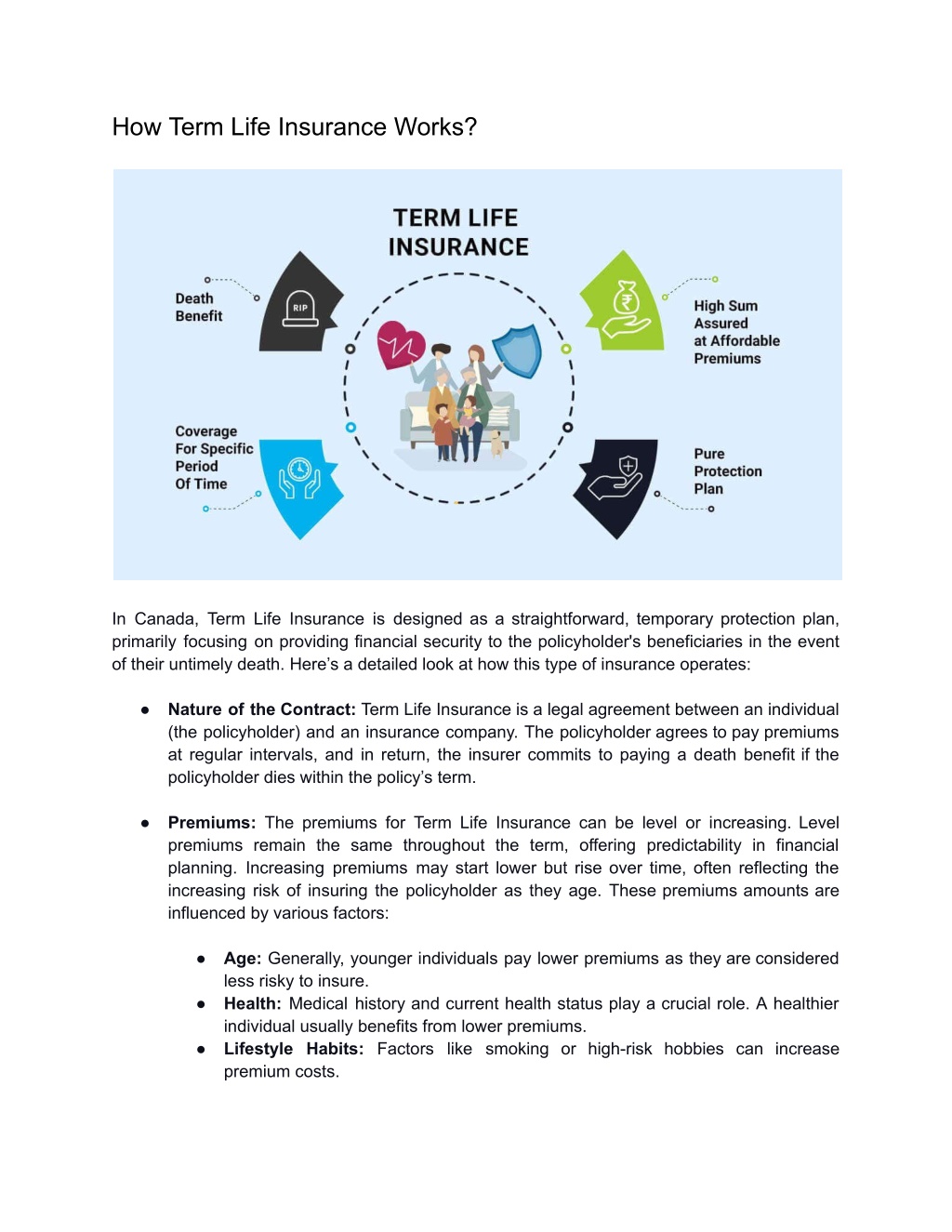
The cost of term life insurance in Orlando is primarily determined by a combination of personal risk factors—such as your age, health history, and lifestyle—and state-specific variables including Florida’s premium tax and regional mortality data. In 2026, actuarial models also incorporate local healthcare quality and cost-of-living adjustments specific to the Central Florida corridor to set competitive monthly premiums.
Contents
Term life insurance remains the most straightforward and affordable way for Orlando residents to protect their families’ financial futures. However, many policyholders are surprised to find that a quote in Orlando might differ slightly from a quote for the exact same person in another state. This price discrepancy isn't arbitrary; it is the result of complex underwriting processes and regional economic factors. To understand why your premium is what it is, we must look at the intersection of actuarial science, Florida law, and personal health.
The Role of Actuarial Science in Orlando Life Insurance Rates
At its core, life insurance is the business of predicting risk. Insurance companies employ actuaries to calculate the mathematical probability that a policyholder will pass away during the "term" of their policy. In 2026, these calculations have become more precise than ever, utilizing vast datasets to refine pricing.
Mortality Tables and Local Longevity
Actuaries use mortality tables to determine baseline rates. These tables track how many people in a specific demographic are expected to die at each age. While these tables are often national, carriers also look at state-level data. Florida, with its unique demographic mix of retirees and a growing young professional population in cities like Orlando, presents a specific risk profile. Orlando’s access to high-tier medical facilities like AdventHealth and Orlando Health can actually work in a resident's favor, as better healthcare outcomes generally correlate with longer life expectancy and, consequently, lower life insurance premiums.
The "Cost of Money" and Interest Rates
Insurance companies don't just sit on the premiums you pay; they invest them, primarily in conservative vehicles like corporate and government bonds. The projected interest earnings on these investments allow companies to keep premiums lower. If the economic climate in 2026 shows stable or rising interest rates, term life insurance costs in Orlando may remain relatively flat. Conversely, if investment yields are low, carriers must charge more in premiums to ensure they can pay out future death benefits.
Florida-Specific Factors Influencing Your Premium
While many life insurance factors are universal, Florida has specific regulatory and environmental nuances that impact what you pay in Orlando.
Florida Premium Tax
Unlike some states that have no specific tax on insurance premiums, Florida imposes a premium tax (currently 1.75% for life insurance). This tax is an administrative cost that insurance companies must account for when operating within the state. While this isn't a massive surcharge, it is a built-in cost that contributes to why a policy in Orlando might be slightly more expensive than one in a state with lower or no premium taxes.
Regulatory Oversight by the Florida DFS
The Florida Department of Financial Services (DFS) and the Office of Insurance Regulation (OIR) oversee all carriers operating in Orlando. These bodies ensure that companies remain solvent and that their pricing is "fair, adequate, and not unfairly discriminatory." While regulation protects consumers, the cost of compliance for carriers—maintaining licenses, filing forms, and meeting Florida’s rigorous financial standards—is factored into the policyholder's monthly bill.
Personal Underwriting: The Primary Driver of Cost
While state taxes and actuarial tables set the baseline, your individual "risk profile" is what ultimately determines your specific quote. This process is known as underwriting.
Age and the "Cost of Waiting"
Age is the single most significant factor in term life insurance pricing. For every year you delay purchasing a policy in Orlando, your premium typically increases by 5% to 8%. In your 20s and 30s, the risk of mortality is statistically low, resulting in very affordable rates. By the time a resident reaches 50 or 60, the statistical probability of a health event increases, and the "term" of the policy (e.g., 20 years) extends into a period of higher mortality risk, driving costs up significantly.
Health Classifications
During the application process, Orlando residents are assigned a health class. These typically include:
- Preferred Plus: Excellent health, ideal weight-to-height ratio, no risky lifestyle factors.
- Preferred: Great health, perhaps minor issues like controlled high blood pressure.
- Standard Plus: Above-average health, but with some minor indicators or family history concerns.
- Standard: Average life expectancy for your age group.
- Substandard (Table Rated): Higher risk due to chronic conditions like diabetes or heart disease.
Tobacco and Nicotine Use
Tobacco use remains one of the most drastic cost multipliers. In Orlando, a smoker can expect to pay two to three times more for the same term life insurance policy than a non-smoker. This includes not just cigarettes, but often vaping and nicotine replacement therapies, depending on the carrier's specific 2026 guidelines.
How Policy Structure Affects the Bottom Line
The way you design your policy—how long it lasts and how much it pays out—is the final piece of the pricing puzzle.
Term Length vs. Death Benefit
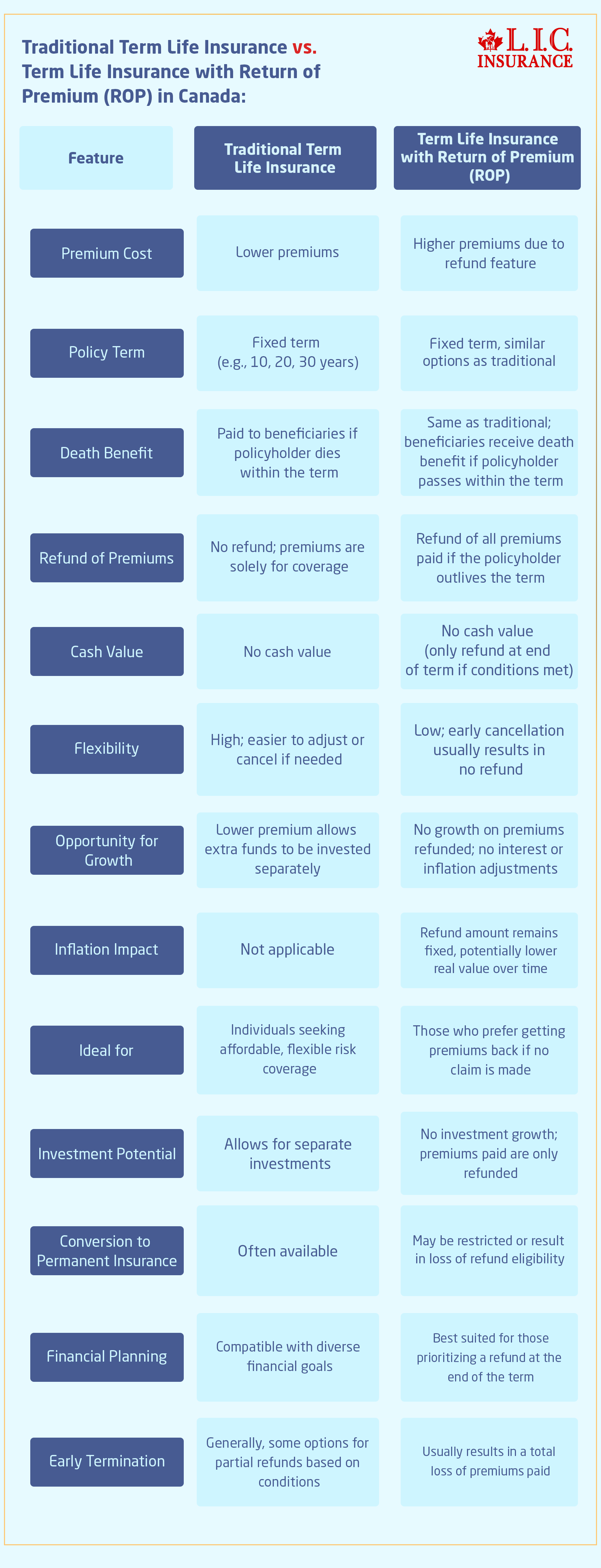
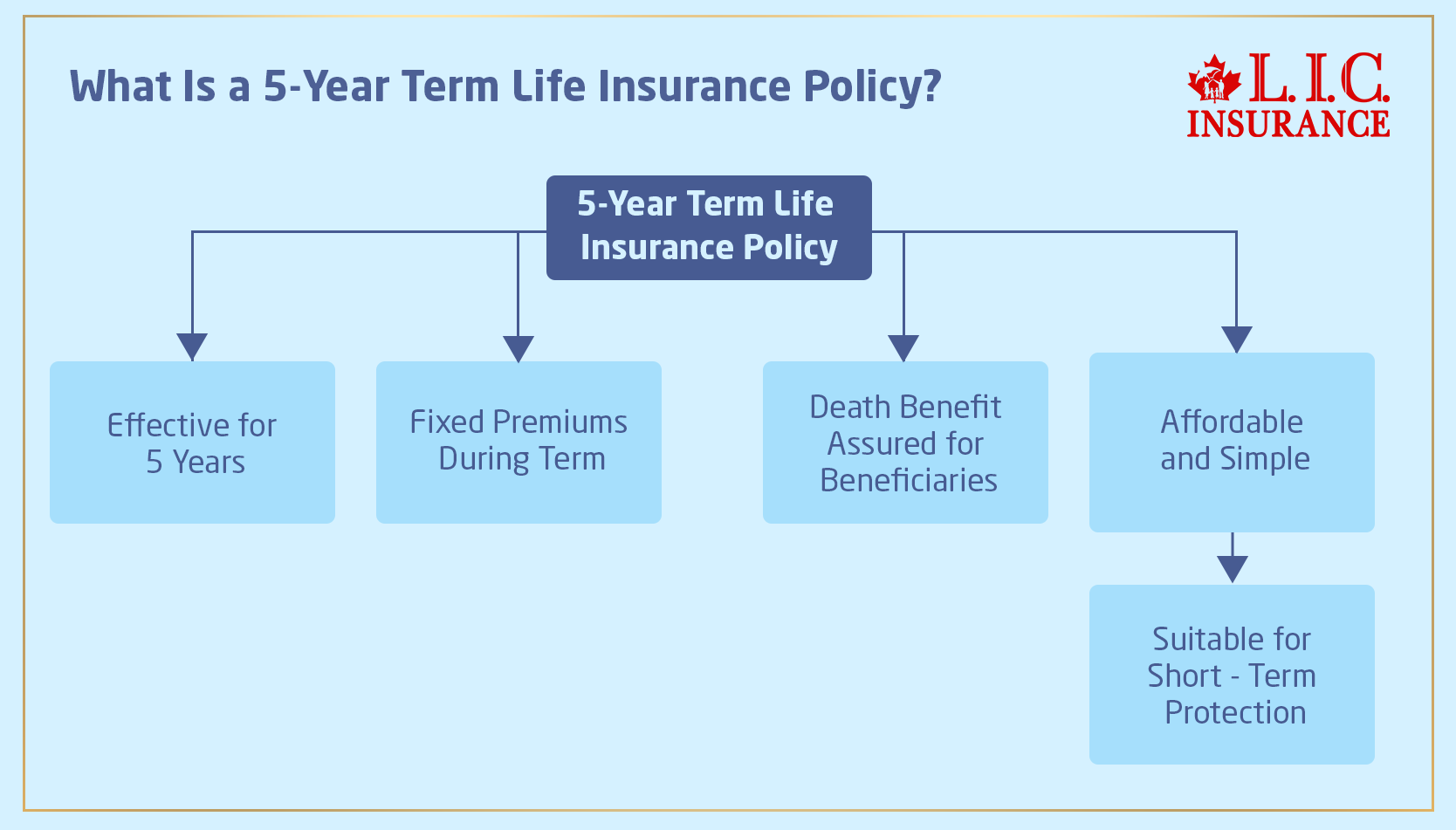
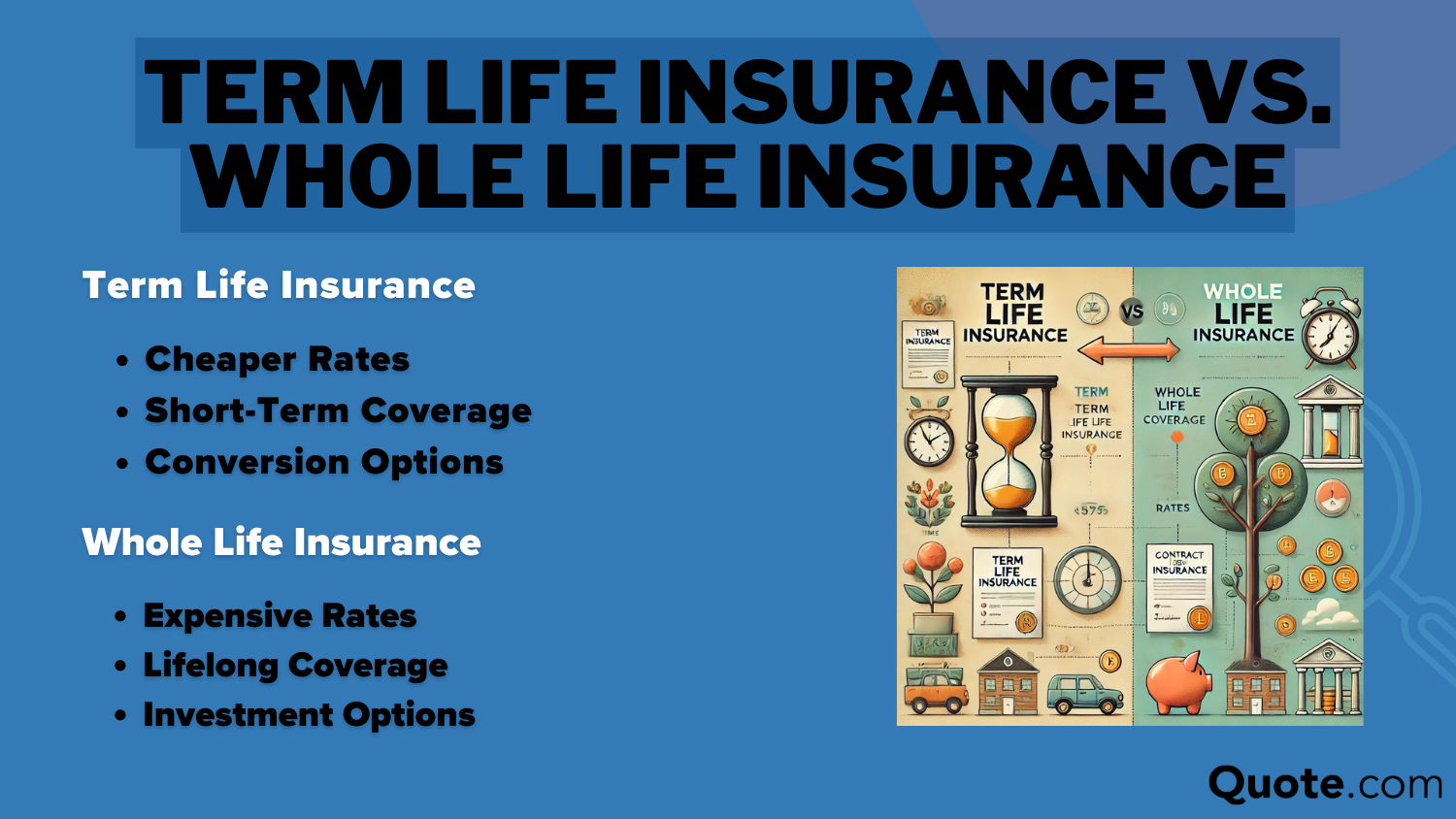
A 10-year term policy is significantly cheaper than a 30-year term policy. This is because the insurance company is only taking on the risk for a shorter window. Similarly, the "face amount" or death benefit is a direct multiplier. A $1 million policy will naturally cost more than a $250,000 policy, though the cost per thousand dollars of coverage often decreases as the face amount increases (a "bulk discount" of sorts in the insurance world).
Added Riders
In Orlando, many residents opt for "riders" or add-ons to their policies. Common riders include:
- Waiver of Premium: If you become disabled and cannot work, the company pays your premiums for you.
- Accelerated Death Benefit: Allows you to access a portion of the funds if diagnosed with a terminal illness.
- Child Term Rider: Provides small amounts of coverage for children.
Each of these adds a small amount to the monthly premium but provides specialized protection tailored to the family’s needs.
2026 Orlando Term Life Insurance Cost Comparison
The following table provides estimated monthly premiums for a 20-year term policy with a $500,000 death benefit for non-smokers in "Preferred" health living in Orlando.
| Age | Gender | Estimated Monthly Premium (10-Year) | Estimated Monthly Premium (20-Year) | Estimated Monthly Premium (30-Year) |
|---|---|---|---|---|
| 25 | Male | $15.50 | $21.00 | $32.40 |
| 25 | Female | $13.20 | $17.80 | $26.50 |
| 35 | Male | $18.90 | $26.75 | $44.10 |
| 35 | Female | $16.10 | $22.30 | $35.80 |
| 45 | Male | $34.50 | $55.20 | $98.40 |
| 45 | Female | $29.00 | $44.15 | $76.20 |
| 55 | Male | $78.40 | $142.00 | $285.00* |
| 55 | Female | $62.10 | $105.00 | $198.00* |
*Note: 30-year terms may have limited availability for applicants over age 55 depending on the carrier.
Common Mistakes That Inflate Orlando Insurance Costs
Many Central Florida residents end up paying more than necessary because of simple errors during the shopping process.
- Buying Only Through Work: While group life insurance is convenient, it is rarely enough coverage. Furthermore, it isn't portable. If you leave your job in Lake Nona or Downtown Orlando, you lose the coverage and may have to buy an individual policy at a much higher age-bracket rate.
- Withholding Medical Information: Modern underwriting uses the Medical Information Bureau (MIB) and prescription databases. Withholding information about a condition can lead to a "rating" (price increase) or a flat denial, making it harder to get affordable coverage elsewhere.
- Ignoring Lifestyle Credits: Some carriers in 2026 offer "lifestyle credits" or "fit" programs. If you use a wearable device to track steps or have a gym membership in Orlando, certain insurers may offer a discount on your premium.
- Over-Insuring for Short-Term Needs: If you only have 15 years left on your mortgage, buying a 30-year term policy might be an unnecessary expense. Aligning the term length with your actual financial obligations (mortgage, children's college years) is a key way to keep costs down.
Strategies for Lowering Your Term Life Premiums
If you find that your initial quotes are higher than expected, there are several levers you can pull to reduce the cost:
- Improve Your Health Profile: Even losing 10-15 pounds or lowering your cholesterol through diet can bump you from "Standard" to "Preferred," potentially saving you 20% or more annually.
- Pay Annually: Most insurance companies charge a "fractional fee" if you pay monthly. By paying your entire annual premium at once, you can often save 5% to 8% per year.
- Laddering Policies: Instead of one $1 million 30-year policy, you might buy a $500,000 30-year policy and a $500,000 10-year policy. This covers your largest needs now (young children, high mortgage) but reduces your premium costs as your financial obligations decrease over time.
- Work with an Independent Agent: Captive agents (who work for one company) can only show you one price. Independent agents in the Orlando area can shop dozens of carriers to find the one whose underwriting guidelines are most favorable to your specific health history.
Frequently Asked Questions
Does living in a hurricane-prone area like Orlando increase my life insurance rates?
Generally, no. Unlike homeowners insurance, where proximity to the coast and hurricane risk are primary pricing factors, life insurance focuses on individual mortality. While major natural disasters are factored into general actuarial models, living in Orlando does not carry a "hurricane surcharge" for life insurance policyholders.
Can I get term life insurance in Orlando without a medical exam?
Yes. In 2026, "accelerated underwriting" is very common. If you are relatively young and healthy, many carriers use data from your medical records and motor vehicle reports to approve you instantly without a physical exam. However, if you have complex health issues, a traditional exam may still be required to get the lowest possible rate.
Is marijuana use treated the same as tobacco in Florida?
This depends entirely on the carrier. Some insurers now treat occasional marijuana use as a "non-smoker" activity, while others still classify it under "tobacco" rates. Because Florida has a robust medical marijuana program, Orlando residents should seek out carriers with modern, flexible underwriting guidelines regarding cannabis.
What happens to my Orlando policy if I move to another state?
Your term life insurance policy is a legal contract that remains valid regardless of where you move within the United States. Your premium will not change if you move from Orlando to a different state, as long as you continue to pay your premiums on time.
Why did my quote change after I submitted my application?
This is usually due to "discovery" during underwriting. If the insurance company finds a health issue in your medical records that wasn't mentioned on the application, or if your labs (blood/urine) show high levels of cholesterol or glucose, they may "offer" the policy at a higher price than the initial quote.
Practical Next Steps for Orlando Residents
To secure the best possible rate for term life insurance in Orlando, your first step should be to determine your exact "need" amount. Use a calculator to total your mortgage balance, existing debts, and future college tuition for your children. Once you have a number, gather your basic medical history (including current medications) and contact an independent agent who can provide a multi-carrier comparison.
In 2026, the market remains highly competitive, and by shopping around and applying while you are at your youngest and healthiest, you can lock in a low rate that protects your family for decades to come.
Image Gallery