Understanding What a Comprehensive Deductible Means for Your Insurance Policy
A comprehensive deductible is the specific dollar amount you agree to pay out-of-pocket before your insurance provider covers the costs associated with non-collision-related damage to your vehicle. It applies to incidents such as theft...
A comprehensive deductible is the specific dollar amount you agree to pay out-of-pocket before your insurance provider covers the costs associated with non-collision-related damage to your vehicle. It applies to incidents such as theft, vandalism, fire, natural disasters, or contact with animals, requiring you to settle this portion of the claim before the insurer fulfills the remainder of the loss.
Contents
Defining Comprehensive Coverage and Its Financial Role
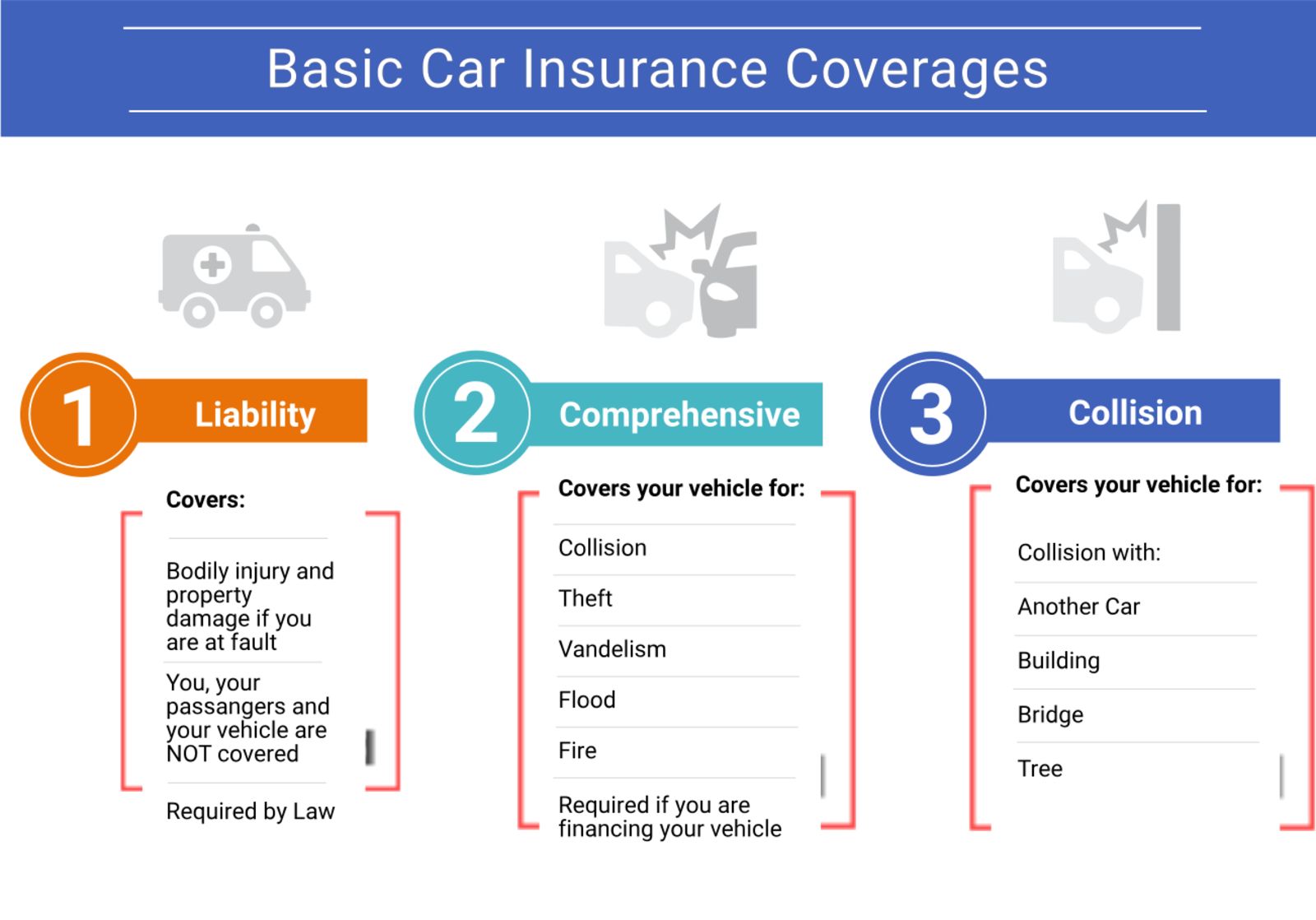
In the context of automotive insurance, coverage is generally split into two primary categories: liability (which covers damage you cause to others) and physical damage coverage (which covers your own vehicle). Physical damage coverage is further bifurcated into collision and comprehensive. While collision coverage handles damage resulting from an accident with another object or vehicle, comprehensive coverage acts as a safety net for "other than collision" events.
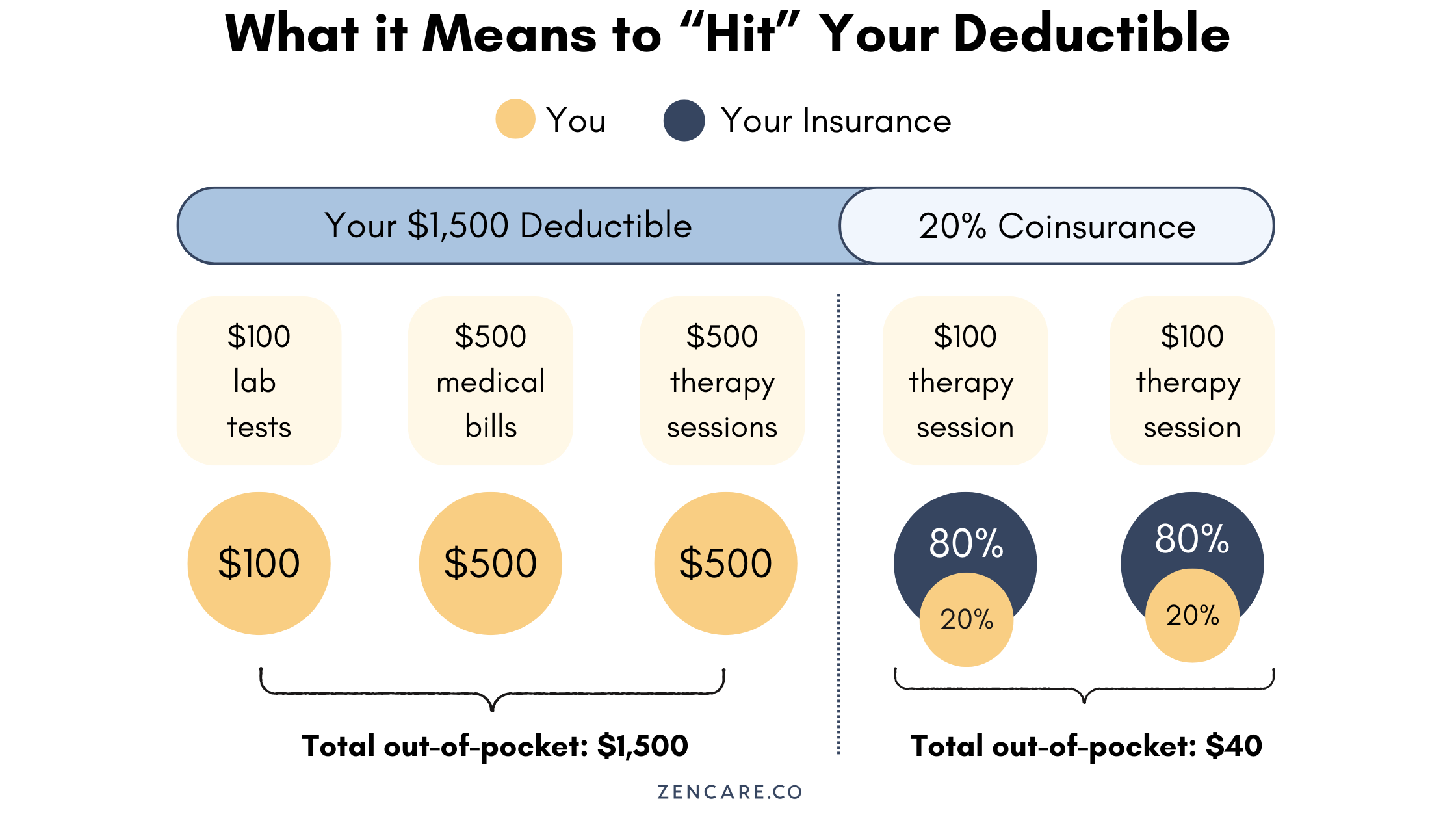
The deductible is a cornerstone of this financial arrangement. It represents your commitment to assume a portion of the financial risk. When you file a claim for a loss covered under your comprehensive policy, the insurance company subtracts the deductible amount from the total settlement value of the claim. If your repair estimate is lower than your deductible, the insurer generally provides no payout, as the entire cost falls within your defined retention level.
Why the Deductible Amount Matters
Selecting a deductible is a balancing act between immediate cash flow and long-term risk management. Most insurance policies offer a range of deductible options—commonly starting as low as $100 and reaching upwards of $1,000 or more.
- Impact on Premiums: Generally, there is an inverse relationship between your deductible and your premium. By choosing a higher deductible, you accept more risk in the event of a claim, which typically lowers your monthly or annual insurance premium. Conversely, a lower deductible shifts more risk to the insurance provider, resulting in a higher premium.
- Budgeting for the Unexpected: Choosing a deductible that is too high can create a financial crisis if an event occurs. If your comprehensive deductible is set at $1,000 but you do not have $1,000 in liquid savings, you may be unable to afford the repairs, effectively rendering your insurance coverage useless for smaller but significant claims.
- The Threshold of Utility: You should evaluate the total value of your vehicle against the cost of the coverage. If your vehicle has a low market value, paying for comprehensive coverage with a high deductible may result in a "total loss" scenario where the insurance payout is minimal once the deductible is subtracted.
Common Scenarios Covered by Comprehensive Insurance
Understanding when your deductible comes into play requires a clear grasp of what the industry defines as "comprehensive" risks. These events are often classified as outside the driver’s control:
- Natural Disasters: Damage caused by wind, hail, lightning, flooding, or earthquakes. In areas prone to specific weather patterns, comprehensive coverage is often considered essential.
- Theft and Vandalism: If your vehicle is stolen and recovered, or if it is broken into, the costs to repair the vehicle or replace stolen parts are handled under this section.
- Animal Collisions: Striking a deer or other animal is legally and technically distinct from a collision with another vehicle or a static object. This event is almost universally treated as a comprehensive claim.
- Fire and Falling Objects: Damage from engine fires, falling tree limbs, or debris on the highway falls under this category.
Comparison of Deductible Tiers and Strategy
The following table illustrates the general strategic differences when selecting a deductible level for your policy.
| Deductible Level | Premium Cost | Risk Level (Policyholder) | Suitability |
|---|---|---|---|
| Low ($100 - $250) | Higher | Low | Best for those with limited emergency savings. |
| Mid ($500) | Moderate | Moderate | The industry standard for most vehicle owners. |
| High ($1,000+) | Lower | High | Best for those with significant cash reserves. |
Prerequisites for Filing a Claim
Before filing a claim that triggers your deductible, you must understand the procedural requirements. First, confirm that the damage is indeed covered by the comprehensive portion of your policy. If the damage was caused by a collision with a stationary object (like a light pole), that falls under collision coverage, not comprehensive, and will require a different deductible.
Documentation is the most critical prerequisite. In 2026, most insurers utilize digital platforms to streamline this process. Ensure you have the following:
- A formal police report, especially in cases of theft or vandalism.
- Photographic evidence of the damage from multiple angles.
- The exact date, time, and location of the incident.
- An itemized list of any stolen property if applicable.
Once you report the loss, the insurance adjuster will inspect the vehicle. If the repair cost exceeds your deductible, the insurer will send payment for the remainder. If the total repair cost is less than the deductible, the file is usually closed without payment.
Troubleshooting and Common Pitfalls
One common misunderstanding is the expectation that the deductible will be waived if the accident was not your fault. While some states have specific laws regarding "no-fault" scenarios, your deductible applies to the comprehensive portion of your policy regardless of fault. Because "comprehensive" events are by nature "no-fault" (such as a tree limb falling on your car), you will almost always be responsible for the deductible if you file the claim.
Another pitfall involves not considering the depreciation of your vehicle. If you carry a high deductible on an older vehicle, the claim payout might be negligible. Periodically review your policy to ensure that the cost of your premium plus the potential deductible payment does not exceed the actual cash value of the vehicle.
When to Consult a Professional
If you are uncertain about the appropriate deductible level, or if you feel your current policy is misaligned with your financial health, consult with your licensed insurance agent. They can provide an "actuarial" view of your specific risk profile and help you model how different deductible choices would impact your annual budget. Always remember that insurance is a contract; ensure you read the "Exclusions" section of your policy, as some natural disasters (like specific types of water damage) may require separate coverage endorsements.
Frequently Asked Questions
Does my deductible change if I have multiple claims? Generally, your deductible remains the same regardless of how many claims you file. However, filing multiple claims in a short period can lead to premium increases or, in some cases, the non-renewal of your policy by the insurer.
Is the deductible paid to the insurance company or the repair shop? Usually, you pay your deductible directly to the repair shop once they have completed the work. The insurance company then pays the remainder of the repair bill directly to the shop.
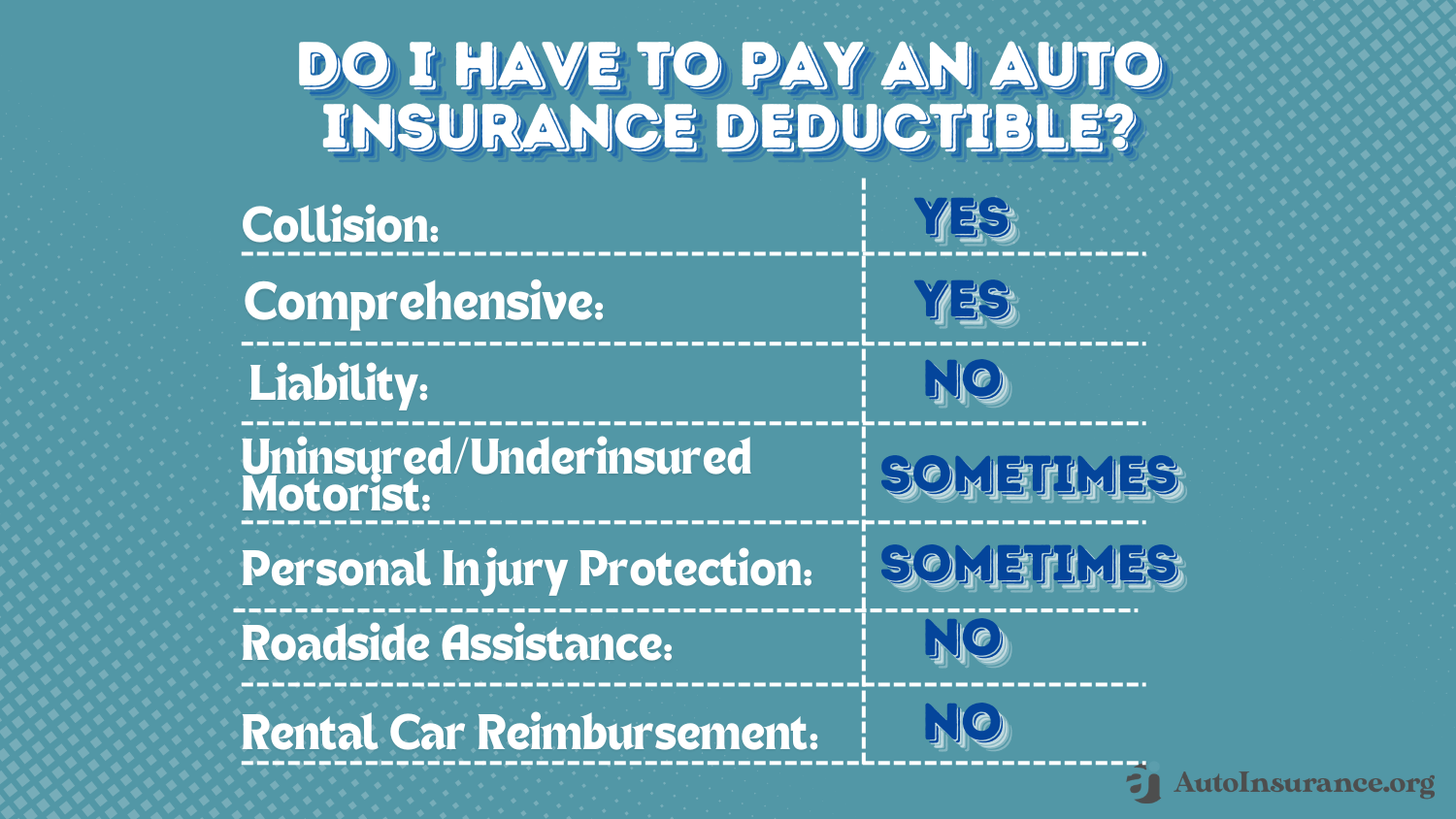
Can I set my comprehensive and collision deductibles at different amounts? Yes. Many insurers allow you to customize these separately. For example, some drivers choose a lower comprehensive deductible due to the prevalence of hail or theft in their area, while maintaining a higher collision deductible to reduce premiums.
What happens if the car is a total loss? If the vehicle is determined to be a total loss, the insurance company will pay you the actual cash value of the car minus your deductible. You do not have to pay the deductible out-of-pocket; it is simply deducted from the total check you receive.
Does a comprehensive claim cause my rates to go up? Unlike collision claims, which often involve driver error, comprehensive claims are typically considered "no-fault." While some insurers may increase rates after any claim, many provide specific protections for comprehensive claims, meaning your premiums are less likely to rise compared to an at-fault accident.
Next Steps for Policyholders
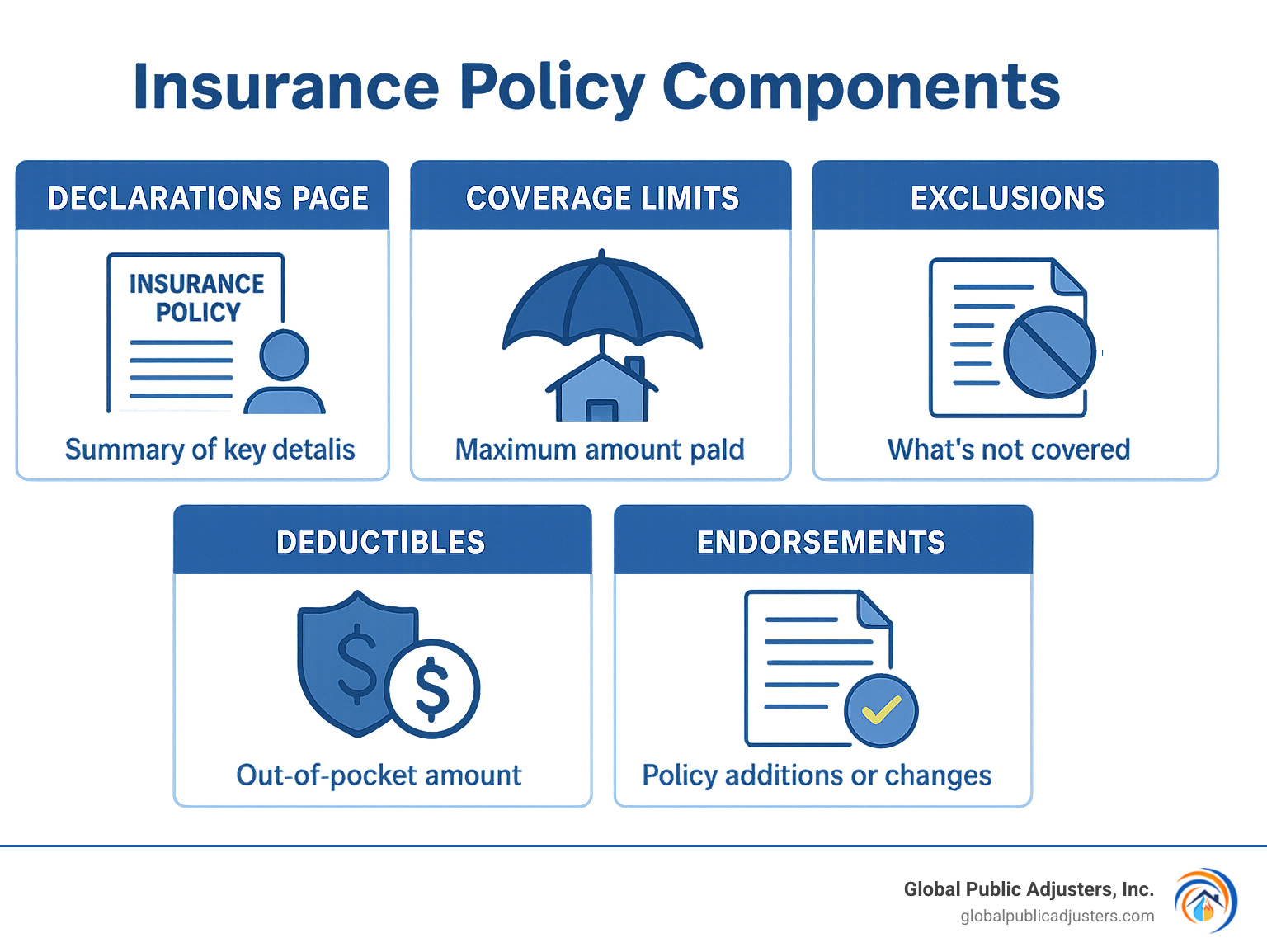
Evaluate your current policy declaration page to identify your exact comprehensive deductible. If you have the financial capacity to absorb a higher cost in an emergency, consider increasing your deductible to lower your monthly premium. Conversely, if your emergency fund is thin, ensure your deductible is set at a level you can realistically pay today. Contact your insurance provider to request a quote adjustment for different deductible tiers to see how much you could save annually.
Image Gallery