Choosing the Best Back Posture Corrector for Women: A Comprehensive Guide
Finding the right back posture corrector for women involves balancing mechanical support, comfort, and anatomical fit. The primary goal is to provide gentle reminders to maintain alignment while strengthening the muscles responsible fo...
Finding the right back posture corrector for women involves balancing mechanical support, comfort, and anatomical fit. The primary goal is to provide gentle reminders to maintain alignment while strengthening the muscles responsible for upright posture. Rather than serving as a permanent structural replacement for muscle activity, these devices function as proprioceptive tools that assist users in identifying and correcting habitual slouching.
Contents
Understanding the Role of Posture Correctors
A back posture corrector is an orthopedic or wearable device designed to pull the shoulders back and stabilize the scapulae. For women, these products often face unique challenges regarding fit—specifically, the need to accommodate the chest area without causing discomfort or excessive pressure.
It is important to clarify that posture correctors are not medical cures for chronic spinal conditions such as scoliosis or severe lordosis. Instead, they are best suited for individuals experiencing "tech neck" or upper-back fatigue caused by prolonged sitting at desks or repetitive daily tasks. If you suffer from sharp, shooting pain, or a diagnosed spinal deformity, a posture corrector should only be used under the direct guidance of a physical therapist or orthopedic physician.
Key Considerations for Selection
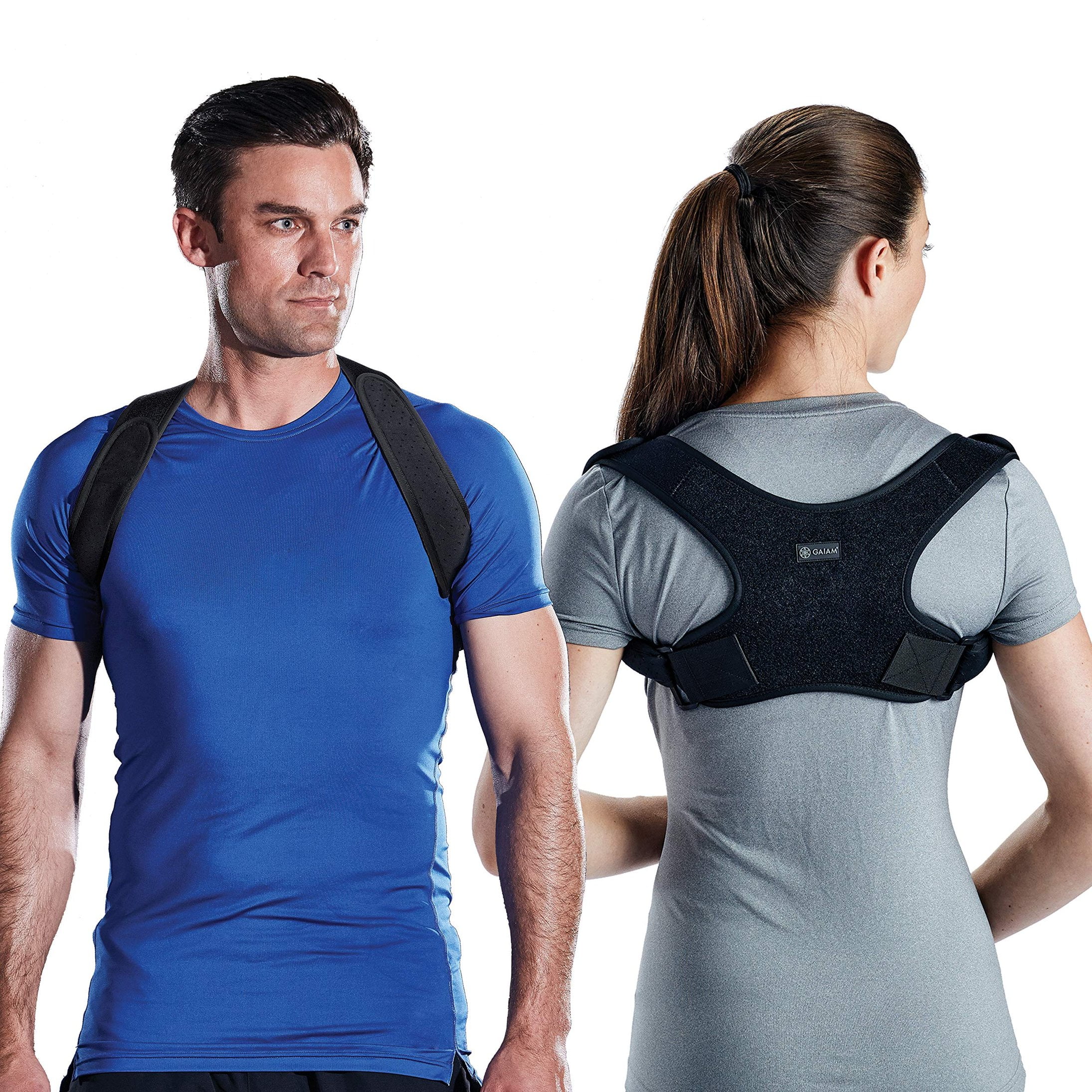
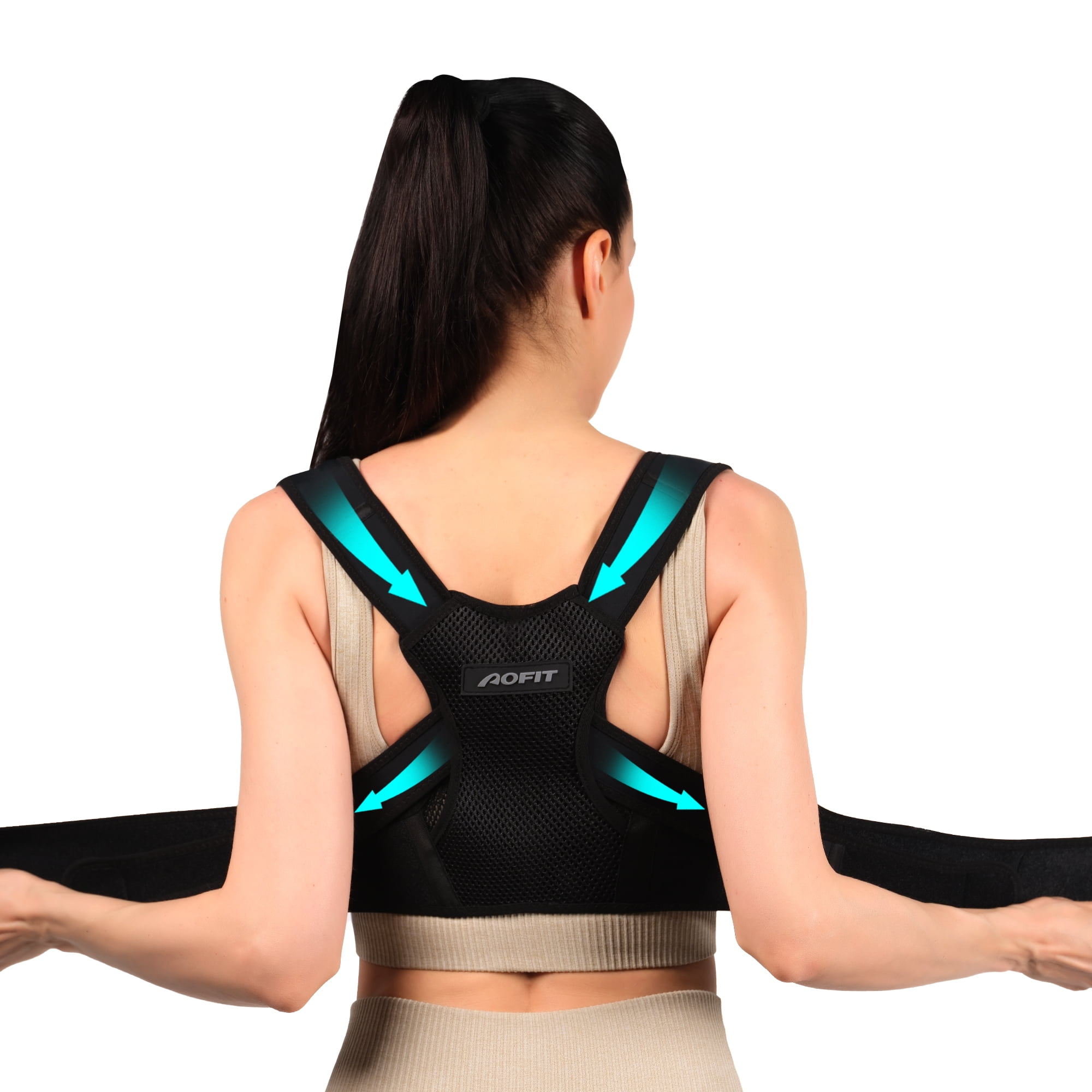
When evaluating products, prioritize adjustability, material breathability, and the profile of the device. A high-quality corrector for women should distribute tension across the upper back rather than pulling exclusively at the axilla (armpit) region.
Material and Comfort
Look for moisture-wicking, hypoallergenic fabrics. Since these devices are often worn against the skin or under clothing, nylon, neoprene, and cotton blends are common. Avoid excessively rigid materials that create friction points, which can lead to skin irritation during extended wear.
Ergonomic Design
The architecture of the brace determines its effectiveness. Most designs fall into two categories:
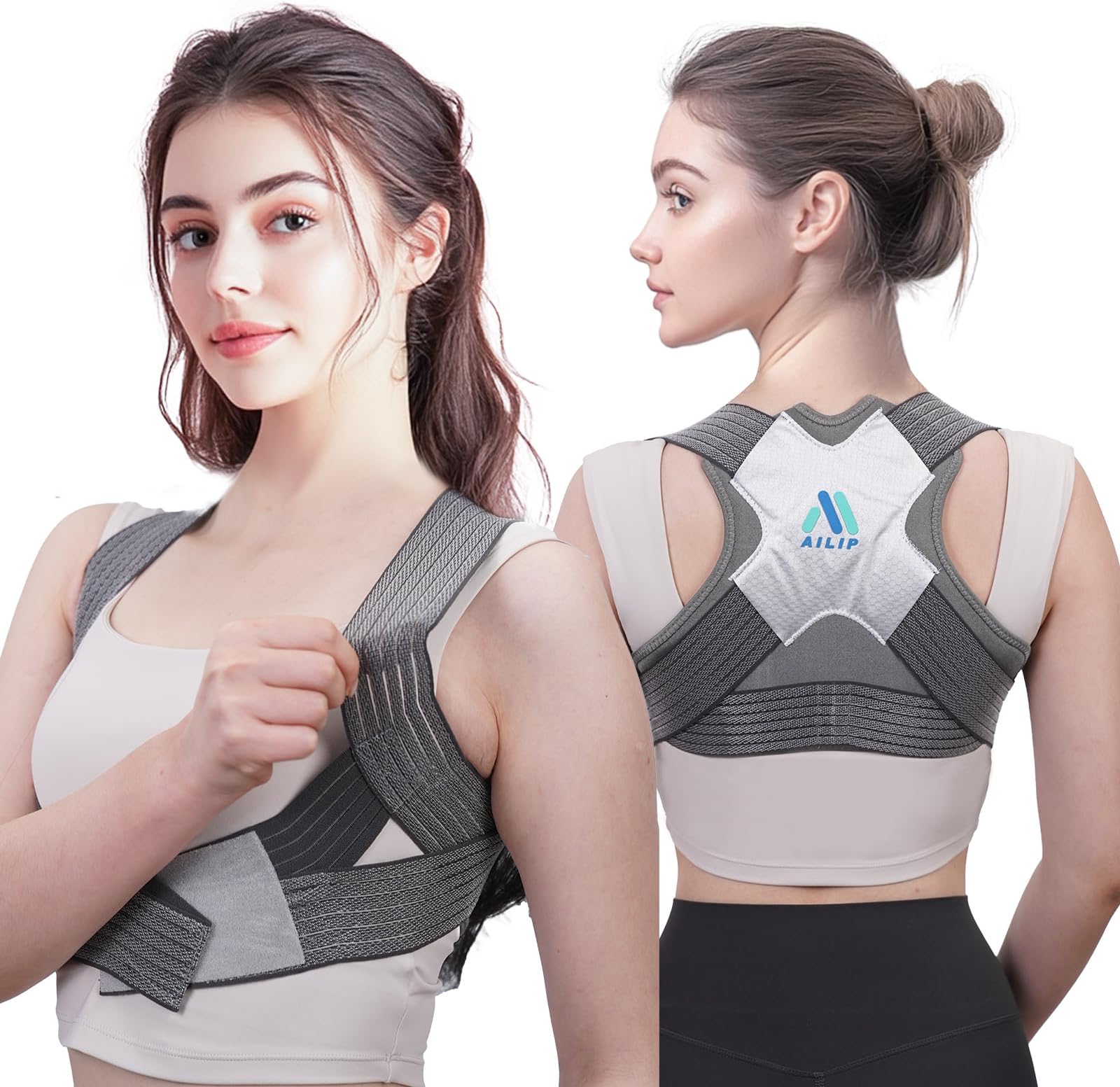
- Figure-Eight Braces: These loop around the shoulders like a backpack. They are generally low-profile and effective for simple shoulder retraction.
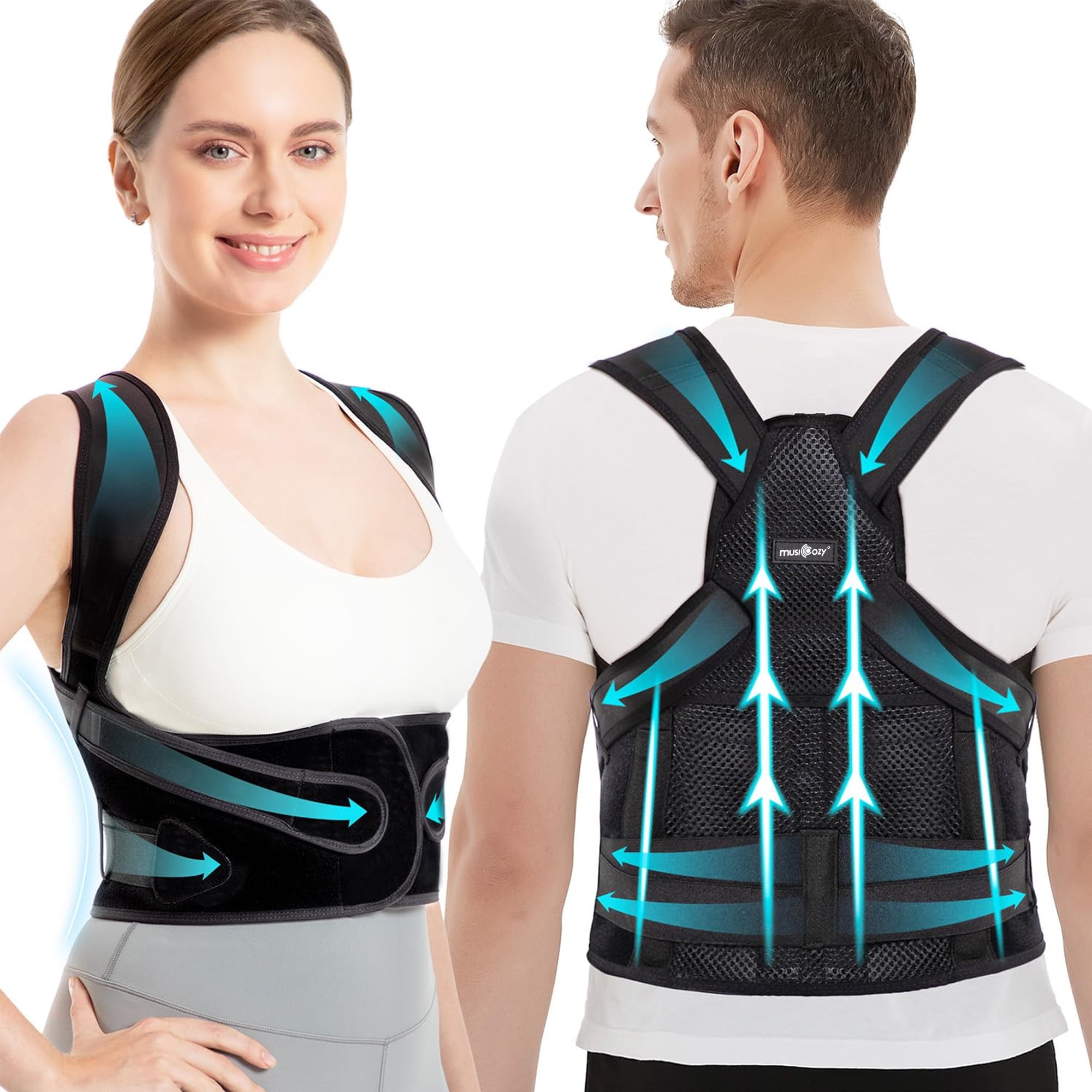
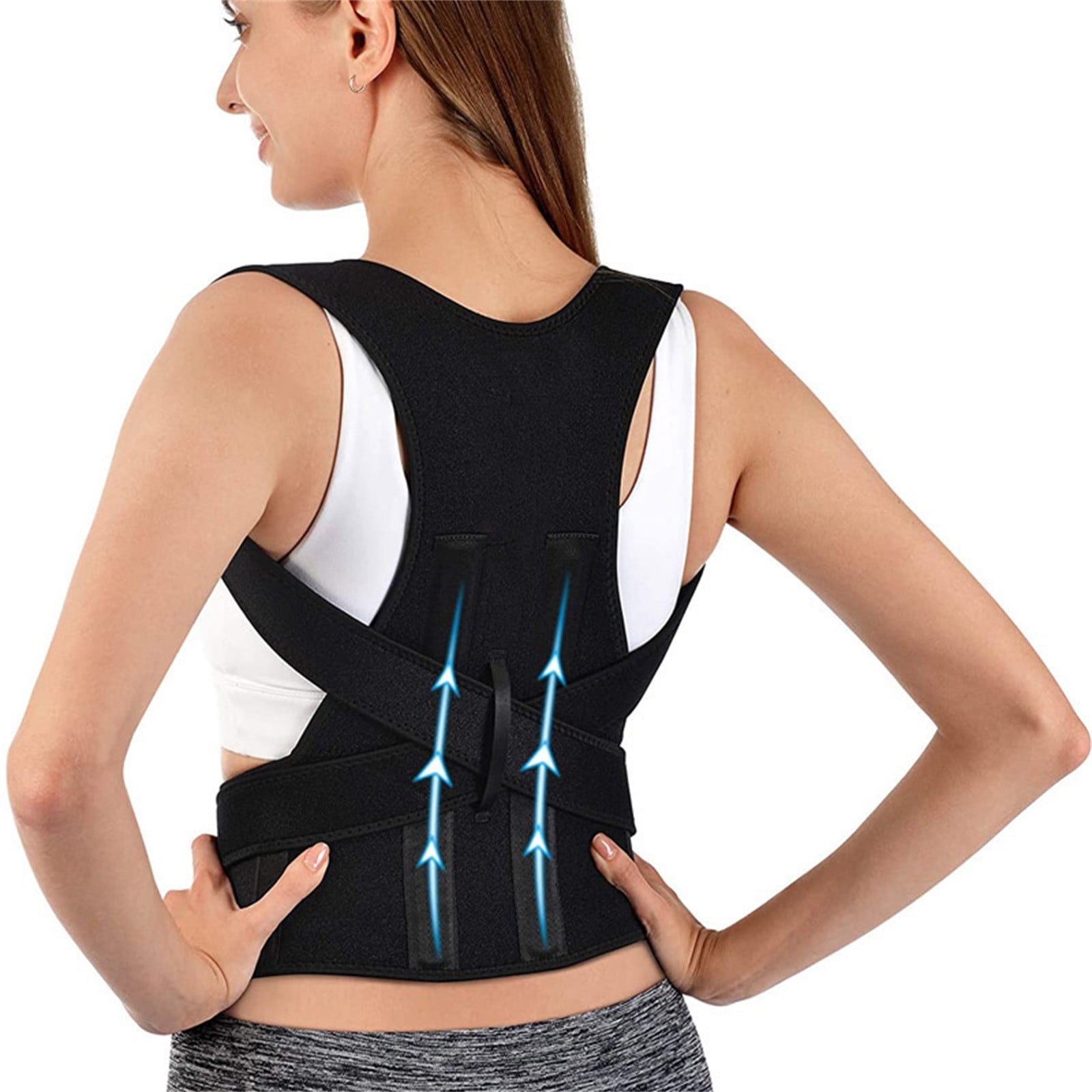
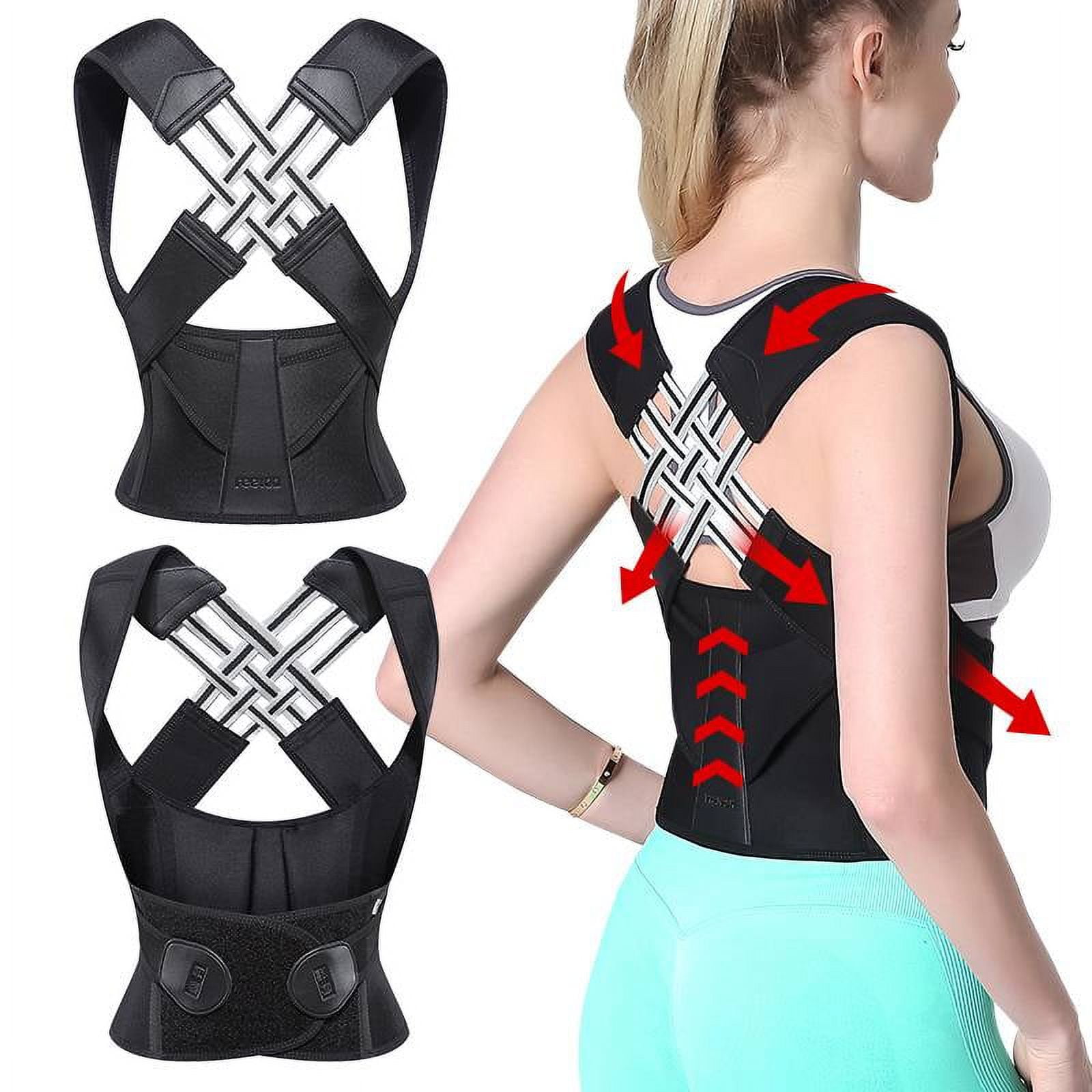
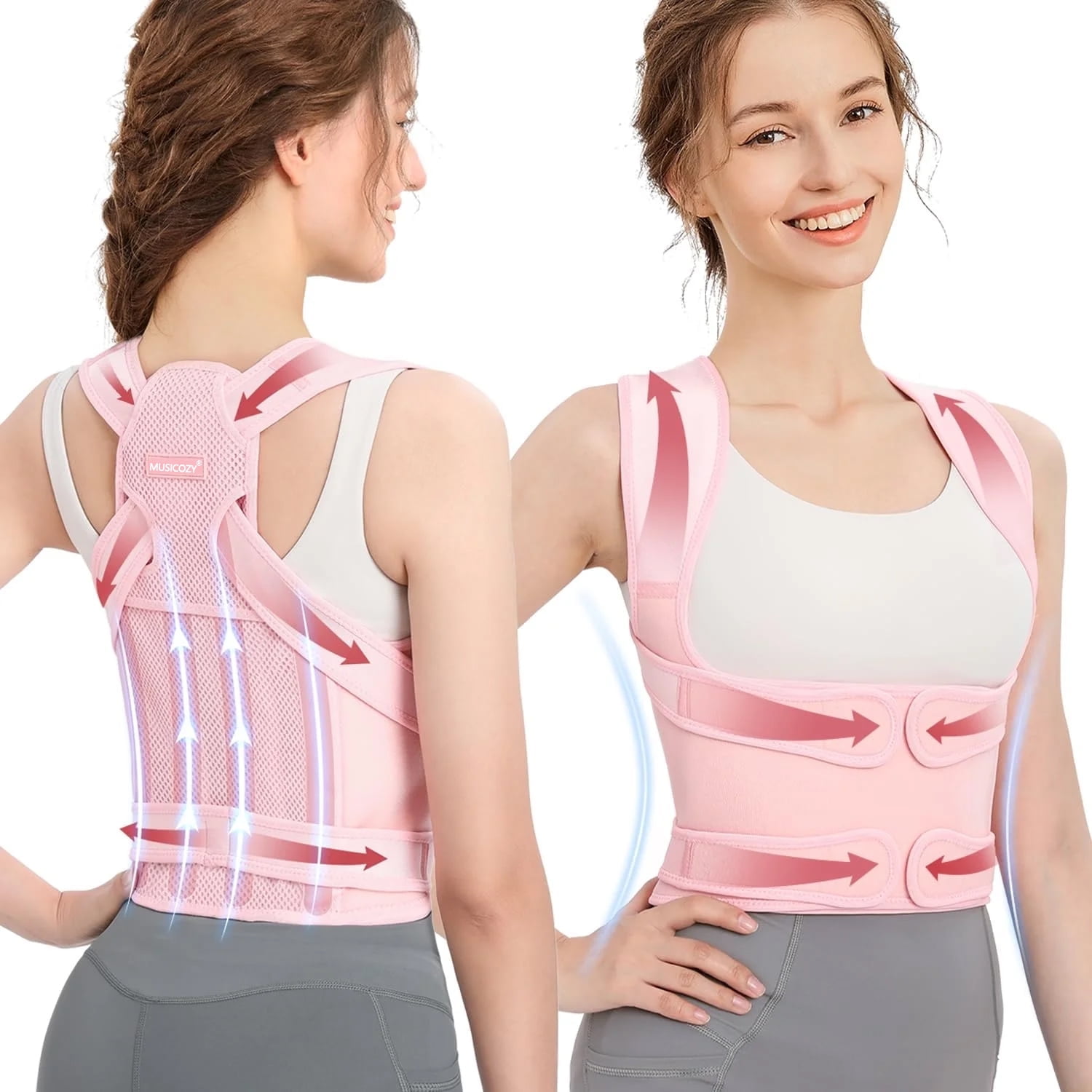
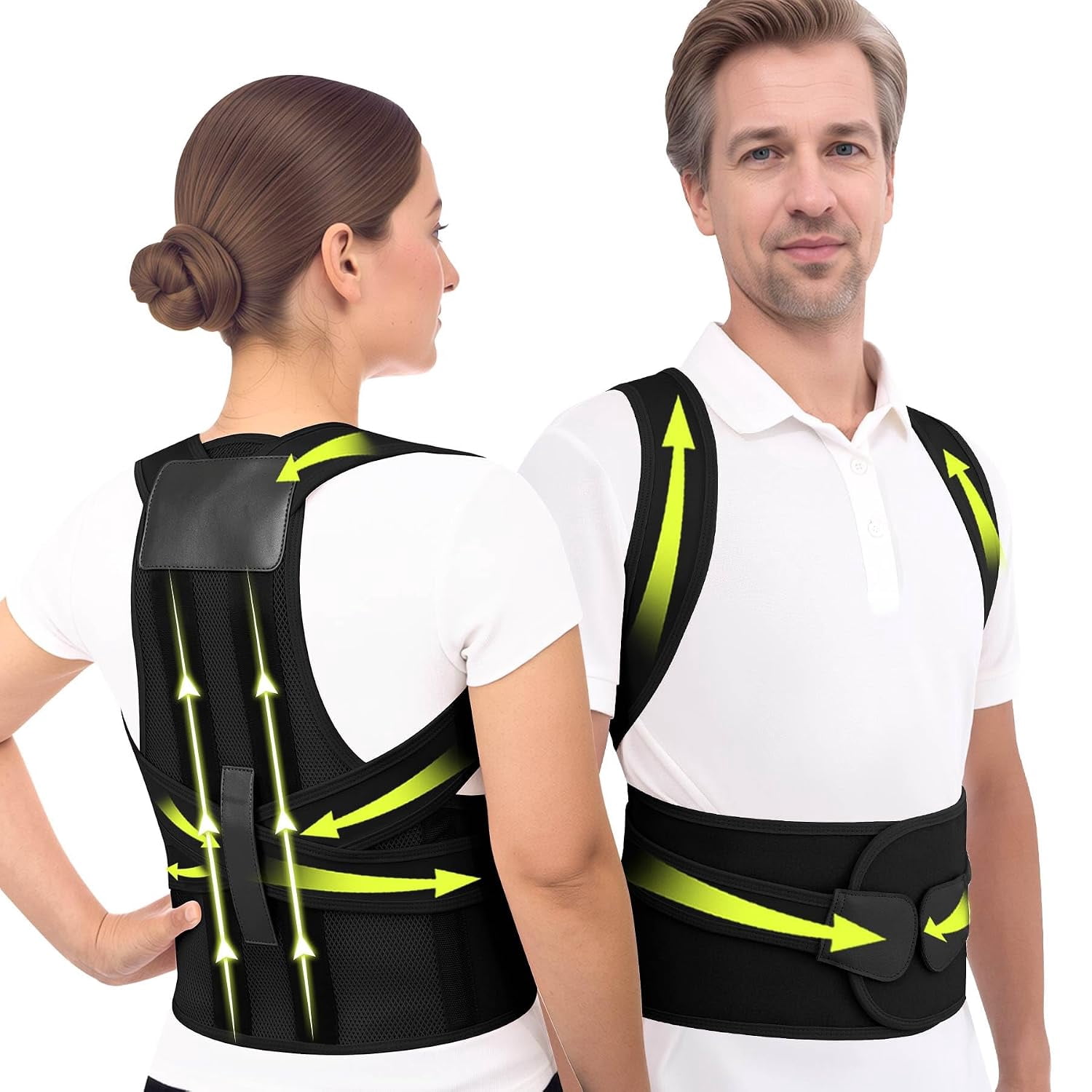
- Full-Back Support Vests: These offer a broader panel of coverage, often including adjustable straps that cross the mid-back to support the lumbar region as well as the shoulders.
Comparative Overview of Common Design Types
| Feature | Figure-Eight Brace | Full-Back Support Vest |
|---|---|---|
| Primary Target | Clavicle and shoulders | Spine and lumbar support |
| Profile | Low (concealable) | High (visible under light clothes) |
| Adjustability | Moderate | High |
| Best Use Case | Desk work / Quick sessions | Chronic slouching / Heavy lifting |
| Fit Challenge | Can cause armpit chafing | May feel restrictive or bulky |
How to Properly Fit and Wear Your Corrector
The most common mistake users make is overtightening the device. The goal is to create a "tactile feedback loop." When your shoulders drift into a slouching position, the device should create enough tension to remind you to engage your rhomboids and trapezius muscles. If the device pulls your shoulders back for you entirely, your own muscles may weaken over time, leading to a dependency on the brace.
The Fitting Process
- Loosen all straps: Before putting on the device, ensure all tension points are fully extended.
- Apply in a neutral position: Stand in front of a mirror with your head, shoulders, and hips aligned.
- Incremental tension: Tighten the straps only until they touch your body without digging into your skin.
- The Movement Test: Raise your arms and rotate your shoulders. If you feel restricted or pained, loosen the straps. The corrector should be noticeable, but never painful.
Limitations and Practical Precautions
Even the most expensive, highly-rated posture corrector cannot replace active exercise. The muscles responsible for posture—the core, the middle trapezius, and the serratus anterior—must be trained to hold your frame upright. Relying solely on a brace for more than 30 to 60 minutes per day can lead to muscle atrophy in the target areas, as the brace begins to do the work that your body should be doing naturally.
Furthermore, individuals with restricted circulation or sensitive skin should consult a healthcare provider before use. If you experience numbness or tingling in your arms while wearing the brace, discontinue use immediately; this indicates that the straps are interfering with the brachial plexus or blood flow to the upper extremities.
Integrating Correctors into a Daily Routine
Effective usage is based on frequency rather than duration. Instead of wearing a brace for eight hours straight, consider wearing it for 20-minute intervals while performing specific posture-intensive tasks, such as typing, driving, or cooking. This approach reinforces the habit of proper spinal alignment without causing muscle dependency.
Frequently Asked Questions
Can I wear a posture corrector all day? It is generally recommended to avoid wearing a brace for more than one or two hours at a time. The goal is to train your muscles to hold your posture, not to have the brace hold it for you. Prolonged use can cause the muscles to stop engaging.
Does a posture corrector help with breast-related back pain? For women with larger breasts, back pain is often a result of forward-tilting shoulders caused by the weight of the chest. A posture corrector can help alleviate this strain, but it is often more effective to pair the brace with a high-support, properly fitted bra that provides structural relief from the foundation.
Will a posture corrector show under my clothes? Figure-eight designs are typically thin enough to be worn under standard work attire. However, vests with thick lumbar pads or heavy velcro closures are often visible. Consider the fabric of your clothing—thinner, stretchy materials will show the contours of the brace more than structured blazers or heavy knits.
Can I exercise while wearing a posture corrector? Standard posture correctors are not designed for high-intensity physical activity. They restrict the full range of shoulder motion required for proper form. Unless specifically designed as a dynamic, athletic posture aid, remove the brace during exercise.
How do I clean my posture corrector? Most synthetic-blend correctors should be hand-washed in cool water with mild detergent and air-dried. Heat from a dryer can degrade the elasticity of the straps and the structural integrity of the Velcro, rendering the device ineffective over time.
Recommended Next Steps
To begin your journey toward better posture, start by assessing your workspace ergonomics. Even the best posture corrector will struggle to overcome a chair that does not provide adequate lumbar support or a monitor that is positioned too low. Ensure your screen is at eye level and your feet are flat on the floor before adding a posture-correcting device to your daily routine. Once your environment is optimized, select a lightweight, adjustable model to serve as a reminder tool, and focus on incorporating targeted exercises—such as wall slides or rows—to strengthen the musculature that provides the true foundation for excellent posture.
Image Gallery