Morgan Reese XO Net Worth Explained: Understanding Financial Transparency for Digital Creators
Determining the net worth of digital creators like Morgan Reese XO involves evaluating multifaceted income streams, including subscription-based platform revenue, brand partnerships, social media monetization, and personal business ven...
Determining the net worth of digital creators like Morgan Reese XO involves evaluating multifaceted income streams, including subscription-based platform revenue, brand partnerships, social media monetization, and personal business ventures. As of 2026, there is no verified public record of her exact net worth, as such figures remain private financial data not subject to mandatory public disclosure.
Contents
The Nature of Digital Creator Wealth
In the contemporary landscape of digital entrepreneurship, the term "net worth" often carries a different weight than it does for traditional corporate executives or public figures with regulated financial disclosures. For creators operating within the "XO" ecosystem or similar subscription-platform models, wealth is not merely a static balance sheet figure but a reflection of consistent, high-velocity cash flow.
When analyzing the financial standing of individuals in this space, it is essential to distinguish between gross earnings and net assets. Gross earnings represent the total revenue generated through subscriptions, pay-per-view content, tips, and external brand deals. Net worth, conversely, accounts for the deduction of platform fees—which can range significantly depending on the service—marketing expenses, production costs, taxes, and legal or management fees. Because these figures are rarely audited or publicized, most public estimates of creator wealth remain speculative and frequently fluctuate based on market volatility and audience engagement levels.
Analyzing Revenue Streams for Creators
To understand the potential financial scale of a creator’s operations, one must look at the standard structural pillars that support their income. These streams are the foundation upon which any estimated net worth is built.
- Subscription Models: The primary revenue source for many creators in this niche is a recurring monthly subscription fee paid by followers to access exclusive, gated content. This provides a predictable baseline income, though it is subject to churn rates—the speed at which subscribers cancel their memberships.
- Tiered Content and PPV: Beyond the base subscription, creators often utilize pay-per-view (PPV) messaging and tiered content levels. This creates an "upsell" environment where highly engaged users contribute significantly more than the base monthly fee.
- Brand Partnerships and Affiliate Marketing: Outside of internal platform monetization, creators often leverage their audience reach to secure brand deals or affiliate revenue. These can range from one-time sponsored posts to long-term ambassadorships with apparel, beauty, or lifestyle brands.
- Social Media Monetization: While platforms like Instagram, TikTok, or X (formerly Twitter) serve primarily as top-of-funnel marketing tools to drive traffic to private subscription pages, creators may also earn via platform-specific creator funds or ad-revenue sharing programs.
Why "Verified" Net Worth Estimates Are Often Inaccurate
The internet is replete with websites claiming to provide accurate net worth figures for social media personalities. It is important for consumers to approach these sources with skepticism. Most of these sites utilize automated algorithms that estimate earnings based on broad assumptions about engagement rates, follower counts, and standard industry CPM (cost per mille) rates.
These estimates fail to account for several critical variables:
- Platform Fee Structures: Platforms in this niche typically take a percentage—often 20%—of all transactions. Automated estimates frequently ignore this deduction.
- Tax Obligations: Digital creators are self-employed contractors. Their effective tax rate is often significantly higher than a standard W-2 employee, and they are responsible for their own overhead, such as studio equipment, lighting, software, and professional fees.
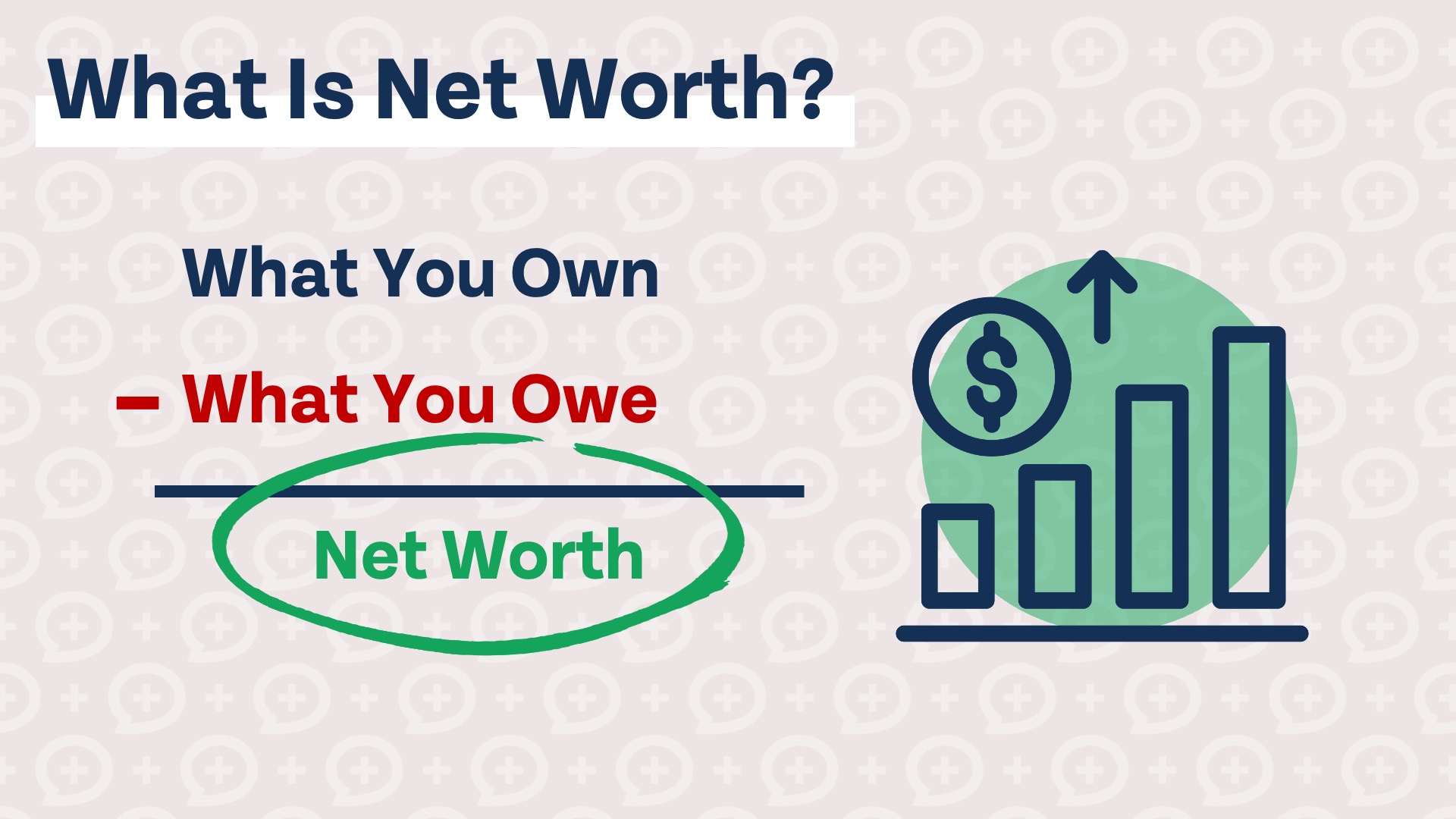
- Personal Spending and Investments: Net worth is a calculation of assets minus liabilities. Without access to a creator’s personal savings accounts, real estate holdings, investment portfolios, or existing debt, any figure provided by a third-party website is purely conjectural.
Comparison of Revenue Realities
To better visualize why financial estimates vary so wildly, the following table compares common misconceptions against the operational reality of digital creator finance.
| Factor | Public Perception | Operational Reality |
|---|---|---|
| Gross vs. Net | Total earnings are equated to take-home pay. | Platform fees and taxes consume 30%–50% of revenue. |
| Visibility | High follower count equals massive wealth. | Conversion rates are more critical than total audience size. |
| Consistency | Steady, guaranteed monthly income. | Volatile; highly dependent on platform algorithms and trends. |
| Assets | Liquid cash is the primary indicator. | Wealth is often tied to intellectual property and brand equity. |
The Role of Financial Privacy
The expectation that a creator’s net worth should be public information is a modern byproduct of the "influencer economy." However, in the United States and most other jurisdictions, individuals are under no legal obligation to disclose their private financial statements unless they are the CEO of a publicly traded company or are filing for bankruptcy in federal court.
For creators like Morgan Reese XO, maintaining financial privacy is a standard business practice. Sharing private financial data carries inherent risks, including increased vulnerability to social engineering, security threats, and unwanted attention from solicitation. Consequently, the absence of an official net worth report should not be interpreted as a lack of success; it is simply the enforcement of professional boundaries regarding private earnings.
Navigating Online Information Sources
If you encounter a headline promising a specific dollar amount for a creator's net worth, consider the source's objective. These pages are typically optimized for search traffic and rely on click-through rates. They prioritize high-volume content over audited financial data.
When conducting your own research, follow these guidelines:
- Verify the source: Is it a reputable financial publication, or is it a general-interest blog focusing on "celebrity net worth" metrics?
- Identify the methodology: Does the source cite tax filings, financial disclosures, or personal interviews? If the article lacks a methodology section, it is almost certainly a guess.
- Assess the date: Financial estimates from years ago may be obsolete. The digital landscape changes rapidly, and a creator’s income in 2022 is unlikely to be identical to their performance in 2026.
Frequently Asked Questions
Is there an official government database where I can check a creator’s net worth? No. In the U.S., personal financial information is private. Unless an individual is a public official or a high-level executive at a public company, their net worth is not tracked or published by government agencies.
Why do some websites show specific numbers like "$1.2 million"? These numbers are generated by search-engine-optimized algorithms designed to answer user queries with a concrete figure, regardless of accuracy. They are estimations based on public traffic data and should not be treated as financial fact.
How do creators pay taxes on their income? Digital creators are generally classified as independent contractors. They must report their income through self-employment tax forms, pay estimated quarterly taxes, and are responsible for all business-related expenses.
Does high follower count automatically mean high net worth? No. While follower count correlates with brand deal potential, it does not account for the overhead costs of managing a business. A creator with 100,000 highly engaged, paying subscribers may be more profitable than a creator with 10 million passive social media followers.
Next Steps for Understanding Creator Economics
If you are interested in the financial mechanics of the creator economy, the best approach is to research the business models of the specific platforms they use. Understanding the commission structures, payout thresholds, and growth strategies of these platforms provides a more accurate view of how creators monetize their work than relying on speculative net worth articles. By focusing on the system of creation rather than the specific, unverified wealth of an individual, you gain a broader, more accurate perspective on the digital economy in 2026.
Image Gallery