Understanding TPA in Workers Compensation: Roles and Responsibilities
A Third-Party Administrator (TPA) in workers compensation is an independent organization that manages the administrative and technical aspects of claims on behalf of an employer or an insurance carrier. While they do not provide the ac...
A Third-Party Administrator (TPA) in workers compensation is an independent organization that manages the administrative and technical aspects of claims on behalf of an employer or an insurance carrier. While they do not provide the actual insurance coverage, they act as the operational bridge between injured employees, medical providers, and the financial backers of the policy, ensuring that claims are processed, investigated, and resolved according to state-mandated regulations.
Contents
The Role of a TPA in the Workers Compensation Ecosystem
To understand the function of a TPA, one must first distinguish between the insurer (the entity providing the capital and assuming the financial risk of a claim) and the administrator (the entity managing the logistics of that risk). Many large corporations choose to "self-insure" their workers compensation obligations to save on premiums and gain control over their safety culture. However, few companies have the internal infrastructure to handle the complex legal and medical requirements of workers compensation claims. This is where the TPA steps in.
The TPA serves as the professional interface for every aspect of a workplace injury. Their primary objective is to maintain compliance with jurisdictional workers compensation laws—which vary significantly from state to state—while controlling costs through efficient case management. They function as a claims department that operates as a service provider rather than an insurance carrier.
Core Responsibilities and Daily Operations
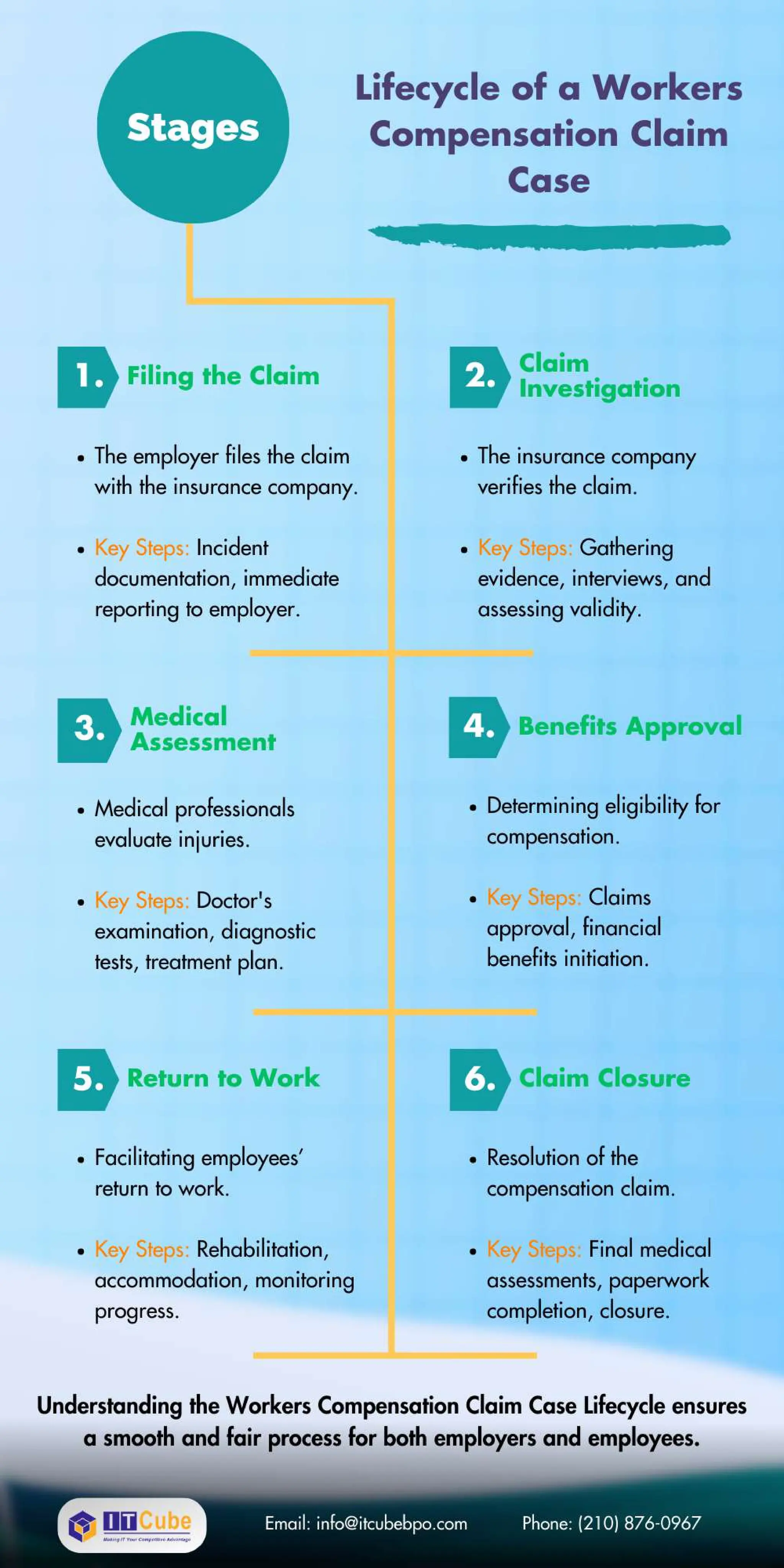
The operational scope of a TPA is broad, encompassing the full lifecycle of a claim. Their responsibilities generally fall into four key buckets:
1. Claim Intake and Investigation When an employee reports an injury, the TPA receives the First Report of Injury (FROI). Their first task is to verify coverage, determine if the incident falls within the scope of the policy, and investigate the circumstances of the injury. This includes interviewing witnesses, reviewing medical records, and checking for potential fraudulent activity.
2. Medical Case Management This is often the most critical aspect of the TPA’s work. By coordinating with healthcare providers, the TPA ensures that the injured employee receives appropriate treatment while adhering to evidence-based medical guidelines. They monitor the recovery progress and facilitate "return-to-work" programs, which are essential for minimizing the duration of indemnity (wage replacement) payments.
3. Financial Disbursement and Reserve Setting The TPA manages the flow of funds. They issue benefit payments for lost wages and medical bills. Furthermore, they are responsible for "setting reserves," which is an actuarial estimation of the total cost of a claim. Accurate reserve setting is vital for employers to maintain correct financial statements and for insurers to ensure they are adequately capitalized.
4. Regulatory Compliance and Reporting Workers compensation is a state-regulated system. Every jurisdiction has specific filing deadlines for medical status reports, wage statements, and settlement documents. Failure to meet these deadlines can result in heavy administrative fines. The TPA acts as the compliance officer, ensuring all documentation is filed correctly with state workers compensation boards.
Comparison: TPA vs. Insurance Carrier
It is common to confuse TPAs with traditional insurance carriers. While their functions overlap, their motivations and service models differ.
| Feature | Insurance Carrier | Third-Party Administrator (TPA) |
|---|---|---|
| Primary Financial Risk | Assumes the risk (pays losses) | No financial risk (manages client funds) |
| Revenue Source | Premiums paid by the insured | Service fees, management retainers |
| Client Focus | Focuses on underwriting profit | Focuses on operational efficiency |
| Customization | Standardized policies/procedures | Highly customizable workflows |
| Legal Standing | Entity on the policy | Administrative agent |
When Should an Organization Use a TPA?
Organizations typically engage a TPA under two circumstances: either they are large enough to be "self-insured," or they are insured through a "High Deductible" policy.
In a high-deductible arrangement, the employer is responsible for paying all losses up to a certain dollar threshold per claim before the insurance carrier begins paying. Because the employer is essentially paying for the majority of these claims out-of-pocket, they demand more influence over how the claims are handled. A TPA allows these employers to set specific protocols for how their claims are investigated, settled, and managed, providing a level of transparency that standard insurance carrier claims departments may not offer.
Potential Challenges and Limitations
While TPAs offer professional expertise, their engagement is not without risks. The "alignment of incentives" is a common area of friction. Because a TPA is paid a fee for service, they may not always share the exact same financial goals as the employer. For instance, if a TPA is paid based on the volume of claims processed rather than the ultimate outcome of those claims, there is a risk of inefficient handling.
Furthermore, communication silos can occur. When the employer, the TPA, and the medical providers operate as separate entities, vital information about the employee’s recovery or potential job modifications can be lost. Employers must ensure they have robust service-level agreements (SLAs) in place that define the quality of service, the turnaround time for communication, and the frequency of case reviews.
Frequently Asked Questions
Does the TPA make the final decision on whether a claim is accepted? Generally, the TPA provides a recommendation based on their investigation of state law and internal company policies. However, the employer (if self-insured) or the insurance carrier remains the final authority on accepting or denying liability for a claim.
What is the difference between a TPA and an MCO? A Managed Care Organization (MCO) focuses specifically on the medical side—provider networks, bill review, and pharmacy management. A TPA is a comprehensive administrator that handles the entire claim, including the medical, legal, and indemnity components. Some TPAs have internal MCO units.
How are TPA fees structured? TPA fees are often structured as a flat fee per claim, a percentage of the total claim costs, or an annual administrative retainer. The structure depends on the size of the employer’s workforce and the expected annual volume of claims.
Can a TPA help reduce my experience modification rating? Yes. By aggressively managing medical care, preventing unnecessary litigation, and focusing on early return-to-work, a TPA can reduce the total cost of claims, which directly lowers the experience modification rating (Ex-Mod) used to calculate future premiums.
Are there legal limitations to what a TPA can do? Yes. TPAs must act within the scope of state-specific adjuster licensing laws. They cannot practice law, and they must defer to legal counsel for litigation strategy, court appearances, and official settlement agreements that require judicial approval.
Next Steps for Employers
If you are currently evaluating whether your organization requires a TPA or if you are unsatisfied with your current administrator, your first step should be an audit of your current claim lifecycle. Request a report detailing the average time from injury report to first payment, the average duration of lost-time claims, and the accuracy of reserve setting over the past three fiscal years.
Compare these metrics against industry benchmarks for your specific sector. If your current claims are lingering longer than the industry average or if communication between your safety team and the claims adjusters is fragmented, it is time to conduct a formal Request for Proposal (RFP) to evaluate alternative TPA partners. Seek firms that demonstrate technological integration with your existing human resources and safety systems to ensure a seamless flow of data.
Image Gallery