How the Life Insurance Benefit Payment Amount Is Determined
The life insurance benefit payment amount—often referred to as the death benefit—is fundamentally determined by the face value stipulated in the insurance contract at the time of purchase. While the core amount is fixed, the final payo...
The life insurance benefit payment amount—often referred to as the death benefit—is fundamentally determined by the face value stipulated in the insurance contract at the time of purchase. While the core amount is fixed, the final payout received by beneficiaries can be adjusted by factors including outstanding policy loans, unpaid premiums, accelerated death benefit riders, and applicable interest adjustments.
Contents
Understanding the Contractual Foundation
The primary determinant of a life insurance payout is the policy's face amount. When an individual applies for coverage, they select a death benefit based on their financial needs, such as debt replacement, income replacement, or funding estate taxes. Once the policy is issued and the premium payments commence, this face amount serves as the base payout figure.
It is crucial to distinguish between the face amount and the "net death benefit." The face amount is the guaranteed sum promised in the policy document, provided the policy remains in good standing. The net death benefit is the actual amount paid to the beneficiaries after the insurer adjusts for specific contractual provisions. In most standard term life and whole life policies, the face amount remains constant throughout the life of the contract, though some variations, such as increasing death benefit whole life policies, exist.
Factors That Decrease the Benefit Amount
Insurance companies are contractually obligated to pay the death benefit, but they are also entitled to deduct any liabilities the policyholder may have incurred against the policy value. These deductions are standardized and explicitly outlined in the policy provisions.
- Policy Loans: In permanent insurance policies (such as whole life or universal life), policyholders may borrow against the cash value. If a policyholder passes away with an outstanding loan, the insurer subtracts the remaining loan balance—including any accrued, unpaid interest—from the total death benefit.
- Unpaid Premiums: If a death occurs during a policy's grace period and the premium for that period has not been paid, the insurer will deduct the overdue premium from the payout. This ensures the policy remains active at the time of death while protecting the insurer’s financial interests.
- Accelerated Death Benefit (ADB) Riders: If the policyholder accessed a portion of their death benefit while living due to a terminal or chronic illness, that withdrawal is deducted from the final payout. If a person with a $500,000 policy exercised an ADB rider to receive $100,000 for medical expenses, the beneficiaries would receive $400,000 upon the policyholder’s death.
Factors That Increase the Benefit Amount
Some policy types and specific contract features allow for a payout that exceeds the original face amount. These increases are typically governed by the policy structure or optional riders added at the inception of the contract.
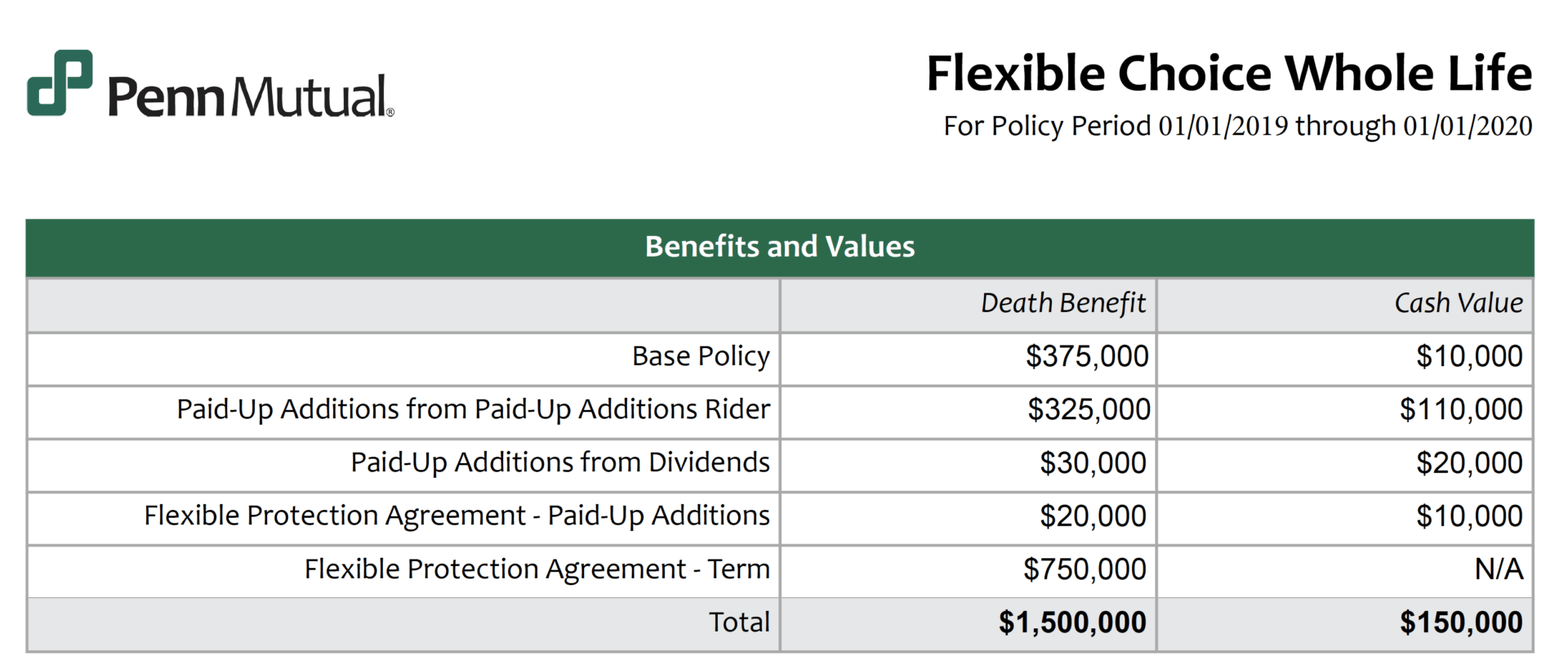
- Paid-Up Additions: In participating whole life insurance, policyholders may receive dividends from the insurer. These dividends can be used to purchase "paid-up additions," which are small increments of permanent insurance. Each addition increases the total death benefit permanently.
- Accidental Death Benefits (Double Indemnity): An accidental death benefit rider pays an additional amount—often matching the face value of the policy—if the death is the direct result of a covered accident. For example, a $250,000 policy with a double indemnity rider would pay $500,000 if the cause of death meets the insurer’s definition of an accident.
- Return of Premium Riders: In certain term life products, an optional return of premium rider exists. While usually designed to return premiums to the policyholder if they outlive the term, some structured policies have specific provisions regarding the interaction between the rider and the death benefit.
Comparison of Policy Structures and Payout Drivers
| Feature | Term Life Insurance | Whole Life Insurance | Universal Life Insurance |
|---|---|---|---|
| Primary Driver | Fixed Face Amount | Face Amount + Dividends | Flexible Face Amount |
| Loan Impact | Not Applicable | Deducted from Payout | Deducted from Payout |
| Cash Value Growth | None | Increases Benefit Potential | Impacts Net Payout |
| Adjustability | Generally Static | Dividends Increase Payout | Subject to Policy Design |
The Role of Regulatory and Legal Frameworks
The payment amount is not subject to arbitrary changes by the insurer. Life insurance is a highly regulated financial product. State insurance departments oversee the "free look" periods, policy illustrations, and the eventual claims process.
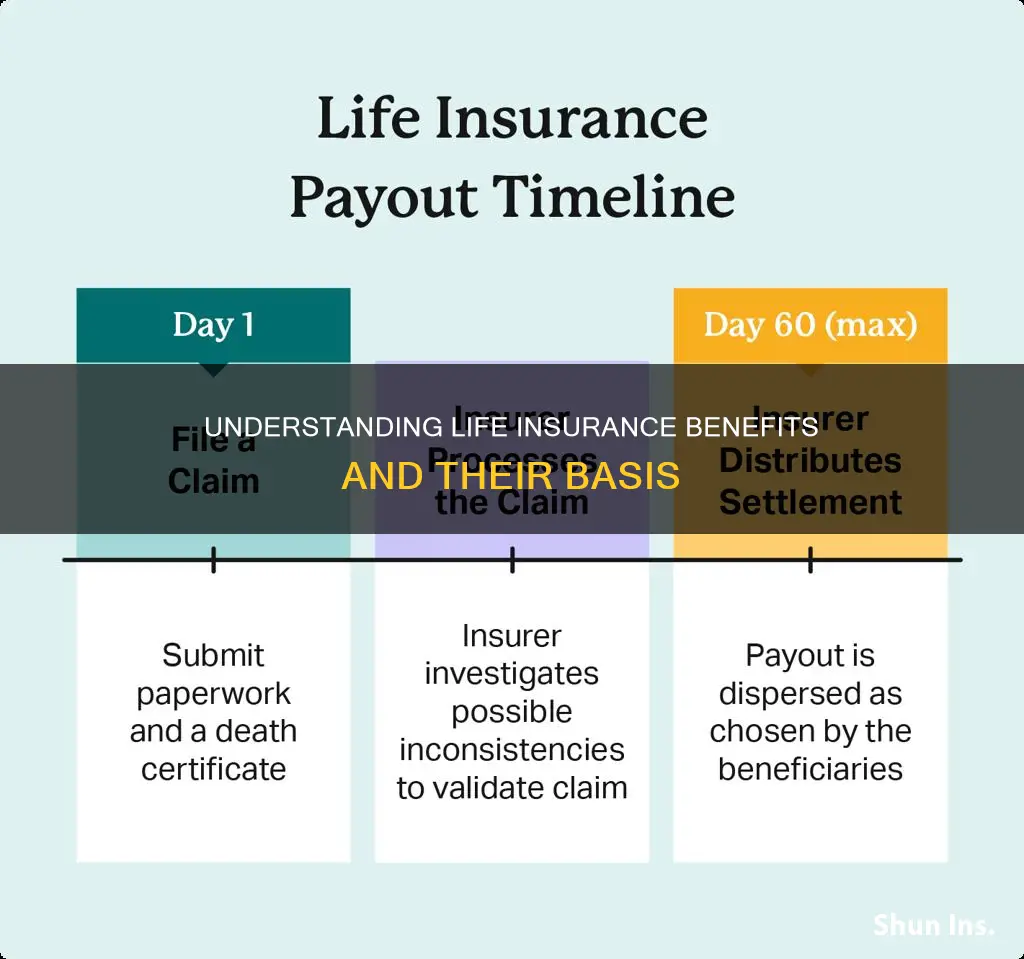
When a death claim is filed, the insurer verifies the status of the policy. If the policy has lapsed due to non-payment, no benefit is paid. However, if the policy was in force, the insurer must adhere to the specific payment methodology documented in the contract. Disputes regarding the benefit amount are rare when policies are maintained correctly, but they can arise if there is ambiguity regarding rider applications or loan calculations. Beneficiaries have the right to request a full breakdown of the payout calculation if the final amount differs from the expected face value.
Common Misconceptions Regarding Payouts
A frequent point of confusion for beneficiaries is the difference between the "Total Benefit" and the "Proceeds."
- Taxes: Generally, the death benefit from a life insurance policy is received by the beneficiary income-tax-free under current federal tax guidelines. However, if the death benefit is paid in installments rather than a lump sum, the interest portion of those installments may be subject to income tax.
- Interest: If there is a delay in the claims process—often due to missing documentation or investigations into the cause of death—the insurer may be required by state law to pay interest on the death benefit from the date of death until the date of payment. This interest is part of the final payout but is distinct from the policy face value.
- Beneficiary Designations: The benefit amount is distributed according to the beneficiary designations on file. If the total benefit is $1,000,000 and there are two primary beneficiaries, the total payout is still $1,000,000, split according to the percentages assigned by the policyholder.
Frequently Asked Questions
Does the life insurance payout include a refund of premiums paid? Standard death benefits do not include a refund of premiums paid unless the policy specifically includes a "Return of Premium" rider. Without this specific rider, the insurer keeps the premiums in exchange for providing the coverage risk during the term of the policy.
Can an insurer reduce the death benefit after it has been issued? Once a policy is issued, the face amount is guaranteed, provided that premiums are paid and no loans are taken. The insurer cannot arbitrarily lower the face amount, though they may deduct authorized loans or accelerated benefits as previously agreed upon in the contract.
How do dividends affect the total payment amount? In participating whole life policies, dividends are not guaranteed. However, when declared and used for paid-up additions, they increase the death benefit. The final payout will include the original face amount plus the total value of all accumulated paid-up additions.
What happens if I forget to pay a premium? Most policies have a grace period (typically 30 or 31 days). If you die during this period, the insurer will pay the death benefit but will subtract the unpaid premium from the total amount. If the grace period expires and the policy lapses, no death benefit is paid.
Do beneficiaries receive the interest accumulated on the cash value? In most standard whole life policies, the cash value is essentially absorbed by the insurer upon death; the beneficiary receives the face amount (the death benefit). The death benefit is typically structured as "Level Death Benefit," meaning the cash value is not paid in addition to the face amount unless the policy specifically provides for it.
Next Steps for Beneficiaries
If you are the named beneficiary of a life insurance policy, your first step is to secure a certified copy of the death certificate. Contact the insurance company’s claims department to initiate the process. You will be asked to complete a claim form and submit the death certificate. The insurer will then provide a detailed explanation of the settlement, including the gross face amount, any deductions for loans or premiums, and any applicable interest payments. Always review this statement against the original policy document to ensure the calculation aligns with the contract terms.
Image Gallery