How to Choose Ice Molds for Face: A Guide to Facial Cryotherapy Tools
Selecting the right ice mold for your face involves balancing material safety, ergonomic design, and the intended therapeutic outcome of your skincare routine. The ideal mold must be made of food-grade, skin-safe silicone that withstan...
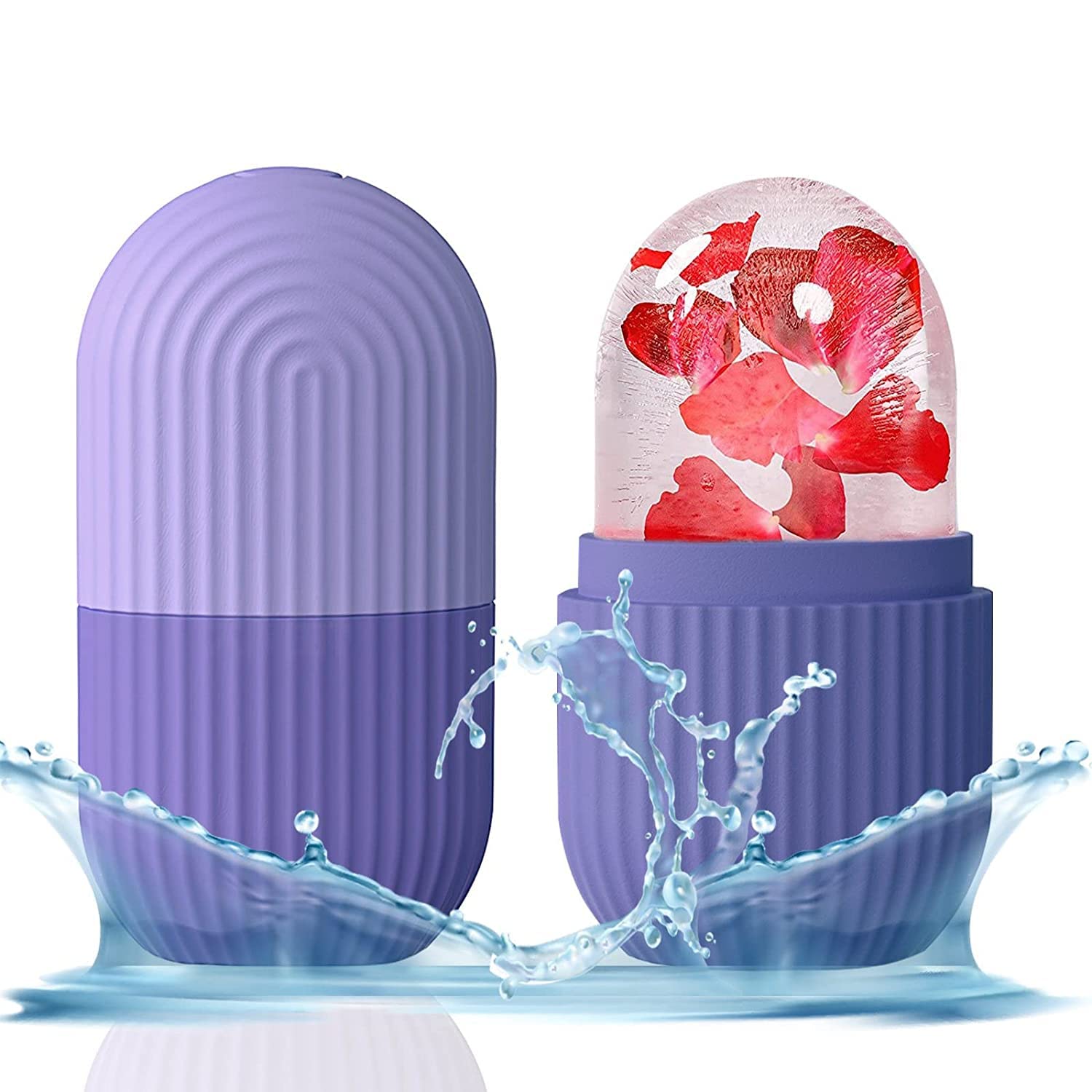
Selecting the right ice mold for your face involves balancing material safety, ergonomic design, and the intended therapeutic outcome of your skincare routine. The ideal mold must be made of food-grade, skin-safe silicone that withstands freezing temperatures without leaching chemicals, while offering a shape that facilitates smooth, controlled movement across the contours of your face and neck.
Contents
Understanding the Role of Facial Ice Molds
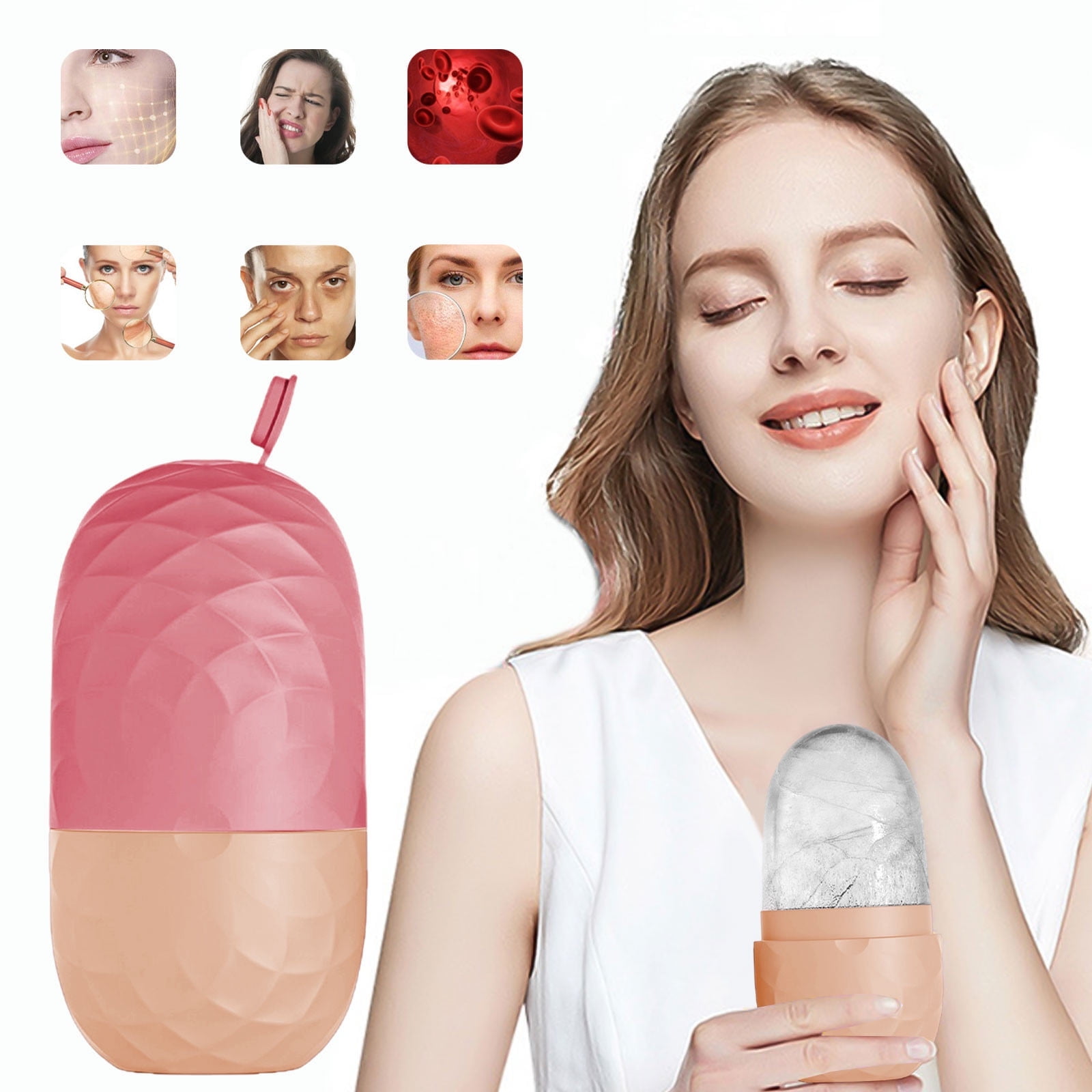
Facial icing, often referred to as cryotherapy at home, is a technique used to temporarily reduce puffiness, soothe inflammation, and improve the appearance of the skin’s surface. When you introduce a cold object to the skin, it causes vasoconstriction—the narrowing of blood vessels—which can help minimize the appearance of pores and reduce redness.
However, the efficacy and safety of this practice depend entirely on the tool you use. Unlike standard kitchen ice trays, which are often rigid and sharp, dedicated facial ice molds are designed to be manipulated easily across delicate facial tissue. Choosing a mold that is too hard or lacks an insulated handle can lead to "ice burn" or discomfort, necessitating a move toward flexible, user-friendly designs.
Material Safety and Quality Standards
When searching for an ice mold, the most critical factor is the material composition. Your face is highly absorbent and sensitive to chemical exposure.
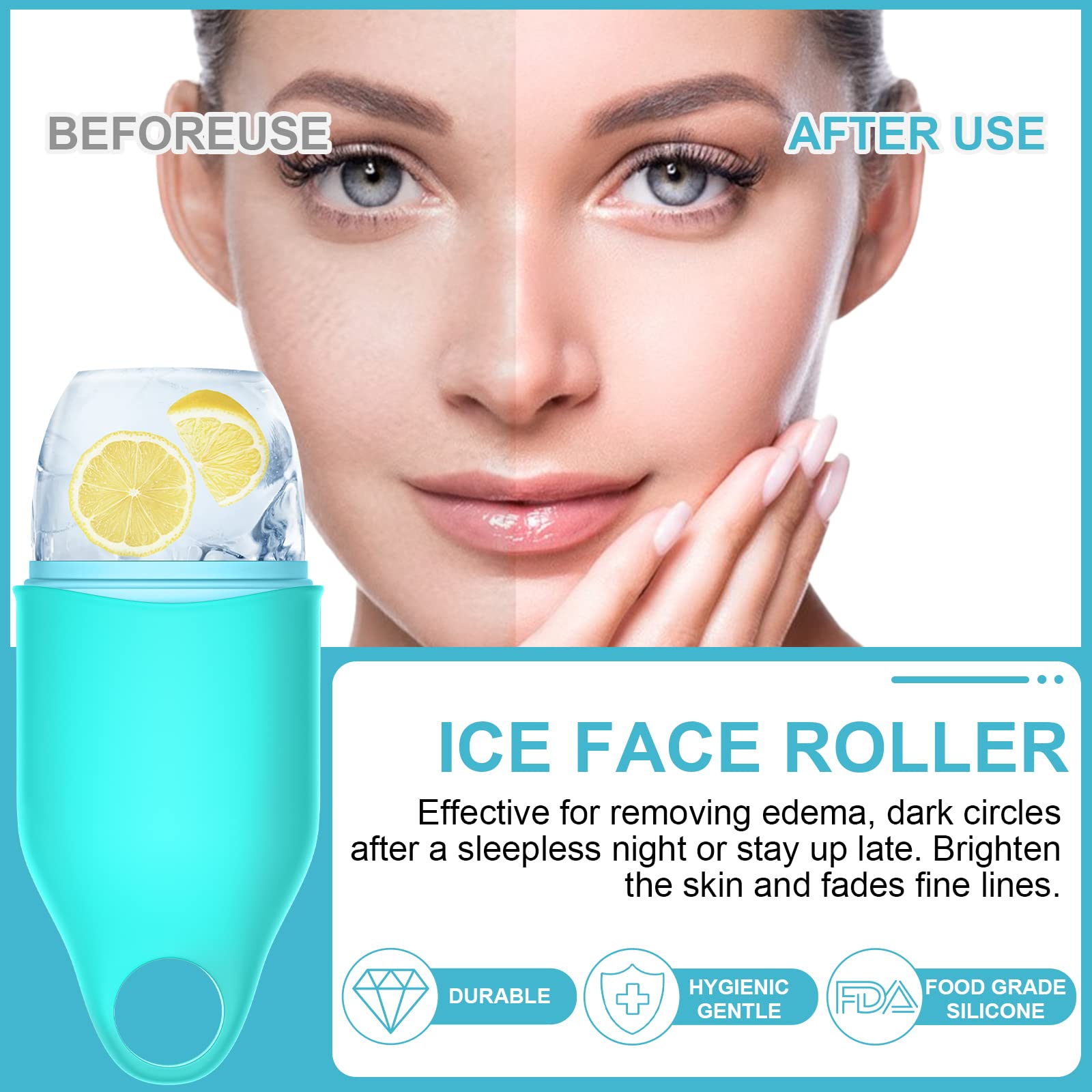
- Food-Grade Silicone: Always prioritize molds labeled as "100% Food-Grade Silicone." This material is non-porous, meaning it does not harbor bacteria as easily as porous plastics or rubbers. It is also heat-resistant and freezer-safe, ensuring it will not crack or become brittle over time.
- BPA-Free Certification: Bisphenol A (BPA) is a chemical often used in plastics that can disrupt hormonal functions. Ensure that any mold you purchase explicitly states it is BPA-free.
- Non-Toxic Coloring: If the mold is brightly colored, confirm the manufacturer uses non-toxic, food-safe pigments. Poorly manufactured items may release dyes into your ice as it begins to melt against the warmth of your skin.
Ergonomics and Ease of Use
The structure of the mold determines how well you can perform your routine. A mold that is difficult to grip will likely be discarded after one or two uses.
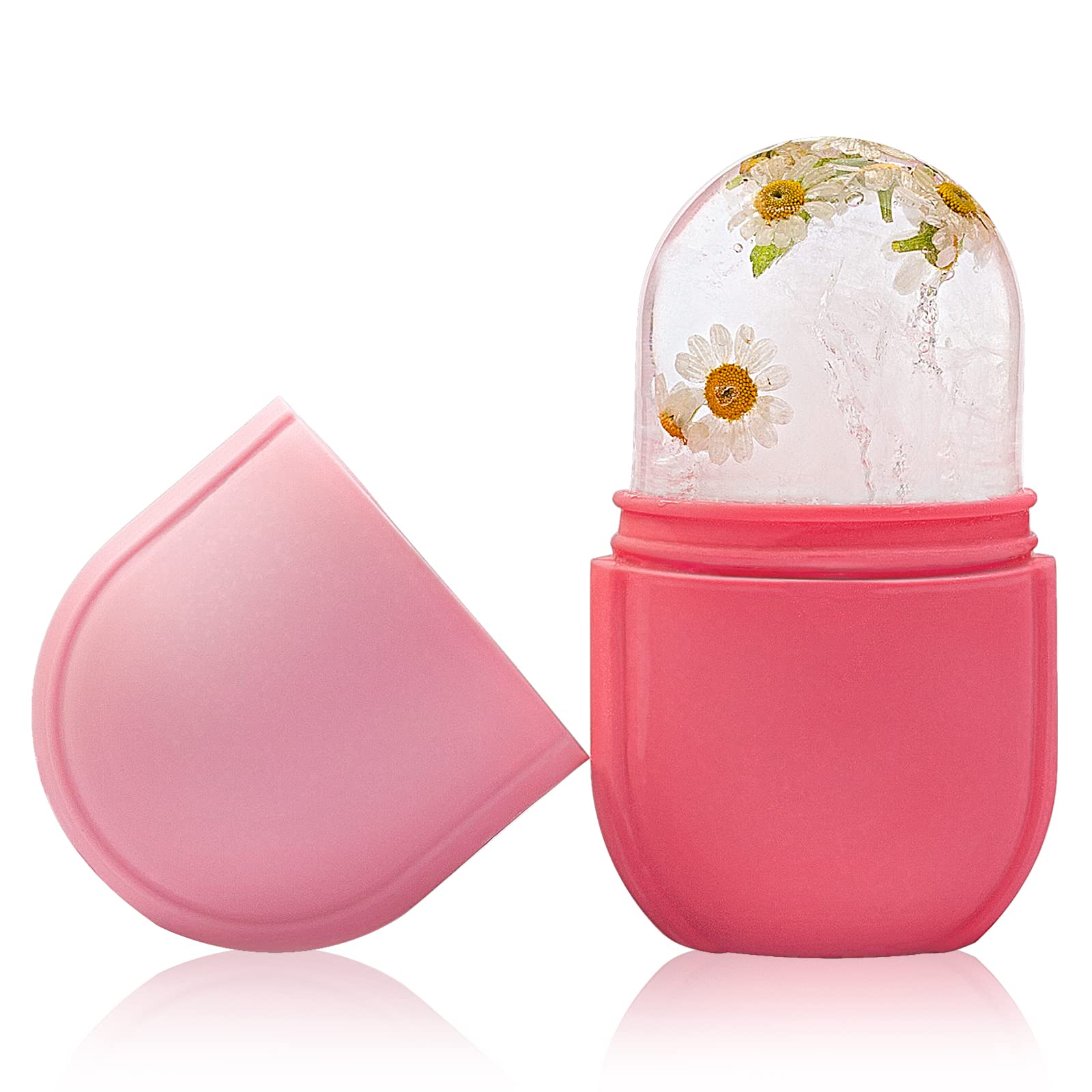
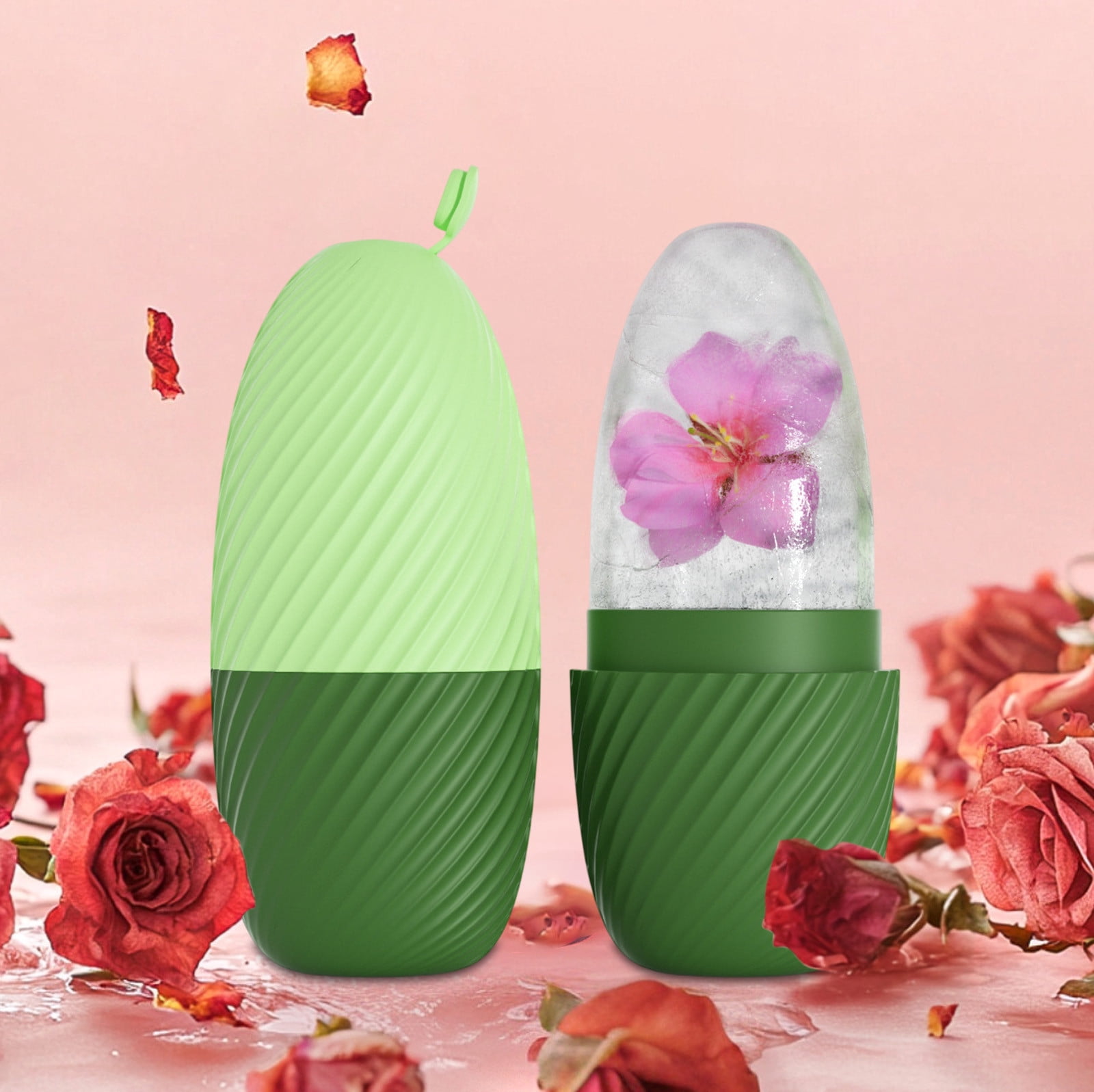
- The Handle System: Look for designs that feature an integrated handle or a secure cap. Because ice is slippery as it melts, a handle allows you to maintain a firm grip without the ice sliding out of your hand or requiring you to hold the freezing cold ice directly.
- Contour Compatibility: The human face has complex geometry—the orbital bone around the eyes, the jawline, and the hollows of the cheeks. A spherical or teardrop-shaped mold often provides better surface area coverage than a flat, rectangular block of ice.
- Refillability and Cleaning: A well-designed mold should have a wide opening for water intake and be dishwasher safe. If the design has narrow crevices, it will be impossible to sanitize, which can lead to bacterial growth inside the mold over time.
Comparing Facial Ice Mold Designs
| Feature | Silicone Sphere | Standard Tray Ice | Insulated Roller Molds |
|---|---|---|---|
| Ergonomics | Excellent; easy to grip | Poor; causes cold fingers | Best; keeps hands warm |
| Safety | High (Food-grade) | Variable (Often plastic) | High (Medical-grade) |
| Application | Smooth, continuous | Sharp edges, erratic | Targeted, gentle |
| Durability | High | Low (Cracks easily) | Moderate |
Important Considerations for Daily Use
Even with the perfect mold, technique matters. Never apply ice directly to bare skin for extended periods without movement. Always keep the ice moving in circular motions to avoid damaging the skin barrier.
Furthermore, consider the water you are using. If you have sensitive skin, using tap water containing high levels of chlorine or minerals may cause irritation. Many users prefer using distilled water or a mixture of filtered water with soothing ingredients like rose water or chamomile tea. Always ensure your mold is thoroughly washed and dried before refilling to prevent mold or mildew growth.
Limitations and Safety Warnings
While facial icing is a common skincare practice, it is not a cure-all. If you suffer from broken capillaries, extremely dry skin, or rosacea, direct icing can exacerbate these conditions by causing extreme temperature fluctuations. Always consult with a dermatologist if you have underlying skin conditions before incorporating cryotherapy into your daily regimen.
Furthermore, be mindful that 2026 guidelines regarding skincare hygiene emphasize the importance of preventing "cold burns." If the mold feels painful or if your skin begins to burn or sting, stop immediately. The ice should feel refreshing, not agonizing.
Frequently Asked Questions
1. Can I use a regular kitchen ice cube instead of a mold? While you can, it is not recommended. Kitchen ice cubes have sharp corners that can cause micro-tears in the skin. Additionally, standard ice trays are often made of lower-quality plastics that may not be intended for direct, prolonged skin contact.
2. How often should I sanitize my facial ice mold? You should sanitize your mold before every refill. Most high-quality silicone molds are dishwasher safe; if yours is not, wash it with warm, soapy water and allow it to air dry completely before replacing the cap.
3. Can I freeze skincare products inside the mold? Yes, you can freeze serums or herbal teas, but ensure the ingredients are water-soluble and do not contain heavy oils that might prevent the mixture from freezing correctly or leave a sticky, pore-clogging residue on your face.
4. How long should an icing session last? A typical facial icing session should last no longer than 5 to 10 minutes. More is not better; the goal is to reduce inflammation, not to shock the skin into a state of irritation.
5. What should I do if the ice gets stuck in the mold? Do not use metal tools to pry the ice out, as this can damage the silicone. Simply run the outside of the mold under warm water for 10 to 15 seconds; the slight melting will release the seal, allowing the ice to pop out easily.
Choosing Your Product: A Final Recommendation
When shopping for an ice mold, prioritize durability and material purity over aesthetic trends. Look for verified reviews from 2025 and 2026 that confirm the product holds up to daily freezing and thawing cycles. A mold that feels substantial in the hand and features a leak-proof design will provide the best long-term value for your skincare routine. Once you have acquired your mold, establish a consistent cleaning protocol to ensure that the cold therapy you provide your skin is as hygienic as it is refreshing.
Image Gallery