How Much Gold Is in an iPhone: A Realistic Look at Precious Metal Recovery
An iPhone typically contains between 0.02 and 0.05 grams of gold, depending on the specific model, storage capacity, and hardware generation. While this represents a high concentration compared to common industrial waste, the amount is...
An iPhone typically contains between 0.02 and 0.05 grams of gold, depending on the specific model, storage capacity, and hardware generation. While this represents a high concentration compared to common industrial waste, the amount is physically minute. For the average user, extracting this gold is economically unviable, as the cost of specialized recovery equipment and chemical processes far outweighs the value of the reclaimed metal.
Contents
The Composition of Modern Smartphones
Modern smartphones, including the iPhone, are marvels of material engineering, functioning as sophisticated repositories for various precious and base metals. The integration of gold within these devices is not merely for aesthetic or luxury branding; it is a fundamental requirement for high-performance electronics. Gold is used primarily for its exceptional conductivity and its resistance to corrosion. Because it does not oxidize, gold is the ideal material for plating connectors, pins, and circuit board traces where long-term reliability is critical.
Beyond gold, iPhones contain a complex matrix of materials including silver, copper, palladium, tantalum, and tungsten, along with various rare earth elements. The gold is typically found in the printed circuit board (PCB), the SIM card tray connectors, and the various ribbon cables that tether the camera modules and screen components to the logic board. The gold plating on these components is usually microscopic in thickness, measured in micrometers, which is why the total weight of gold per device remains so low despite the numerous connection points found within the chassis.
Why Is Gold Used in iPhones?
To understand why there is gold in an iPhone, one must look at the physics of electrical contact. In the manufacturing of logic boards and high-density interconnects, designers require a metal that maintains a stable electrical connection across years of thermal cycling—the heating and cooling that occurs as the processor runs and rests.
Gold possesses a unique combination of properties:
- High Conductivity: It allows for efficient transmission of electrical signals, which is vital for the high-speed data transfer required by 5G chips and high-resolution camera sensors.
- Corrosion Resistance: Unlike copper or silver, gold does not tarnish when exposed to moisture or air. This prevents the formation of oxide layers that could insulate the contact points and cause signal failure.
- Malleability: Because gold is highly ductile, it can be plated onto delicate surfaces without cracking, ensuring that even the most complex microscopic contacts remain fully coated.
Realistic Recovery: The Economic Reality
There is a persistent myth that the average person can perform "home mining" to extract gold from old smartphones to make a profit. A realistic look at the chemistry and physics involved reveals why this is impractical.
To recover gold from an iPhone, one must first dismantle the device, which is intentionally sealed by Apple with proprietary screws, adhesives, and pressurized components. Once the logic board is extracted, the gold is locked inside the board’s multi-layered structure, often buried under layers of fiberglass (FR4) and solder mask. Recovery requires hydrometallurgical processes—typically involving acids such as aqua regia (a mixture of nitric and hydrochloric acid). These chemicals are hazardous, require specialized ventilation, and produce toxic waste that cannot be safely disposed of in a residential setting.
Furthermore, the scale of operation required to turn a profit is massive. To obtain just one troy ounce of gold (currently valued at roughly $2,600 as of 2026), a recycler would need to process hundreds, if not thousands, of smartphones. The capital investment required for chemical reagents, safety gear, and industrial smelting equipment creates a high barrier to entry that effectively eliminates the possibility of home-based reclamation.
Comparison of Precious Metal Content in Tech
The following table illustrates the approximate distribution of precious metals in consumer electronics. While the gold content is relatively low, it is the density of these metals in PCB boards that makes commercial e-waste recycling a viable, albeit industrial, enterprise.
| Component | Precious Metal Present | Purpose |
|---|---|---|
| Logic Board | Gold, Palladium, Silver | Conductivity & Signal Integrity |
| Charging Ports | Gold, Copper | Corrosion Resistance |
| Camera Modules | Gold, Tungsten | Precision Connection |
| Capacitors | Tantalum | Energy Storage |
| Soldering | Silver, Tin | Structural/Electrical Bonding |
The Role of Industrial Recycling
While home reclamation is not feasible, industrial e-waste recycling is a vital component of the global electronics supply chain. Companies that specialize in urban mining use mechanical shredding, magnetic separation, and pyrometallurgical smelting to reclaim these precious metals.
When an iPhone reaches the end of its life, professional recyclers shred the device into small particles. They use electromagnetic separators to pull out ferrous metals and density-based separators to isolate the circuit boards. These boards are then sent to specialized smelters where they are burned at high temperatures to separate the metals from the resins and plastics. The resulting "black copper" or metal concentrates are then refined using electrolytic processes to produce pure gold, silver, and palladium. This industrial loop is the only way to recover the gold in an iPhone in a manner that is both environmentally responsible and economically sensible.
Challenges in Metal Recovery
The primary challenge in recovering gold from an iPhone is not just the volume, but the "design for assembly" philosophy. Apple and other manufacturers optimize devices for thinness, weight, and repairability (or lack thereof), rather than ease of material separation. The use of strong adhesives and integrated components means that precious metals are often physically fused with non-metallic materials, requiring intense energy usage to separate them.
As device technology advances, the amount of gold per unit has generally trended downward. Engineers are consistently developing methods to use thinner plating and alternative conductive materials to reduce costs and environmental footprints, meaning that newer iPhone models actually contain less gold than their counterparts from a decade ago.
Frequently Asked Questions
Is it profitable to melt down an iPhone to get the gold? No. The cost of labor, chemical solvents, and safety equipment significantly exceeds the value of the small amount of gold recovered. Professional industrial recyclers only achieve profitability by processing millions of devices annually, using economies of scale.
How does Apple handle the gold in old iPhones? Apple operates large-scale recycling programs, such as their Daisy robot system. These machines are designed to disassemble iPhones efficiently to recover high-value materials like cobalt, lithium, and gold, which are then fed back into the supply chain.
What happens to the gold if I throw my iPhone in the trash? If sent to a standard landfill, the gold, along with other heavy metals and toxic chemicals like lead and brominated flame retardants, becomes an environmental hazard. The gold remains lost in the soil, and the potential value is permanently squandered.
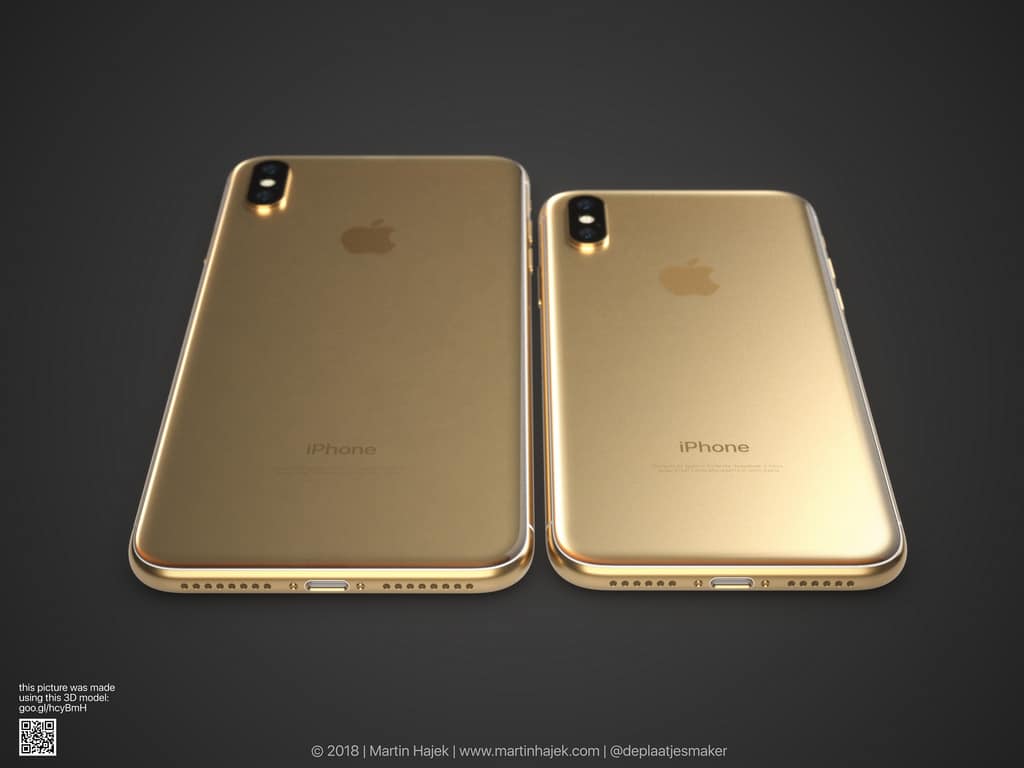
Are gold-plated iPhone shells valuable? If you own an aftermarket "gold-plated" iPhone, the plating is often just a thin layer of decorative gold over steel or aluminum. While it may feel heavy, the gold content is largely cosmetic and holds very little raw material value compared to the functional gold found on the internal circuit board.
Can I sell my broken iPhone for its gold value? You should not sell your phone based on its "gold value," as it is negligible. Instead, look for companies that buy phones for refurbishment or material recovery. You will get a much better price for the device as a functional unit or a parts donor than for its raw metal content.
What is the best way to dispose of an iPhone? The best approach is to trade it into an authorized manufacturer program or utilize a certified R2 or e-Stewards recycler. This ensures the precious metals are recovered professionally and toxic materials are disposed of in accordance with environmental regulations.
Next Steps for Device Management
If you are looking to get value out of an old or broken iPhone, do not attempt to dismantle it for the purpose of metal extraction. The gold content is sequestered in a way that makes individual recovery impossible without specialized lab equipment and significant safety risks. Instead, assess the device for its resale value through trade-in programs, or contribute it to a verified electronics recycling facility. By directing these devices toward professional channels, you support the circular economy, allowing those critical precious metals to be returned to the manufacturing pipeline for future technology.
Image Gallery