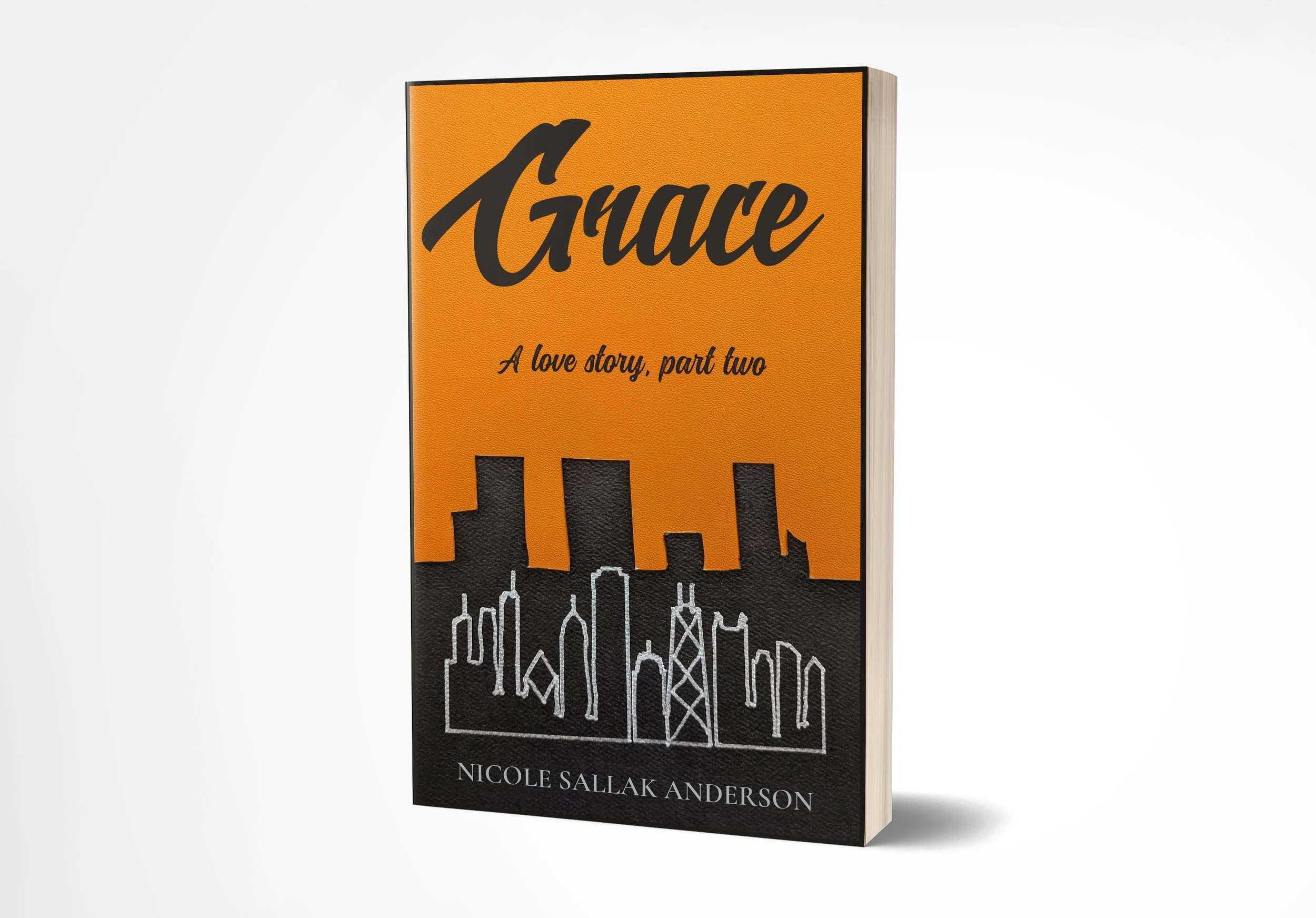
Love Story Part 2: Navigating Sequels, Narrative Continuity, and Creative Expansion in Modern Storytelling
Love story part 2 encompasses the complex narrative, artistic, and structural challenges of continuing a romantic narrative past its initial resolution. When creators attempt to follow up on a successful romance—whether in literature,...
Love story part 2 encompasses the complex narrative, artistic, and structural challenges of continuing a romantic narrative past its initial resolution. When creators attempt to follow up on a successful romance—whether in literature, cinema, television, or musical albums—they must navigate the delicate balance between satisfying audience nostalgia and introducing compelling conflict that justifies the continuation.
Contents
Understanding the Mechanics of Narrative Sequels in Romance
The phrase "love story part 2" often signifies more than a simple chronological continuation; it represents a shift in genre dynamics. While the original work typically focuses on the "will-they-won't-they" dynamic, initial attraction, and the climax of getting together, a sequel must explore what happens after the happily-ever-after. This transition shifts the core conflict from external or relational barriers to internal growth, domestic realities, and mutual adaptation.
In literary and cinematic history, expanding a romance into a multi-part saga requires a fundamental recalibration of character arcs. Authors and screenwriters must introduce new stakes that do not feel forced or artificial. If the primary conflict of part one was overcoming misunderstanding or social distance, part two frequently deals with:
- Long-term commitment and institutional pressures like marriage or cohabitation.
- Professional ambitions pulling partners in divergent geographic or emotional directions.
- External crises that test the established foundation of the relationship.
- Personal evolution where one partner changes fundamentally, forcing the other to adapt.
Creative Strategies for Continuing a Romance
When developing a sequel to a romance narrative, creators generally choose one of three distinct structural approaches. Each method carries specific benefits and risks regarding audience retention and artistic integrity.
1. The Domestic Evolution Approach
This strategy focuses on the day-to-day realities of a settled couple. Instead of relying on high-drama separations, the narrative derives tension from mundane yet emotionally resonant struggles: financial stress, family dynamics, and balancing individual identities within a partnership. While highly relatable, this approach risks losing the heightened emotional stakes of the original work if not anchored by sharp dialogue and deep character introspection.
2. The External Threat Approach
Here, the established couple faces an intrusive external force—a professional rival, a long-lost figure from the past, or a major geopolitical or social crisis. While this method successfully maintains high narrative momentum and dramatic tension, it can sometimes feel repetitive if it relies too heavily on recycled tropes from the first installment, such as artificial jealousy or miscommunication.
3. The Time-Jump and Re-encounter Approach
This technique involves separating the couple for a significant period following the events of part one, only to reunite them later in life. This allows the creators to present mature characters grappling with regret, nostalgia, and transformed worldviews. It provides a stark contrast to the youthful passion of the original story, offering a melancholic yet deeply satisfying emotional payoff.
| Narrative Strategy | Primary Source of Conflict | Main Advantage | Potential Risk |
|---|---|---|---|
| Domestic Evolution | Routine, internal growth, lifestyle adjustments | High emotional realism and relatability | Can lack fast-paced dramatic tension |
| External Threat | Rivalries, life-altering crises, external pressure | Sustains high narrative momentum | Risk of relying on recycled tropes |
| Time-Jump | Nostalgia, aging, regret, changed circumstances | Explores mature themes and deep character growth | Can alienate fans of the original dynamic |
Audience Expectations and the Psychology of Sequels
Audiences approaching a love story part 2 carry a dual psychological framework: a desire for comforting familiarity and an appetite for fresh emotional revelation. This creates a challenging paradox for creators. If the sequel changes too much—such as introducing major conflict between the beloved protagonists—fans may feel betrayed or accuse the creators of ruining a satisfying conclusion. Conversely, if the sequel changes too little, readers or viewers may dismiss it as an unnecessary cash grab devoid of artistic necessity.
To bridge this gap, successful continuations often employ structural motifs that mirror the original work while subverting the outcome. For example, a scene that takes place in the same setting as a pivotal moment from part one can highlight how much the characters have evolved, validating the time that has passed for the audience.
Common Pitfalls in Writing Romantic Continuations
Writers venturing into a second installment frequently encounter several well-documented narrative traps. Recognizing these pitfalls helps maintain the quality and emotional authenticity of the original work.
- Artificial Separation: Forcing the protagonists apart through contrived miscommunications that intelligent, communicative adults would resolve in minutes.
- Character Regression: Resetting a character's emotional maturity back to their state at the beginning of part one just to recreate familiar conflict dynamics.
- Over-complication: Adding excessive secondary subplots and minor characters that dilute the intimate focus which made the original romance compelling.
- Tone Shifting: Drastically altering the genre tone—such as turning a lighthearted romantic comedy into a grim melodrama—without adequate narrative justification.
Frequently Asked Questions
What is the main difference between a romance novel and a romance sequel?
A standard romance novel focuses primarily on the journey of two individuals overcoming obstacles to form a committed relationship. A romance sequel assumes the relationship is already established and focuses on how that partnership withstands new internal and external pressures over time.
How do creators avoid ruining a beloved ending in part two?
Creators often avoid ruining an original ending by focusing on character evolution rather than manufacturing new romantic obstacles. By exploring themes of partnership, shared goals, and mutual resilience, a sequel can honor the past while charting a genuinely new direction.
Are time jumps effective in love story sequels?
Yes, time jumps are frequently effective because they provide a logical explanation for why characters have changed, experienced new challenges, and developed perspectives that weren't present in the initial story.
Why do some romance sequels feel unnecessary?
A sequel often feels unnecessary when it retreads the exact same emotional beats and conflicts resolved in the first work, failing to offer new thematic depth or genuine character development.
Final Recommendations for Creators and Readers
For writers embarking on a continuation, the key to success lies in respecting the emotional contract established with the audience in the first installment while bravely pushing the characters into genuinely unchartered territory. For readers and viewers exploring a sequel, approaching the work with an openness to character maturation ensures a rewarding experience that honors the original narrative journey.
Image Gallery