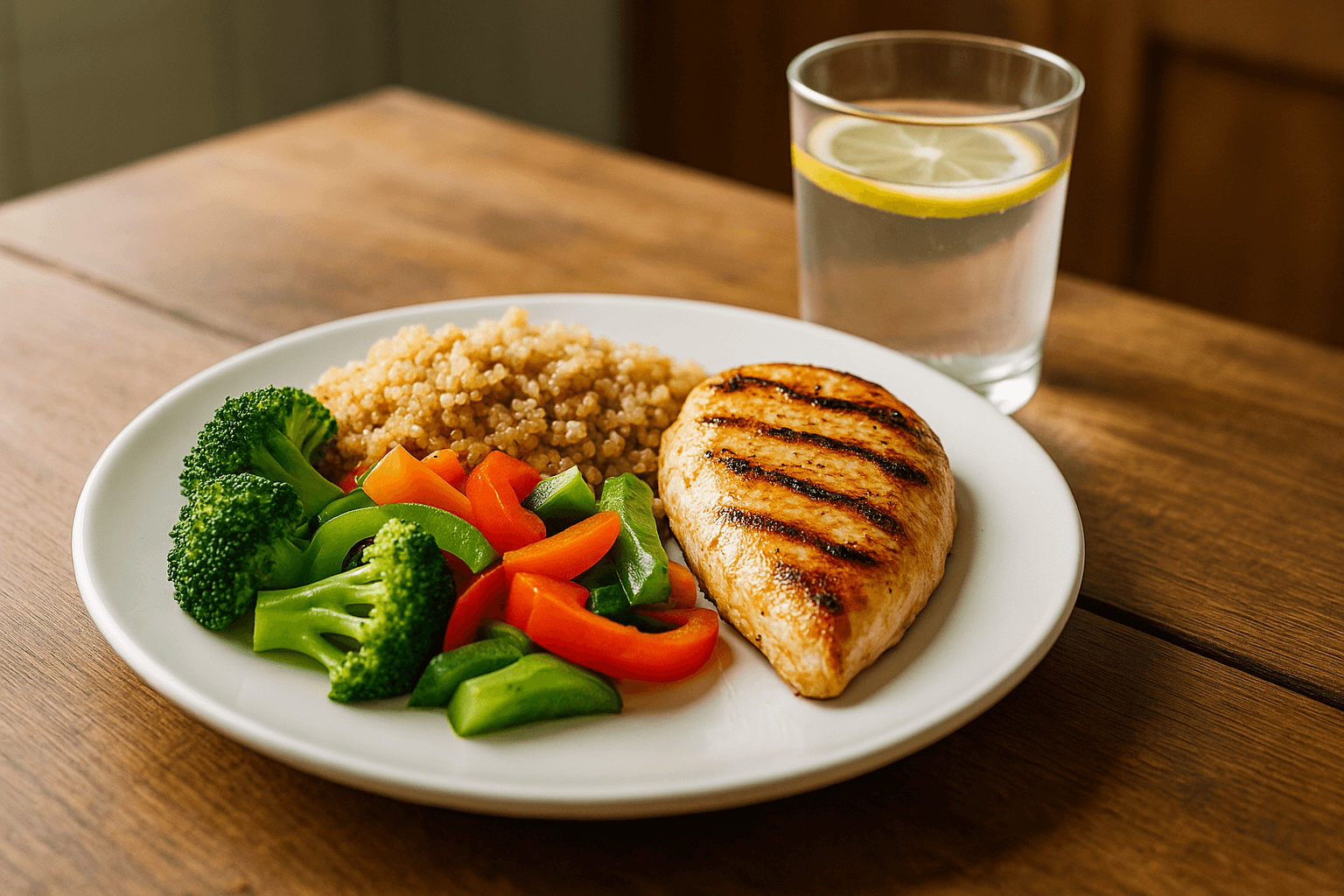
How to Build the 400 Calorie Meal You Need
Building a balanced 400-calorie meal requires combining 25–35 grams of lean protein, 30–45 grams of complex carbohydrates, 10–15 grams of healthy fats, and high-volume non-starchy vegetables. This structure stabilizes blood sugar, prom...
Building a balanced 400-calorie meal requires combining 25–35 grams of lean protein, 30–45 grams of complex carbohydrates, 10–15 grams of healthy fats, and high-volume non-starchy vegetables. This structure stabilizes blood sugar, promotes long-lasting satiety, and delivers essential micronutrients without exceeding your target daily energy budget.
Contents
Why the 400-Calorie Benchmark Works for Meal Planning
A 400-calorie meal serves as an optimal building block for nutritional management. Whether your goal is weight loss, weight maintenance, or metabolic efficiency, structuring meals around a 400-calorie target allows for predictable energy intake while preventing the sharp blood glucose spikes and subsequent crashes associated with unstructured eating.
For an individual consuming a standard daily allotment of 1,500 to 2,000 calories, three 400-calorie meals leave a 300-to-800-calorie buffer. This remaining budget easily accommodates targeted snacks, pre- or post-workout nutrition, or small dietary adjustments. Research published in the National Institutes of Health (NIH) PubMed database demonstrates that consistent caloric spacing supports stable ghrelin (the hunger hormone) levels, making adherence to energy-restricted diets significantly more manageable.
However, a 400-calorie meal is only as effective as its macronutrient quality. Consuming 400 calories of ultra-processed carbohydrates results in rapid digestion, minimal satiety, and renewed hunger within one to two hours. Conversely, a 400-calorie meal built around whole foods, dense protein, functional fiber, and dietary fats triggers gastrointestinal hormones like peptide YY (PYY) and glucagon-like peptide-1 (GLP-1), signaling genuine fullness to the brain for three to five hours.
Disclaimer: Individual daily caloric requirements vary based on age, sex, body composition, activity level, and medical history. Consult a registered dietitian or licensed medical professional before initiating significant dietary alterations.
The Core 400-Calorie Macro Formula
To craft a 400-calorie meal that satisfies physical hunger and supports metabolic health, follow a structured macronutrient breakdown. Relying on guesswork often leads to hidden calorie surpluses or nutrient deficiencies.
| Macronutrient Component | Target Amount | Energy |
|---|---|---|
| Lean Protein | 25g – 35g | 100 – 140 kcal |
| Complex Carbs | 30g – 45g | 120 – 180 kcal |
| Healthy Fats | 10g – 15g | 90 – 135 kcal |
| Non-Starchy Veggies | 2+ Cups | 25 – 50 kcal |
1. The Lean Protein Anchor (25g–35g / 100–140 Calories)
Protein is the primary driver of dietary satiety due to its high thermic effect of food (TEF). Body metabolizes approximately 20% to 30% of protein calories purely during the digestion process. Aiming for 25 to 35 grams of high-quality protein preserves lean muscle tissue during a calorie deficit and slows down gastric emptying.
2. Complex Carbohydrates & Dietary Fiber (30g–45g / 120–180 Calories)
Carbohydrates fuel brain function and replenish muscle glycogen. Focus on slow-digesting, high-fiber sources like oats, quinoa, brown rice, sweet potatoes, and legumes. Aim for at least 8 to 12 grams of dietary fiber per meal. Fiber adds physical volume in the stomach, delaying digestion without adding unneeded energy density.
3. Healthy Fats (10g–15g / 90–135 Calories)
Fat is essential for absorbing fat-soluble vitamins (A, D, E, and K) and regulating hormone production. Because dietary fat yields 9 calories per gram—more than double the 4 calories per gram found in protein and carbohydrates—portion measurement is critical. Stick to mono- and polyunsaturated sources such as extra virgin olive oil, avocados, nuts, and seeds.
4. Non-Starchy Vegetable Volume (2+ Cups / 25–50 Calories)
Non-starchy vegetables like spinach, kale, broccoli, cucumbers, bell peppers, and zucchini provide essential micronutrients and volume with minimal caloric impact. Filling half your plate with these items creates physical stomach distension, activating stretch receptors that signal fullness without pushing you over your 400-calorie limit.
Step-by-Step Guide to Assembling Your Meal
Building your 400-calorie meal does not require complex cooking skills. By using a systematic assembly process, you can create balanced plates in under 15 minutes.
Step 1: Weigh and Prepare Your Protein
Start with your primary protein source. Use a digital kitchen scale to measure raw or cooked portions accurately, as visual estimations often underestimate mass by 20% to 30%.
- Cooked Chicken or Turkey Breast: 3.5 to 4 ounces (~110–130 kcal, 28–31g protein)
- Wild-Caught Salmon or Tuna: 3 to 3.5 ounces (~120–140 kcal, 22–25g protein, contains healthy fats)
- Extra-Firm Tofu or Tempeh: 4.5 to 5.5 ounces (~120–140 kcal, 15–20g protein)
- Egg Whites + Whole Egg Combo: 1 whole egg + 4 large egg whites (~130 kcal, 20g protein)
Step 2: Select a High-Fiber Carbohydrate Base
Pair your protein with a unrefined complex carbohydrate source verified against standard nutritional databases like the USDA FoodData Central.
- Cooked Quinoa or Brown Rice: 1/2 cup (~110–120 kcal, 3g fiber)
- Cooked Sweet Potato: 4.5 ounces (~115 kcal, 3.5g fiber)
- Canned Black Beans or Chickpeas (Rinsed): 1/2 cup (~110–125 kcal, 6–8g fiber)
- Sprouted Whole-Grain Bread: 1 thick slice (~80–110 kcal, 3–5g fiber)
Step 3: Integrate Measured Healthy Fats
Add healthy fats deliberately. Using a liquid measuring spoon is essential, as an unmeasured drizzle of olive oil can easily add 150 unintended calories.
- Extra Virgin Olive Oil or Avocado Oil: 2 teaspoons (80 kcal, 9g fat)
- Fresh Avocado: 1.5 ounces / approximately 1/4 average fruit (70 kcal, 6.5g fat)
- Raw Almonds or Walnuts (Chopped): 0.5 ounces / about 12 almonds (80 kcal, 7g fat)
- Chia Seeds or Flaxseeds: 1.5 tablespoons (80 kcal, 5g fat, 4g fiber)
Step 4: Maximize Volume with Fresh or Roasted Produce
Fill the remainder of your bowl or plate with raw or cooked non-starchy vegetables.
- Raw Leafy Greens (Spinach, Arugula, Mixed Greens): 2 to 3 cups (~20–30 kcal)
- Steamed or Roasted Broccoli / Cauliflower: 1.5 cups (~40–50 kcal)
- Sliced Cucumbers, Tomatoes, and Radishes: 1.5 cups (~35 kcal)
Step 5: Season Without Calorie Creep
Enhance flavor using low- or zero-calorie condiments. Avoid commercial creamy dressings, barbecue sauces, and oil-based marinades, which often contain hidden sugars and fats.
- Recommended Enhancers: Apple cider vinegar, lemon juice, Dijon mustard, hot sauce, coconut aminos, garlic powder, smoked paprika, sea salt, and fresh herbs.
4 Savory 400-Calorie Meal Blueprints
These four practical meal plans fit a strict 400-calorie budget while keeping satiety high and preparation straightforward.
Mediterranean Chicken & Quinoa Plate
- Grilled Chicken Breast: 3.5 oz (130 kcal)
- Cooked Quinoa: 1/2 cup (111 kcal)
- Extra Virgin Olive Oil: 1.5 tsp (60 kcal)
- Chopped Cucumbers & Cherry Tomatoes: 1.5 cups (35 kcal)
- Crumble Feta Cheese: 1 tbsp (35 kcal)
- Total: ~371 kcal | Protein: 32g | Carbs: 27g | Fat: 14g | Fiber: 4g
Wild Salmon, Roasted Asparagus & Sweet Potato
- Baked Atlantic Salmon: 3.5 oz (145 kcal)
- Roasted Sweet Potato: 4 oz (100 kcal)
- Snap-Roasted Asparagus: 1.5 cups (40 kcal)
- Olive Oil Spray + Lemon Juice: 1 tsp oil equivalent (40 kcal)
- Total: ~325–385 kcal | Protein: 26g | Carbs: 28g | Fat: 14g | Fiber: 6g
High-Protein Plant-Based Tofu & Edamame Bowl
- Baked Press-Drained Firm Tofu: 4 oz (110 kcal)
- Shelled Edamame: 1/2 cup (100 kcal)
- Steamed Jasmine Brown Rice: 1/3 cup (70 kcal)
- Sesame Oil & Low-Sodium Tamari: 1 tsp oil (45 kcal)
- Shredded Cabbage, Carrots & Broccoli: 2 cups (50 kcal)
- Total: ~375 kcal | Protein: 25g | Carbs: 38g | Fat: 14g | Fiber: 9g
Turkey & Black Bean Fiber Power Wrap
- 93/7 Lean Ground Turkey: 3 oz (135 kcal)
- Low-Carb High-Fiber Whole Wheat Tortilla: 1 wrap (70 kcal)
- Rinsed Black Beans: 1/3 cup (75 kcal)
- Fresh Sliced Avocado: 1 oz (45 kcal)
- Salsa & Shredded Lettuce: 1/2 cup (25 kcal)
- Total: ~350 kcal | Protein: 31g | Carbs: 36g | Fat: 11g | Fiber: 14g
Comparing 400-Calorie Meal Profiles
The table below summarizes how different structural choices affect macronutrient ratios, total satiety levels, and prep requirements within a 400-calorie limit.
| Meal Style Blueprint | Primary Protein Source | Complex Carb Source | Healthy Fat Source | Est. Protein (g) | Est. Fiber (g) | Primary Satiety Index Rating | Prep Time |
|---|---|---|---|---|---|---|---|
| Lean Poultry & Grain | Chicken / Turkey Breast | Quinoa or Brown Rice | Olive Oil / Feta | 30g–35g | 4g–6g | Very High | 15 Mins |
| Fatty Fish & Root Veg | Wild Salmon / Mackerel | Roasted Sweet Potato | Native Fish Oils + Avocado Oil | 24g–28g | 5g–7g | High | 20 Mins |
| Plant-Power Tofu Bowl | Firm Tofu + Edamame | Steamed Brown Rice | Sesame Oil / Seeds | 23g–26g | 8g–11g | High | 15 Mins |
| Fiber Wrap / Taco Bowl | Extra-Lean Ground Beef / Turkey | Black Beans + Fiber Tortilla | Sliced Fresh Avocado | 28g–33g | 12g–15g | Exceptional | 10 Mins |
| Egg White Power Plate | Whole Eggs + Egg Whites | Sprouted Grain Toast | Sliced Avocado / Butter | 22g–26g | 5g–8g | Moderate-High | 8 Mins |
Common Calorie-Counting Pitfalls and How to Avoid Them
Even dedicated meal planners often struggle to hit their exact 400-calorie target due to common tracking errors. Avoiding these three mistakes helps preserve accuracy.
1. Liquid Calories and Cooking Oils
Cooking oils are the most frequent cause of untracked calories. Pouring oil directly into a hot skillet without measuring often adds two tablespoons instead of the intended teaspoon, introducing nearly 240 uncounted calories to your meal.
- Correction: Use a spray pump bottle (each one-second spray yields roughly 10 calories) or carefully measure oil with a teaspoon before cooking.
2. Estimating Portions Visually
Research consistently shows that humans underestimate food volume when judging by eye. A single nut butter portion logged as one tablespoon often measures closer to two tablespoons when weighed, doubling the calorie count from 95 to 190.
- Correction: Keep a digital kitchen scale on your counter. Weigh cooked proteins and complex carbs in grams for precise tracking.
3. Relying on High-Calorie Condiments
Bottled dressings, mayonnaise, honey mustard, and commercial marinades often contain added sugars and fats that can double a meal's total calories.
- Correction: Swap processed dressings for lemon juice, flavored vinegars, unsweetened Greek yogurt mixed with herbs, or mustard.
Frequently Asked Questions
Is a 400-calorie meal enough for lunch or dinner?
Yes, for many adults pursuing weight loss or structured calorie management, 400 calories is an ideal target for lunch or dinner. When built with high-volume vegetables, 30 grams of protein, and sufficient fiber, a 400-calorie meal provides three to five hours of satiety. Those with higher energy expenditure or athletic performance goals can scale portion sizes to 500–600 calories by increasing complex carbohydrate portions.
How many 400-calorie meals should I eat a day?
A standard framework for weight loss involves three 400-calorie meals per day (1,200 calories total), plus one or two 150-calorie high-protein snacks if required. However, total daily caloric needs depend on basal metabolic rate (BMR), physical activity, and medical factors. Use an established tool based on the Mifflin-St Jeor equation to calculate your personal total daily energy expenditure (TDEE).
Can I build a 400-calorie meal without meat?
Yes. Plant-based 400-calorie meals can be assembled using firm tofu, tempeh, edamame, seitan, lentils, or egg whites. Combine plant proteins with fiber-rich legumes and whole grains like quinoa to ensure a complete amino acid profile while keeping total calories strictly regulated.
How do I stay full on 400 calories if I have a large appetite?
Focus on high-volume, low-calorie-density foods. Fill half your plate with raw or steamed non-starchy vegetables like cabbage, broccoli, spinach, or zucchini. Additionally, ensure your meal hits at least 30 grams of protein and 10 grams of dietary fiber, and drink 16 ounces of water immediately before eating to promote satiety.
What is the best standard ratio of macronutrients for a 400-calorie meal?
A reliable general macronutrient distribution for weight management is 30% to 35% protein (30–35g), 35% to 40% carbohydrates (35–40g), and 25% to 30% healthy fats (11–13g). Adjust these ratios based on dietary preferences, such as lower-carbohydrate or plant-focused approaches.
Practical Action Plan for Consistent Results
To turn 400-calorie meal planning into a long-term habit, focus on preparation and consistency:
- Equip Your Kitchen: Purchase a digital food scale, a set of metal measuring spoons, and leak-proof glass meal-prep containers.
- Prep Core Proteins: Batch-cook lean proteins—such as skinless chicken breast, baked tofu, or lean ground turkey—twice a week to streamline assembly.
- Pre-Cut Vegetables: Wash, chop, and store non-starchy vegetables in advance so high-volume options are ready to add to your plate without extra effort.
- Log Before You Eat: Enter ingredients into a nutritional tracking application before cooking to verify your portion sizes meet the 400-calorie target.
Image Gallery