Ogvexx Net Worth Explained: Understanding Financial Transparency and Digital Valuations
The concept of an "Ogvexx net worth" refers to the analytical estimation of the financial assets, holdings, and intellectual property associated with the digital entity or brand known as Ogvexx. Because Ogvexx functions primarily as a...
The concept of an "Ogvexx net worth" refers to the analytical estimation of the financial assets, holdings, and intellectual property associated with the digital entity or brand known as Ogvexx. Because Ogvexx functions primarily as a decentralized digital ecosystem rather than a traditional publicly traded corporation, its valuation is derived from current market capitalization of associated assets, active user liquidity, and the fluctuating value of internal digital tokens or proprietary technological infrastructure.
Contents
Defining the Ogvexx Ecosystem
To understand the financial standing of Ogvexx, one must first distinguish between personal wealth and the valuation of a digital brand. In the current economic landscape of 2026, the term "net worth" when applied to digital-native entities rarely equates to a static bank balance. Instead, it encompasses a dynamic valuation model based on several key performance indicators (KPIs).
The primary components of the Ogvexx ecosystem include its proprietary software frameworks, its active user base engagement metrics, and its standing within relevant digital marketplaces. Unlike traditional companies that file audited financial statements with bodies like the SEC, Ogvexx operates on a model of transparency dictated by blockchain-enabled data or open-ledger accessibility. Evaluating this requires a multi-layered approach, examining liquid assets, recurring revenue streams from services, and the speculative value of its underlying technological intellectual property.
Components of Digital Valuation
Valuing an entity like Ogvexx in 2026 involves calculating the total market value of all controlled digital assets. This is fundamentally different from a retail or manufacturing firm, where valuation is largely based on tangible inventory and real estate.
- Active Protocol Liquidity: The total value of locked assets within the Ogvexx ecosystem serves as a baseline. This represents the confidence investors and users place in the system's ability to maintain operations.
- Intellectual Property (IP) and Patents: The software architecture, algorithms, and unique digital protocols developed under the Ogvexx banner constitute the most significant portion of its long-term valuation. In 2026, these are appraised based on their utility and the barriers to entry they create for competitors.
- Market Sentiment and Brand Equity: The "brand" of Ogvexx carries inherent value. This is calculated through a combination of social sentiment analysis, user retention rates, and the frequency of third-party integrations that utilize Ogvexx technology.
- Operating Capital: Any reserves held in stable digital assets or fiat equivalents intended for future development, legal compliance, and operational expansion.
The Methodology: How Net Worth is Estimated
Financial analysts specializing in digital assets generally reject the "Net Worth" terminology in favor of "Market Capitalization" or "Enterprise Value." However, for the sake of public interest, observers aggregate these figures to create a simplified snapshot.
The estimation process begins by identifying the public ledger address or the corporate shell associated with the entity. Analysts then subtract liabilities—such as outstanding development grants, server infrastructure costs, and legal or regulatory provision funds—from the total assets. The remaining figure provides a "book value." Because of the extreme volatility in the digital sector, this figure is rarely static, leading to variations in estimates across different financial trackers.
When evaluating these figures, it is essential to distinguish between Fully Diluted Valuation (FDV) and Circulating Market Cap. FDV assumes all tokens or shares that could ever exist are currently in circulation, which often leads to an inflated "net worth" figure. A more accurate reflection of current status relies on liquid, accessible capital.
| Valuation Metric | Description | Reliability in 2026 |
|---|---|---|
| Circulating Market Cap | Value of assets currently in active use | High |
| Fully Diluted Valuation | Total potential value at maximum supply | Moderate (Speculative) |
| Total Value Locked (TVL) | Capital committed to the protocol | High (Operational) |
| Brand Equity Premium | Intangible value based on reputation | Low (Subjective) |
Legal and Regulatory Context in 2026
In 2026, the regulatory environment regarding digital entities has matured significantly. Any attempt to define or audit the net worth of an entity like Ogvexx is now heavily influenced by global compliance standards. Regulatory bodies in key jurisdictions now require greater transparency regarding the ownership structures of decentralized protocols.
Investors looking to understand the financial backing of Ogvexx should be aware that the legal status of its assets may affect their transferability or liquidity. Entities that have proactively engaged with tax and securities regulators generally show higher stability in their valuation models, as they are less likely to face sudden, punitive fines or operational shutdowns that would decimate their net worth overnight.
Common Misconceptions
A frequent error in calculating the net worth of digital-first brands is the assumption that high traffic or high social media engagement translates directly into liquid net worth. Traffic is a metric of popularity, not profitability. An entity can have millions of users but remain "net worth negative" if its burn rate for infrastructure and development exceeds its revenue.
Another common mistake is conflating the personal net worth of the founders or primary developers with the net worth of the Ogvexx entity itself. These are legally and financially distinct. Unless a founder has a documented stake that is publicly traceable to the project's treasury, the entity's value should be evaluated entirely independently of its leadership team’s private wealth.
Practical Steps for Independent Verification
If you are attempting to verify the scale or valuation of Ogvexx for investment or research purposes, follow these logical steps:
- Access Primary Sources: Always check official documentation or the project's whitepaper, which usually outlines the economic model (tokenomics) and the distribution of assets.
- Use On-Chain Explorers: For any component of Ogvexx that exists on a blockchain, use public block explorers to view real-time liquidity and wallet holdings. This provides a "trustless" verification of assets.
- Audit Third-Party Reports: Compare estimates from multiple financial intelligence platforms. If one report significantly deviates from the others, examine their methodology to see if they are including speculative "potential" assets or only realized liquidity.
- Identify Liabilities: A high-value project with massive pending lawsuits or significant technical debt is worth significantly less than its gross assets suggest.
Frequently Asked Questions
Is Ogvexx a publicly traded company? No, Ogvexx is structured as a decentralized digital ecosystem. It does not trade on traditional stock exchanges like the NYSE or NASDAQ, meaning it does not have a "share price" in the conventional sense, nor are its financials subject to the same quarterly reporting requirements as public corporations.
Why does the net worth of Ogvexx change so frequently? The valuation fluctuates primarily due to market volatility. Because the entity's worth is tied to digital assets, even small changes in market demand or utility can cause significant shifts in the dollar-denominated value of those holdings.
Can I trust online calculators that provide an exact net worth for Ogvexx? You should treat these figures with extreme skepticism. Most automated "net worth" websites use generic algorithms that cannot account for the nuance of decentralized protocols, hidden liabilities, or off-chain assets. These numbers are often estimates or approximations rather than audited facts.
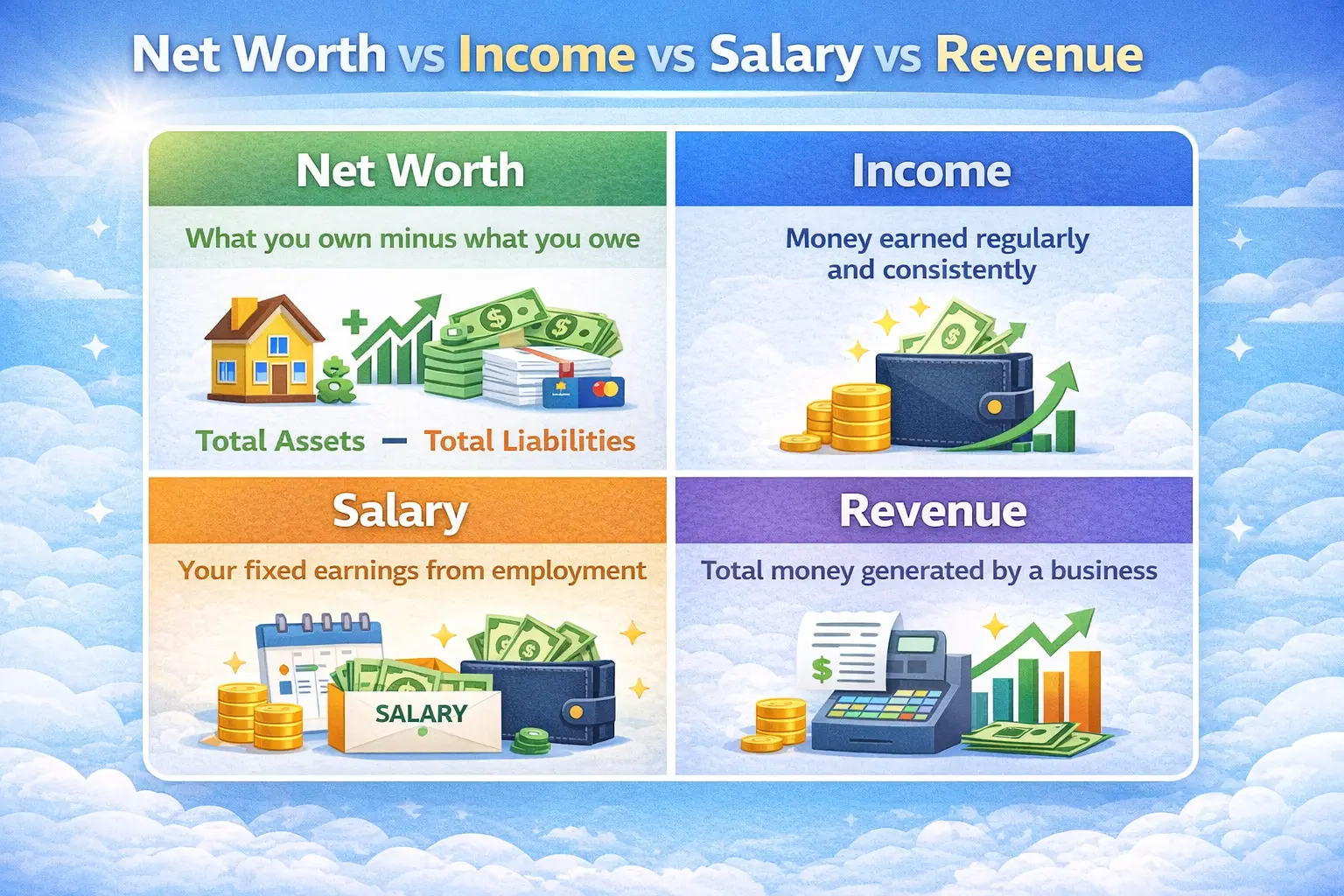
What is the difference between revenue and net worth for this entity? Revenue refers to the income generated through transaction fees, service subscriptions, or protocol usage. Net worth represents the total accumulated assets (cash, tech, holdings) minus the total debt. An entity can have high revenue but negative net worth if its operational costs are excessively high.
Where can I find official financial disclosures for Ogvexx? If the project provides them, they will be located in their official governance portal or a dedicated "Transparency" or "Treasury" section on their primary website. If no such section exists, the entity likely does not provide verified financial disclosures to the public.
Final Recommendation
For those looking to quantify the "Ogvexx net worth," prioritize data that is verifiable on-chain over subjective market commentary. Recognize that in the digital economy of 2026, agility and protocol utility often outpace raw liquid capital. If you are conducting due diligence, focus on the project's Total Value Locked (TVL) and documented development milestones rather than speculative net worth figures found on third-party aggregator sites. Always consult with a financial advisor before making decisions based on the valuation of speculative digital assets, as these investments carry significant risk of loss.
Image Gallery