Comprehensive Home Health Care Software Overview: Navigating Modern Care Solutions
Home health care software is a specialized digital ecosystem designed to manage clinical, administrative, and financial operations for agencies providing medical and non-medical care in patient residences. In 2026, these platforms func...
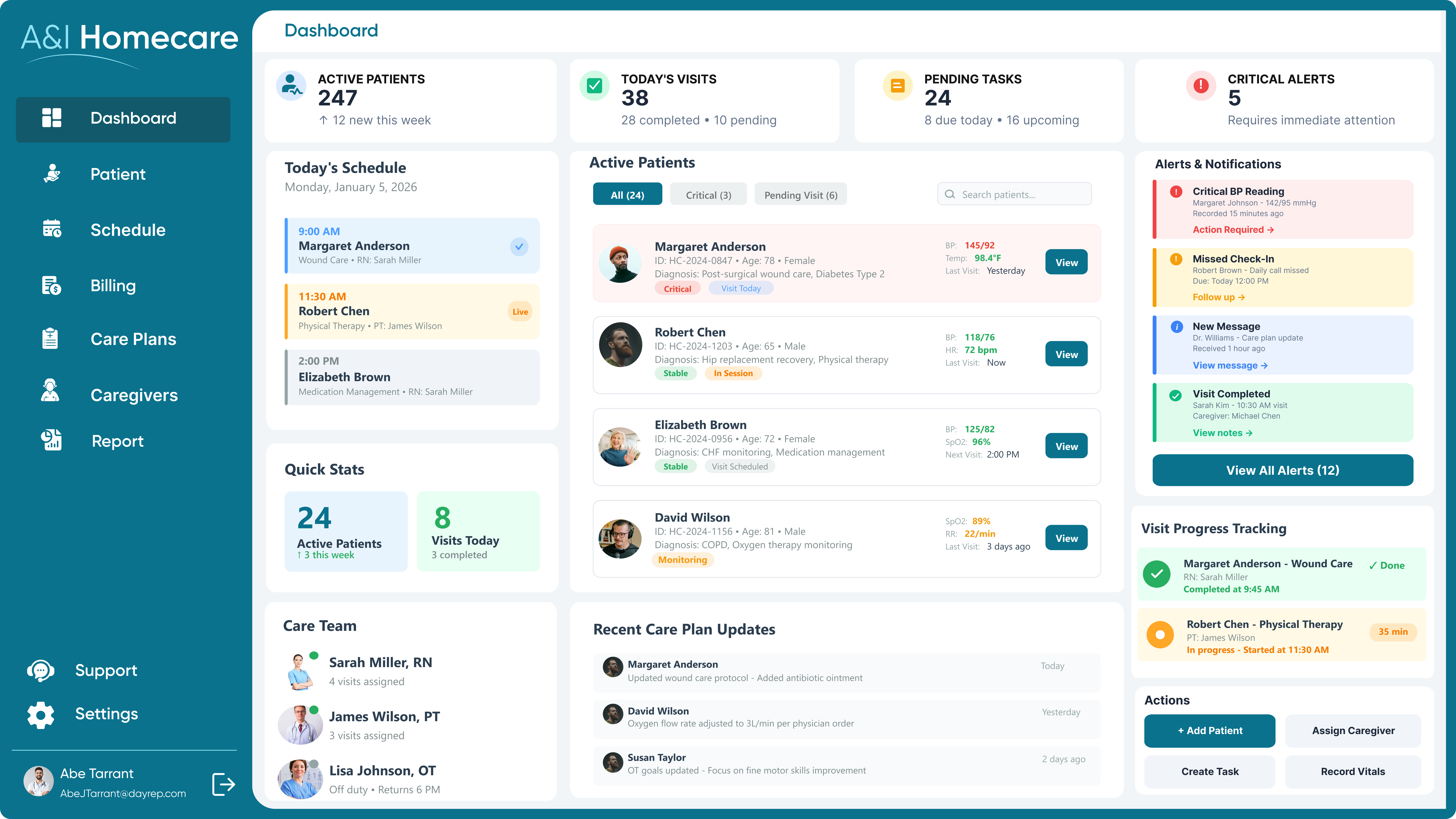
Home health care software is a specialized digital ecosystem designed to manage clinical, administrative, and financial operations for agencies providing medical and non-medical care in patient residences. In 2026, these platforms function as centralized hubs that integrate electronic health records (EHR), caregiver scheduling, billing, and real-time communication to ensure regulatory compliance and improve patient outcomes.
Contents
The evolution of home health care has moved rapidly from paper-based logs to sophisticated, cloud-native platforms. As the global population ages and the preference for "aging in place" grows, the demand for robust home health care software has reached an all-time high. These systems are no longer just optional tools for efficiency; they are the operational backbone required to survive in a landscape of complex regulatory mandates and tightening reimbursement cycles.
The Core Functional Pillars of Home Health Care Software
To understand how home health care software functions, one must look at the four primary pillars that support agency operations. Each pillar addresses a specific set of challenges inherent in managing a mobile workforce and a remote patient population.
Clinical Documentation and Electronic Health Records (EHR)
The heart of any home health platform is its clinical documentation engine. Unlike hospital-based EHRs, home health versions must be optimized for mobility and intermittent connectivity. In 2026, these systems utilize point-of-care documentation, allowing nurses and therapists to input data directly into tablets or smartphones while at the patient's bedside.
Effective software ensures that documentation is compliant with the Outcome and Assessment Information Set (OASIS), which is critical for Medicare-certified agencies. By using logic-based forms, the software can flag inconsistencies or missing data in real-time, significantly reducing the "back-and-forth" between clinical managers and field staff. This accuracy is paramount for maintaining the quality of care and securing appropriate reimbursement.
Scheduling and Workforce Management
Managing a fleet of caregivers, each with different skill sets, geographic locations, and availability, is a logistical hurdle. Modern software uses intelligent algorithms to match the right clinician with the right patient based on proximity, certification level, and patient preference.
In 2026, advanced scheduling modules also incorporate traffic data and route optimization to minimize travel time and fuel costs. These systems allow for "drag-and-drop" scheduling, where administrators can see real-time gaps in coverage and push open visits to available staff via mobile notifications.
Billing and Revenue Cycle Management (RCM)
The financial health of an agency depends on its ability to navigate a maze of payers, including Medicare, Medicaid, private insurance, and "private pay" clients. Home health care software automates the conversion of clinical notes into billable claims.
These platforms are programmed with the latest HCPCS and CPT codes, and they include "claim scrubbers" that check for errors before submission. This automation reduces Days Sales Outstanding (DSO) and lowers the rate of claim denials. Furthermore, the integration of electronic remittance advice (ERA) allows agencies to automatically post payments and identify underpayments immediately.
Electronic Visit Verification (EVV)
Following the mandates established by the 21st Century Cures Act, Electronic Visit Verification has become a non-negotiable feature. EVV uses GPS and time-stamping to verify that a caregiver was physically present at the patient’s home during the scheduled time.
In 2026, EVV is seamlessly integrated into the caregiver’s mobile app. It captures the date, time, location, type of service, and the identity of both the patient and the provider. Failure to utilize a compliant EVV system can lead to immediate payment withholding from state Medicaid programs.
Key Technical Specifications and Requirements
Selecting a software provider requires a deep dive into the technical architecture of the platform. Agencies must ensure that the software can handle the specific load and security requirements of the healthcare industry.
| Feature Category | Technical Requirement | Importance Level |
|---|---|---|
| Data Security | HIPAA/HITECH Compliance, AES-256 Encryption | Critical |
| Connectivity | Offline Mode with Auto-Sync capabilities | High |
| Interoperability | HL7 and FHIR Standard Support | High |
| Platform Access | Native Mobile App (iOS/Android) & Web Browser | High |
| Reporting | Real-time Dashboard with Custom KPI Filters | Medium |
| Storage | Cloud-based SaaS with redundancy backups | Critical |
Interoperability and the FHIR Standard
As we move further into 2026, the ability of home health software to "talk" to other systems—such as hospital discharge software or primary care physician portals—is vital. Most leading platforms now support the Fast Healthcare Interoperability Resources (FHIR) standard. This allows for the seamless transfer of patient data, ensuring that when a patient moves from a hospital to their home, their medication lists, surgical history, and care plans are instantly available to the home health team.
Mobile-First Design and Offline Functionality
Because home health care often occurs in rural areas or "dead zones" where cellular service is unreliable, the software must possess robust offline functionality. Caregivers must be able to complete their documentation without an active internet connection. Once the device re-enters a service area, the software should automatically synchronize the data to the central server without risking data loss or duplication.
Navigating the Regulatory and Compliance Landscape
Compliance is perhaps the most significant driver for software adoption in the home health sector. The regulatory environment is characterized by frequent updates to coding standards, privacy laws, and reimbursement models.
HIPAA and Data Privacy
All home health care software must adhere to the Health Insurance Portability and Accountability Act (HIPAA). This involves not only encrypting data at rest and in transit but also maintaining strict access controls. Administrative users should be able to define roles, ensuring that a scheduler, for instance, cannot access a patient’s full clinical history unless it is necessary for their job function. In 2026, multi-factor authentication (MFA) and biometric logins have become standard security measures for these platforms.
Medicare and Value-Based Purchasing (VBP)
Medicare has shifted heavily toward Value-Based Purchasing, where agencies are rewarded or penalized based on the quality of care rather than just the volume of services. Sophisticated software provides real-time "quality scores" and analytics. It tracks metrics like hospital readmission rates and patient satisfaction (HHCAHPS) scores. By monitoring these KPIs within the software, agencies can intervene early if their performance starts to dip, protecting their bottom line.
Cost Considerations and Pricing Models
The cost of home health care software can vary significantly based on the size of the agency and the depth of features required. Most vendors in 2026 utilize a Software-as-a-Service (SaaS) model.
- Per-Visit Pricing: Some vendors charge a flat fee for every visit completed in the system. This is often preferred by smaller agencies or those with fluctuating census numbers.
- Per-User/Per-Clinician Pricing: This involves a monthly fee for every active staff member using the system.
- Tiered Subscription: A flat monthly fee based on the agency's average patient census (e.g., 0-50 patients, 51-200 patients).
- Implementation Fees: Almost all providers charge an upfront fee for data migration, staff training, and system configuration. These can range from a few thousand dollars to tens of thousands for large, multi-state organizations.
Common Pitfalls in Software Implementation
Even the best software can fail if the implementation process is mishandled. One common mistake is failing to account for the "learning curve" of field staff. Many home health clinicians are experienced in patient care but may struggle with complex digital interfaces.
Another pitfall is poor data migration. Moving years of patient records from an old system to a new one requires meticulous mapping to ensure that clinical histories remain intact. Agencies should look for vendors that provide dedicated implementation specialists and ongoing 24/7 technical support.
The Role of Artificial Intelligence in 2026
By 2026, Artificial Intelligence (AI) has moved from an experimental feature to a core component of home health software. AI is now used for:
- Predictive Analytics: Identifying patients at high risk for falls or emergency room visits by analyzing subtle changes in their daily documentation.
- Speech-to-Text Documentation: Allowing nurses to dictate notes, which the AI then parses into structured clinical data.
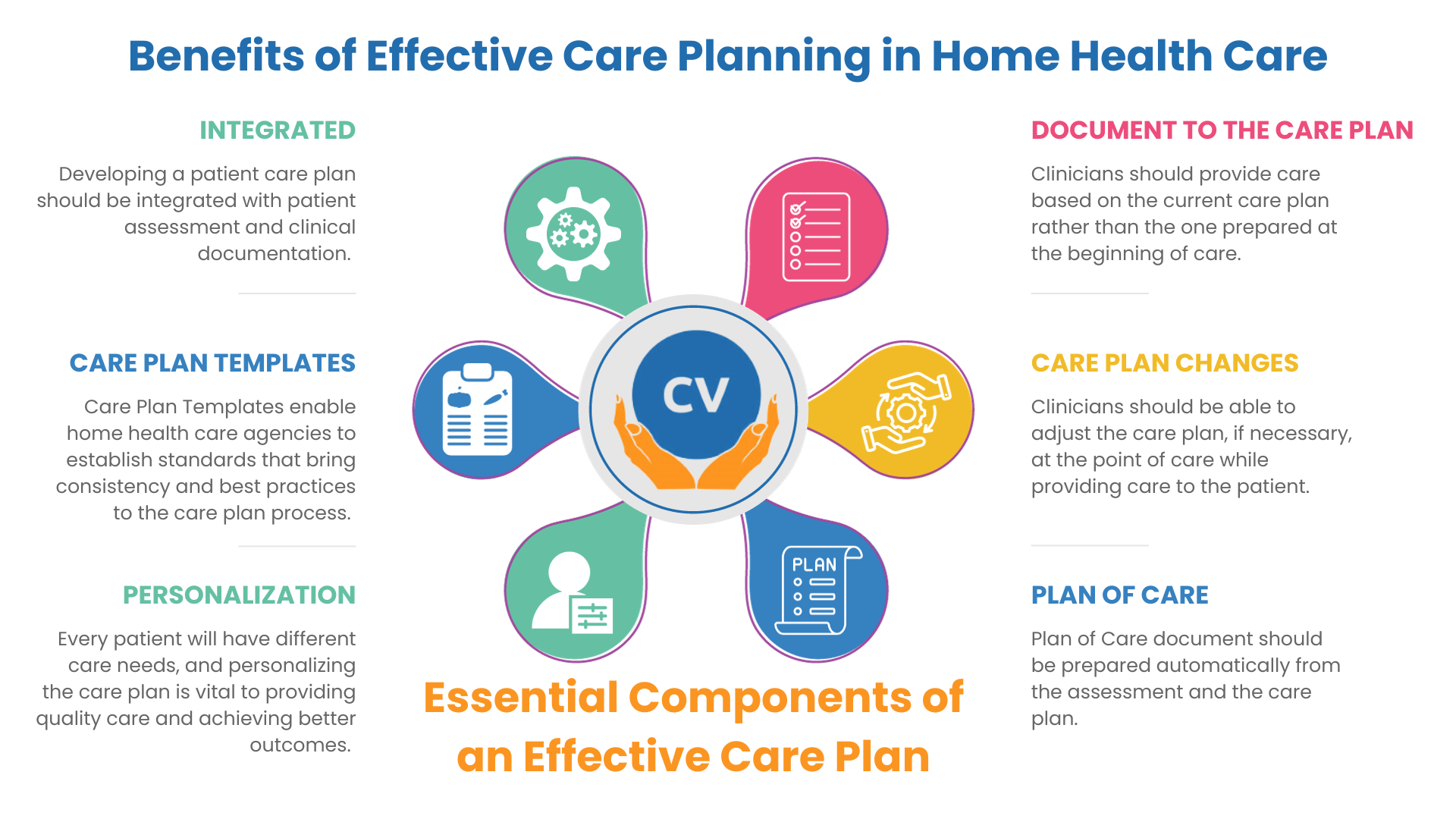
- Optimization of Care Plans: Suggesting adjustments to care frequency based on the patient’s historical recovery rate and similar demographic data.
Frequently Asked Questions
Is home health care software different from hospice software?
While they share many features, such as scheduling and billing, hospice software includes specific modules for bereavement support, spiritual care, and volunteer tracking. Many vendors offer "all-in-one" platforms that handle both, but the clinical documentation requirements for hospice are distinct from traditional home health.
How long does it take to implement a new software system?
For a medium-sized agency, a full implementation typically takes between 60 to 90 days. This includes data migration, setting up billing configurations, and conducting several rounds of staff training.
Does the software work on both iPads and Android tablets?
Most modern platforms are "device agnostic," meaning they work through a web browser or a native app available on both the Apple App Store and Google Play Store. It is essential to verify the specific hardware requirements with the vendor before purchasing devices for your staff.
Can the software help with audits?
Yes. Quality software creates a digital "paper trail" for every action taken. If an agency is audited by the CMS or a private payer, the software can generate comprehensive reports showing that all visits were verified via EVV and all clinical notes were signed and dated appropriately.
How does the software handle Remote Patient Monitoring (RPM)?
In 2026, many home health platforms integrate directly with RPM devices (like Bluetooth scales or blood pressure cuffs). The data from these devices flows directly into the patient’s chart, alerting the clinical team if a reading falls outside of the prescribed range.
Strategic Recommendation
For agencies looking to upgrade or implement new software in 2026, the priority should be interoperability and mobile usability. As the healthcare industry becomes more integrated, a platform that cannot easily exchange data with hospitals and physicians will quickly become a liability. Agencies should request a "proof of concept" or a trial period to test the mobile app in the field, ensuring that clinicians find the interface intuitive and that the offline sync capabilities are reliable.
Professional Advice Limitation: This overview is for informational purposes only and does not constitute legal, financial, or clinical advice. Home health regulations vary significantly by jurisdiction and payer source. Agencies should consult with legal counsel and certified healthcare consultants to ensure their software choices meet specific state and federal mandates.
Image Gallery