Understanding the Meaning of Rx in Medical Prescriptions
The symbol "Rx" is the standard medical shorthand for a prescription or a pharmaceutical recommendation. Originating from the Latin word "recipe," which means "take," it serves as a formal instruction from a licensed healthcare provide...
The symbol "Rx" is the standard medical shorthand for a prescription or a pharmaceutical recommendation. Originating from the Latin word "recipe," which means "take," it serves as a formal instruction from a licensed healthcare provider to a pharmacist, authorizing the dispensing of a specific medication or treatment plan for a patient.
Contents
The Historical and Etymological Origins of Rx
To understand why "Rx" is used on modern medical documents, one must look back to ancient practice. The most widely accepted historical theory is that the symbol is derived from the Latin imperative recipe, meaning "to take." In early medicine, physicians wrote recipe at the top of their instructions, followed by the list of ingredients and quantities required for a compound medication.
Another theory, though often debated by philologists, suggests that the "x" in Rx represents the symbol of Jupiter (J or 4), which was historically invoked by ancient physicians to bless the medicine and ensure it would be effective for the patient. Regardless of the mythological connection, the usage became standardized in the Western world as a shorthand symbol used by practitioners to signal that the text following the symbol constitutes a legal order for medication. Over centuries, the vertical stroke was added to the "R" to differentiate it from other markings, creating the ligature we recognize today as the universal symbol for pharmacy and prescribing.
The Function of Rx in Modern Clinical Practice
In the current healthcare environment, the "Rx" symbol functions as more than just a label. It acts as an authentication mark that distinguishes a legal medical prescription from an over-the-counter (OTC) recommendation or a general health note. When a healthcare professional places the Rx symbol at the top of a prescription pad—or selects the electronic equivalent in an EMR (Electronic Medical Record) system—they are exercising their professional licensure to authorize the provision of a controlled or non-controlled substance.
For the pharmacist, the presence of an Rx order triggers a series of professional responsibilities:
- Verification: The pharmacist must confirm the identity of the prescriber and ensure the prescription is legitimate.
- Clinical Review: The pharmacist checks for potential drug interactions, contraindications based on the patient's history, and appropriateness of the dosage.
- Legal Compliance: The pharmacist ensures that the prescription meets state and federal requirements regarding controlled substances, refills, and expiration dates.
Breaking Down a Formal Prescription Order
A prescription is a structured document that follows specific formatting standards to ensure safety and accuracy. While the appearance may vary depending on whether the prescription is hand-written or digitally transmitted, the essential components remain constant.
| Component | Description | Purpose |
|---|---|---|
| Superscription | The "Rx" symbol | Initiates the order. |
| Inscription | Name and strength of the drug | Identifies the medication to be dispensed. |
| Subscription | Directions to the pharmacist | Specifies quantity or formulation instructions. |
| Signatura (Sig) | Directions for the patient | Instructions on how and when to take the drug. |
| Refill Info | Authorized number of renewals | Limits the duration of the current order. |
Superscription (The Header)
The superscription is where the "Rx" sits. It is the formal opening of the document. If this symbol is absent, or if the form is not an official medical document, the pharmacist cannot legally treat it as a prescription for a restricted substance.
Inscription and Subscription
The inscription defines what is being prescribed. It includes the drug’s generic or brand name, the dosage form (e.g., tablet, capsule, liquid), and the concentration (e.g., 50mg, 10mg/mL). The subscription part provides the pharmacist with instructions on how to prepare the medication, such as "dispense 30 tablets" or "provide as a cream."
Signatura (Sig)
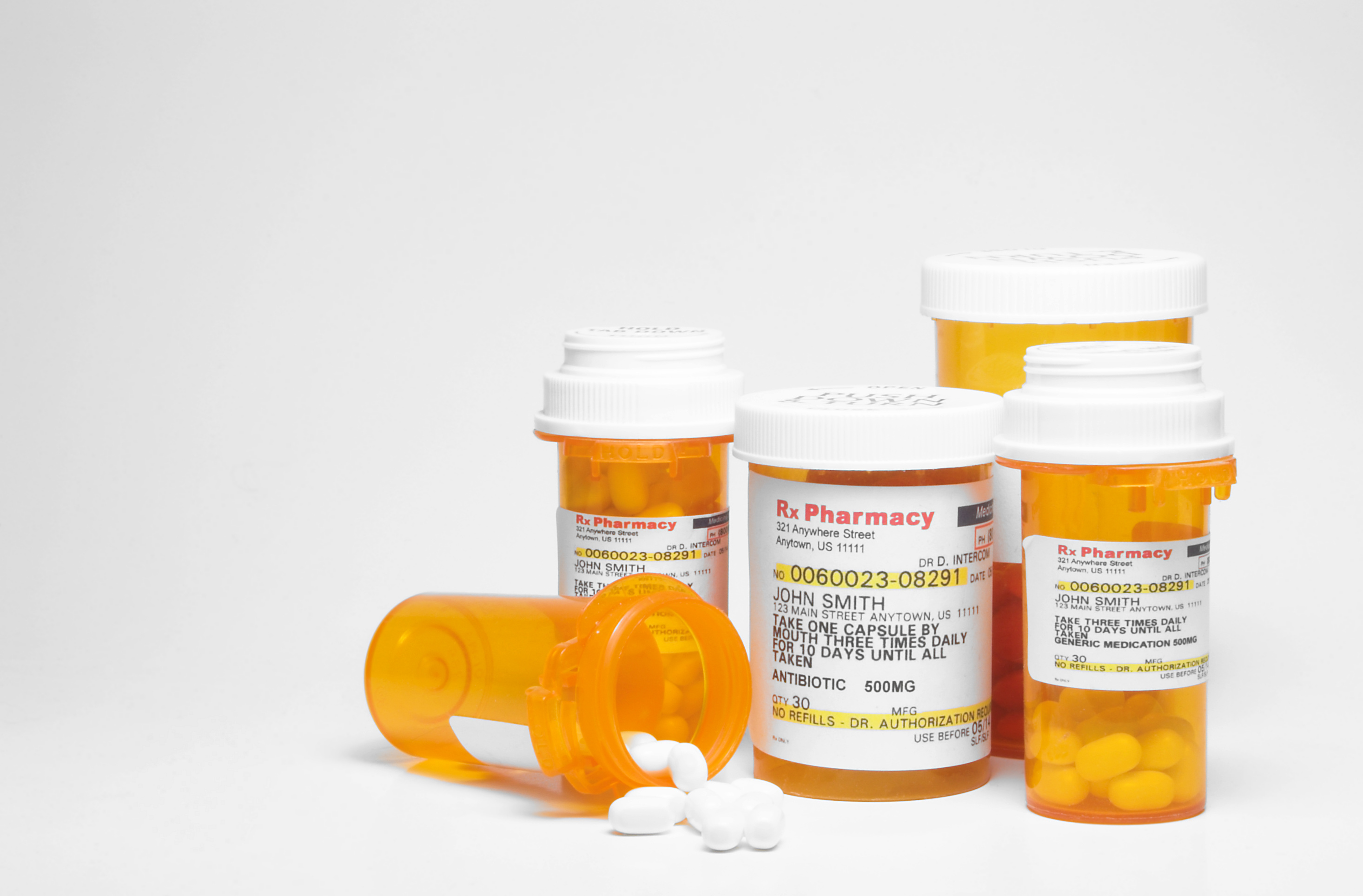
The "Sig" section is what the patient reads on their bottle. It uses standardized abbreviations—often derived from Latin—to instruct the patient. For example, qd means "every day," while bid means "twice a day." In 2026, many healthcare systems are moving toward full-English instructions to minimize the risk of misinterpretation by patients.
Differences Between Rx and Over-the-Counter (OTC) Products
It is critical for patients to distinguish between medications that require an Rx and those that are available over the counter. Rx medications are those that the FDA (or relevant national regulator) has determined are not safe for unsupervised use. These drugs require a diagnosis and ongoing monitoring by a licensed professional to manage potential side effects and dosing requirements.
Conversely, OTC products are deemed safe for general use without a prescription if the patient follows the instructions on the packaging. The existence of the Rx symbol is the primary indicator that a substance is restricted. Attempting to acquire an Rx-only medication without a valid order from a licensed provider is illegal and carries significant health risks, as it bypasses the clinical screening process necessary to ensure the drug is appropriate for the individual's specific health profile.
Common Abbreviations Often Found Near the Rx Symbol
Beyond the symbol itself, prescriptions are filled with medical shorthand that can be confusing to those outside the field. Understanding these helps patients engage more actively with their treatment plans.
- PRN: Pro re nata, meaning "as needed." This is common for pain relief or anxiety medications.
- AC/PC: Ante cibum (before food) or post cibum (after food). These instructions are vital for drugs that require a certain stomach pH for proper absorption.
- DAW: "Dispense as Written." This instructs the pharmacist that they cannot substitute the prescribed brand-name drug with a generic equivalent.
- STAT: Statim, meaning "immediately." This indicates a high-priority prescription that needs to be filled as quickly as possible.
Electronic Prescribing (e-Prescribing) and the Digital Future
As of 2026, the traditional paper prescription pad is becoming less common in many developed healthcare systems, replaced by electronic prescribing. In an e-prescribing workflow, the doctor enters the order into their computer, which is then encrypted and sent directly to the patient's pharmacy of choice.
Even in this digital environment, the concept of "Rx" remains the underlying functional logic. The software interface typically displays an "Rx" icon to denote the beginning of the prescription module. This transition has significantly reduced medication errors caused by handwriting legibility issues, a long-standing challenge in clinical settings. Furthermore, electronic systems automatically check for drug-to-drug interactions in real-time, adding a layer of digital safety that paper prescriptions cannot match.
Frequently Asked Questions (FAQ)
Does Rx always mean a pharmaceutical drug? No. While Rx usually refers to medication, it can also be used by providers to "prescribe" non-pharmacological interventions, such as physical therapy, specific diagnostic tests (like an MRI), or therapeutic dietary changes. In these cases, the "Rx" serves as an official referral document.
Can a pharmacist change an Rx order? Generally, no, unless the pharmacist has a collaborative practice agreement with the physician. A pharmacist cannot change the medication, dosage, or frequency without consulting the prescribing provider, except for minor adjustments like switching to an identical generic medication, if permitted by state or regional law.
What should I do if my Rx contains a mistake? If you notice an error in the instructions or the dosage of your medication, do not take the medication. Contact your pharmacist immediately. They are the final line of defense and can contact the doctor to verify the intent of the prescription.
Does an Rx ever expire? Yes. Every prescription has an expiration date, which varies based on the type of medication and regional laws. For controlled substances, the expiration period is often much shorter than for routine maintenance medications. Always check the expiration date printed on the prescription label.
Is there a difference between Rx and OTC pricing? Yes. Rx medications are usually managed through health insurance plans and may require a co-payment. OTC products are typically paid out-of-pocket, although some insurance plans may cover certain OTC items if a provider writes an Rx for them, effectively turning the OTC product into a reimbursable expense.
Final Next Steps for Patients
If you have received a paper prescription, review it for clarity before leaving the provider's office. Ensure that the drug name, the dosage, and the instructions for use are legible. If your prescription is being sent electronically, verify with your pharmacy that they have received the transmission before you arrive for pickup. If you are ever unsure about the contents of your prescription or the instructions provided, reach out to your pharmacist or your healthcare provider’s office to clarify the order before beginning your medication regimen.
Image Gallery