Navigating the Modernized Newark Liberty International Airport Terminal B
Newark Liberty International Airport (EWR) Terminal B serves as a critical junction for international and domestic travel, currently operating under a framework of ongoing optimization and phased terminal-wide infrastructure upgrades....
Newark Liberty International Airport (EWR) Terminal B serves as a critical junction for international and domestic travel, currently operating under a framework of ongoing optimization and phased terminal-wide infrastructure upgrades. While Terminal A has seen the most dramatic recent transformation, Terminal B remains a high-traffic facility requiring strategic planning from travelers regarding security, ground transport, and airline gate logistics.
Contents
Understanding the Role of Terminal B in the EWR Master Plan
Newark Liberty International Airport is currently undergoing a multi-year redevelopment program managed by the Port Authority of New York and New Jersey. While much of the recent public focus has centered on the state-of-the-art Terminal A, Terminal B functions as a vital, high-capacity facility for numerous international carriers and specific domestic airline operations.
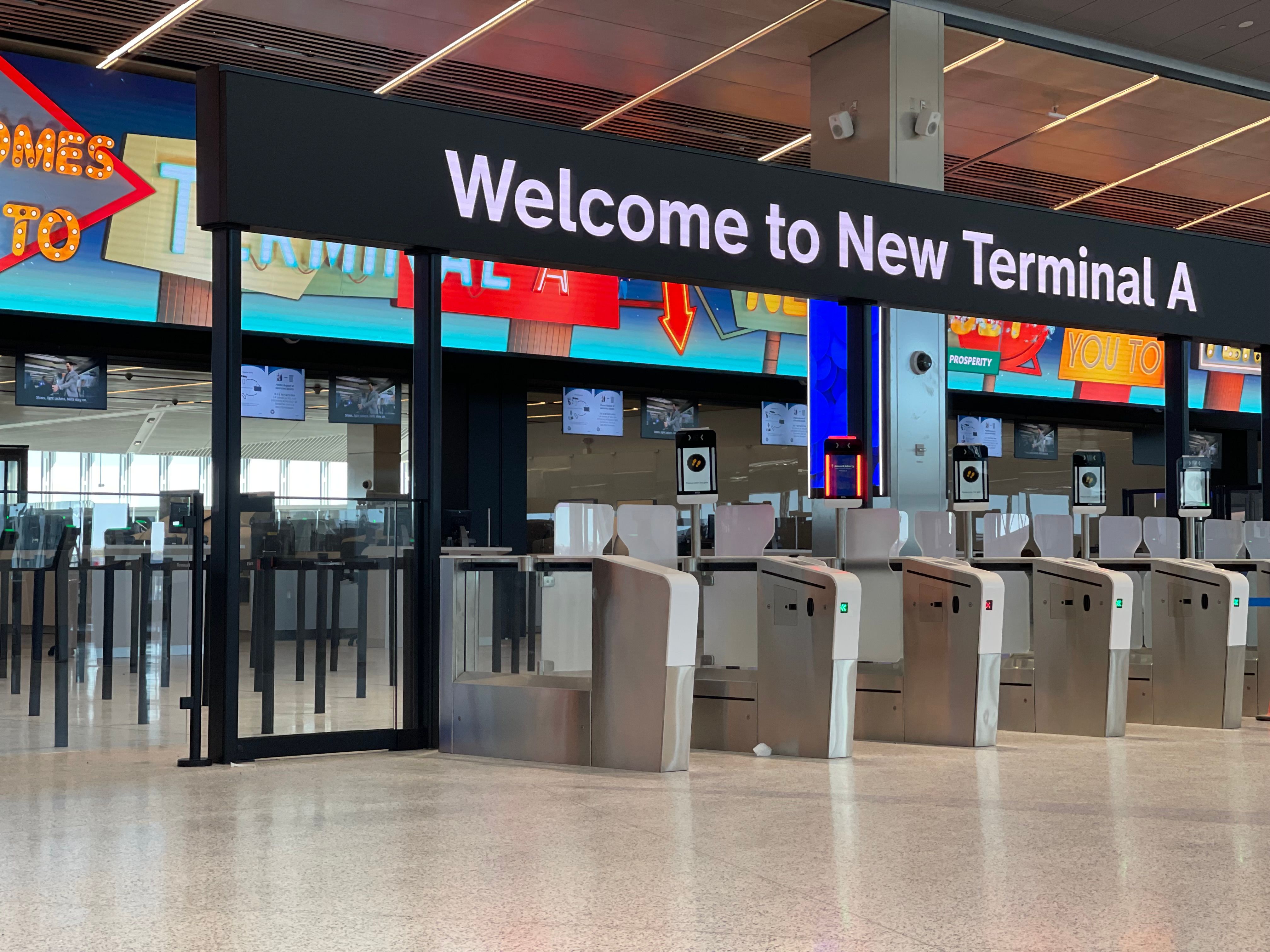
The term "Newark new terminal B" often refers to the anticipated modernization efforts rather than an entirely new structure. Unlike the ground-up construction of Terminal A, the current strategy for Terminal B involves targeted interior renovations, improved passenger flow systems, and upgraded amenities designed to increase capacity and comfort. Travelers should view Terminal B not as a brand-new facility, but as a transitional environment where legacy infrastructure is being integrated with 21st-century service standards.
Operational Structure and Airline Distribution
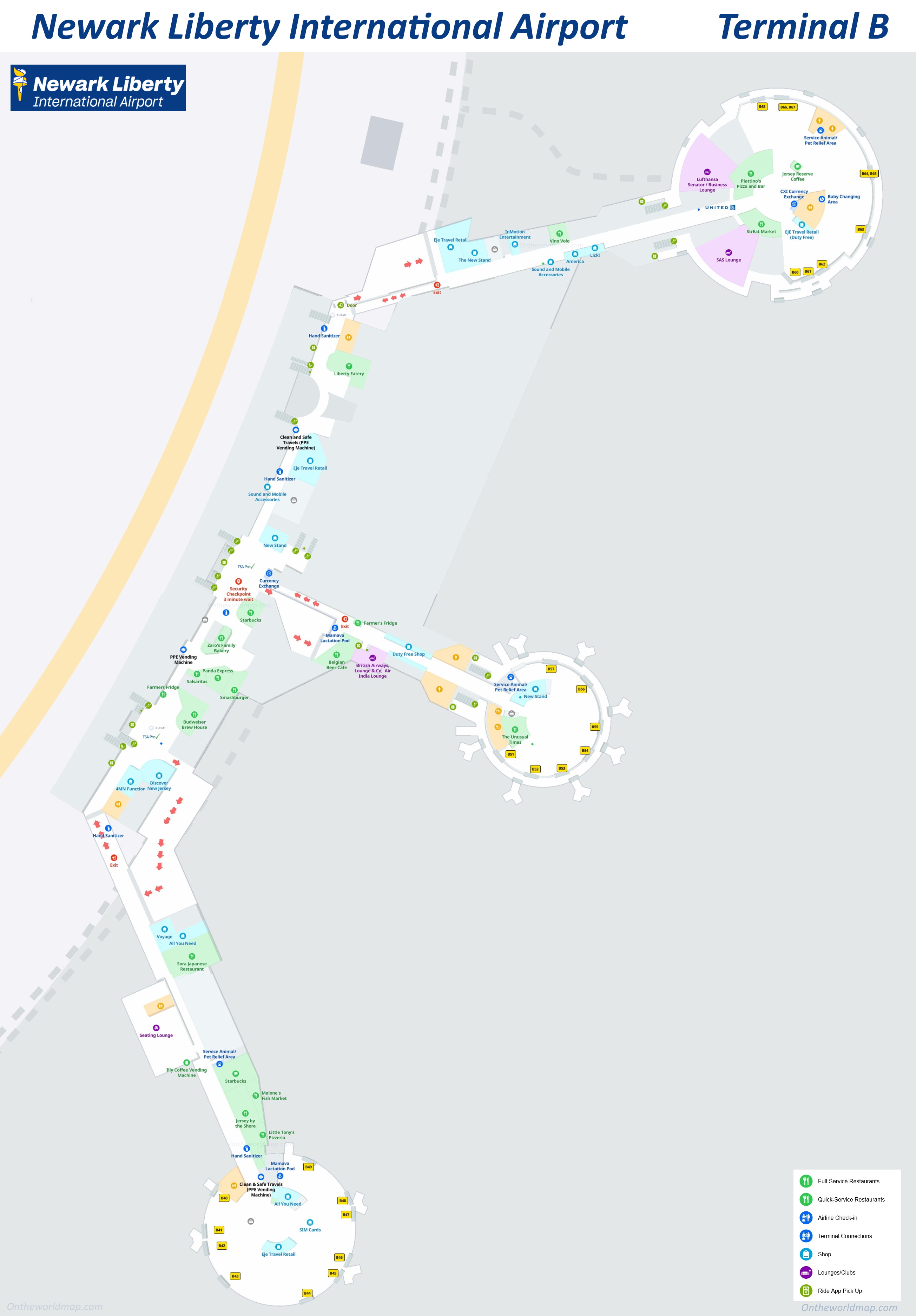
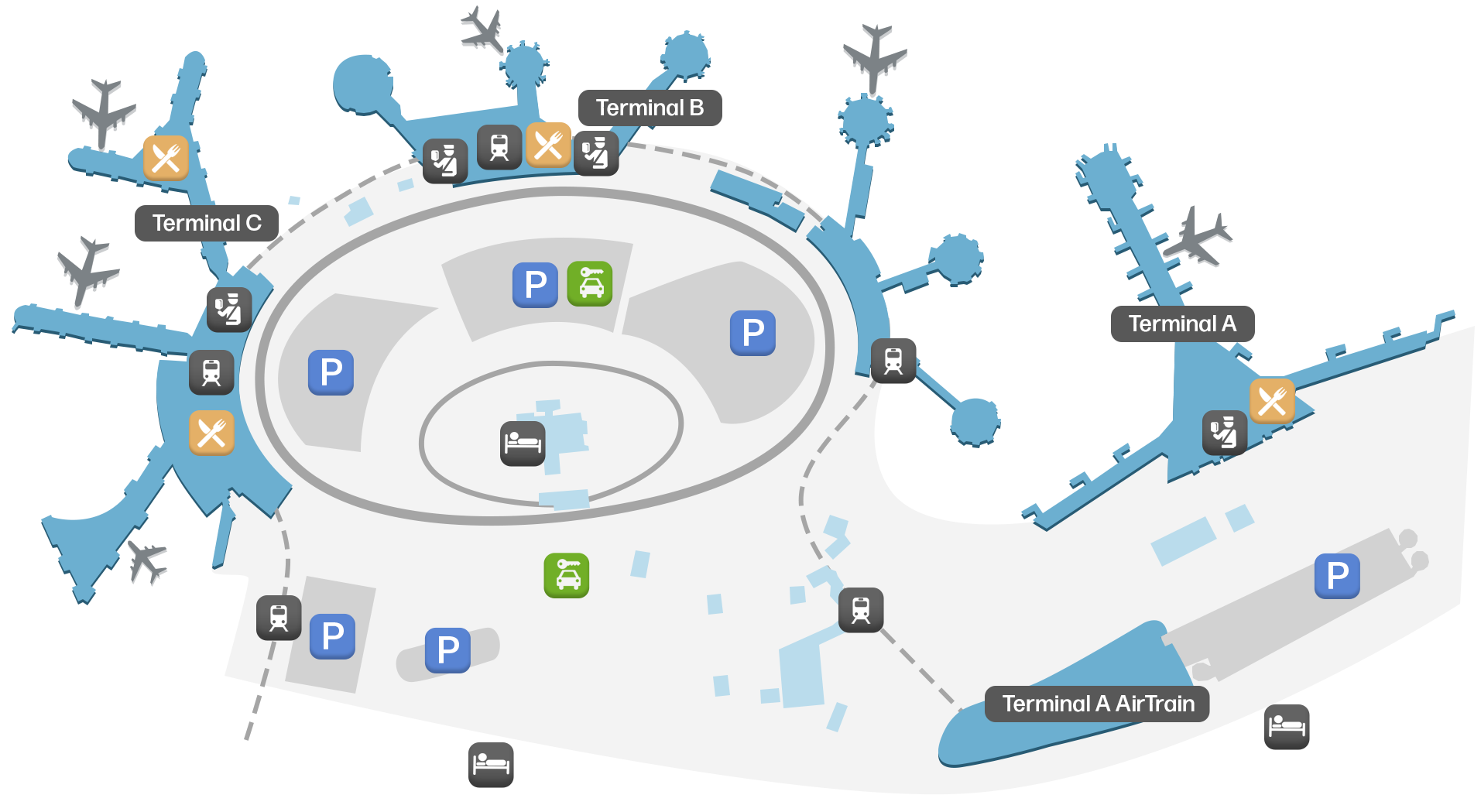
Terminal B is divided into three distinct concourses: B1, B2, and B3. Each concourse operates semi-independently, and it is crucial for passengers to verify their specific concourse before arriving at the airport.
- Concourse B1: Primarily services various international carriers.
- Concourse B2: Frequently handles international arrivals and a mix of full-service legacy carriers.
- Concourse B3: Often dedicated to long-haul international flights and domestic arrivals.
Because international arrivals are processed through customs and border protection facilities located within Terminal B, passengers arriving from abroad should expect longer wait times during peak processing hours. Unlike domestic terminals, the layout here is strictly governed by federal security requirements, meaning that moving between concourses once inside the secure area is restricted.
Navigating Security and Check-in Protocols
The security checkpoints in Terminal B are located at each concourse entrance. As of 2026, the Port Authority utilizes advanced screening technologies, but efficiency remains subject to seasonal travel spikes.
Practical Steps for a Smooth Departure:
- Advance Verification: Confirm your specific concourse (B1, B2, or B3) via your airline’s mobile application 24 hours before your flight.
- TSA PreCheck Availability: Ensure your Known Traveler Number is attached to your reservation. While PreCheck is available in Terminal B, the lanes may not be open at all hours for every concourse.
- Arrival Timing: For international departures from Terminal B, the standard recommendation remains arriving at the terminal at least three hours before the scheduled departure time.
- Electronic Boarding Passes: While digital passes are standard, having a backup physical copy or an offline version of your itinerary is recommended, as signal strength can occasionally vary in older sections of the terminal.
Ground Transportation and Inter-Terminal Connectivity
One of the most frequent points of confusion for travelers is the transition between terminals. If your flight arrives in Terminal B but your ground transportation or connecting flight requires a transfer, the AirTrain remains the primary solution.
The AirTrain Newark is a free, elevated rail system that connects all terminals, parking lots, and the NJ Transit/Amtrak rail station. To move from Terminal B to other locations:
- Follow Signs: Look for the "AirTrain" signage immediately upon exiting the secure arrival area.
- Frequency: The system operates 24/7, with frequency increasing during peak travel periods.
- Connecting Flights: If you are connecting from a flight that landed in Terminal A or Terminal C to a flight departing from Terminal B, you must exit the secure area, board the AirTrain, and pass through security again at your destination concourse.
Comparison of Passenger Services
The following table provides a high-level comparison between the operational realities of Terminal B and the newly constructed Terminal A, helping travelers manage expectations regarding amenities.
| Service Feature | Terminal B (Modernized Legacy) | Terminal A (New Construction) |
|---|---|---|
| Facility Age | Original Structure (Renovated) | Built 2023 |
| Gate Layout | Multi-Concourse (B1, B2, B3) | Integrated Single Facility |
| Dining Options | Diverse / Local-Focused | Modern / High-Throughput |
| Security Access | Concourse-Specific | Centralized |
| Customs/Immigration | On-site International Arrivals | Limited International Processing |
Common Traveler Challenges and Troubleshooting
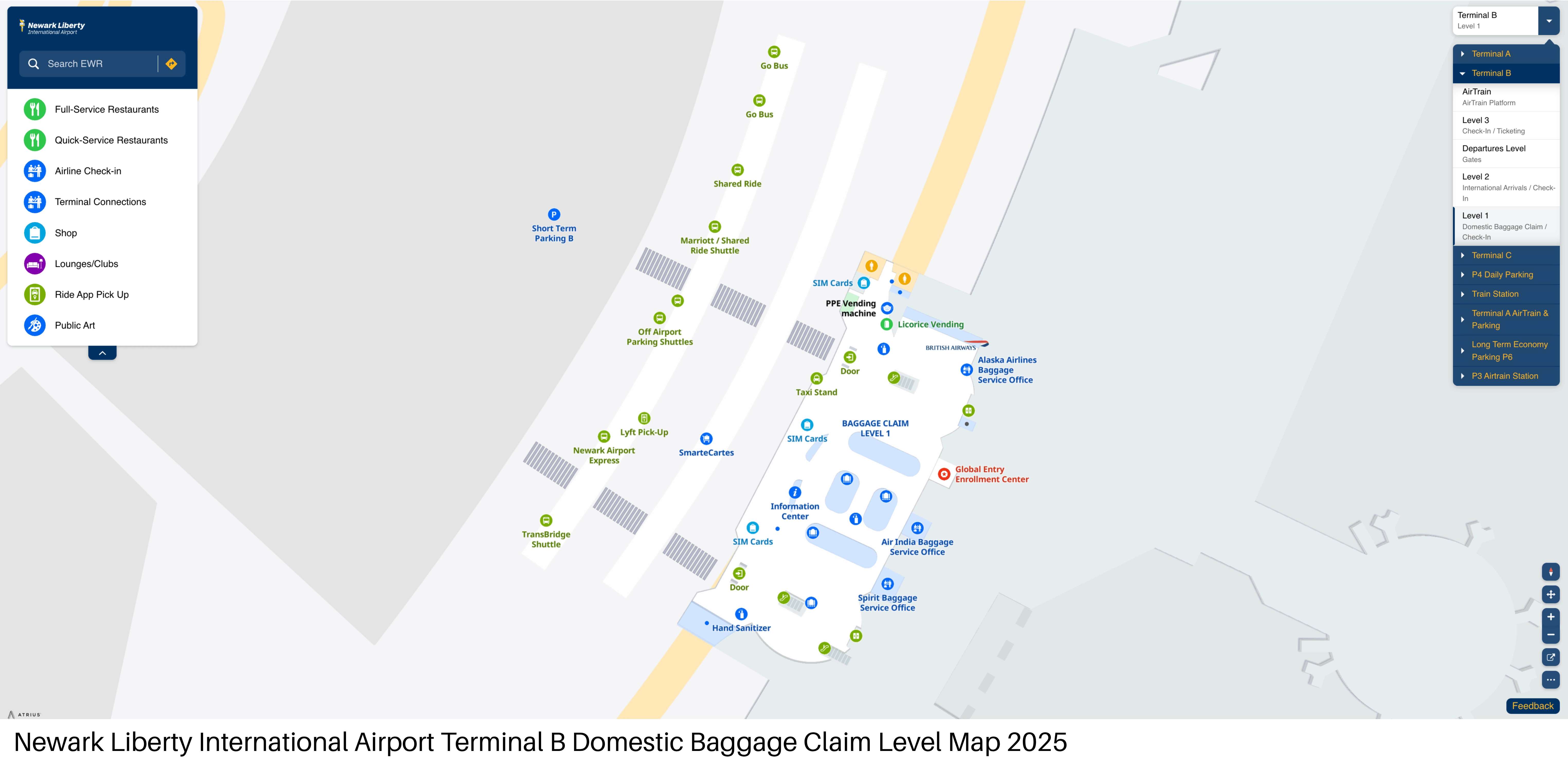
The most frequent complaints regarding Terminal B typically involve the "last mile" of the journey: baggage claim logistics and taxi/rideshare pickup.
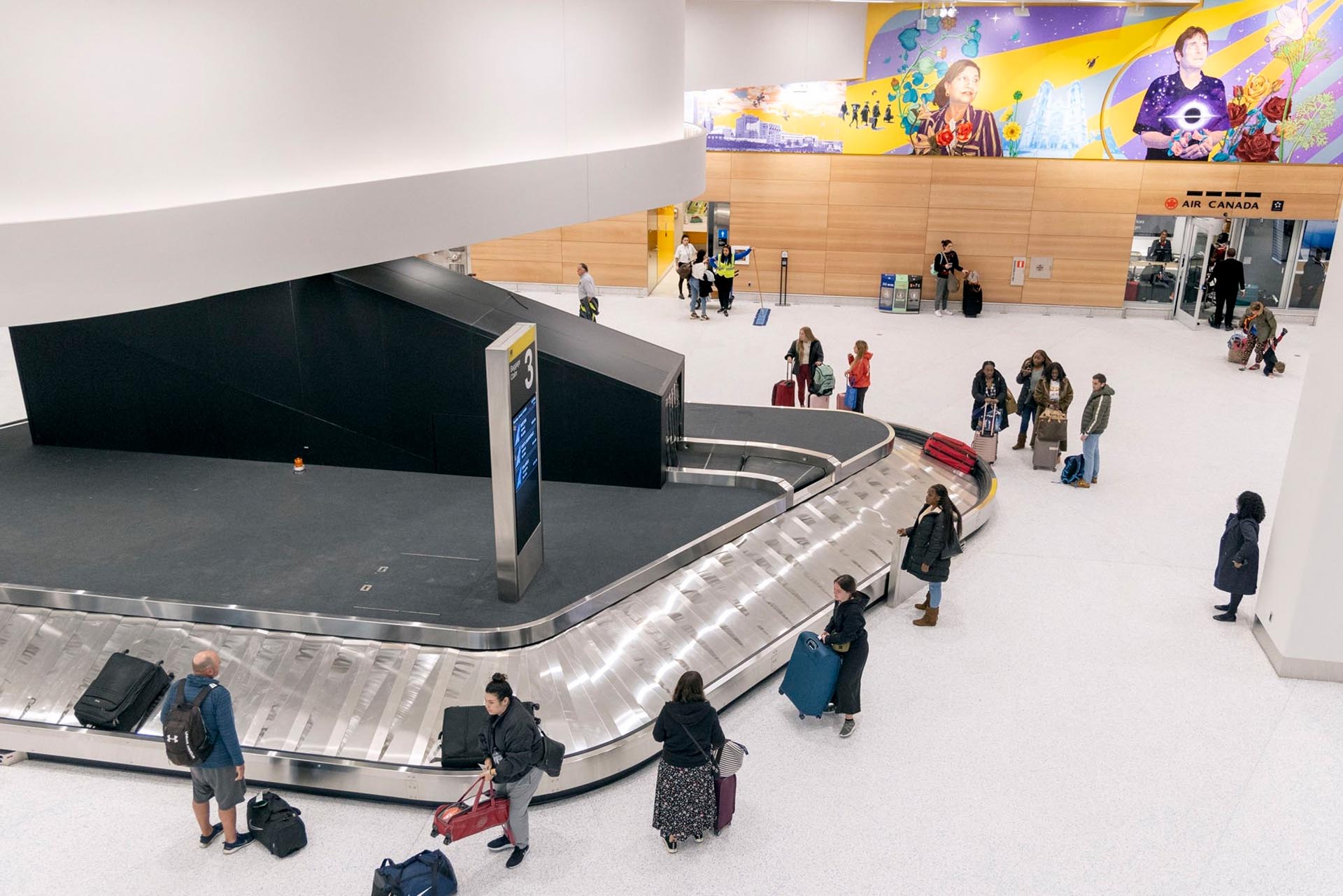
Baggage Claim Strategy: International arrivals in Terminal B are funneled into a centralized customs hall. If you are experiencing a long delay at baggage claim, identify a Port Authority representative near the arrival doors. They can provide real-time updates on belt assignment changes, which happen frequently due to the high volume of international wide-body aircraft arriving simultaneously.
Rideshare Pickup: Unlike some modern airports that offer curbside pickup, Newark requires passengers to use designated zones. For Terminal B, look for the clearly marked "App-Based Rides" signage. Do not exit the terminal and attempt to hail a car from the departures level; security officers strictly enforce "no-pickup" zones, and your driver will likely be unable to access you there.
Frequently Asked Questions
1. Is there a way to walk between Terminal B and other terminals? No. There is no pedestrian walkway connecting Terminal B to Terminal A or C. You must use the AirTrain, which is free and runs continuously between all airport facilities.
2. Does Terminal B have lounges for all passengers? Lounge access depends on your airline, frequent flyer status, or credit card membership. Terminal B features several airline-branded lounges and independent clubs. It is advised to check the EWR airport website on the day of your flight to confirm which lounges are currently operational and accepting day passes.
3. What should I do if my international flight arrives in B but I have a domestic connection in C? You must clear US Customs and Immigration, collect your checked bags, and re-check them at the transfer desk outside of the secure area. After re-checking, follow the signs for the AirTrain to reach Terminal C, where you will go through TSA security once more.
4. Is there an express security lane for families or disabled passengers? TSA offers "TSA Cares" for travelers who need additional assistance. It is recommended to contact TSA at least 72 hours before your flight to coordinate support, though Terminal B staff are generally trained to assist with expedited boarding when specific medical or mobility needs are identified at the checkpoint.
5. How early should I get to the airport for a flight departing from Terminal B? International travelers should arrive three hours before departure. Domestic travelers using Terminal B should arrive at least two hours prior, as the checkpoint configurations can occasionally lead to queue variability during morning and evening "bank" hours when multiple international flights are processing passengers.
Recommendations for Your Next Visit
Preparation is the primary factor in a successful transit through Newark Terminal B. Because the terminal serves a high volume of long-haul international flights, the environment is often more crowded than the newer facilities.
To maximize your efficiency:
- Utilize the EWR mobile app or official website on the morning of your travel to check if your specific airline has shifted gates due to maintenance.
- Avoid arrival-day stress by verifying your airline's specific baggage drop-off deadlines; these are strictly enforced in Terminal B to ensure international flights depart on schedule.
- If you require assistance with mobility, request it through your airline at least 48 hours in advance to ensure a representative is waiting for you upon arrival or departure.
By understanding the distinct layout and operational pace of Terminal B, you can mitigate the frustrations of legacy infrastructure and ensure a predictable, efficient experience at one of the region's most vital aviation hubs.
Image Gallery