Carson Steele Net Worth in the NFL: Financial Breakdown and Career Earnings
Carson Steele’s net worth in the NFL reflects his remarkable journey from an undrafted rookie sensation to a roster contributor in professional football. While total career earnings for modern professional athletes fluctuate based on b...
Carson Steele’s net worth in the NFL reflects his remarkable journey from an undrafted rookie sensation to a roster contributor in professional football. While total career earnings for modern professional athletes fluctuate based on base salaries, performance incentives, signing bonuses, and endorsement deals, evaluating his financial standing requires a close examination of his standard rookie contract, practice squad or active roster allocations, and future earning potential within the sports industry.
Contents
Understanding Professional Football Compensation and Rookie Contracts
To understand an NFL player's net worth, one must first look at the mechanics of professional football compensation. Unlike guaranteed long-term contracts seen in other major professional sports, standard NFL rookie contracts—particularly for undrafted free agents—rarely feature massive guaranteed signing bonuses. Instead, these players typically sign a standard three-year league-minimum deal with minimal or no guaranteed money, meaning their immediate wealth is tied directly to whether they maintain a spot on the 53-man active roster or the practice squad.
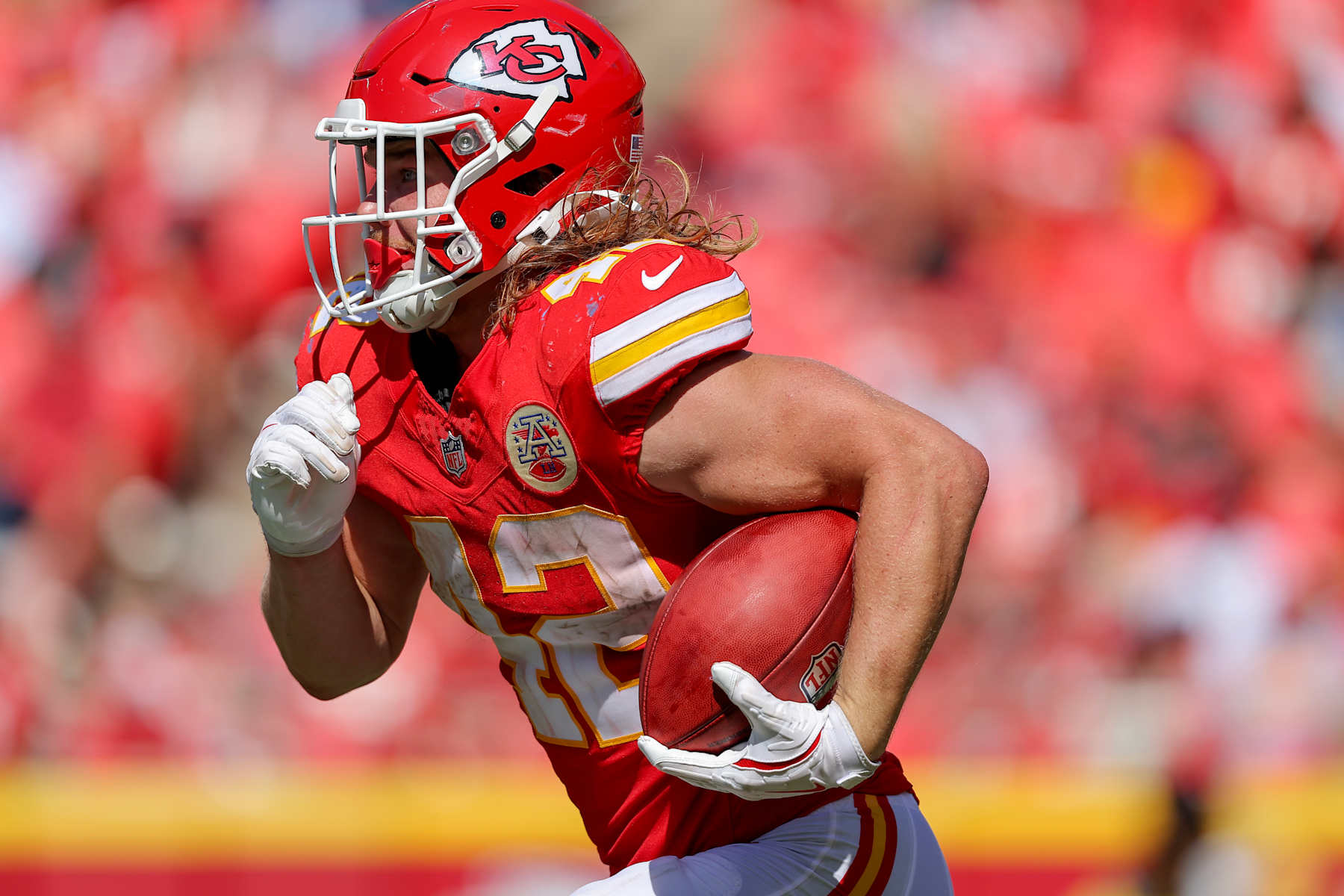
When an undrafted rookie makes an opening day active roster, their compensation shifts dramatically compared to practice squad player salaries. Active roster players receive the full benefit of the NFL minimum salary for their respective years of service, alongside weekly game-day bonuses and potential active roster game bonuses. Conversely, practice squad members earn a significantly lower weekly rate, which scales up for veterans but remains modest for first-year players trying to break into the league. Therefore, Carson Steele's financial accumulation is closely tied to his ability to secure and maintain a regular active roster spot rather than large upfront signing capital.
Carson Steele's Athletic Background and Path to the NFL
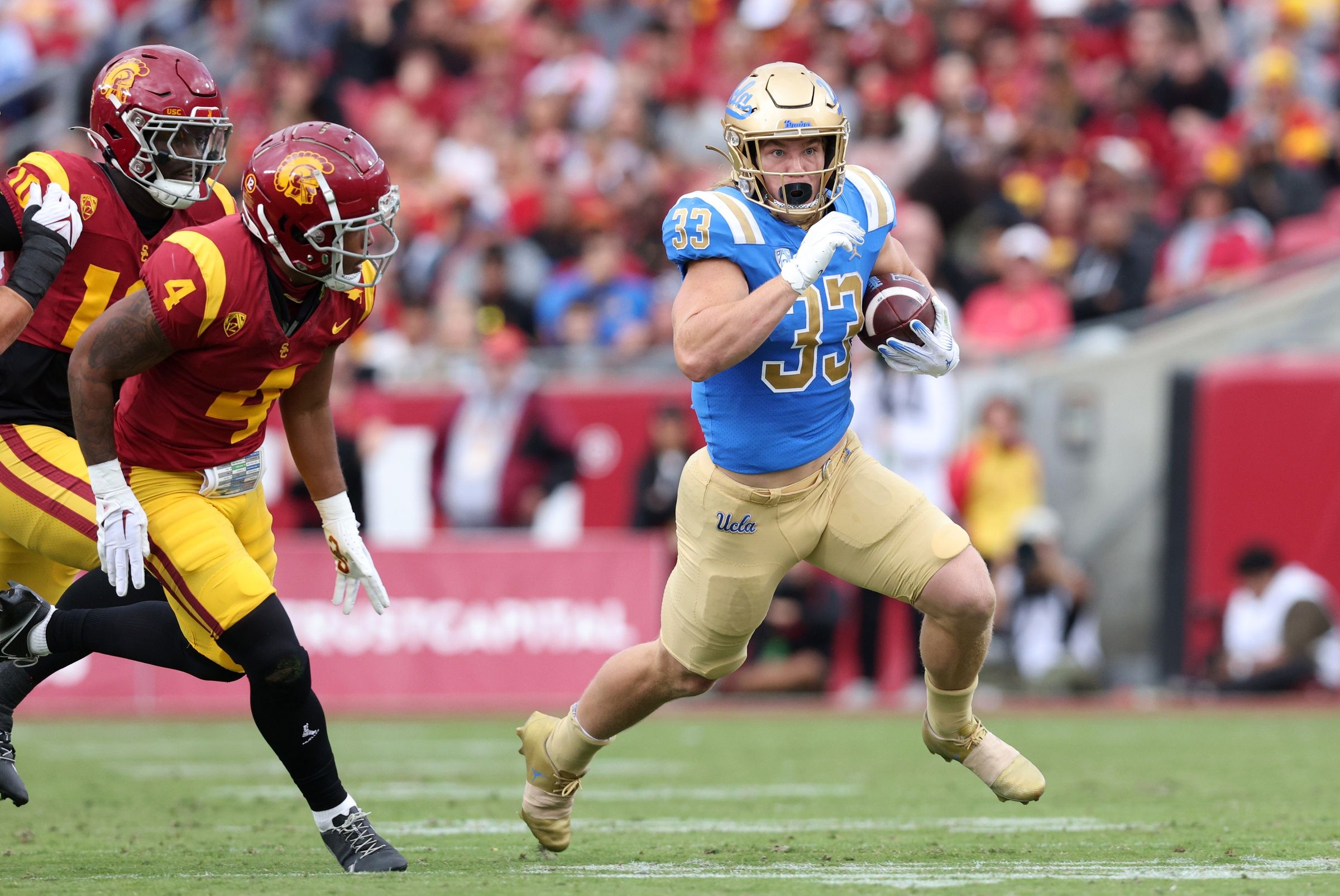
Carson Steele's financial trajectory in professional football cannot be separated from his unique collegiate background. After a prolific career at Ball State University, where he established himself as one of the premier productive running backs in the Mid-American Conference (MAC), Steele entered the NCAA transfer portal and spent a standout season at the University of California, Los Angeles (UCLA). During his time in college, name, image, and likeness (NIL) valuations provided a baseline of collegiate earnings, though exact figures for players outside major power-conference quarterback slots are typically private.
Despite impressive collegiate production, rigorous pre-draft evaluations, and a physical running style characterized by breaking tackles and picking up tough yards, Steele went unselected in the NFL Draft. However, being undrafted does not preclude a player from earning a substantial living in professional football. Many undrafted free agents secure valuable roster spots by excelling during rookie minicamps, training camps, and preseason games, where coaching staffs evaluate toughness, special teams utility, and adaptability to complex playbooks.
Contract Structure and Projected Career Earnings
For a player entering the NFL as an undrafted free agent, the initial financial agreement is typically structured as a standard three-year rookie deal at or near the league minimum.
- Contract Type: Standard Three-Year Undrafted Free Agent Rookie Contract
- Base Salary Structure: Scales annually according to the NFL Collective Bargaining Agreement (CBA) minimum scales for rookie players.
- Signing Bonus: Minimal or zero guaranteed signing bonus, typical for undrafted prospects.
- Guaranteed Money: Generally low or non-guaranteed, meaning contracts can be terminated without severe financial penalty to the franchise.
- Cap Impact: Minimal salary cap footprint, making such players highly attractive assets for roster construction.
The table below outlines the general financial framework governing modern undrafted rookie compensation structures in the NFL:
| Compensation Component | Typical Undrafted Rookie Structure | Financial Impact |
|---|---|---|
| Signing Bonus | $0 to minor figures (e.g., $1,000 to $15,000) | Provides very little upfront guaranteed liquid capital. |
| Base Salary | League minimum for Year 1 (adjusted annually by CBA) | Accrued weekly during the regular season while on the roster. |
| Active Roster Bonus | Per-game active roster designation payouts | Earned only when dressed and active on game days. |
| Practice Squad Pay | Weekly standardized rate (lower tier than active roster) | Applies if the player is reassigned to the developmental squad. |
| Per Diem & Allowances | Standard CBA-mandated travel and training camp stipends | Covers immediate living expenses during team activities. |
Beyond base salaries, players can augment their earnings through postseason shares, performance-based pools, and potential future contract extensions if they outperform their initial rookie agreements. For running backs, who face notoriously high attrition rates, maximizing early-career earnings and securing a second contract or specialized role remains a primary financial priority.
Off-Field Revenue Streams, Endorsements, and Financial Management
While on-field contracts form the foundation of an athlete's net worth, off-field revenue streams also contribute, albeit to varying degrees depending on a player's marketability, social media presence, and local fan-base popularity. For rookie and second-year players who are still establishing their names in the professional ranks, major national endorsement deals are relatively rare. Most initial marketing opportunities stem from local brand partnerships, memorabilia signings, and collegiate-retained fan following.
Financial advisors for professional athletes emphasize prudent wealth management, particularly given the short average career span in the NFL. Key financial practices for players early in their careers include:
- Tax Planning: Managing complex multi-state tax obligations resulting from playing road games across different states with varying income tax laws.
- Budgeting Around Take-Home Pay: Accounting for agent commissions (typically capped around 3% to 5% under NFLPA guidelines), union dues, federal and state taxes, and escrow deductions.
- Post-Football Career Preparation: Allocating funds toward continuing education, real estate investments, or business ventures to ensure financial security long after their playing days conclude.
Frequently Asked Questions
What is Carson Steele's exact net worth in the NFL?
Exact net worth figures for professional athletes are private and rarely published by verified financial institutions. Carson Steele's financial standing is primarily built upon his standard rookie contract earnings, accrued game checks, and any local endorsement opportunities, rather than multi-million-dollar guaranteed signing bonuses.
Did Carson Steele get drafted into the NFL?
No, Carson Steele went undrafted in the NFL Draft following his collegiate career at Ball State and UCLA. However, he successfully signed with an NFL franchise as an undrafted free agent, earning a spot to compete for an active roster position during training camp.
How much do undrafted NFL rookies make?
Undrafted NFL rookies typically sign three-year deals at the league-minimum base salary for first-year players. If they make the 53-man active roster, they earn their full weekly salary; if they are assigned to the practice squad, they receive a lower weekly rate established by the collective bargaining agreement.
What are the main sources of income for a young NFL player?
The primary income source is the player's base salary governed by their NFL contract, supplemented by active roster game-day bonuses, postseason play shares, and occasional local marketing or memorabilia deals.
How long do NFL rookie contracts typically last?
Standard NFL contracts for undrafted free agents typically span three years. This duration allows teams to retain the player's exclusive rights for a multi-year window while evaluating their long-term development and fit within the system.
Conclusion and Next Actions
Evaluating Carson Steele's financial profile in the NFL requires looking past speculative internet figures and focusing on the verified mechanics of professional football compensation. As an undrafted player working to solidify his role at the professional level, his financial growth depends on continued on-field performance, roster stability, and smart financial management. For sports enthusiasts and analysts tracking player economics, monitoring roster transactions, contract updates, and official NFLPA salary disclosures provides the most accurate picture of a player's career earnings trajectory.
Image Gallery