Understanding the Career of Judd Hirsch Actor: A Legacy Across Stage and Screen
Judd Hirsch is a celebrated American actor whose prolific career spans over six decades, encompassing iconic television sitcoms, critically acclaimed theatrical performances, and major cinematic achievements. Recognized for his sharp t...
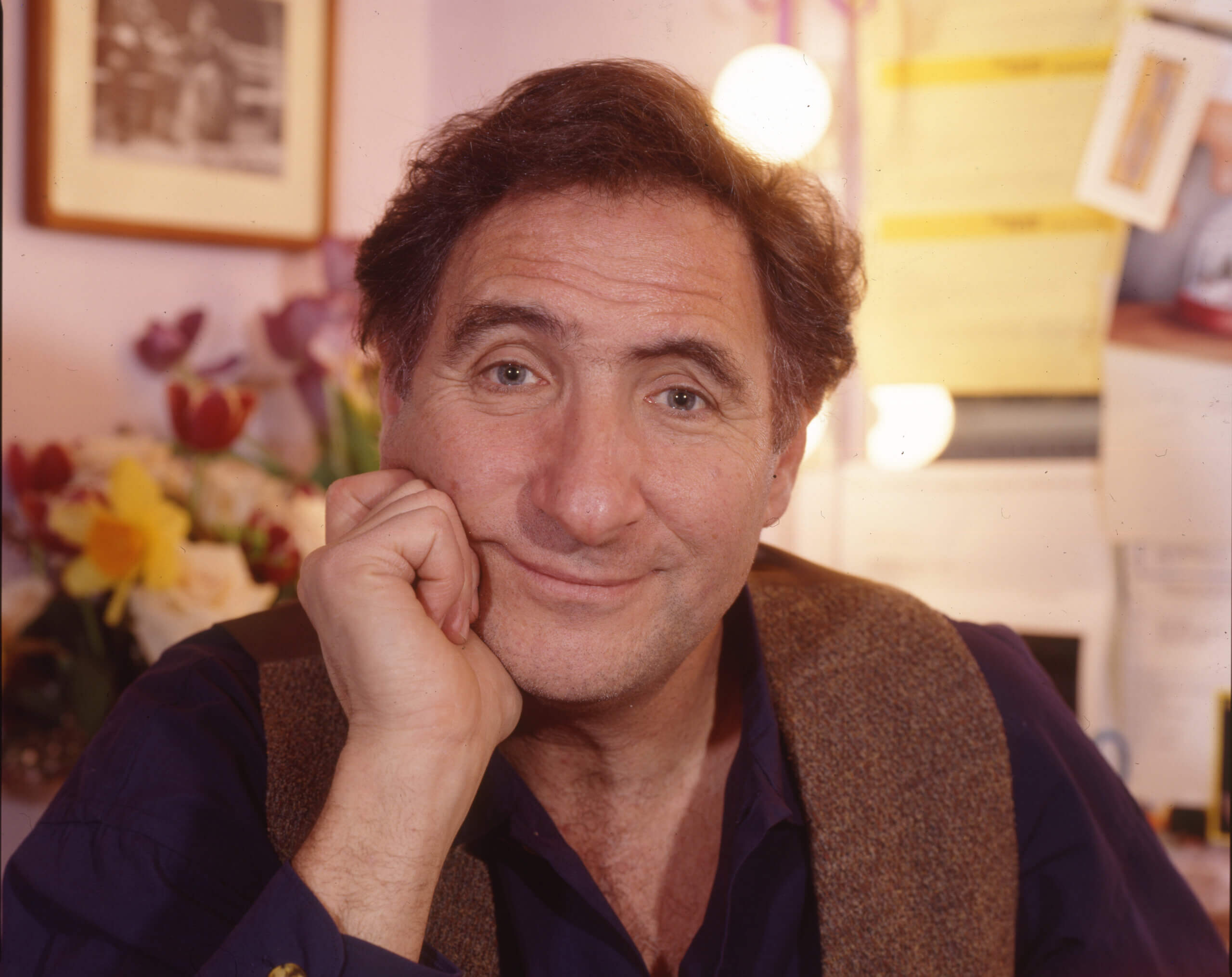
Judd Hirsch is a celebrated American actor whose prolific career spans over six decades, encompassing iconic television sitcoms, critically acclaimed theatrical performances, and major cinematic achievements. Recognized for his sharp timing, emotional depth, and commanding screen presence, Hirsch has earned prestigious accolades—including Tony Awards, Emmy Awards, and Academy Award nominations—solidifying his status as a master of his craft across diverse mediums.
Contents
Evaluating the trajectory of Judd Hirsch requires looking closely at how he built a foundation in regional theatre before transitioning into a definitive television star in series like Taxi and Dear John. Beyond television, his career is marked by powerful dramatic turns in cinema, working with visionary directors such as Sidney Lumet, Robert Redford, and Steven Spielberg. This analysis explores his early artistic origins, his breakthrough television roles, his enduring contributions to the Broadway stage, and his later-career resurgence that demonstrates a rare, lifelong artistic vitality.
Early Beginnings and Theatrical Foundations
Long before achieving household-name status on television, Judd Hirsch cultivated his craft on the stage. Born in the Bronx, New York, in 1935, his journey into acting was not immediate. He initially pursued higher education at The City College of New York (CCNY), where he earned a degree in physics. However, after serving in the United States Army and working various jobs, Hirsch realized his true passion lay in performance. He enrolled in the prestigious HB Studio in New York City, studying under legendary acting teachers who helped him hone a naturalistic, emotionally grounded style.
His early professional work took place in regional theatre and off-Broadway productions during the 1960s. These formative years exposed him to a wide range of dramatic material, from classical works to cutting-edge contemporary plays. Working in the rigorous environment of New York theatre taught Hirsch the discipline and adaptability that would define his entire career. He developed a reputation as a dependable, highly versatile character actor capable of inhabiting complex, fast-talking, and deeply neurotic yet deeply sympathetic characters.
During this decade, Hirsch also made gradual inroads into television guest spots and cinematic bit parts. While these early on-screen appearances were modest, they allowed him to build the industry relationships and technical camera awareness that preceded his major breakthroughs. The theatre remained his primary anchor, providing the critical acclaim that eventually caught the attention of television and film casting directors looking for authentic New York grit paired with immense comedic and dramatic range.
The Television Breakthrough: Taxi and Beyond
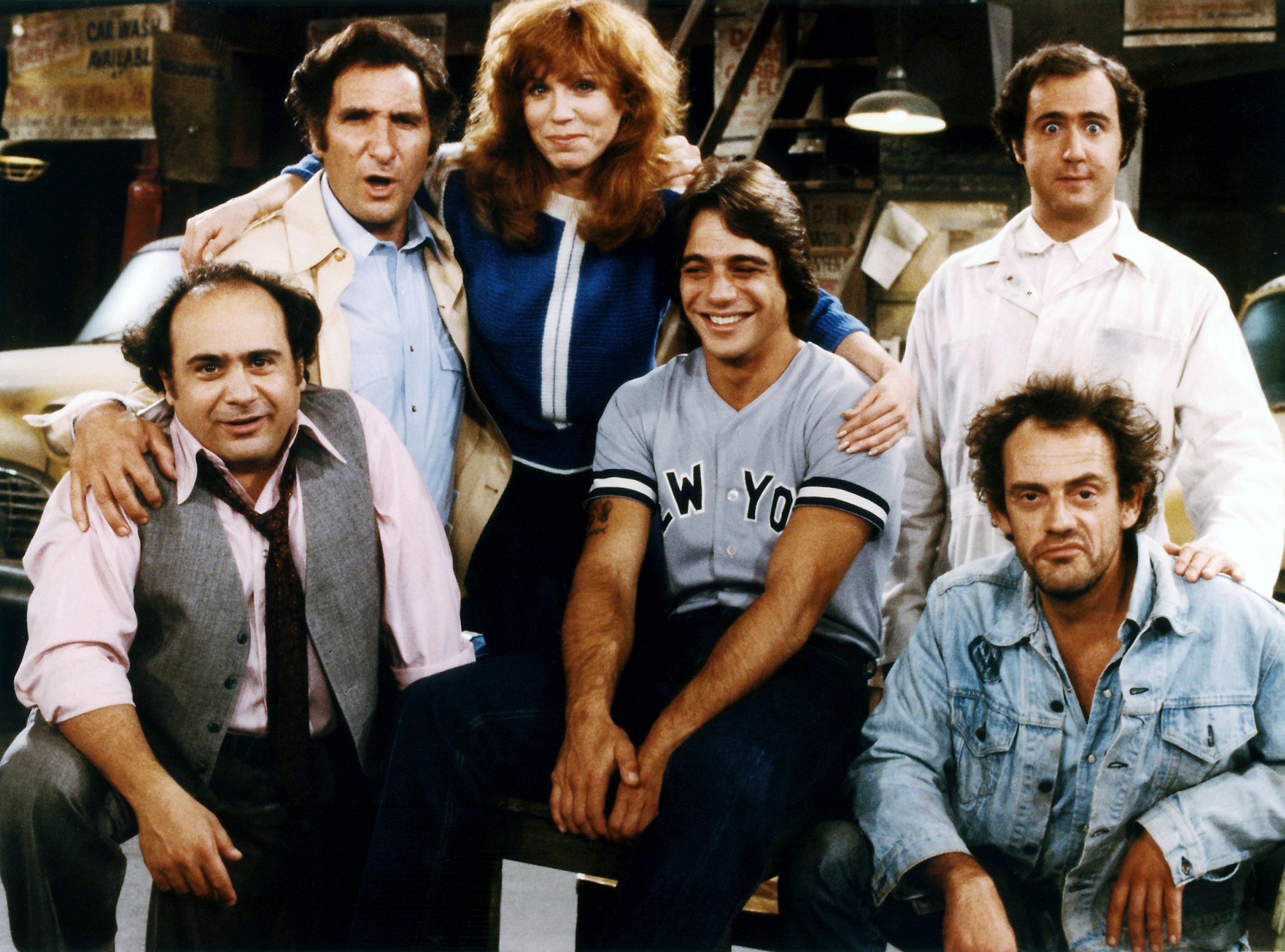
Judd Hirsch's transition from a respected stage actor to a major television star occurred in 1978 when he was cast as Alex Reiger, the cynical yet compassionate cab driver and central anchor of the ensemble sitcom Taxi. The series, which aired for five seasons, became a defining television touchstone of the late 1970s and early 1980s. As Alex, Hirsch served as the straight man to a colorful, eccentric crew of drivers played by Danny DeVito, Andy Kaufman, Christopher Lloyd, and Marilu Henner. His performance required immense balancing skill: he had to anchor the show's comedic momentum while grounding its emotional core in the stark realities of working-class struggle.
The role earned Hirsch widespread critical acclaim, resulting in two Primetime Emmy Awards for Outstanding Lead Actor in a Comedy Series during the run of Taxi. The character of Alex Reiger cemented Hirsch’s archetype in the public consciousness—a weary, street-smart urbanite with a heart of gold. Following the conclusion of Taxi, Hirsch successfully avoided typecasting by immediately seeking out contrasting television and stage opportunities.
In 1988, Hirsch returned to network television as the lead in Dear John, portraying John Lacey, a recently divorced high school teacher navigating a support group for lonely people. The sitcom showcased a softer, more vulnerable side of Hirsch's comedic acting. Throughout the 1990s and 2000s, he continued to maintain a strong television presence, most notably starring as mathematician Alan Eppes in the CBS drama series Numb3rs from 2005 to 2010. This role allowed him to blend intellectual authority with warm paternal guidance, demonstrating his longevity across different eras of television production.
Cinematic Achievements and Dramatic Range
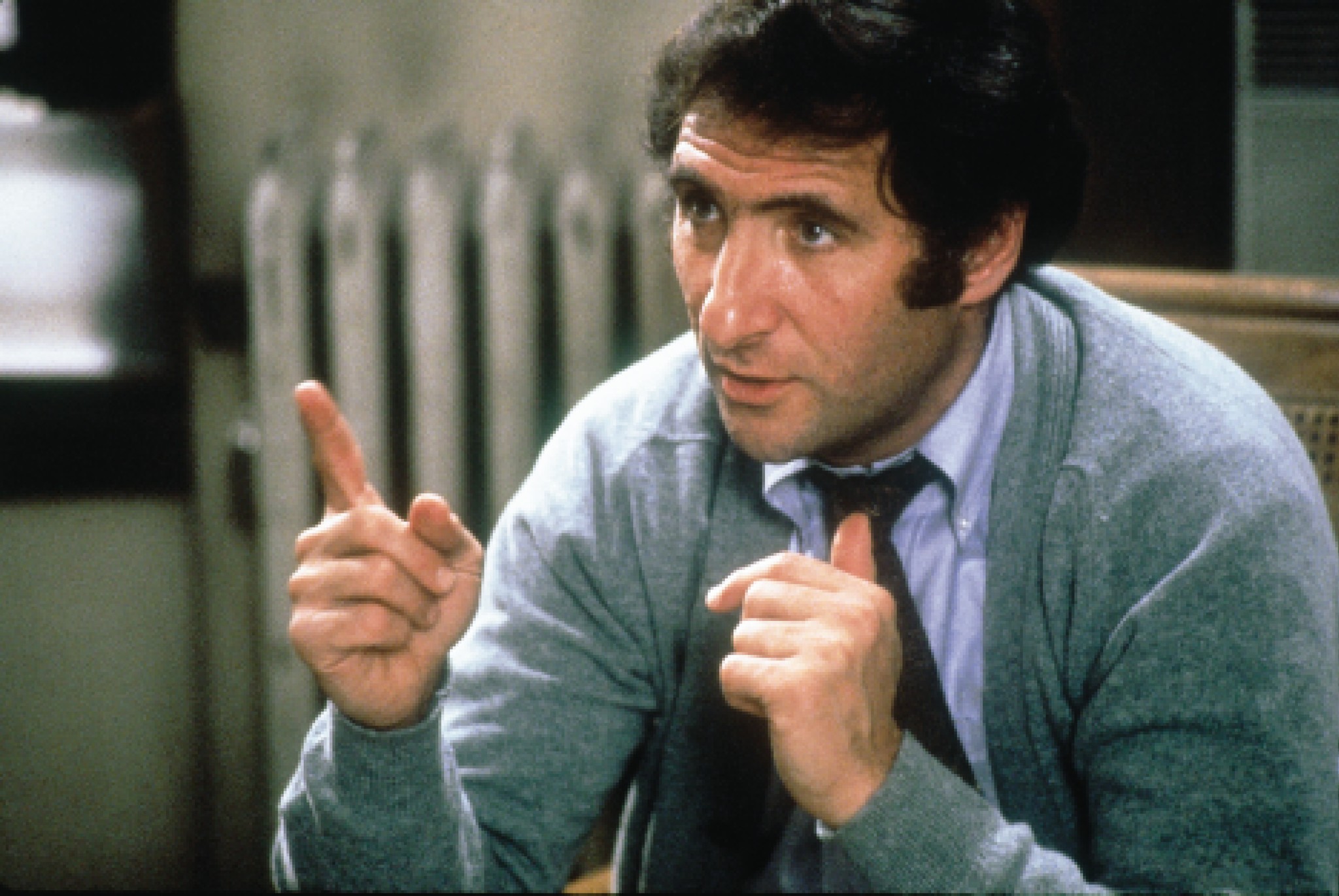
While television brought him household recognition, Judd Hirsch’s film career established his reputation as a formidable dramatic actor capable of holding the screen alongside Hollywood's biggest names. His cinematic breakthrough came in 1980 when he was cast in Robert Redford’s directorial debut, Ordinary People. Hirsch portrayed Dr. Tyrone C. Berger, a compassionate and perceptive psychiatrist helping a grieving mother and son process a devastating drowning tragedy.
Hirsch’s performance in Ordinary People was widely praised for its quiet intensity and empathetic listening. His portrayal earned him an Academy Award nomination for Best Supporting Actor, marking a high-water mark in his film career. The film itself swept the Academy Awards, winning Best Picture, and Hirsch’s grounded performance remains a masterclass in cinematic therapy scenes.
| Film Title | Release Year | Role | Notable Recognition |
|---|---|---|---|
| Ordinary People | 1980 | Dr. Tyrone C. Berger | Academy Award Nomination (Best Supporting Actor) |
| Running on Empty | 1988 | Arthur Pope | Critical acclaim for portraying a fugitive radical father |
| Independence Day | 1996 | Julius Levinson | Major box-office success; portrayed the protagonist's father |
| Uncut Gems | 2019 | Himself / High-stakes client | Modern independent cinema appearance |
| The Fabelmans | 2022 | Boris Schildkraut | Academy Award Nomination (Best Supporting Actor) |
Throughout the decades, Hirsch balanced blockbuster entertainment with independent and prestige cinema. In 1996, he reached a global audience as Julius Levinson, the wisecracking, protective father of Jeff Goldblum’s character in the sci-fi blockbuster Independence Day. His ability to inject humor and grounded paternal warmth into a high-concept disaster film helped anchor the movie's human stakes.
Return to the Stage and Later-Career Resurgence
Despite his extensive screen credits, Judd Hirsch never abandoned the theatre. His stage career includes numerous acclaimed performances on Broadway, where he twice won the Tony Award for Best Actor in a Play—first for Neil Simon’s I'm Not Rappaport in 1986 and later for Herb Gardner’s Conversations with My Father in 1992. These theatrical triumphs underscored his deep connection to playwrights who specialized in sharp, dialogue-driven New York narratives.
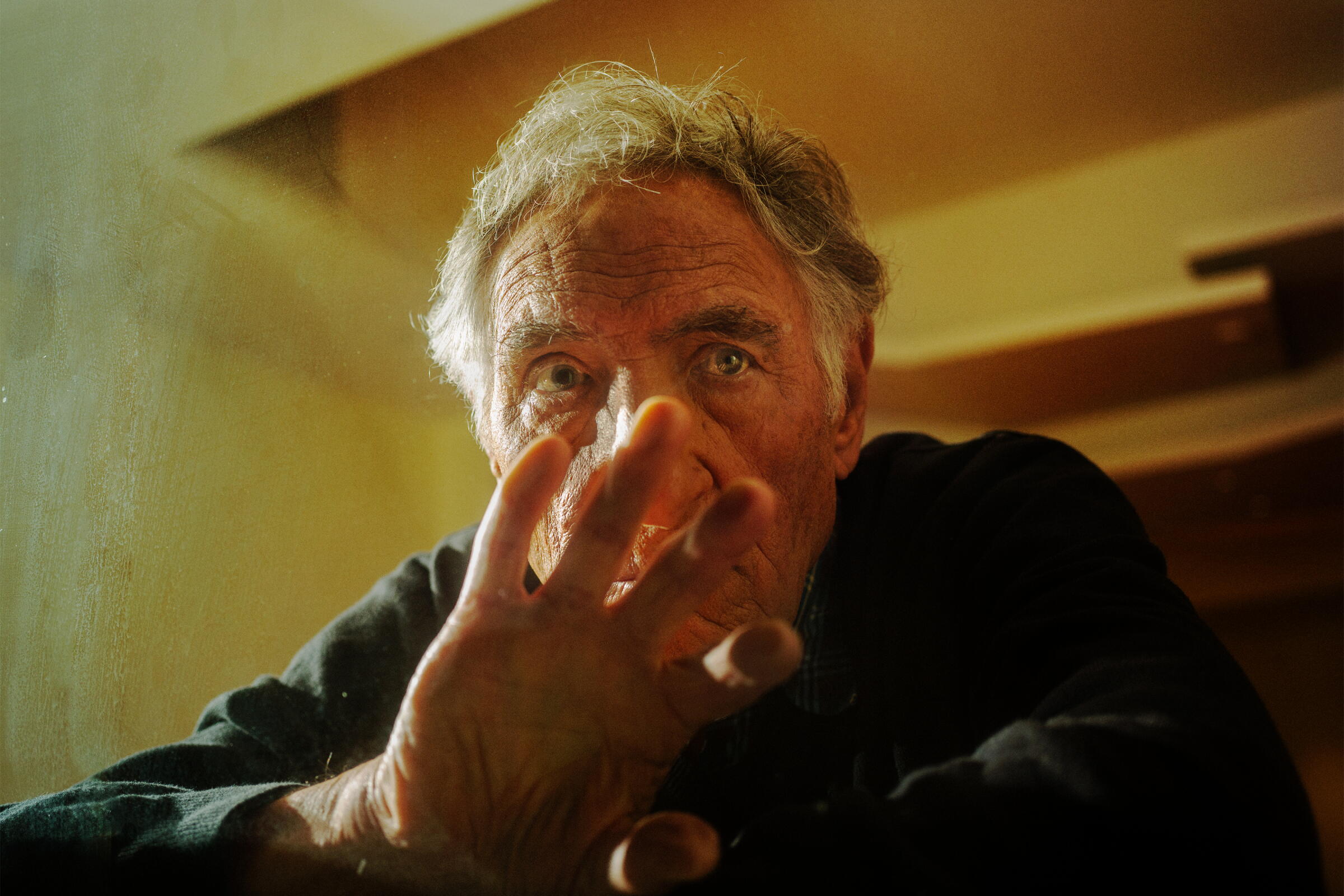
In his later decades, Hirsch experienced a remarkable critical resurgence. In 2022, at the age of 87, he delivered a powerful, scene-stealing cameo as Uncle Boris in Steven Spielberg’s semi-autobiographical drama The Fabelmans. In his brief yet electrifying screen time, Hirsch imparted words of wisdom about the sacrifices required for artistic dedication. This performance earned him his second Academy Award nomination for Best Supporting Actor, more than four decades after his first nomination for Ordinary People. This rare span between nominations set a historic milestone in Academy history, illustrating that Hirsch's artistic potency remained undiminished by time.
Analyzing Hirsch’s Acting Technique and Industry Impact
Understanding Judd Hirsch requires examining the technical mechanics of his performance style. Several distinct attributes characterize his enduring appeal across film, television, and theatre:
- Pacing and Rhythm: Having honed his skills in fast-paced New York comedy and drama, Hirsch possesses an impeccable sense of comedic and dramatic timing. He can accelerate dialogue to match high-anxiety moments or pause effectively to let emotional weight register.
- The Everyman Persona: Hirsch consistently projects an accessible, relatable energy. Even when playing intellectuals, scientists, or professionals, he infuses his characters with working-class sensibilities and everyday anxieties.
- Versatility Across Mediums: Unlike actors who struggle when moving between the intimate framing of film, the multicamera setup of sitcoms, and the expansive projection required for live theatre, Hirsch transitions seamlessly across all three.
Common Misconceptions About His Career
- Misconception: Hirsch is primarily a sitcom actor known only for Taxi.
- Reality: While Taxi made him famous, his extensive theatre work and dramatic film roles in Ordinary People and The Fabelmans demonstrate a profound dramatic range.
- Misconception: His career slowed significantly after the 1990s.
- Reality: Hirsch has maintained a remarkably consistent working schedule, appearing in prominent television procedurals, streaming projects, and major motion pictures well into his late eighties.
Frequently Asked Questions
What are Judd Hirsch's most famous roles?
Judd Hirsch is best known for playing Alex Reiger in the television sitcom Taxi, Dr. Tyrone C. Berger in the film Ordinary People, Julius Levinson in Independence Day, and Alan Eppes in the television series Numb3rs. Additionally, he has enjoyed a legendary career on the Broadway stage.
How many Academy Awards has Judd Hirsch won?
As of 2026, Judd Hirsch has not won an Academy Award, but he has received two nominations for Best Supporting Actor: the first in 1981 for Ordinary People and the second in 2023 for The Fabelmans, spanning over forty years between nominations.
Did Judd Hirsch win any Tony Awards?
Yes, Hirsch is a two-time Tony Award winner for Best Actor in a Play. He won his first in 1986 for I'm Not Rappaport and his second in 1992 for Conversations with My Father.
What did Judd Hirsch study before becoming an actor?
Before pursuing acting professionally, Hirsch earned a degree in physics from The City College of New York (CCNY) and subsequently served in the United States Army before discovering his passion for performance at HB Studio.
Is Judd Hirsch still active in acting?
Yes, Hirsch has continued to work consistently in film, television, and theatre, demonstrating remarkable longevity and receiving critical acclaim into his late eighties.
Next Actions for Film and Theatre Enthusiasts
To fully appreciate the scope of Judd Hirsch's career, viewers should examine his work across different mediums rather than focusing solely on his television output. Watching Ordinary People alongside his performance in The Fabelmans provides a fascinating look at his evolution as a dramatic actor over four decades. Meanwhile, revisiting episodes of Taxi reveals the foundational comedic timing that made him a television icon. For theatre enthusiasts, exploring archival recordings or published scripts of his Tony Award-winning Broadway performances offers a comprehensive view of a master American actor who bridges the gap between stage and screen with enduring distinction.
Image Gallery