The Traitors Latest Banishment Explained: Tactics, Votes, and Fallout
The latest banishment on The Traitors represents a critical turning point in the game, driven by shifting alliances, last-minute roundtable accusations, and subtle behavioral changes that exposed a key player. This comprehensive breakd...
The latest banishment on The Traitors represents a critical turning point in the game, driven by shifting alliances, last-minute roundtable accusations, and subtle behavioral changes that exposed a key player. This comprehensive breakdown examines how the vote unfolded, the strategic blunders that led to the exit, and what the aftermath means for the remaining contestants.
Contents
Understanding the Mechanics of the Round Table and Banishment
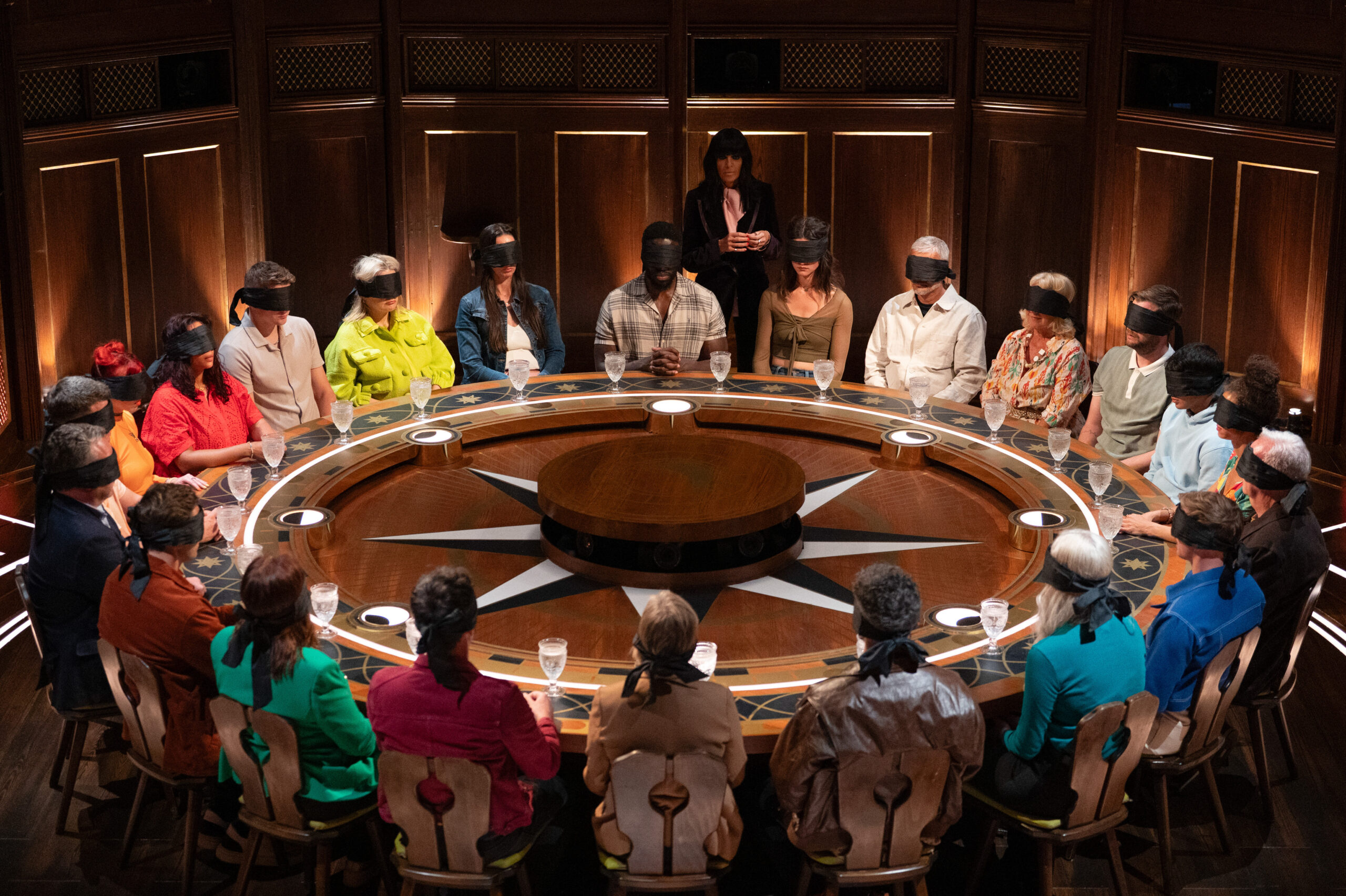
To fully grasp why the latest banishment shook the castle, it is necessary to look at how the round table operates within the psychological framework of the series. Every episode builds toward a nightly gathering where faithful contestants and hidden traitors sit together to debate suspicions, vote out a suspected traitor, and risk banishing an innocent ally.
The mechanics rely heavily on confirmation bias, emotional reactions, and weaponized logic. When a contestant displays defensive behavior, changes their voting pattern, or has access to exclusive information about a previous murder, they immediately fall under intense scrutiny. In this latest installment, the banishment was not merely a random elimination; it was the culmination of days of careful whispering, alliance-building, and tactical misdirection orchestrated by both sides of the house.
The Catalyst: Clues Leading to the Vote
The path to the roundtable was paved with several distinct breadcrumbs that accumulated over the preceding missions and breakfasts.
- The Breakfast Absence or Silence: As is customary, the psychological warfare begins before anyone speaks. The mood at breakfast sets the tone for the day's accusations.
- Inconsistent Shield Strategy: Conversations around who won or missed out on shields often expose hidden motives. Players who push too hard to secure safety or show unusual relief after a challenge frequently invite suspicion.
- The Pivot in Group Consensus: In the hours leading up to the banishment, a single piece of circumstantial evidence was amplified by alpha players looking to deflect attention away from themselves.
Breakdown of the Voting Process and Key Arguments
When the group sat at the round table, the tension reached a boiling point. The accused player attempted to defend themselves by highlighting the chaotic nature of the game and pointing fingers at erratic behavior from other contestants. However, their defense unraveled under cross-examination.
The table below outlines the primary arguments presented during the debate, the opposing viewpoints, and the ultimate impact on the room's consensus:
| Argument Presented | Proponent Strategy | Counter-Argument | Impact on Banishment |
|---|---|---|---|
| Defensive Posture | Accusing a quiet player of hiding in plain sight. | Pointing out that aggressive accusers are often traitors deflecting heat. | Moderately shifted votes away from the accuser toward the defender. |
| Voting Record Inconsistencies | Tracking historical votes to find patterns of protecting specific allies. | Claiming self-preservation rather than tactical alignment. | Heavily damaged the accused player's credibility with swing voters. |
| Emotional Outbursts | Interpreting sudden anger or withdrawal as guilt. | Attributing reactions to the immense stress of the environment. | Sealed the majority consensus in the final minutes before writing down names on slates. |
As the slates were revealed one by one, a clear majority emerged. The emotional weight of the exit was palpable, particularly because the banished contestant passionately maintained their innocence right up until their final farewell, leaving the faithful to wonder once again if they had made a catastrophic mistake.
The Traitor Dynamic: Internal Strife and Preservation
While the faithful celebrate or second-guess a successful banishment—or mourn the loss of a trusted ally—the traitors operate under an entirely different set of pressures. The latest banishment forced the remaining traitors into a delicate balancing act.
If a faithful is banished, the traitors must decide whether to murder openly or target someone who led the charge against the recently departed. Conversely, if a traitor is caught, the survivors must quickly distance themselves from their former partner to avoid being dragged down with them. In this scenario, the underground alliance managed to survive the round table, but the cracks within their clandestine group are widening. Trust among traitors is inherently fragile, and as the numbers dwindle, the incentive to turn on an accomplice grows exponentially.
Strategic Consequences for the Remaining Players
The fallout from this banishment alters the gameplay dynamics across the board. Contestants must now recalibrate their strategies based on several new realities:
- The Rise of Power Blocks: Dominant voices who successfully drove the recent vote now hold immense influence, making them prime targets for future traitor assassinations.
- The Vulnerable Middle: Players who remained quiet during the debate or changed their votes at the last second have exposed themselves as unpredictable, drawing suspicion from both factions.
- Information Scarcity: With fewer players remaining in the castle, every conversation carries more weight, leaving little room for error during daily missions and social mingling.
Frequently Asked Questions
Was the banished player actually a faithful or a traitor?
The identity revealed during the dramatic exit confirmed whether the group's suspicions were correct. Check the specific episode recap to verify the exact status, as this disclosure dictates the immediate power balance moving forward in the castle.
How do swing voters influence the round table outcome?
Swing voters hold the ultimate leverage during tightly contested banishments. By remaining unaligned until the final minutes of the debate, they can tip the scales toward either side, making them primary targets for persuasion by both aggressive faithfuls and hidden traitors.
Why do contestants often banish their own allies?
Paranoia and misinformation frequently lead faithfuls to turn on one another. Traitors actively feed false narratives into the group, manipulating discussions so that the faithful inadvertently do the dirty work of eliminating their own numbers.
What happens immediately after a banishment?
Following a banishment, the remaining contestants gather for a brief debrief before the traitors convene in secret to select their next victim for the night's murder, setting up the cycle for the next episode.
How does the number of remaining players affect traitor strategy?
As the overall head count drops, traitors have fewer places to hide. Every incorrect banishment of a faithful increases the proportion of traitors remaining, but it also increases the scrutiny on every single interaction within the smaller group.
Next Actions for Following the Season
To stay fully informed as the season progresses, track the shifting alliances closely during the daily challenges, where physical exhaustion often leads to verbal slips. Pay attention to private confessionals, as they provide insight into which contestants are genuinely piecing together the clues and which are blindly following the loudest voice in the room. Analyze the breakfast table dynamics in the next episode to see who is targeted for murder, as that choice will reveal the traitors' current fears and priorities.
Image Gallery