Comprehensive Guide to Global Dental Implant Academy Programs and Clinical Training in 2026
The Global Dental Implant Academy (GDIA) is a premier international organization dedicated to providing clinical education and hands-on training for dental professionals in the field of implantology. In 2026, GDIA serves as a critical...
The Global Dental Implant Academy (GDIA) is a premier international organization dedicated to providing clinical education and hands-on training for dental professionals in the field of implantology. In 2026, GDIA serves as a critical bridge between academic theory and clinical proficiency, offering tiered programs that range from foundational implant placement to advanced bone grafting and digital surgical workflows.
Contents
What is the Global Dental Implant Academy?
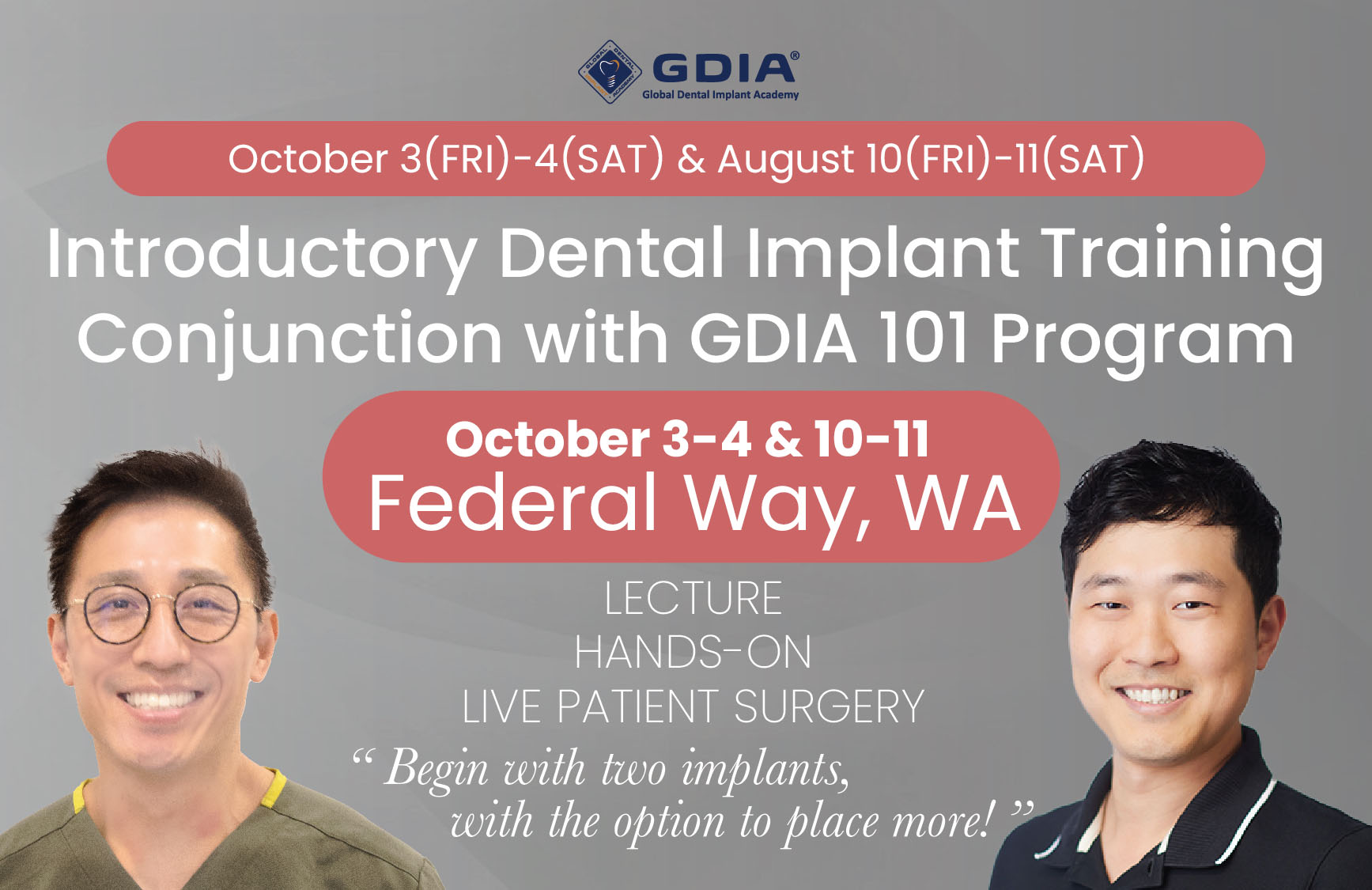
The Global Dental Implant Academy (GDIA) is an educational institution designed to elevate the standard of dental implantology through rigorous clinical mentorship and evidence-based instruction. Founded on the principle that "learning by doing" is the most effective way to master complex surgical procedures, GDIA has expanded its reach across the United States, South Korea, and various international locations.
In 2026, the academy remains focused on addressing the common hesitation many general practitioners feel when transitioning into surgical roles. By providing a structured environment where clinicians can practice under the direct supervision of seasoned mentors, the academy helps mitigate the risks associated with the steep learning curve of dental implants. The curriculum is not merely a series of lectures; it is a comprehensive ecosystem that includes online preparatory modules, intensive hands-on workshops using anatomical models, and the hallmark of the academy: live patient surgical sessions.
The academy’s mission is driven by the necessity for high-quality, long-lasting restorative outcomes. As the global demand for dental implants continues to rise, the GDIA ensures that practitioners are not just placing hardware, but are understanding the biological and biomechanical requirements for long-term osseointegration and soft tissue health.
Core Educational Pathways and Curriculum Tiers
The GDIA curriculum is structured into specific tiers to accommodate different levels of expertise. This modular approach allows clinicians to progress at their own pace, ensuring that they master foundational skills before attempting complex rehabilitations.
Level 1: Foundational Implantology
For the general dentist looking to start their journey, the foundational level focuses on simple, single-tooth implant placement. The 2026 curriculum emphasizes patient selection and risk assessment. Clinicians learn to identify cases with sufficient bone volume and healthy soft tissue, reducing the likelihood of early complications. Key topics include:
- Anatomy and Site Evaluation: Utilizing CBCT (Cone Beam Computed Tomography) to map vital structures such as the mandibular nerve and sinus cavities.
- Surgical Instrumentation: Familiarization with drill protocols, torque settings, and implant design.
- Restorative Planning: "Prosthetically driven" implant placement, ensuring the final crown is functional and aesthetic.
Level 2: Intermediate Surgery and Bone Management
The intermediate tier is where most practitioners find the greatest clinical growth. This level addresses the reality that many patients lack the ideal bone volume for standard placement. Training includes:
- Guided Bone Regeneration (GBR): Techniques for using membranes and bone graft materials to repair minor defects.
- Suture Techniques: Mastering different suturing patterns to ensure primary closure and wound stability.
- Immediate Load Protocols: Understanding when it is safe to place a temporary crown on the same day as the surgery.
Level 3: Advanced Surgical Mastery
The advanced programs are reserved for experienced clinicians. These courses often involve complex sinus augmentations (both lateral and crestal approaches) and full-arch "All-on-X" rehabilitations. In 2026, there is a heavy emphasis on managing "the esthetic zone"—the front of the mouth—where tissue management is critical to prevent a "grey" look at the gum line.
Live Patient Clinical Training: The GDIA Hallmark
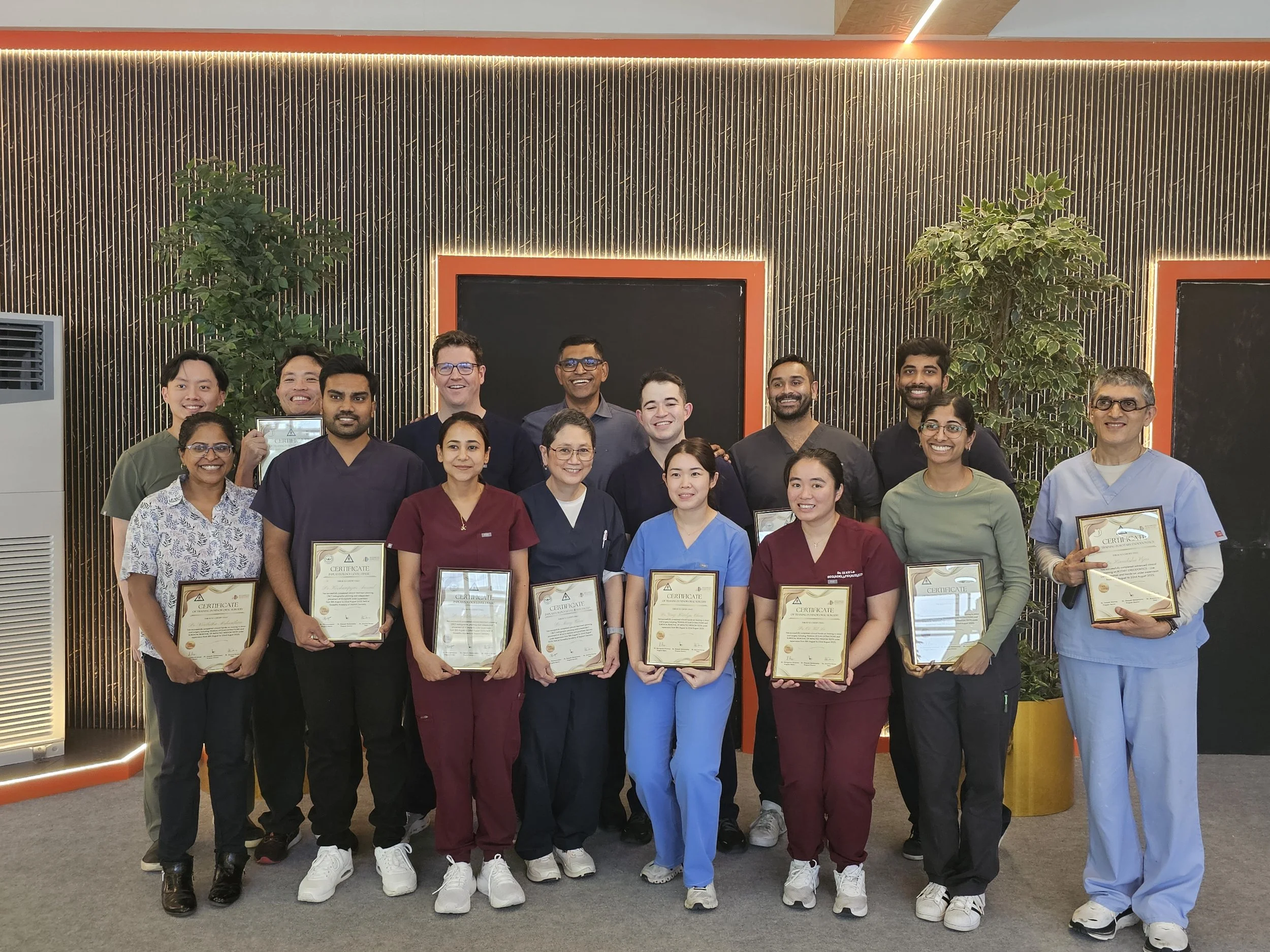
The most significant differentiator for the Global Dental Implant Academy is its commitment to live patient training. While many continuing education (CE) providers rely on pig jaws or plastic models, GDIA facilitates programs where licensed dentists perform surgery on actual patients under the guidance of expert faculty.
The Mentorship Model
During live patient sessions, a mentor-to-student ratio is kept low—often 1:2 or 1:3. This ensures that every incision, osteotomy, and suture is monitored. The mentor provides real-time feedback, helping the student adjust their hand positioning or drill speed. This level of supervision is vital for building "muscle memory" and clinical confidence.
Ethical Standards and Patient Care
All live patient programs are conducted in compliance with local regulations. In many cases, these programs are held in international clinics where patient needs are high, and the surgery is provided at a subsidized cost as part of the educational mission. This provides a dual benefit: students gain invaluable experience, and underserved populations receive high-quality dental care that would otherwise be inaccessible to them.
Integrating Digital Dentistry in 2026
By 2026, the Global Dental Implant Academy has fully integrated digital workflows into all levels of training. The transition from "analog" to "digital" is no longer optional for modern implantology.
- Digital Impressioning: Students learn to use intraoral scanners to create 3D models of the patient's mouth, replacing messy traditional putty impressions.
- Surgical Guide Design: Using specialized software, clinicians plan the exact depth, angle, and position of the implant on a computer. A surgical guide is then 3D printed to ensure the plan is executed perfectly in the mouth.
- CBCT Synthesis: Learning how to merge bone scans with digital soft tissue scans (STL files) to create a "digital twin" of the patient.
This digital focus reduces surgical time and significantly increases the accuracy of implant placement, which is a core theme in the GDIA 2026 symposiums.
Comparison of Program Formats
To help prospective students choose the right path, the following table compares the primary formats offered by the academy.
| Program Type | Target Audience | Duration | Key Focus Area | Hands-On Component |
|---|---|---|---|---|
| Introductory Seminar | Newcomers | 1-2 Days | Theory & Basics | Minimal (Models) |
| Hands-On Workshop | All Levels | 3-4 Days | Technique Practice | High (Models/Cadavers) |
| Live Surgery Program | Intermediate+ | 5-7 Days | Real-world Application | Intensive (Live Patients) |
| Annual Symposium | Alumni/Experts | 3 Days | New Tech & Research | Networking/Lectures |
| Mastership Program | Advanced | 1 Year | Complex Cases | Longitudinal Mentorship |
Mentorship and Faculty Excellence
The quality of a GDIA program is largely defined by its faculty. The instructors are typically practicing surgeons who have placed thousands of implants and are active in clinical research. In 2026, the faculty includes a diverse range of oral surgeons, periodontists, and prosthodontists.
Mentorship does not end when the course concludes. GDIA fosters a community through online portals where alumni can post their own CBCT scans and treatment plans for peer and mentor review. This ongoing support system helps prevent the "Monday morning blues"—the hesitation a dentist feels when returning to their private practice and facing a complex case alone.
Registration, Fees, and CE Credits
Participation in GDIA programs requires a valid dental license and, for live patient programs, proof of malpractice insurance. Fees vary significantly based on the program's complexity and location:
- Didactic/Model Courses: Generally range from $1,500 to $4,000.
- Live Patient Programs: Often range from $8,000 to $15,000, which covers the cost of faculty, clinical facilities, patient coordination, and surgical materials.
The academy is an AGD PACE (Academy of General Dentistry Program Approval for Continuing Education) provider. This means the credits earned are recognized by most state dental boards for license renewal, making the programs a practical investment for professional maintenance.
Common Clinical Challenges Addressed
GDIA focuses heavily on troubleshooting and managing complications, which is often neglected in shorter courses. Students are taught how to handle:
- Lack of Primary Stability: What to do when an implant feels "loose" upon placement.
- Sinus Perforations: How to repair the Schneiderian membrane during a lift.
- Flap Dehiscence: Managing situations where the surgical site opens up during healing.
- Prosthetic Mismatches: Correcting implants that were placed at an unfavorable angle for the final crown.
FAQ
Is GDIA training suitable for a dentist with zero implant experience?
Yes, the Level 1 Foundational courses are specifically designed for beginners. These courses start with the absolute basics of bone biology and the surgical kit before moving into hands-on practice on models.
Where are the live patient surgeries conducted?
In 2026, live surgery programs are held in several dedicated clinical hubs, including California (USA), Seoul (South Korea), and Tijuana (Mexico). The location depends on the specific course and regional licensing requirements.
Does the academy provide the implants for the courses?
Yes, in almost all GDIA programs, the implants, surgical motors, and grafting materials are provided as part of the tuition fee. The academy often partners with major implant manufacturers to ensure students use current, industry-standard hardware.
How many CE credits can I earn?
A standard multi-day workshop typically provides between 14 and 32 CE credits. The intensive live patient programs can provide 50 or more credits, depending on the duration and depth of the clinical work.
Can I bring my own cases for review?
Absolutely. One of the most valued aspects of the GDIA community is the "Study Club" atmosphere, where students are encouraged to bring digital scans of their own patients to get expert advice on treatment planning.
Practical Recommendation for Clinicians
For dental professionals looking to integrate dental implants into their practice in 2026, the most effective path is to begin with a Foundational Didactic Course followed immediately by a Live Patient Clinical. Attempting to move straight into surgery without a supervised session often leads to avoidable errors.
Before enrolling, ensure your clinical goals align with the specific program; for example, if you wish to focus on aesthetics, prioritize a course that emphasizes soft tissue management rather than just bone volume. Finally, utilize the GDIA alumni network for at least 12 months after your training to ensure your initial private-practice cases are planned with the highest possible margin of safety.
Image Gallery