Understanding the COVID Breakout: Public Health, Economic Impact, and Modern Safety in 2026
In 2026, a COVID breakout refers to a localized or seasonal surge in infections caused by evolving variants within an endemic framework. Unlike the 2020 pandemic, these breakouts signify manageable fluctuations in public health risk, r...
In 2026, a COVID breakout refers to a localized or seasonal surge in infections caused by evolving variants within an endemic framework. Unlike the 2020 pandemic, these breakouts signify manageable fluctuations in public health risk, requiring targeted surveillance, updated annual vaccinations, and specific workplace protocols rather than broad societal lockdowns.
Contents
The term "COVID breakout" has undergone a significant linguistic and clinical evolution since the early 2020s. As we navigate the landscape of 2026, the phrase no longer carries the same existential dread of the initial 2019–2022 period. Instead, it has become a standard epidemiological term used to describe clusters of cases that exceed the baseline expected for a specific time and location. Understanding what this means today requires a deep look into the transition from pandemic to endemic, the role of genomic surveillance, and the refined economic strategies used to mitigate disruption.
Redefining the "Breakout" in an Endemic World
The primary distinction in 2026 is that a COVID breakout is categorized as an endemic spike rather than a pandemic surge. During the initial pandemic, a breakout was characterized by a lack of population immunity and the absence of targeted pharmaceutical interventions. In 2026, a breakout occurs within a population that possesses complex, multi-layered immunity derived from both prior infections and multiple rounds of vaccination.
Clinically, a breakout now signals the emergence of a sub-variant with significant "immune escape" properties. These are often lineages of the Omicron family or entirely new recombinant strains that have evolved to bypass the neutralizing antibodies generated by previous seasonal shots. When health officials identify a breakout in 2026, they are looking at wastewater data and hospital admission rates to determine if the local healthcare capacity can handle the increased load, rather than implementing "stay-at-home" orders.
The Shift from Suppression to Mitigation
In the current year, the goal of managing a breakout is no longer the total suppression of viral spread, which was the objective in 2020 and 2021. Instead, the focus is on mitigation. This means ensuring that the most vulnerable populations—elderly individuals and those with compromised immune systems—have immediate access to the latest antiviral treatments. A breakout in 2026 means that local health departments will likely issue "high-risk advisories," recommending high-quality respiratory protection (such as N95 or FFP3 masks) in crowded indoor settings until the transmission peak passes.
Clinical Implications and Variant Tracking in 2026
Modern genomic sequencing has reached a level of sophistication where a COVID breakout can be analyzed in near real-time. Global networks, coordinated by the World Health Organization (WHO) and regional bodies like the CDC and ECDC, monitor the "evolutionary trajectory" of the virus.
When a breakout is identified, the first question experts ask is whether the surge is due to waning immunity or a specific genetic mutation in the spike protein. In 2026, the prevalence of "long-read sequencing" allows labs to identify these mutations within hours of a sample being taken. This data informs the composition of the next season's vaccine, much like the flu vaccine selection process that has been in place for decades.
Severity vs. Transmissibility
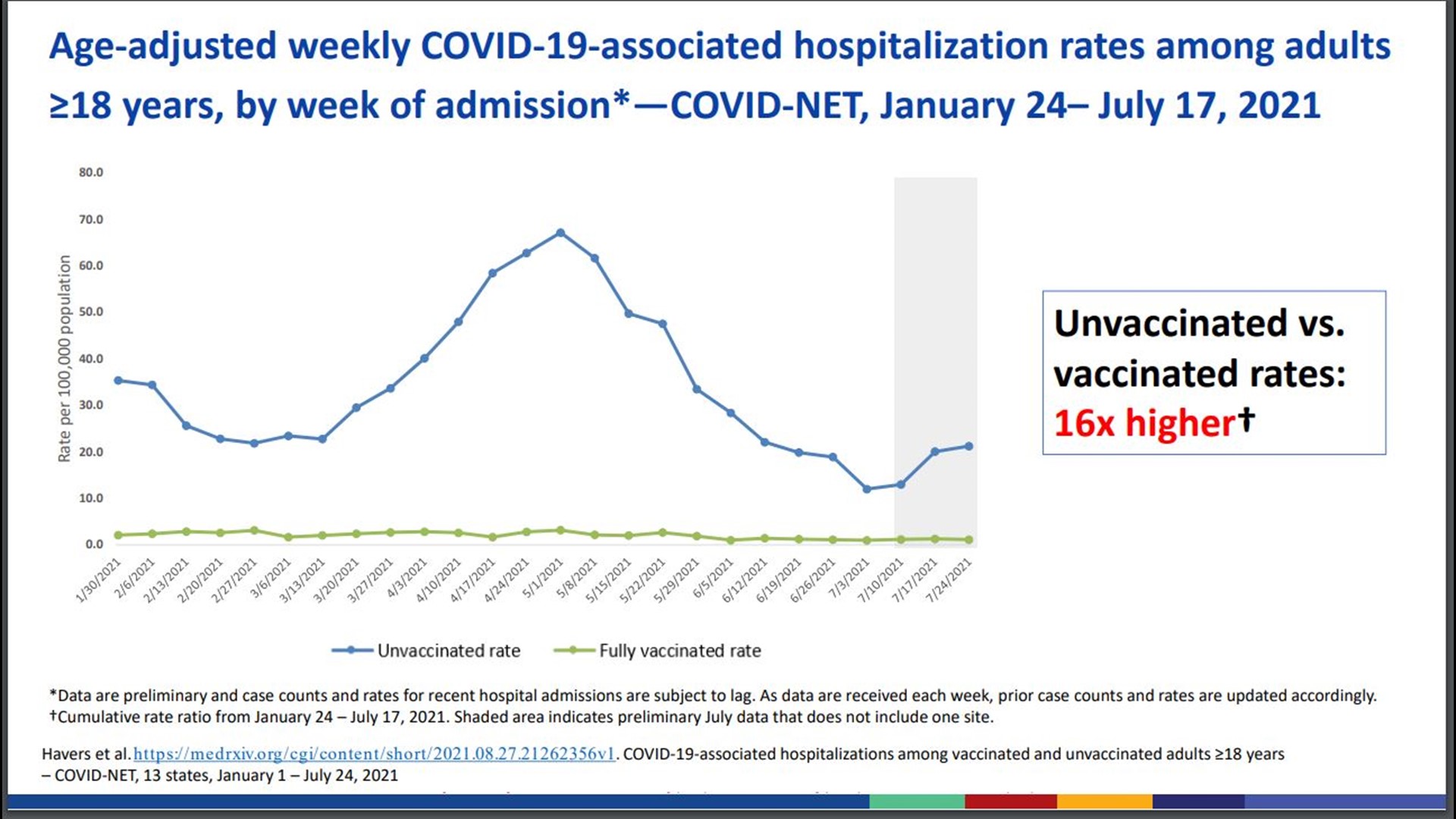
A common misunderstanding regarding 2026 breakouts is the relationship between how fast the virus spreads (transmissibility) and how sick it makes people (virulence). Current data suggests that while the virus continues to find ways to be more contagious, the high levels of T-cell immunity in the global population generally prevent the severe lower-respiratory tract infections that were common in 2020. Therefore, a breakout today often means a high volume of mild-to-moderate "flu-like" illness, which still poses a significant logistical challenge for the workforce and schools due to absenteeism.
Economic and Workplace Impacts of Modern Surges
For businesses, a COVID breakout in 2026 is primarily a labor-management issue. The "Great Reshuffle" of the early 2020s resulted in a permanent shift toward hybrid and remote-first work for many sectors. Consequently, the economic "meaning" of a breakout has shifted from "business closures" to "operational elasticity."
Resilience and Continuity Planning
Most major corporations now maintain "Bio-Resilience Protocols." When a localized breakout is confirmed in a specific city or region, these companies trigger automatic shifts:
- Remote Pivot: Employees who can work from home are encouraged or required to do so for a 10-to-14-day window.
- Enhanced Ventilation: HVAC systems in physical offices are switched to maximum air exchange modes with HEPA filtration.
- Symptom Screening: AI-driven health check-ins become mandatory for on-site staff.
The supply chain has also adapted. Following the catastrophic disruptions of 2021, the "just-in-case" inventory model has largely replaced the "just-in-time" model. A breakout in a manufacturing hub in 2026 may slow down production, but it rarely grinds the global economy to a halt because diversified sourcing and regionalized manufacturing buffers have been established.
Comparing the Landscape: 2020 vs. 2026
To fully grasp what a COVID breakout means today, it is helpful to compare the current state of affairs with the original pandemic era.
| Feature | 2020 Pandemic Breakout | 2026 Endemic Breakout |
|---|---|---|
| Primary Goal | Zero-COVID or Flatting the Curve | Healthcare Capacity Management |
| Public Response | Mandatory Lockdowns | Targeted Health Advisories |
| Vaccine Status | Non-existent / Clinical Trials | Annual Multi-valent Boosters |
| Testing | Limited PCR / Long Wait Times | Rapid Home Molecular Tests (Ubiquitous) |
| Workplace | Total Closure / Furloughs | Hybrid Flexibility / Bio-Resilience |
| Travel | Border Closures | Standard Health Screening / Digital Certs |
| Treatment | Supportive Care / Oxygen | Targeted Antivirals (Paxlovid/Next-Gen) |
Individual and Healthcare Requirements
When a breakout occurs in your area in 2026, the requirements for individuals are clear and standardized. The "guesswork" of the early 2020s has been replaced by evidence-based protocols.
Testing and Verification
In 2026, testing is no longer just about knowing if you have COVID; it is about determining which antiviral treatment is appropriate. Home test kits now frequently screen for multiple respiratory viruses simultaneously, including COVID-19, Influenza A/B, and RSV. A positive result during a breakout should be reported through secure health apps to help public health officials track the surge's epicenter and duration.
Vaccination and Prophylaxis
The "meaning" of a breakout for an individual often depends on their last vaccination date. Public health guidelines in 2026 suggest that those who have received an updated booster within the last six months are highly protected against severe disease, even during a significant breakout. For the immunocompromised, "pre-exposure prophylaxis" (PrEP) medications are often updated to match the circulating variants involved in the current breakout.
Global Travel and Regulatory Compliance
Traveling during a COVID breakout in 2026 is vastly different from the chaotic experience of 2021. Most international travel is governed by the "Global Health Pass" system, which is integrated into digital passports.
When a specific region experiences a breakout, it may be flagged as a "Yellow Zone" by the World Health Organization. This does not necessarily stop travel, but it may trigger:
- Mandatory Masking on Flights: Reinstated for routes involving the affected region.
- Point-of-Entry Testing: Rapid molecular testing at the airport, with results delivered to your phone in 15 minutes.
- Vaccination Verification: Ensuring travelers have the most recent seasonal update.
These measures are designed to be friction-minimized, allowing the global economy to continue functioning while preventing the rapid "seeding" of new variants into low-transmission areas.
Frequently Asked Questions
Does a 2026 COVID breakout mean I need to quarantine? In 2026, the term "quarantine" (for the exposed) has largely been replaced by "test-to-stay" or "symptom monitoring." However, "isolation" (for the infected) remains standard. If you test positive during a breakout, the current guideline is typically five days of isolation followed by five days of masking, provided you are asymptomatic or your symptoms are resolving.
Are the vaccines in 2026 effective against new breakouts? Yes, but with a caveat. Vaccines are now designed to be "variant-agnostic" or "multi-valent," targeting conserved parts of the virus that do not mutate as quickly. While they may not prevent all mild infections (the "breakout" itself), they remain over 90% effective at preventing hospitalization and death.
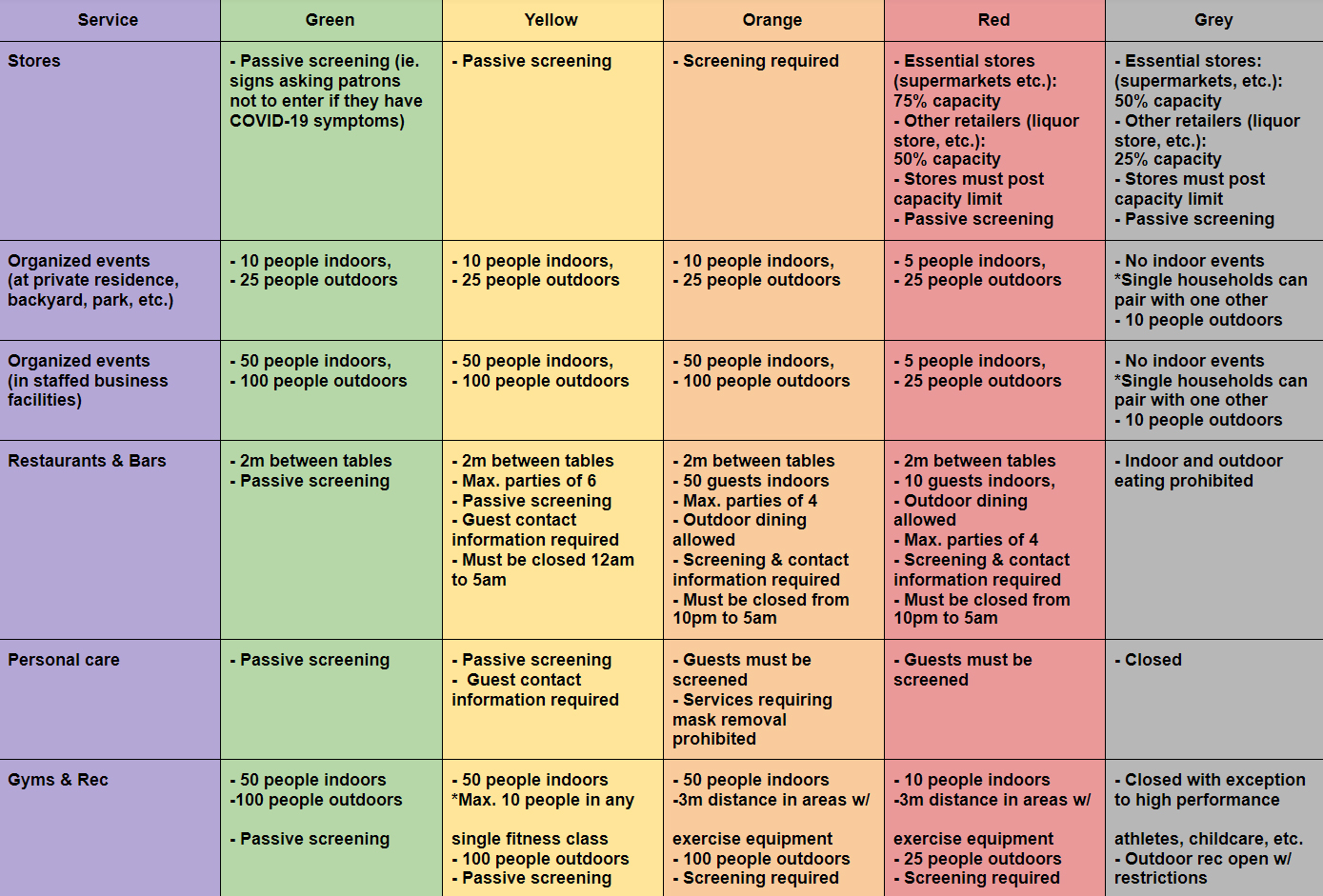
What should business owners do during a localized breakout? Business owners should refer to their regional health department's "Transmission Tier." In 2026, most jurisdictions provide a 1–5 scale. During a breakout (typically Tier 3 or 4), businesses are advised to maximize ventilation, encourage remote work, and provide high-quality masks to front-line staff.
Is "Long COVID" still a concern during 2026 breakouts? Long COVID remains a significant research and clinical focus. While the risk of developing Long COVID has decreased significantly with widespread vaccination and the use of early antivirals, a breakout still carries a statistical risk of post-acute sequelae. This is why public health officials still treat breakouts with seriousness, emphasizing prevention.
How is wastewater monitoring used to predict breakouts? Wastewater surveillance is the "early warning system" of 2026. By the time clinical cases are reported, a breakout has usually been underway for a week. Monitoring viral loads in sewage allows cities to predict a surge up to 10 days in advance, giving hospitals time to adjust staffing and inventories.
Recommended Actions for 2026
If you find yourself in the midst of a COVID breakout in 2026, the most effective approach is proactive management rather than reactive panic.
- Verify Your Status: Ensure you are up to date with the most recent seasonal respiratory vaccine. Check the CDC's official vaccination schedule for the 2025–2026 period.
- Update Your Kit: Ensure you have high-quality masks (N95 or equivalent) and at least two multi-pathogen home test kits.
- Monitor Local Data: Use your local or national health department’s dashboard to track the "Effective Reproduction Number" (Rt) in your area. An Rt significantly above 1.0 indicates an active breakout.
- Consult Healthcare Providers Early: If you are in a high-risk group and test positive, contact your doctor within 24 hours to begin antiviral therapy, which is most effective when started early.
By understanding that a COVID breakout in 2026 is a manageable public health event rather than a societal emergency, individuals and businesses can maintain safety without the disruptive uncertainty that characterized the early 2020s.
Image Gallery