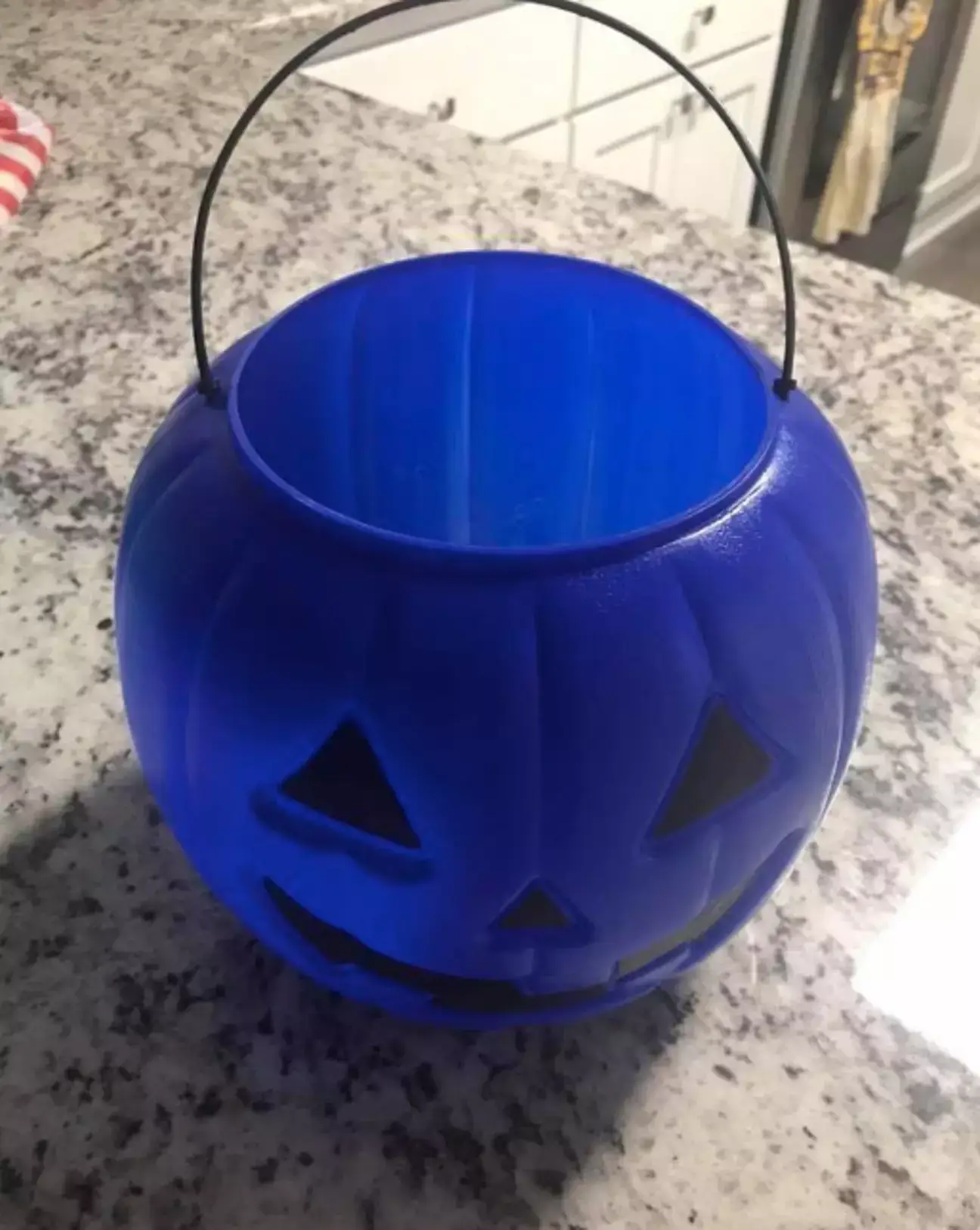
What Does a Blue Pumpkin Bucket Mean on Halloween?
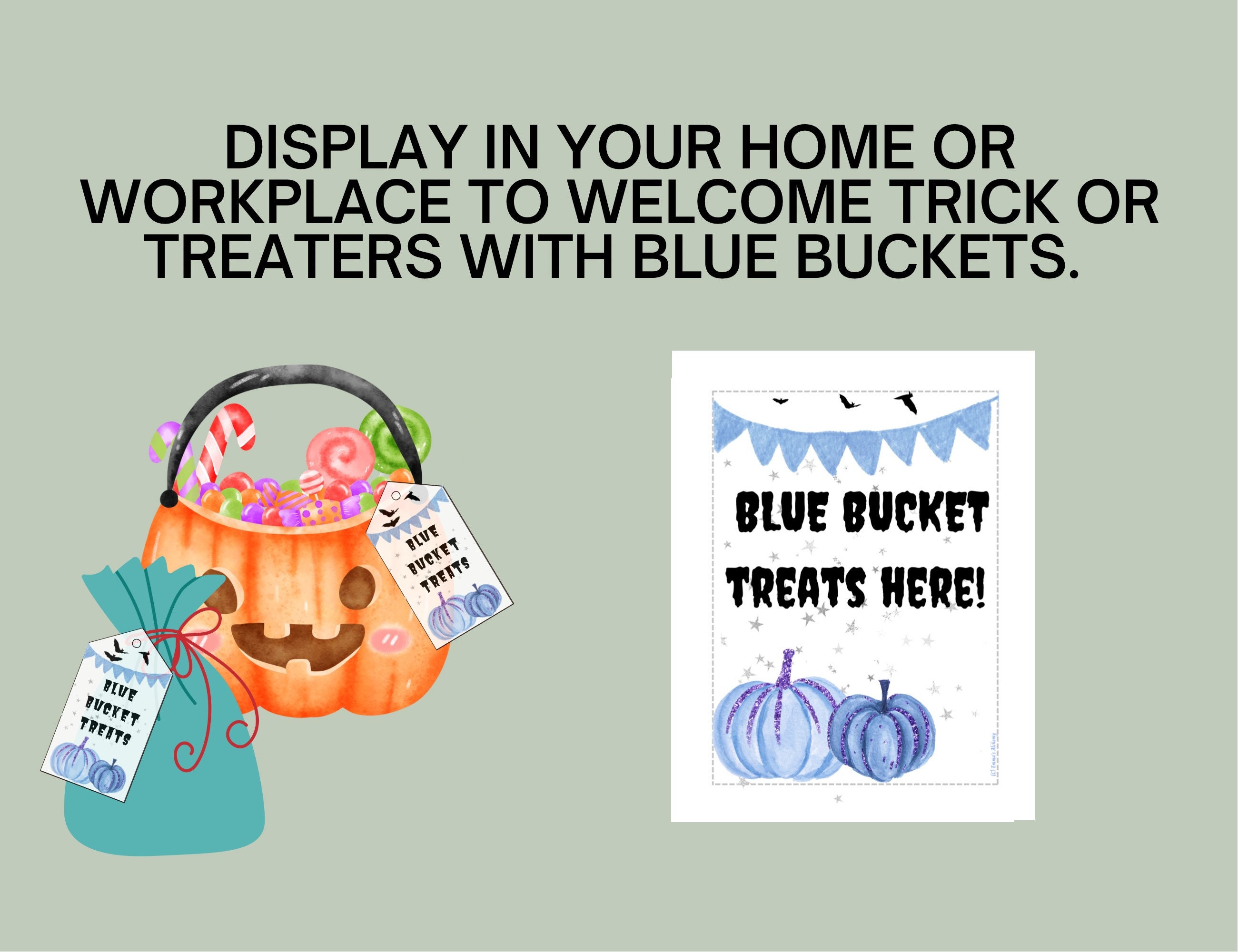
A blue pumpkin bucket carried on Halloween indicates that a trick-or-treater has autism spectrum disorder or is non-verbal. The blue bucket serves as a subtle, optional signal to host families and neighbors to offer extra patience, und...
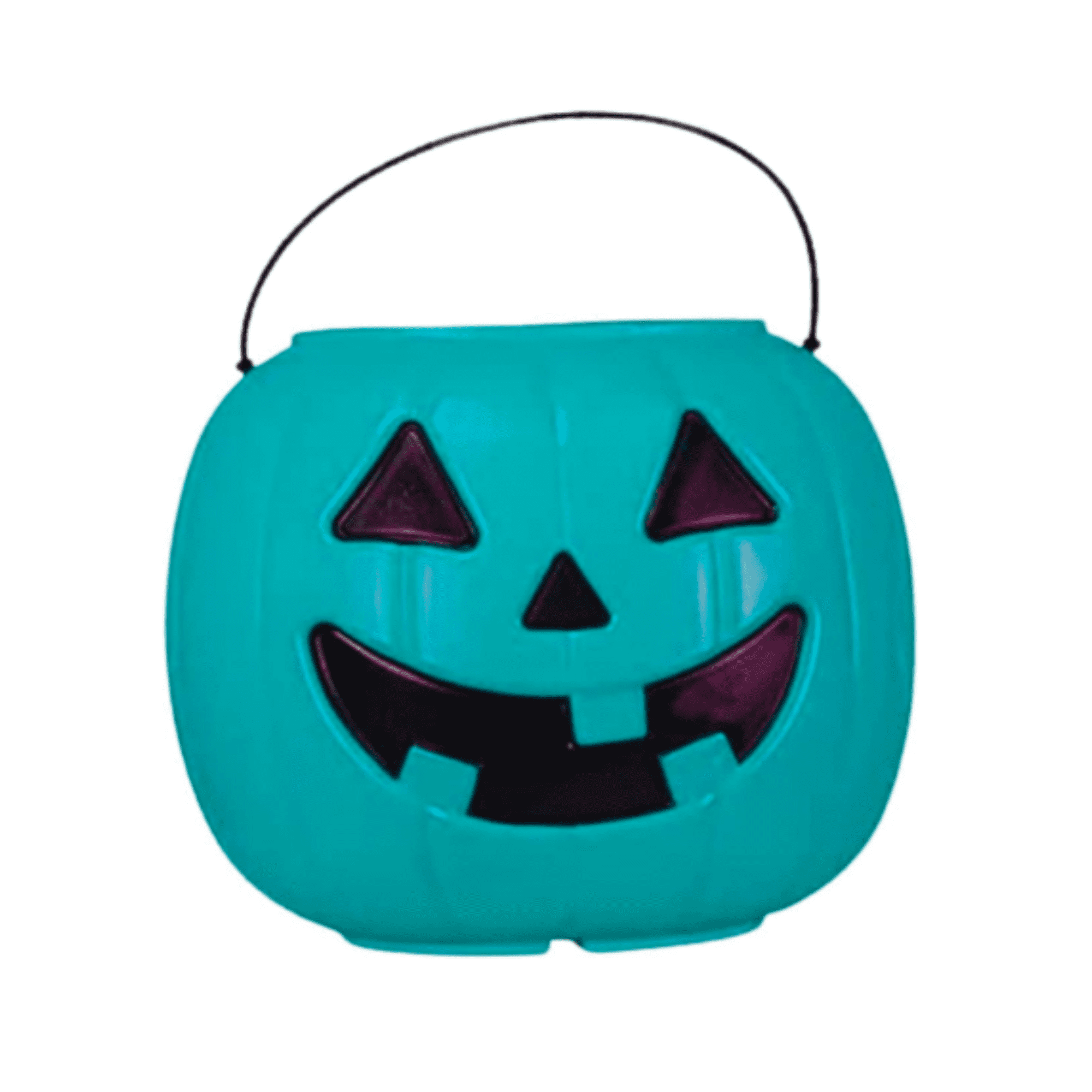
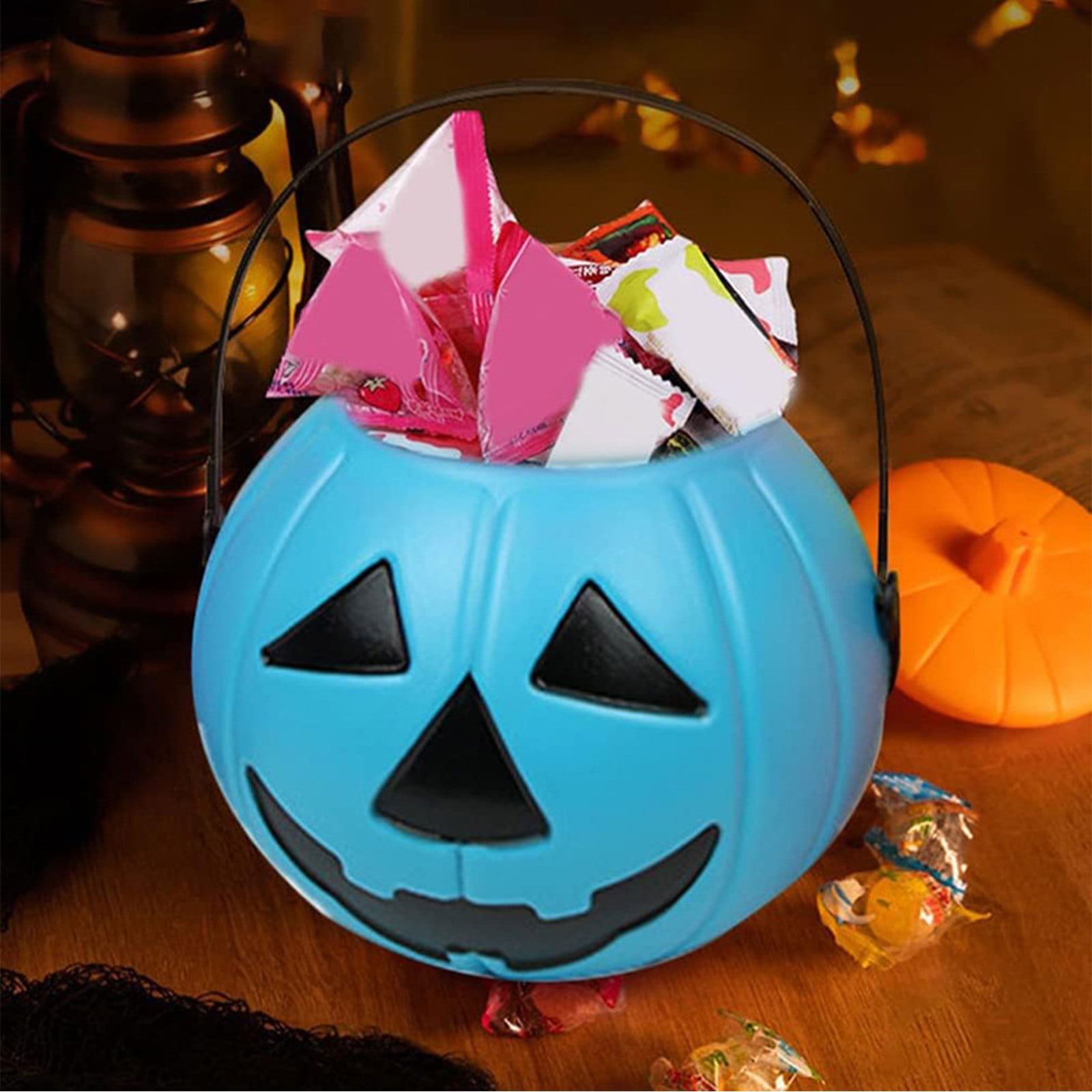
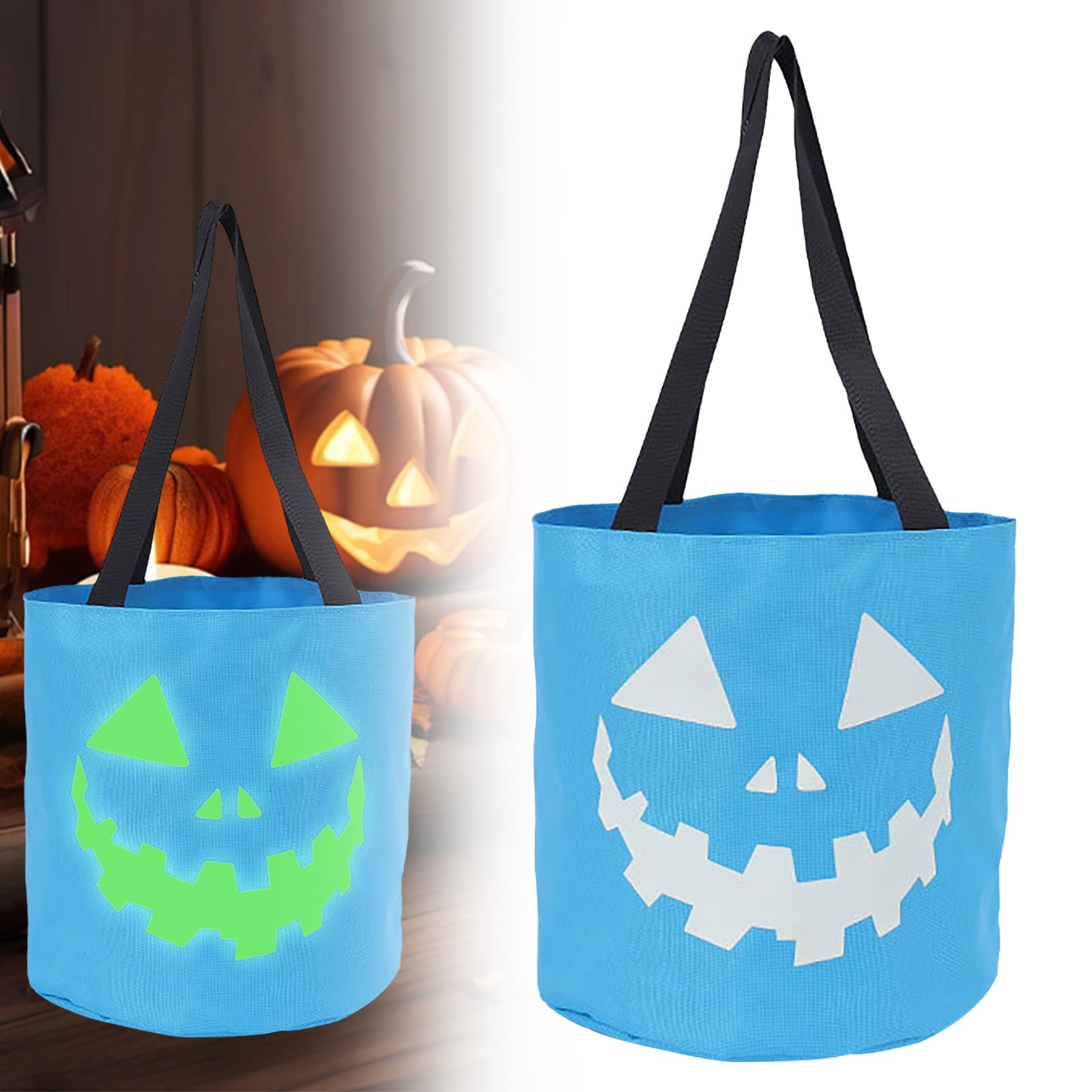
A blue pumpkin bucket carried on Halloween indicates that a trick-or-treater has autism spectrum disorder or is non-verbal. The blue bucket serves as a subtle, optional signal to host families and neighbors to offer extra patience, understanding, and accommodation—such as not requiring traditional verbal greetings like "trick or treat" or direct eye contact.
Contents
The Origin and Purpose of the Blue Pumpkin Bucket
The tradition of using colored pumpkin pails to convey specific health conditions or needs began gaining widespread public attention in 2018. A mother named Alicia Plumer shared a post on social media explaining that her 21-year-old son, who lives with autism, would be carrying a blue pumpkin bucket while trick-or-treating. Her goal was simple: to let neighbors know why an older individual might be trick-or-treating and why he might not speak or react in conventional ways.
The post quickly went viral across North America and Western Europe, resonating with millions of caregivers facing similar challenges every October 31st. Traditional Halloween trick-or-treating relies heavily on social interactions that can be sensory-heavy and unpredictable. Children and adults on the autism spectrum often navigate sensory sensitivities, executive dysfunction, or communication differences.
By carrying a blue pumpkin pail, individuals communicate their presence without requiring their parents or caregivers to verbally explain their diagnosis at every doorstep. It transforms trick-or-treating into a more accessible activity by quietly setting expectations for social interactions.
Why Visual Indicators Matter During Trick-or-Treating
Halloween candy distribution relies on standard social scripts: a child walks up to a door, rings the bell, shouts "Trick or treat!", waits for candy, and says "Thank you!" before moving to the next home. However, neurodivergent individuals may experience this sequence differently:
- Speech and Language Variations: Many autistic individuals are non-verbal, use augmentative and alternative communication (AAC) devices, or experience speech delays under stress or excitement.
- Sensory Overload: Flashing lights, loud screams, spooky sound effects, and crowded sidewalks can overwhelm the nervous system, making rapid communication difficult.
- Motor Skill Challenges: Reaching into a bowl, selecting a treat, or opening a bag requires fine motor coordination that may take extra time.
- Age Discrepancies: Older teens and adults with developmental differences enjoy participating in Halloween traditions, but traditional door-to-door gift-giving often targets young children. A blue bucket helps reduce judgment from neighbors who might otherwise question why a teenager is trick-or-treating.
Comparing Halloween Pumpkin Bucket Colors
Over the past decade, several colored pumpkin campaigns have emerged to promote safety, health awareness, and inclusion. Because different colors signify distinct needs or initiatives, understanding what each color represents helps homeowners respond appropriately.
| Bucket Color | Primary Meaning | Initiated By / Context | Where It Is Used | Key Action for Homeowners |
|---|---|---|---|---|
| Blue | Autism Spectrum Disorder / Non-verbal awareness | Grassroots parent campaigns (2018) | Carried by trick-or-treaters | Practice patience; do not demand verbal greetings or eye contact. |
| Teal | Severe food allergies / Non-food treat availability | FARE (Teal Pumpkin Project, 2014) | Placed on porches or carried | Offer non-food treats (glow sticks, stickers, small toys) separate from candy. |
| Purple | Epilepsy awareness or general allergy alternative | Grassroots & regional campaigns | Carried by trick-or-treaters or placed on porches | Be mindful of flashing lights/strobe effects; offer safe treats. |
| Pink | Breast cancer awareness / Charity fundraising | Community charity initiatives | Displayed or carried for fundraising | Educational and awareness support; treat distribution standard. |
While teal pumpkins are primarily displayed on front porches by homeowners indicating they have non-food items available for food-allergic children, blue pumpkins are carried by the trick-or-treaters themselves.
How Homeowners Should Respond to a Blue Pumpkin Bucket
When a child or adult approaches your door carrying a blue pumpkin bucket, small adjustments to your standard Halloween routine make a significant positive impact.
- Trick-or-Treater Approaches with Blue Bucket
- Recognize Visual Cue: ASD / Non-Verbal
- Take Supportive Action:
- Adjust Social Expectations:
- Do not require "Trick or Treat"
- Do not force eye contact
- Allow extra response time
- Create Sensory Comfort:
- Avoid sudden loud noises
- Keep strobe lights off porch
- Lower high-contrast sound effects
- Adjust Social Expectations:
- Offer Treat & Smile Warmly
1. Eliminate Verbal Requirements
Never force a trick-or-treater to say "trick or treat" or "thank you" before giving them candy. For a non-verbal child or someone experiencing selective mutism due to sensory overload, demanding speech creates distress. A smile, a gentle tone, and dropping a treat directly into their bucket is the best approach.
2. Be Patient with Processing Time
Sensory input on Halloween night is intense. An autistic individual may take several seconds to process that a door has opened or to extend their pumpkin bucket forward. Avoid rushing them, pointing out their hesitation, or repeating instructions quickly.
3. Welcome Older Trick-or-Treaters
If an older teenager or adult comes to your door carrying a blue bucket, welcome them with the same warmth you extend to younger children. Developmental ages and interests vary, and Halloween should remain an inclusive, joy-filled event for everyone regardless of chronological age.
4. Reduce Sensory Triggers at the Doorstep
If you know your neighborhood has many young families or neurodivergent children, consider keeping your entryway accessible:
- Turn off high-pitched motion-activated screaming props near the door.
- Ensure walkways are brightly lit with steady light rather than fast strobe effects, which can trigger sensory overload or seizures.
- Keep pet dogs indoors or secured away from the door, as sudden barking can startle sensitive visitors.
Community Perspectives: Benefits and Debates
While the blue pumpkin bucket initiative was created to build empathy and simplify Halloween, it has sparked thoughtful discussion among disability self-advocates, occupational therapists, and parents. Understanding these perspectives helps families decide whether using a blue bucket is right for them.
Advantages of Using a Blue Bucket
- Reduces Anxiety for Parents: Caregivers do not have to repeatedly explain their child’s condition to dozens of neighbors, allowing them to focus on enjoying the evening.
- Promotes Neighborhood Awareness: Visual cues encourage communities to practice practical inclusion and learn more about developmental diversity.
- Prevents Misunderstandings: It clarifies why an older child might not follow standard social expectations or wear a traditional costume.
Concerns Raised by Disability Advocates
- Privacy and Disclosure: Some self-advocates point out that carrying a blue bucket effectively advertises a personal medical diagnosis to strangers, which some families prefer to keep private.
- Risk of Stigmatization or Target Identification: Highlighting a child's vulnerability in public settings can raise safety concerns for some parents.
- Responsibility Placement: Advocates often emphasize that host families should treat all trick-or-treaters with patience and kindness by default, rather than requiring a child to display a colored bucket to receive gentle treatment.
Ultimately, using a blue pumpkin pail is an entirely personal choice. There is no requirement for neurodivergent children to carry one, and families should choose the approach that makes their trick-or-treater feel most comfortable and secure.
Practical Halloween Strategies for Neurodivergent Families
If you are preparing for Halloween with a family member who has sensory sensitivities or communication differences, several proactive steps can make the evening smoother:
Pre-Halloween Preparation
- Practice the Route and Routine: Walk the trick-or-treating route during daylight hours in the days leading up to Halloween. Practice walking up steps, holding out a bucket, and turning around.
- Desensitize Costumes Early: Synthetic fabrics, tags, masks, and face paint can cause physical discomfort. Choose soft, breathable clothes or costume-themed pajamas. Let your child wear the costume around the house before October 31st to check for itchy seams or restrictive fits.
- Use Visual Schedules: Create a simple visual social story outlining the steps of the evening: putting on the costume, walking down the street, getting treats, returning home, and inspecting the candy.
Daytime and Alternative Events
If door-to-door trick-or-treating in the dark feels overwhelming, look for community alternatives:
- Trunk-or-Treats: Organized in daylight in controlled parking lots, offering shorter walking distances and predictable environments.
- Sensory-Friendly Community Hours: Many local community centers, museums, and shopping districts offer quiet Halloween trick-or-treating hours with reduced lighting and no loud music.
- Home-Based Activity Stations: Set up mini candy stations in different rooms of your own home, or coordinate with a few trusted neighbors for a small, private trick-or-treat loop.
Frequently Asked Questions
Is the blue pumpkin bucket an official government or non-profit initiative?
No. The blue pumpkin bucket is a grassroots, community-driven movement started by parents. While various national autism advocacy organizations support the awareness concept, it is not an official government standard or mandatory program.
Should I put a blue pumpkin on my front porch?
Generally, no. Placing a blue pumpkin on your front porch is not a standard signal. If you want to show your porch offers non-food treats for children with severe allergies, display a teal pumpkin. If you want to signal that your home is sensory-friendly for autistic children, you can post a sign welcoming all trick-or-treaters regardless of communication style.
What should I do if a child carrying a blue bucket does not wear a costume?
Many individuals on the autism spectrum cannot tolerate the textures, tightness, or headwear of standard Halloween costumes due to sensory processing differences. Simply greet them warmly, offer candy or a non-food treat, and treat them like any other trick-or-treater.
How does a blue pumpkin bucket differ from a teal pumpkin bucket?
A teal pumpkin relates to food allergies (managed by FARE's Teal Pumpkin Project) and signals that a house offers non-food treats like toys or glow sticks. A blue pumpkin bucket is carried by a trick-or-treater to signal autism spectrum disorder or non-verbal communication needs.
What should I do if a child with a blue bucket picks up multiple pieces of candy?
Fine motor control and impulse management vary. If a child takes more than one piece of candy or struggles to select an item, offer gentle assistance or hold the bowl steady. Avoid scolding or correcting the child on your doorstep.
Next Steps for an Inclusive Neighborhood
Creating a welcoming environment for all trick-or-treaters requires minimal effort and delivers significant community benefits. To prepare your home for a sensory-inclusive Halloween:
- Stock Diverse Options: Keep a separate bowl of non-food treats (such as stickers, pop-its, or glow bracelets) alongside standard candy to accommodate both food allergies and sensory preferences.
- Adjust Exterior Lighting and Audio: Dim or turn off strobes, flashing displays, and motion-activated sound effects near your front door.
- Educate Family Members: Brief everyone distributing candy at your home about what blue and teal pumpkins mean so they can respond with warmth and patience.
By supporting visual awareness signals like the blue pumpkin bucket while practicing unconditional patience for every visitor, neighborhoods can ensure Halloween remains a fun, accessible celebration for everyone.
Image Gallery