Understanding the Global Landscape of Gender Equality: Leading Nations and Measurement Metrics
Gender equality is a foundational pillar of human rights and sustainable economic development, yet progress varies dramatically across the globe. When examining which country with gender equality leads the world, researchers typically...
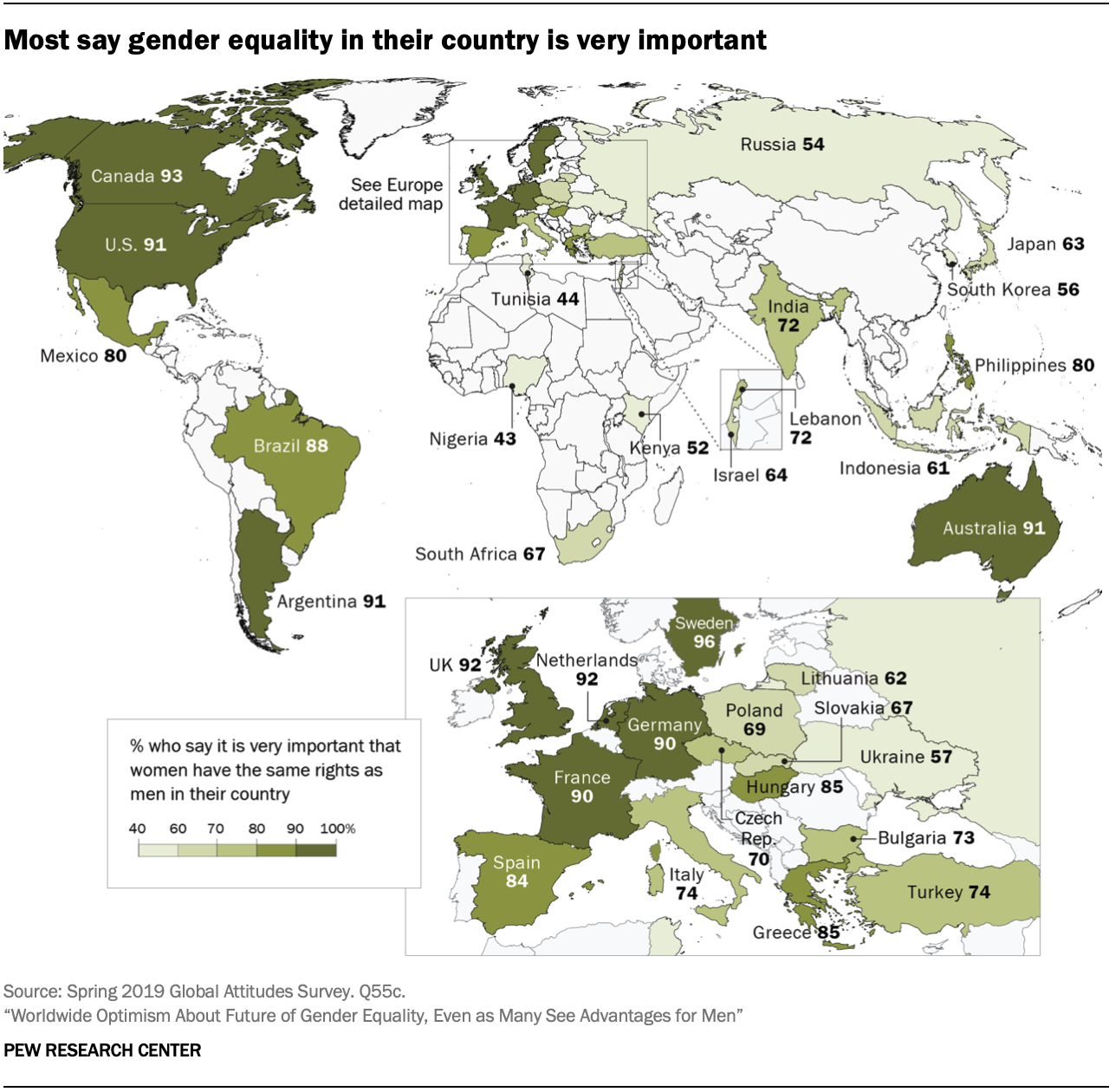
Gender equality is a foundational pillar of human rights and sustainable economic development, yet progress varies dramatically across the globe. When examining which country with gender equality leads the world, researchers typically point to the Nordic nations—specifically Iceland, Norway, Finland, and Sweden—due to their comprehensive legislative frameworks, robust welfare systems, and narrowing wage gaps. However, evaluating true parity requires looking past superficial laws to examine labor market participation, political representation, educational attainment, and health outcomes.
Contents
Understanding how different nations achieve and maintain gender balance offers vital insights into the structural policies required to close the global gender gap.
The Metrics of Parity: How Global Gender Equality Is Measured
Evaluating gender parity across international borders requires standardized metrics. The most prominent instrument used by economists, sociologists, and policymakers is the Global Gender Gap Index, published annually by the World Economic Forum (WEF). This index assesses countries on a scale from 0 (imparity) to 1 (full parity) across four core sub-indices:
- Economic Participation and Opportunity: Measures the percentage of women in the workforce, wage equality for similar work, and the presence of women in senior legislative, managerial, and professional positions.
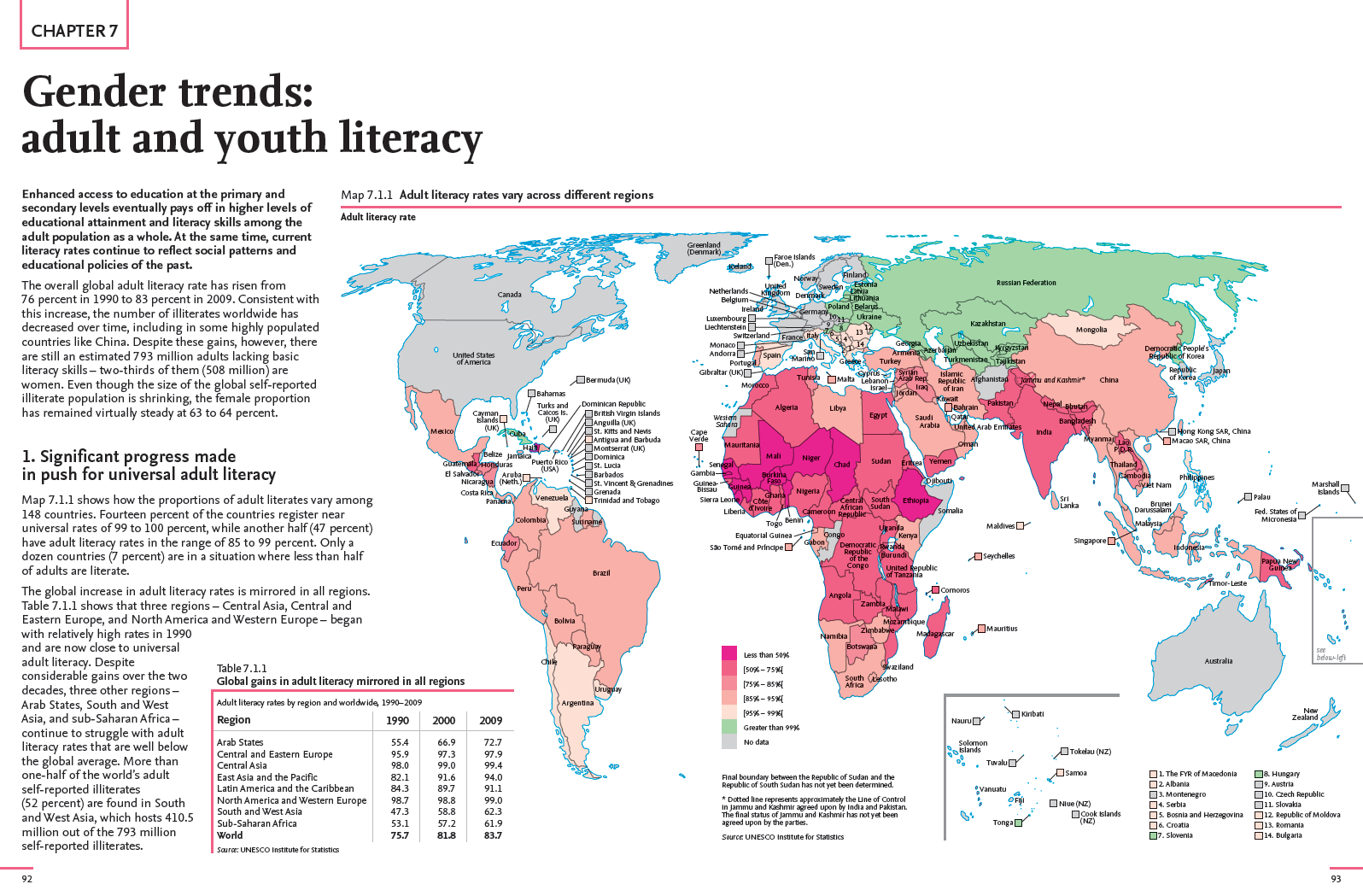
- Educational Attainment: Tracks literacy rates alongside enrollment figures in primary, secondary, and tertiary education institutions.
- Health and Survival: Examines sex ratio at birth and healthy life expectancy metrics, identifying disparities in medical access and survival rates.
- Political Empowerment: Evaluates the ratio of women to men in ministerial positions, parliamentary seats, and heads of state over the past fifty years.
Beyond the WEF index, organizations like the United Nations Development Programme (UNDP) utilize the Gender Inequality Index (GII). The GII highlights reproductive health, empowerment, and economic status to demonstrate the loss in human development due to inequality between genders.
Leading Nations: A Comparative Analysis
While no single nation has achieved absolute, flawless parity, several countries consistently rank at the top of international indexes. The following table highlights the structural characteristics and primary advantages of the world's leading nations in gender equality, based on recent data from international monitoring bodies.
| Country | Primary WEF Ranking Strength | Key Legislative/Social Driver | Notable Economic Feature |
|---|---|---|---|
| Iceland | Political Empowerment & Wage Equality | Equal Pay Standard law requiring proactive certification. | High labor force participation with subsidized universal childcare. |
| Norway | Economic Opportunity & Political Representation | Corporate board quotas mandating 40% female representation. | Generous parental leave policies split equally between parents. |
| Finland | Educational Attainment & Health | Comprehensive public education model emphasizing equity. | High prevalence of women in science, technology, engineering, and math (STEM). |
| Sweden | Political Empowerment & Family Support | Feminist foreign policy and extensive social safety nets. | "Use-it-or-lose-it" parental leave quotas encouraging shared caregiving. |
Why the Nordic Region Leads
The dominance of Nordic countries in gender equality rankings is not accidental. It stems from decades of deliberate political choices, cultural shifts, and institutional designs that treat gender equality as an economic and social imperative rather than an optional charity.
Institutional Support and Universal Childcare
A primary driver of female workforce retention in countries like Sweden and Denmark is universal, subsidized childcare. When high-quality daycare is guaranteed by the state, women do not face the stark choice between career advancement and child-rearing. This foundational infrastructure eliminates the "motherhood penalty"—the wage and career progression drop that women often experience after having children in nations without adequate support.
Structural Parental Leave
Parental leave models in the Nordic region have evolved beyond traditional maternity leave. Policies frequently include "father quotas"—months of non-transferable leave reserved exclusively for fathers. If the father does not use this time, the family loses it. This structural nudge shifts cultural expectations regarding domestic labor, ensuring that men share childcare responsibilities equitably from infancy.
Corporate Governance Mandates
To tackle the glass ceiling in the private sector, nations like Norway pioneered mandatory gender quotas for corporate boards of directors. Enacted in the early 2000s, this regulation required public limited companies to have at least 40% female representation on their boards. Studies show that while this did not automatically eliminate the gender pay gap at lower corporate levels, it shattered elite barriers and proved that qualified female leadership exists in abundance when pipelines are actively maintained.
Economic and Social Impacts of Gender Equality
Achieving high levels of gender equality yields measurable benefits for a nation's economy and social fabric. Conversely, gender disparities create significant drags on Gross Domestic Product (GDP) and societal stability.
- GDP Growth and Innovation: Research by organizations like the International Monetary Fund (IMF) indicates that reducing the gender gap in labor force participation can boost national GDP significantly—by up to 35% in countries with initially wide gaps. Diverse teams in both public and private sectors consistently demonstrate higher rates of innovation and problem-solving.
- Poverty Reduction: In households where women earn fair wages and have independent access to credit and property rights, children experience better nutritional, educational, and health outcomes. Women typically reinvest a higher percentage of their earnings back into their families and communities compared to men.
- Democratic Resilience: Countries with balanced political representation tend to pass legislation that reflects the needs of the entire population, including healthcare, education, and social welfare programs.
Common Obstacles in Developing Gender-Equal Societies
Even in the most progressive nations, persistent challenges remain. Analyzing these roadblocks clarifies why complete parity remains elusive globally.
- Occupational Segregation: Even in high-ranking countries, women are overrepresented in education, healthcare, and human resources (often lower-paying public sector roles), while men dominate engineering, technology, and executive finance.
- The Unpaid Labor Gap: Across almost every culture, women still perform a disproportionate share of unpaid domestic work and caregiving. This hidden labor restricts the time women can dedicate to high-stress, high-paying career trajectories or political campaigns.
- Backlash and Cultural Resistance: Rapid legislative changes often encounter traditionalist pushback. In various parts of the world, aggressive campaigns against reproductive rights, gender studies, and women's public visibility threaten to reverse hard-won progress.
Frequently Asked Questions
Which country is currently ranked first in gender equality?
Iceland consistently ranks as the number one country for gender equality in the Global Gender Gap Index published by the World Economic Forum, a position it has held for over a decade due to its strong performance in political empowerment and wage transparency.
Does high gender equality eliminate the gender wage gap entirely?
No. While leading countries have significantly reduced the gap, a residual wage gap often persists due to occupational segregation, motherhood penalties, and fewer women holding top executive roles. However, the gap in these countries is among the lowest in the world.
How do parental leave policies affect gender equality?
Parental leave policies that include dedicated, non-transferable quotas for fathers help normalize shared domestic responsibilities. This prevents employers from disproportionately penalizing women of childbearing age during hiring and promotion processes.
Are gender quotas for corporate boards effective?
Evidence indicates that corporate board quotas successfully increase the presence of women in high-level leadership without sacrificing corporate performance. They force corporations to look beyond traditional male-dominated networks when filling board vacancies.
Can developing nations achieve high gender equality without wealthy economies?
Yes, although economic resources help, policy choices matter most. Nations like Rwanda have achieved exceptionally high rates of female political representation through constitutional mandates and reserved parliamentary seats, despite facing significant economic hurdles.
Practical Next Steps for Advocacy and Policy
For policymakers, corporate leaders, and citizens seeking to advance gender equality in their own regions, progress requires targeted interventions. Organizations should move beyond passive non-discrimination policies and implement proactive audits of pay scales, transparent promotion criteria, and flexible working arrangements.
Supporting grassroots organizations that provide legal aid, financial literacy, and educational access to marginalized groups remains essential. Ultimately, treating gender equality as a core metric of national performance ensures that human capital is utilized to its fullest potential, benefiting societies across economic, political, and cultural domains.
Image Gallery